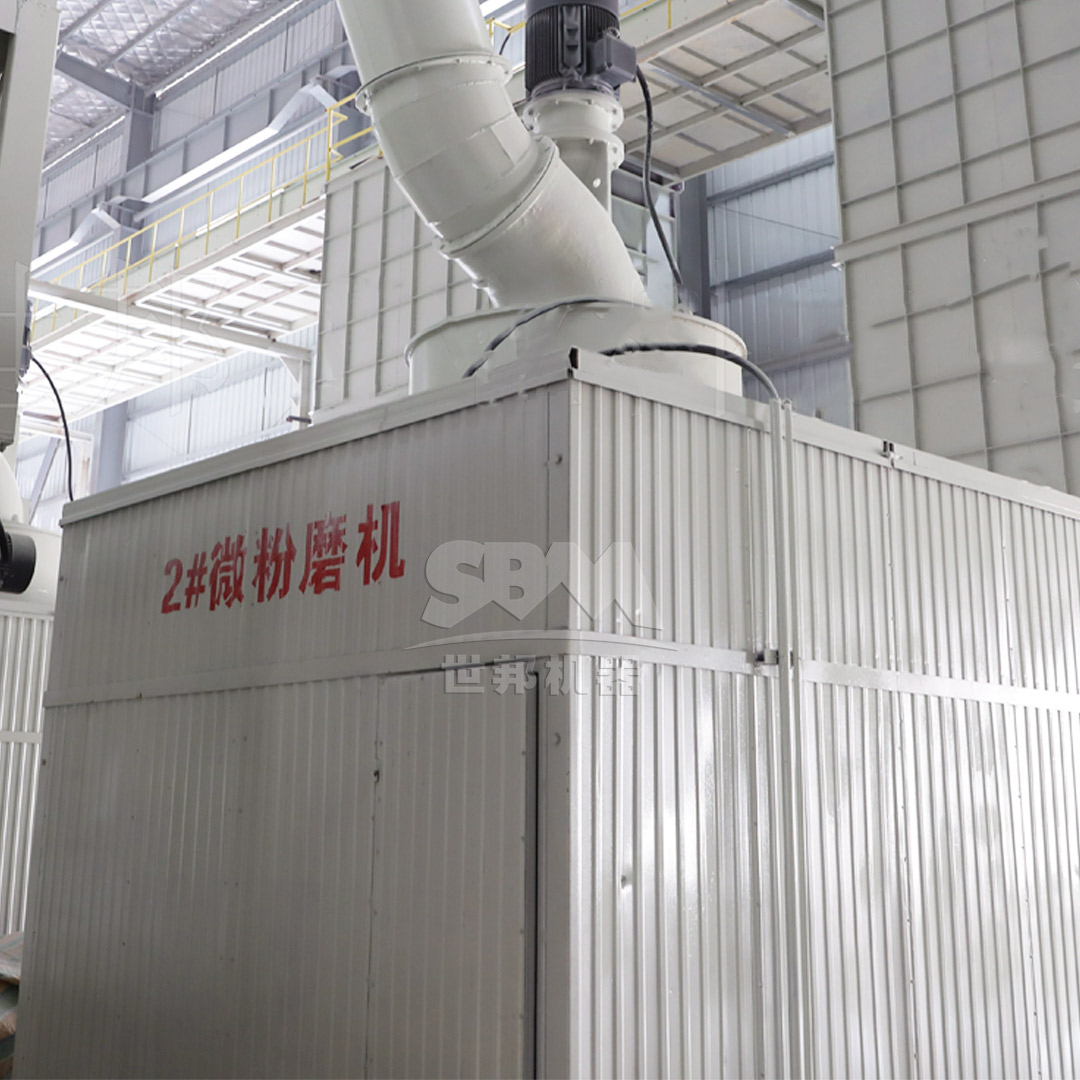
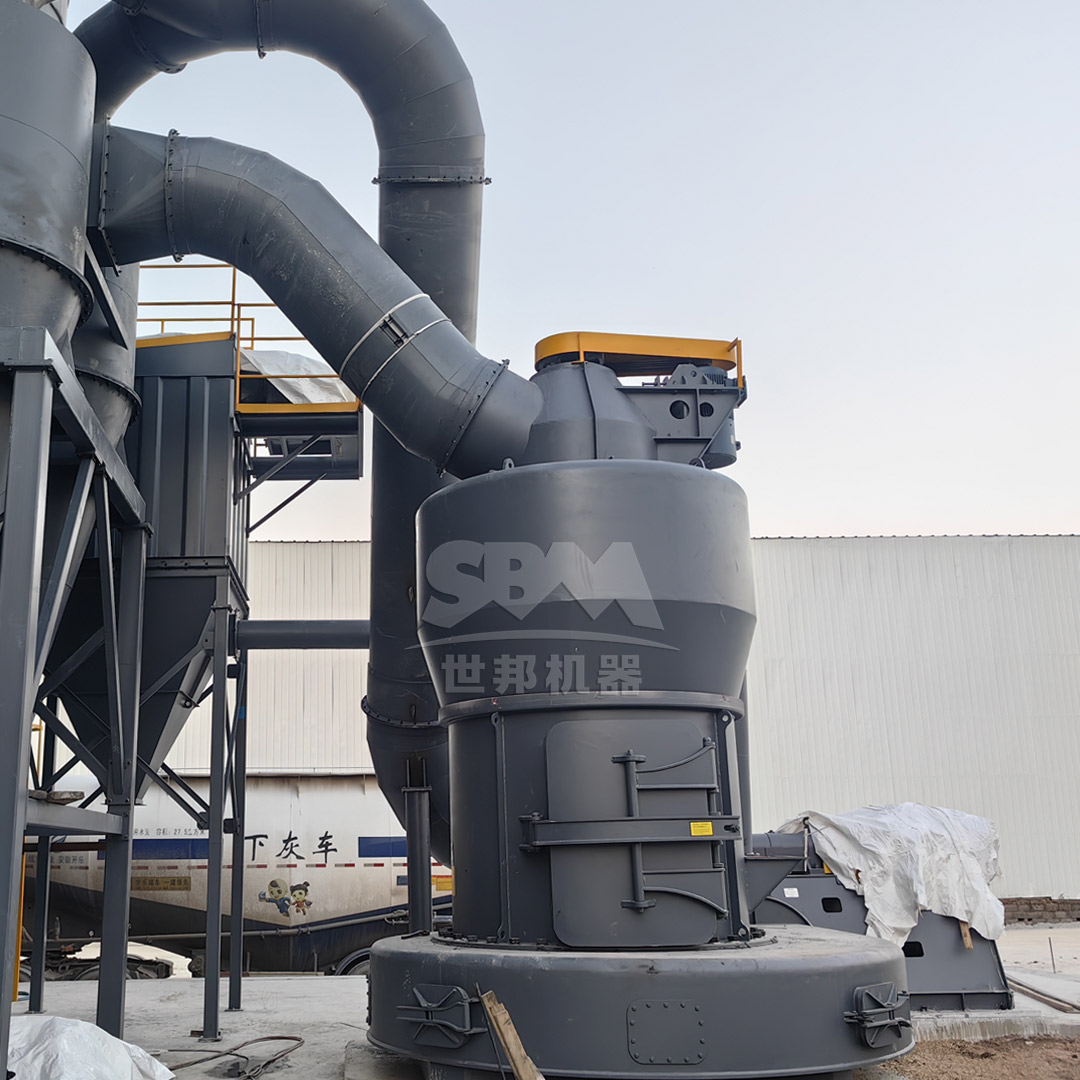
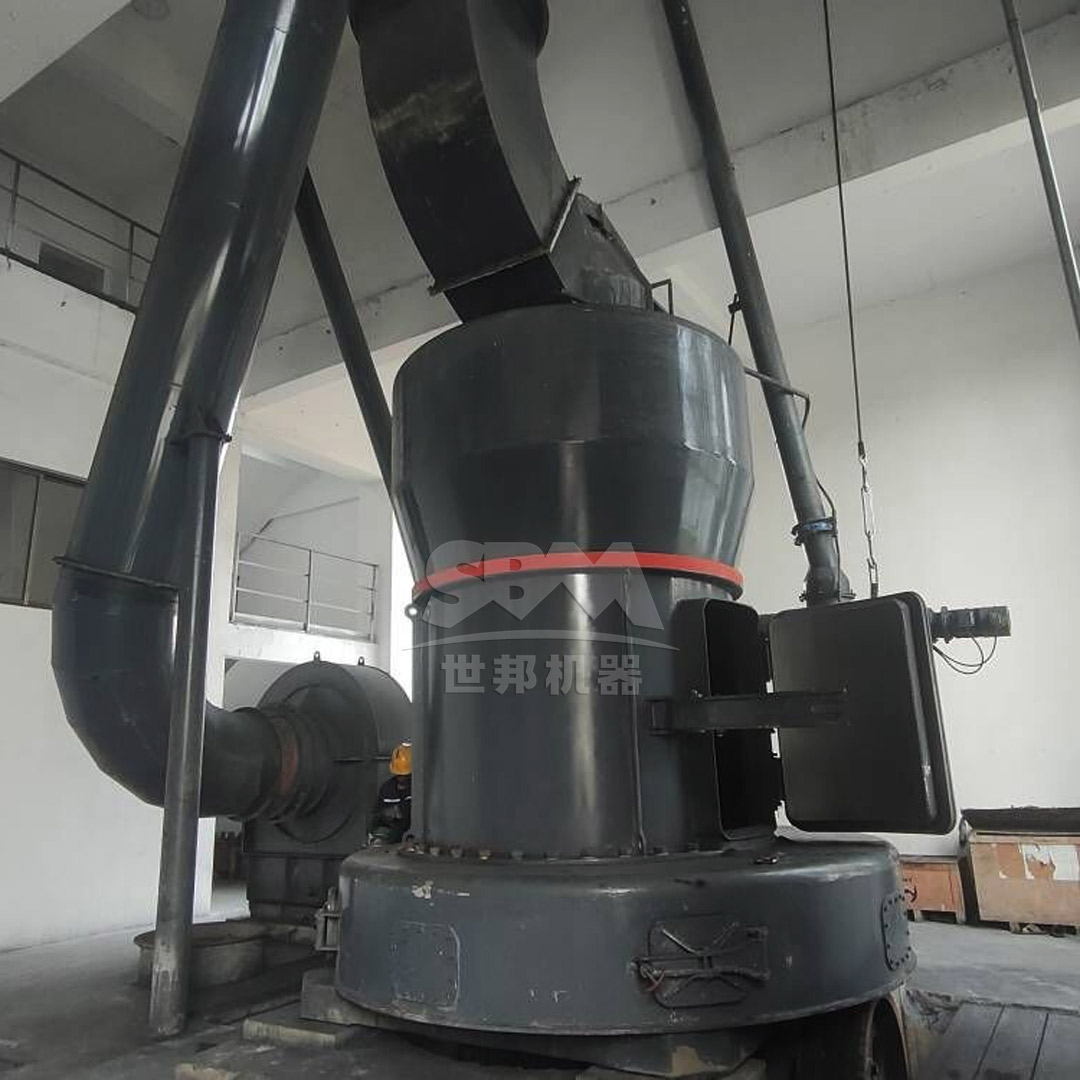
In the modern mineral processing and powder production industries, grinding mill operations represent a critical nexus of productivity, energy consumption, and product quality. Achieving operational excellence is not a one-time event but a dynamic, ongoing process. Continuous Improvement (CI), a systematic, long-term approach to achieving incremental and breakthrough changes, is essential for mills to remain competitive, sustainable, and profitable. This article outlines a structured framework for implementing CI strategies in grinding mill operations, focusing on key performance indicators, technological integration, and process optimization. We will also explore how selecting the right equipment, such as our advanced grinding solutions, serves as a foundational pillar for sustainable improvement.
The journey of CI begins with a structured framework. The classic Plan-Do-Check-Act (PDCA) cycle is highly applicable to mill operations.
Begin by establishing clear, measurable goals aligned with overall business objectives. Common Key Performance Indicators (KPIs) for grinding operations include:
Use tools like Pareto analysis to identify the most significant losses or bottlenecks—be it in feed consistency, classification efficiency, or mechanical downtime.
Execute small-scale trials or full implementations of the planned changes. This could involve adjusting operational parameters (e.g., classifier speed, mill load), testing new grinding media, or implementing a new control logic. Ensure changes are documented and personnel are trained.
This phase relies heavily on data. Continuously monitor the selected KPIs during and after the implementation. Compare the results against the baseline and the expected outcomes. Advanced sensors and a robust SCADA (Supervisory Control and Data Acquisition) system are invaluable here.
If the change is successful, standardize the new procedure across all relevant shifts and units. Update standard operating procedures (SOPs) and training materials. If the results are not as expected, analyze the reasons and feed the learnings back into the “Plan” phase for the next cycle.
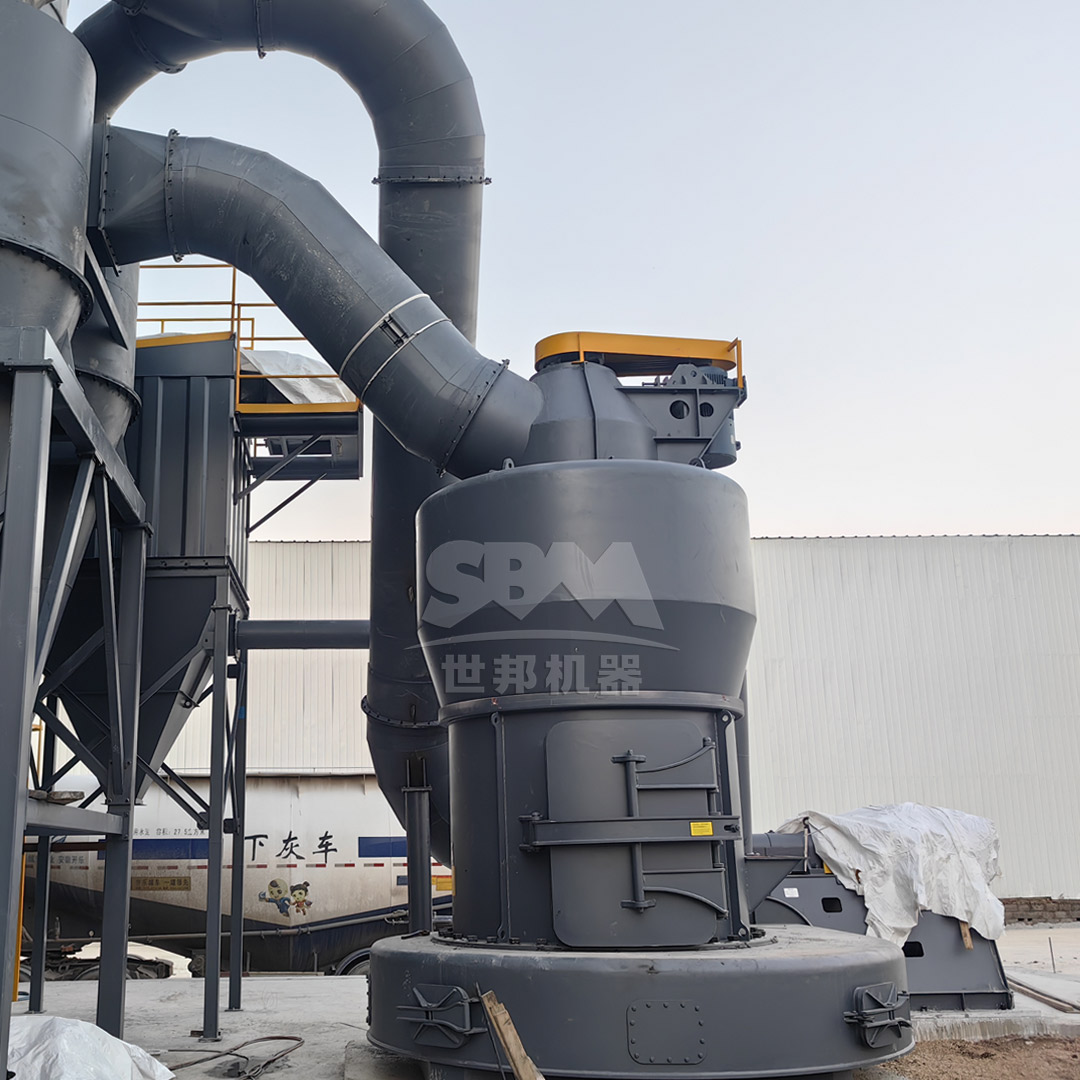
Continuous improvement efforts should target several core areas of the grinding process.
Unstable feed in terms of size distribution, hardness, or moisture is the enemy of efficient grinding. Implementing pre-crushing and screening to ensure a consistent, optimal feed size (e.g., ≤20mm or ≤50mm depending on the mill) can dramatically improve throughput and reduce energy spikes. Reliable feeding equipment is crucial to maintain a steady mass flow into the mill.
Moving from manual control to automated, intelligent systems is a game-changer. Modern mills can be equipped with expert control systems that use real-time data (power draw, bearing pressure, fan current, product fineness analyzers) to automatically adjust parameters for optimal performance. For instance, an intelligent system can maintain constant product fineness despite variations in feed material, directly targeting the KPI of consistency.
This is where equipment with built-in smart capabilities provides a significant advantage. For example, our SCM Ultrafine Mill series features intelligent control with automatic feedback on product particle size. This allows the system to self-adjust, ensuring the target fineness of 325-2500 mesh (D97≤5μm) is consistently met while optimizing energy use, reportedly reducing consumption by up to 30% compared to traditional jet mills.
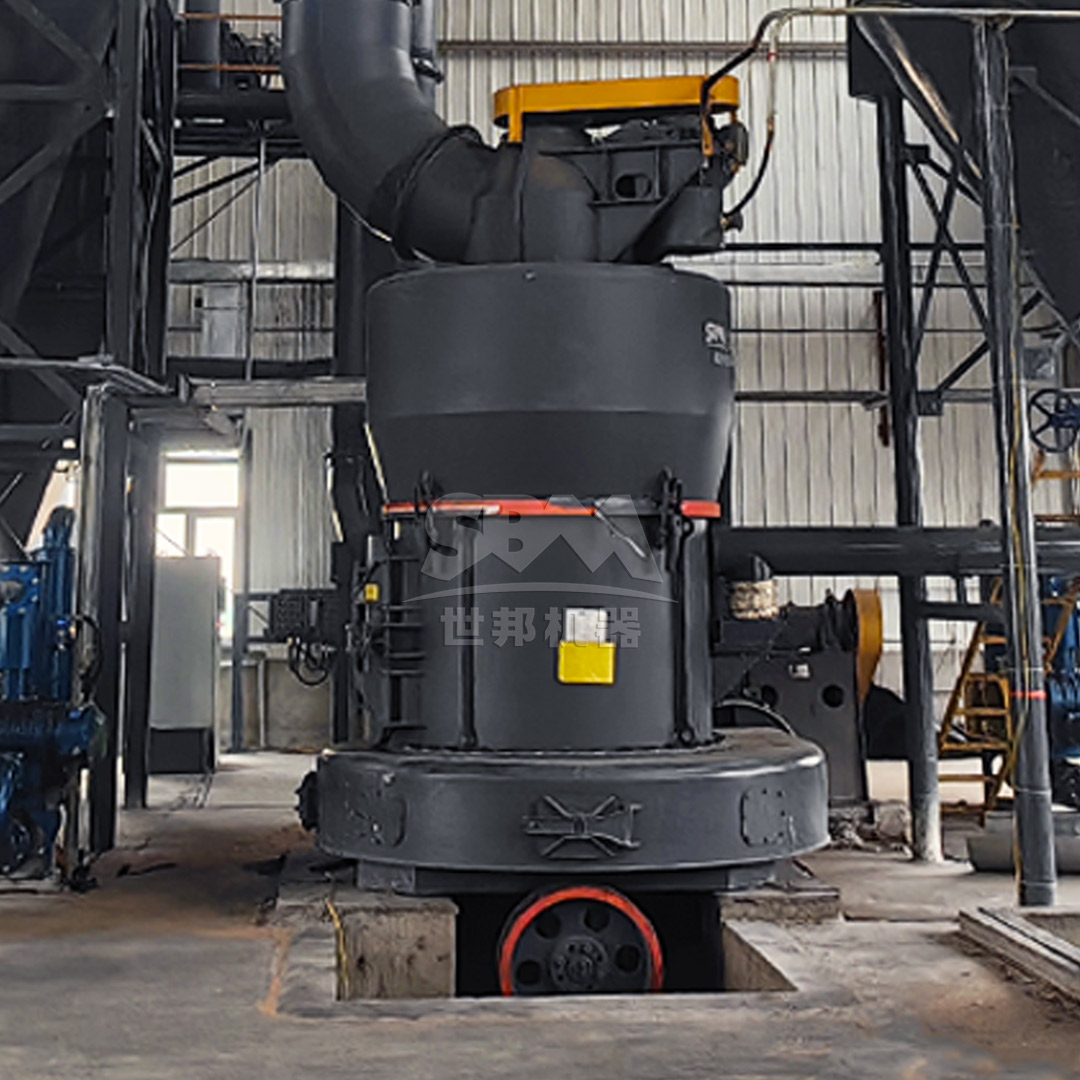
The classification stage (whether internal or external) determines how much correctly sized material is removed as product versus being returned as over-size to the mill. Inefficient classification leads to over-grinding, increased energy consumption, and reduced capacity. Continuous improvement here involves regular inspection and maintenance of classifier blades, optimizing air flow, and potentially upgrading to high-efficiency classifiers.
Technologies like the vertical turbine classifier in our SCM mill or the advanced dynamic separator in our LM Series Vertical Roller Mill are designed for precise particle size cuts. The LM series’集约化设计 integrates grinding and classification, while its智能控制系统 allows for real-time monitoring and adjustment of fineness from 30 to 600 mesh, minimizing over-grinding and ensuring a uniform product.
Adopting a proactive, predictive maintenance strategy is central to CI. Instead of reactive breakdown maintenance, use vibration analysis, oil analysis, and thermal imaging to predict failures in critical components like bearings, gears, and grinding rollers. This maximizes MTBF and availability.
Equipment designed for durability directly supports this strategy. The MTW Series Trapezium Mill, for instance, incorporates耐磨蜗壳结构 and防磨损铲刀设计, which reduce wear and lower maintenance costs by an estimated 30%. Its锥齿轮整体传动 offers 98% transmission efficiency in a compact, reliable design, reducing potential failure points.
| Improvement Lever | Traditional Approach | Continuous Improvement Approach | Potential Benefit |
|---|---|---|---|
| Process Control | Manual, experience-based adjustments | Automated, data-driven expert system | +5-15% throughput, consistent quality |
| Classification | Fixed-speed, basic cyclones | High-efficiency, adjustable dynamic separators | Reduced over-grinding, -10-20% energy |
| Maintenance | Run-to-failure (Reactive) | Condition-based monitoring (Predictive) | +20% availability, lower spare part cost |
| Wear Parts | Standard materials | Optimized, application-specific alloys/designs | +50-200% service life |
While operational practices are vital, the inherent capability of the grinding equipment sets the ceiling for potential improvement. Investing in modern, efficient technology is often the most significant CI step.
Upgrading from older technologies like ball mills to more efficient vertical roller mills or ultra-fine grinding systems can yield step-change improvements. For example, our LM Series Vertical Roller Mill is designed with集约化设计, integrating multiple functions and reducing footprint by 50%. More importantly, its料床粉磨原理 and non-contact roller design can reduce energy consumption by 30-40% compared to traditional ball mill systems, directly and dramatically improving the key KPI of Specific Energy Consumption.
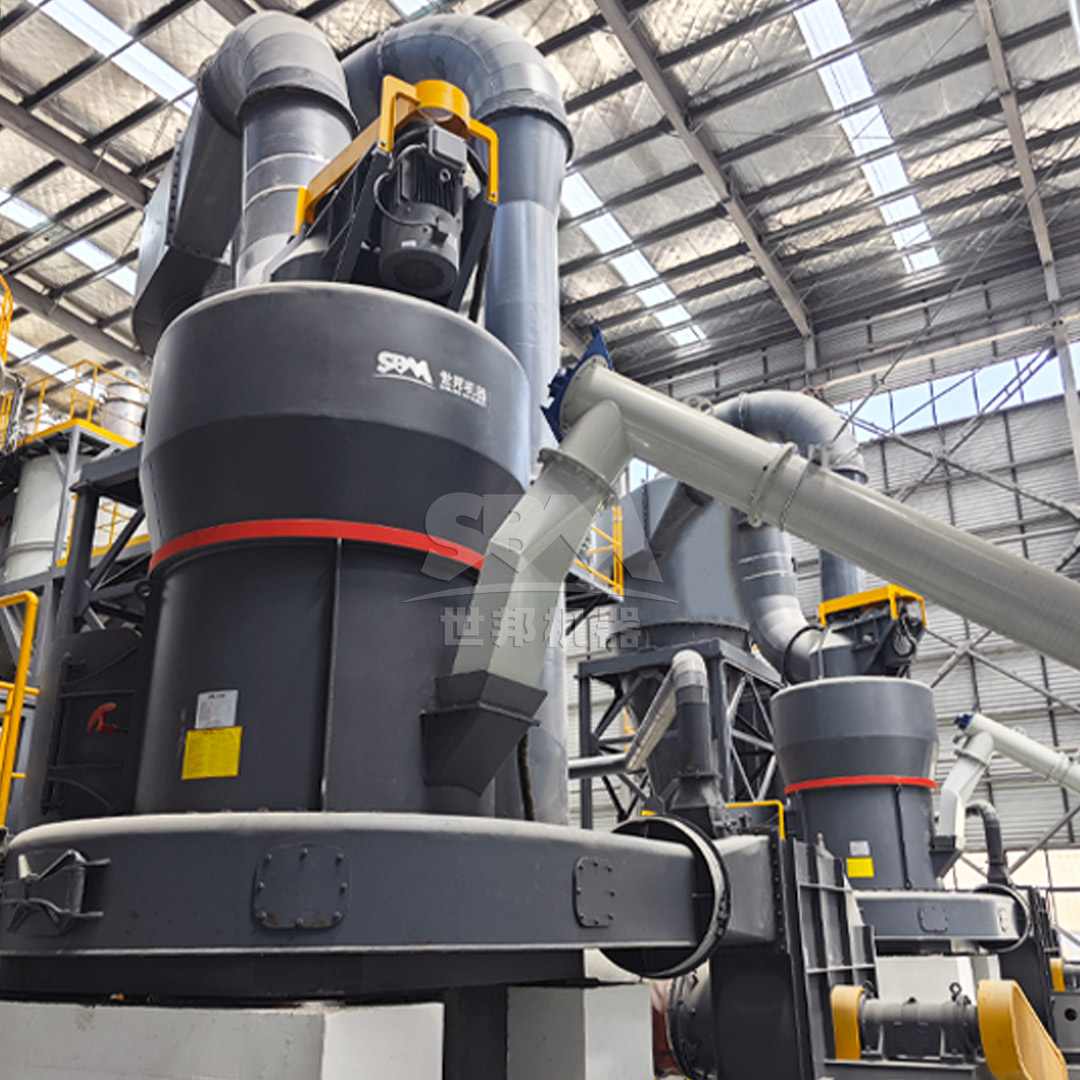
For operations requiring ultra-fine products, the SCM Ultrafine Mill offers a compelling solution. Its unique grinding principle with multiple grinding rings and a high-precision classifier achieves fineness up to 2500 mesh. The高效节能 design not only doubles the capacity of jet mills but does so with 30% lower energy consumption, addressing both productivity and sustainability goals simultaneously.
Technology and processes are ineffective without people. A successful CI program requires:
Implementing Continuous Improvement in grinding mill operations is a multifaceted endeavor that blends data-driven analysis, technological innovation, and human engagement. By establishing a clear PDCA framework, focusing on key levers like feed consistency, process control, classification, and maintenance, and fostering a supportive culture, operations can achieve sustained gains in efficiency, cost, and quality. Crucially, this journey is significantly accelerated by partnering with equipment designed for performance and reliability. Solutions like our SCM Ultrafine Mill and LM Series Vertical Roller Mill are not just machines; they are platforms for continuous improvement, built with intelligent controls, efficient designs, and durable components that enable operations to consistently reach and raise their performance benchmarks.