How to Implement Process Control Systems in a Grinding Plant for Improved Product Consistency and Accuracy

How to Implement Process Control Systems in a Grinding Plant for Improved Product Consistency and Accuracy

Introduction

In the modern mineral processing and powder production industries, achieving and maintaining consistent product quality is paramount. Variations in feed material characteristics, equipment wear, and operational parameters can significantly impact the final product’s particle size distribution (PSD), purity, and other critical specifications. A robust Process Control System (PCS) is no longer a luxury but a necessity for grinding plants aiming to optimize efficiency, reduce waste, and ensure product accuracy. This article outlines a comprehensive strategy for implementing effective process control systems in grinding operations, highlighting key technologies and equipment choices that form the foundation of a stable and precise production line.

1. The Pillars of Modern Grinding Process Control

Effective control in a grinding plant rests on four interconnected pillars: Measurement, Analysis, Command, and Execution (MACE).

1.1. Measurement: The Foundation of Feedback

You cannot control what you cannot measure. Implementing real-time, inline measurement sensors is the first critical step.
  • Particle Size Analyzers: Laser diffraction or dynamic image analysis systems installed post-classifier provide continuous PSD data (D10, D50, D97). This is the primary feedback signal for product quality.
  • Feed Rate Monitors: Belt scales or loss-in-weight feeders ensure a consistent mass flow of raw material into the mill, stabilizing the primary input variable.
  • Power & Pressure Sensors: Monitoring main motor amperage, classifier motor power, and system pressure differentials offers insights into mill load, grinding efficiency, and airflow conditions.
  • Temperature & Humidity Sensors: Crucial for dry grinding processes, as moisture can affect grindability, flow, and classifier efficiency.

\"Schematic

1.2. Analysis & Command: The Brain of the Operation

Data from sensors is fed into a Programmable Logic Controller (PLC) or Distributed Control System (DCS). Here, advanced control strategies are employed:

  • PID (Proportional-Integral-Derivative) Loops: For basic regulation of single variables like feed rate based on motor load.
  • Model Predictive Control (MPC): A more sophisticated approach that uses a dynamic model of the grinding process to predict future behavior and optimize multiple setpoints (feed rate, classifier speed, fan speed) simultaneously to maintain target PSD despite disturbances.
  • Fuzzy Logic & Expert Systems: Useful for incorporating operational heuristics and handling non-linear process behavior.
1.3. Execution: Precision Actuation

The control system’s commands are executed by reliable actuators:

  • Variable Frequency Drives (VFDs) on feeder motors for precise feed rate control.
  • VFDs on classifier motors to adjust rotational speed, directly influencing the cut point and fineness.
  • Dampers or VFDs on system fans to control airflow volume and velocity.
2. Integrating Control with High-Precision Grinding Equipment

The effectiveness of a PCS is heavily dependent on the inherent stability and controllability of the grinding equipment itself. Modern mills designed with precision, efficiency, and automation in mind are ideal partners for advanced control systems.

2.1. The Role of Advanced Milling Technology

For ultra-fine grinding applications where consistency in the micron and sub-micron range is critical, the choice of mill is paramount. Equipment with precise internal classification, stable grinding mechanics, and efficient operation provides a much more controllable process.

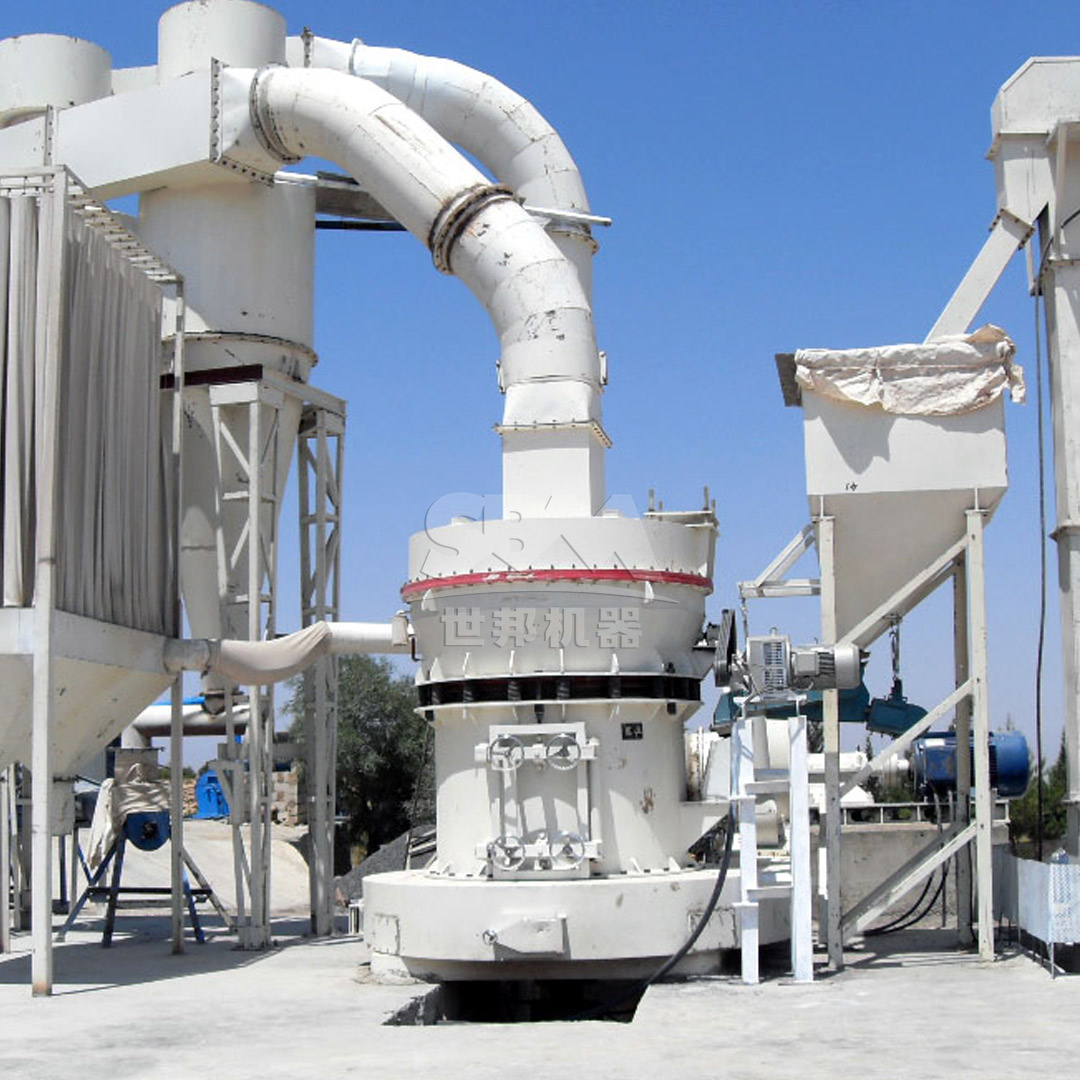
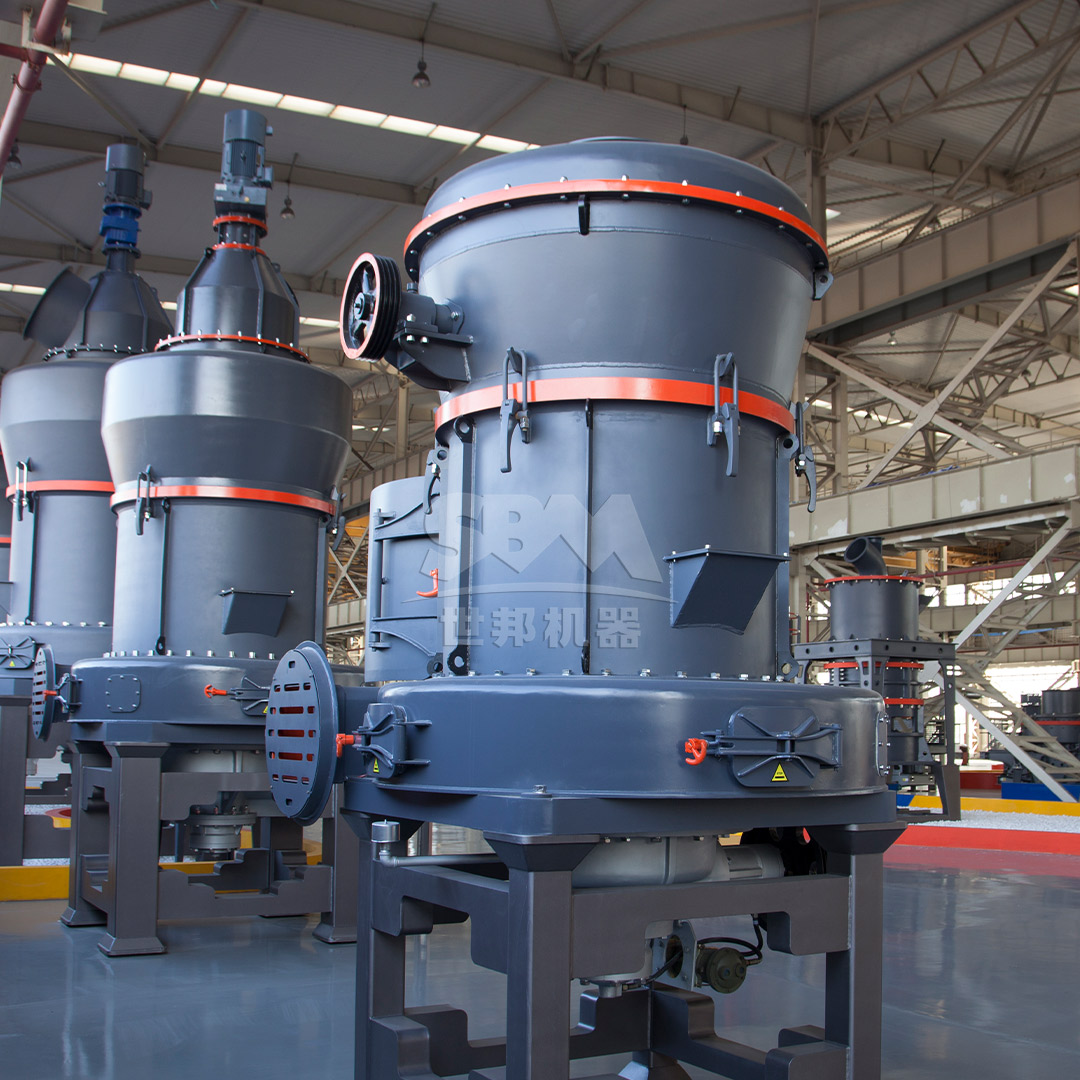
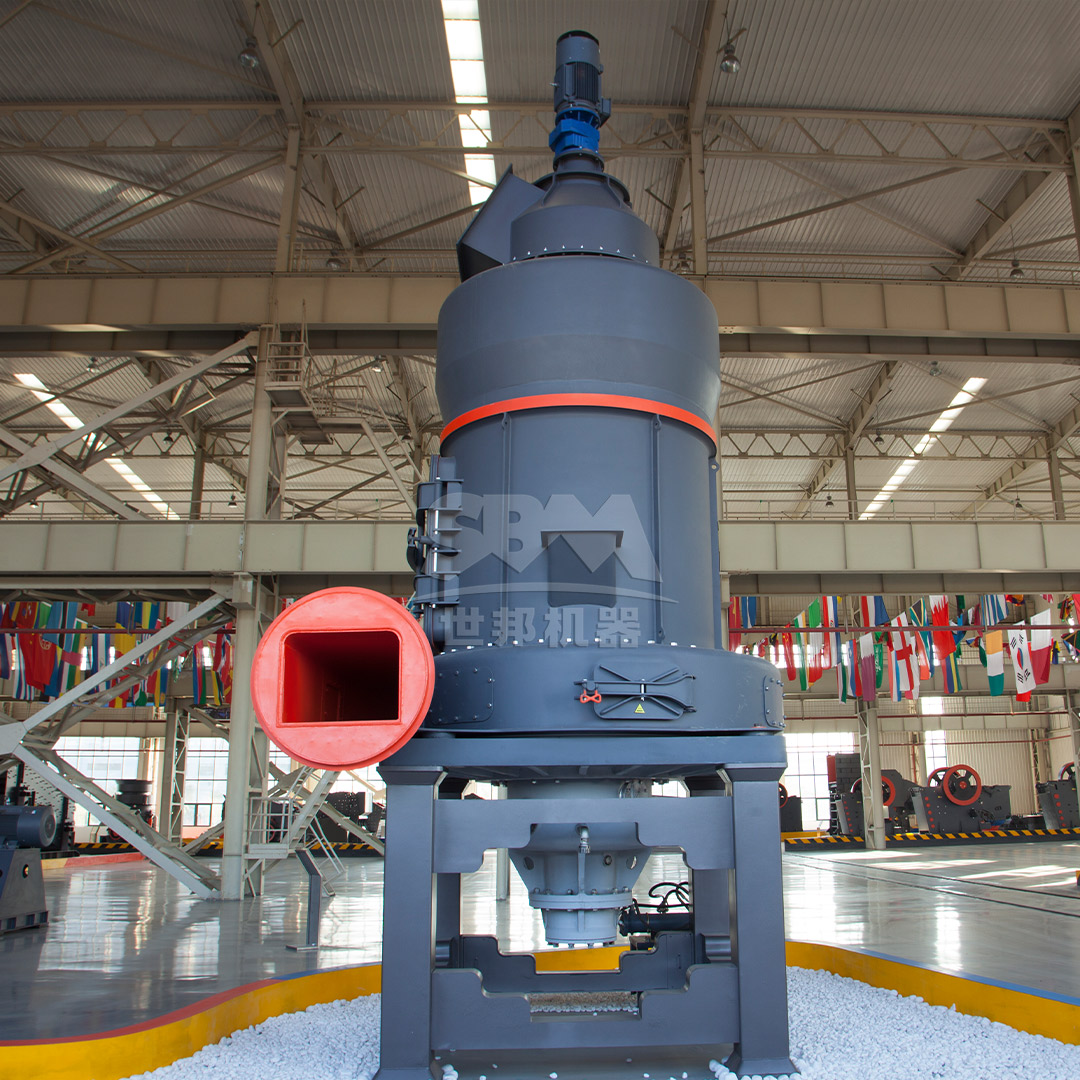
For instance, our SCM Ultrafine Mill is engineered specifically for high-consistency production in the 325-2500 mesh (D97 ≤5μm) range. Its technological advantages directly support enhanced process control:
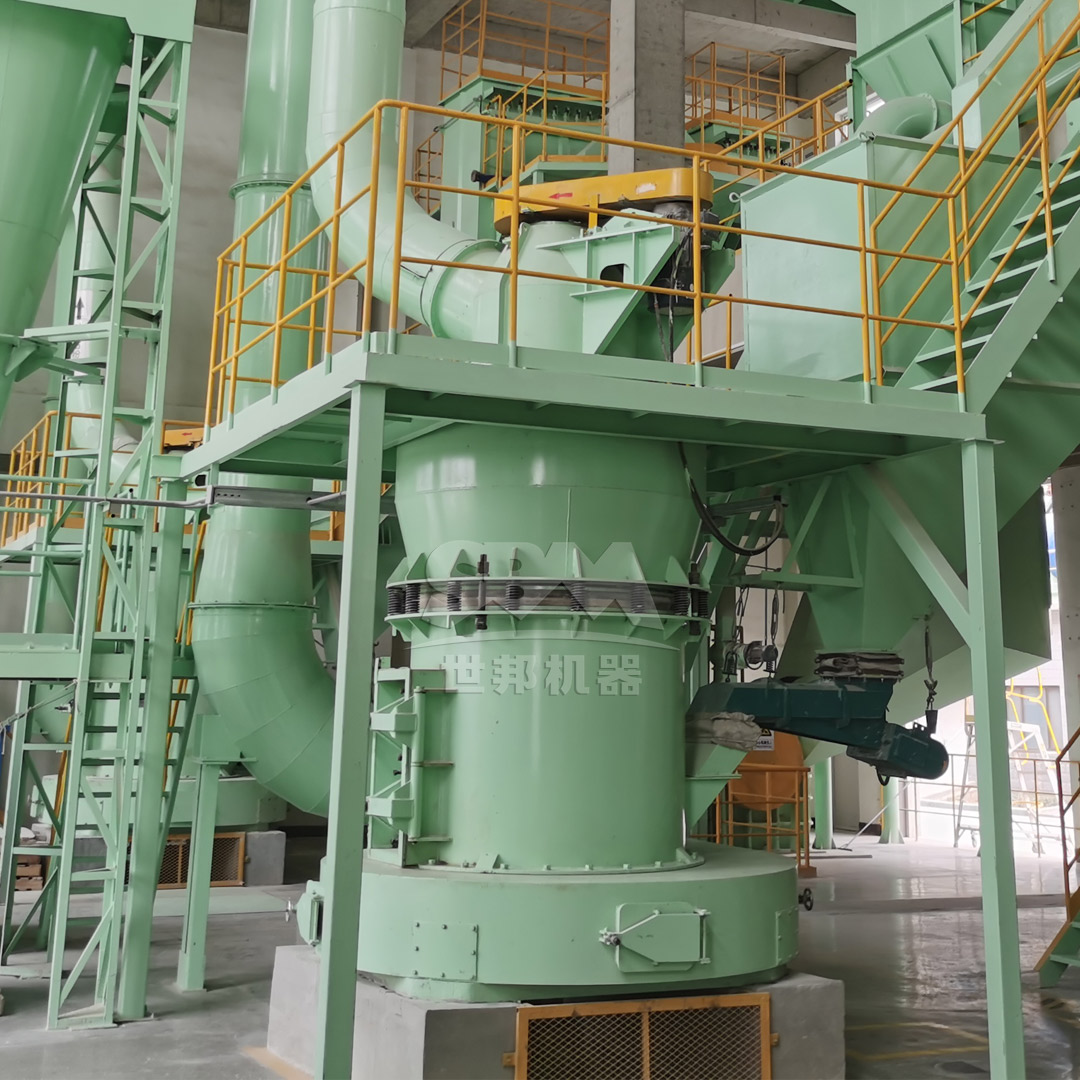
  • High-Precision Classification: The vertical turbine classifier enables sharp particle size cuts. This creates a clear separation between product and oversize, giving the control system a cleaner variable (classifier speed) to manipulate for fineness control, with minimal risk of coarse particle contamination.
  • Stable Grinding Mechanism: The multi-layer grinding roller and ring design, coupled with a bearingless screw grinding chamber, ensures stable mechanical operation with less vibration and wear-induced drift. This reduces unmeasured disturbances, making the process easier to model and control.
  • Efficiency & Responsiveness: With capacity twice that of jet mills and 30% lower energy consumption, the system operates in an efficient regime. The intelligent control compatibility allows for automatic feedback on product fineness, enabling closed-loop control strategies.

\"Cross-sectional

Integrating such a mill with an online particle size analyzer and a MPC system allows for real-time adjustment of the classifier speed to compensate for changes in feed hardness or moisture, holding the D97 value within a tight tolerance band automatically.

2.2. System-Wide Integration for Coarse to Medium Grinding

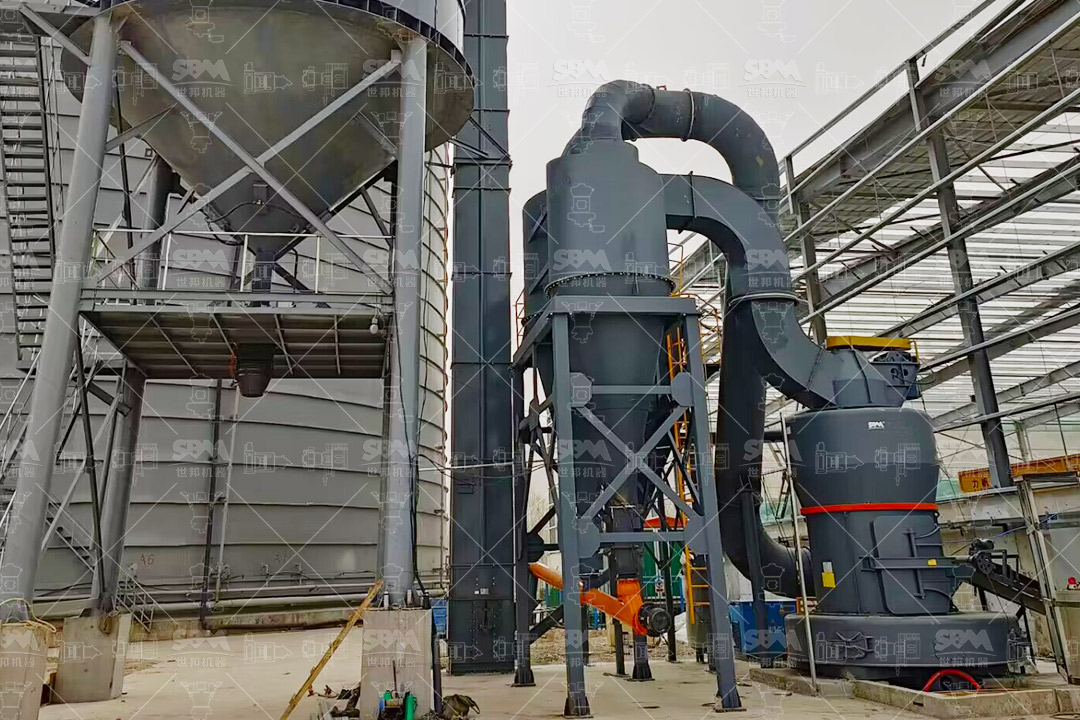
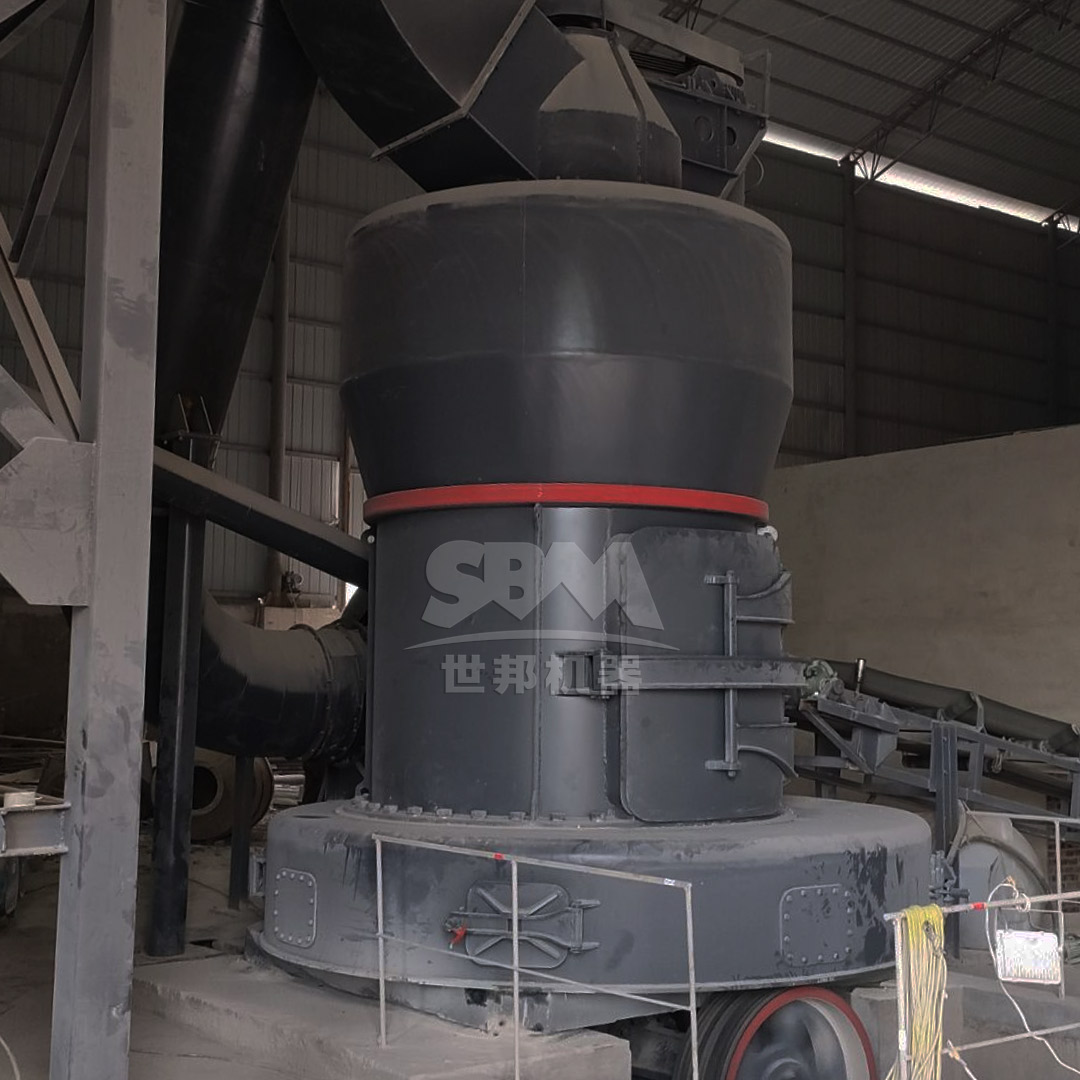
For higher capacity grinding in the 30-325 mesh range, system robustness and integration are key. Our LM Series Vertical Roller Mill exemplifies a platform designed for automated, large-scale production.

  • Integrated Design: Combining crushing, grinding, drying, and separation in one unit reduces the number of sub-processes to control, simplifying the overall control architecture and minimizing transfer points where variability can be introduced.
  • Inherent Stability & Low Wear: The non-contact design of rollers and disc and the use of wear-resistant materials extend component life, ensuring that the grinding dynamics change slowly over time. This stability is crucial for long-term control loop performance.
  • Expert-Level Automatic Control: The mill is designed to work with an expert control system that can manage start-up, shutdown, and full operation with minimal intervention. It supports remote monitoring and control, feeding all critical parameters (pressure, temperature, power) directly into the plant’s DCS for holistic optimization.
3. Implementing a Step-by-Step Control Strategy

Moving from manual operation to automated process control requires a structured approach.

Phase Key Activities Objectives
1. Assessment & Benchmarking Audit current process stability, identify key quality variables, and measure baseline performance (e.g., standard deviation of D97). Define control objectives and quantify potential benefits.
2. Sensor & Actuator Upgrade Install critical inline sensors (PSD, feed rate). Retrofit key equipment with VFDs and ensure control valves are functioning. Establish reliable measurement and actuation capabilities.
3. Basic Regulatory Control Implement single-loop PID controls (e.g., constant feed rate, constant mill motor load). Stabilize the process and reduce basic variability.
4. Advanced Process Control (APC) Develop a process model and deploy MPC to coordinate multiple variables against the primary quality target (PSD). Achieve optimal, consistent quality despite disturbances; move towards true closed-loop quality control.
5. Continuous Improvement & Integration Integrate mill data with plant ERP/MES, use data analytics for predictive maintenance and further optimization. Maximize overall equipment effectiveness (OEE) and enable data-driven decision-making.
4. Benefits and Return on Investment

A well-implemented PCS delivers tangible returns:
  • Enhanced Product Consistency: Tighter PSD distributions reduce batch-to-batch variation, improving downstream process performance and customer satisfaction.
  • Increased Yield & Reduced Rejects: Minimizing off-spec material directly boosts yield and reduces waste disposal costs.
  • Optimized Energy Consumption: APC can find the most energy-efficient operating point to achieve the target fineness, significantly reducing power costs, especially in energy-intensive grinding.
  • Lower Operational Costs: Reduced manual intervention, better utilization of raw materials, and extended equipment life through stable operation.
  • Improved Safety & Documentation: Automated systems reduce operator exposure to hazardous areas and provide comprehensive data logs for quality traceability.

\"Operator

Conclusion

Implementing a sophisticated Process Control System in a grinding plant is a strategic investment that directly translates to improved product accuracy, operational efficiency, and competitiveness. The journey begins with selecting grinding equipment engineered for stability and precision, such as the SCM Ultrafine Mill for ultra-fine applications or the LM Series Vertical Roller Mill for integrated, large-scale processing. By systematically layering measurement, basic control, and advanced model-based strategies, plants can transform their grinding operations from a reactive, variable process into a predictable, optimized, and consistently high-quality production asset. The result is not just better powder, but a stronger, more resilient, and more profitable operation.