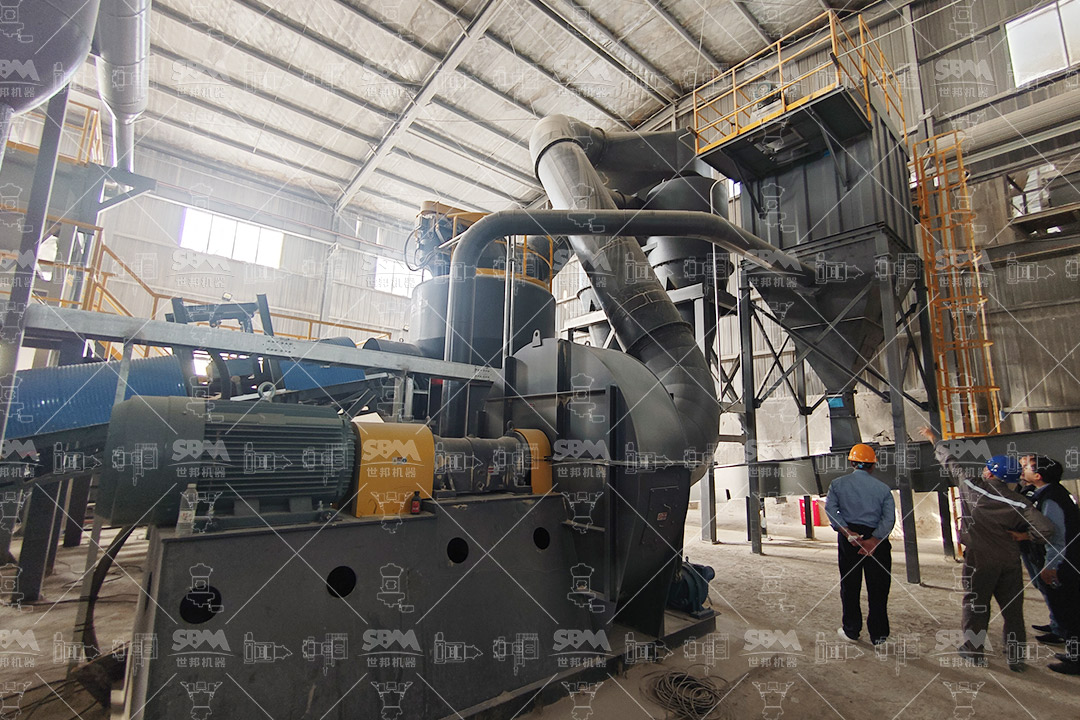
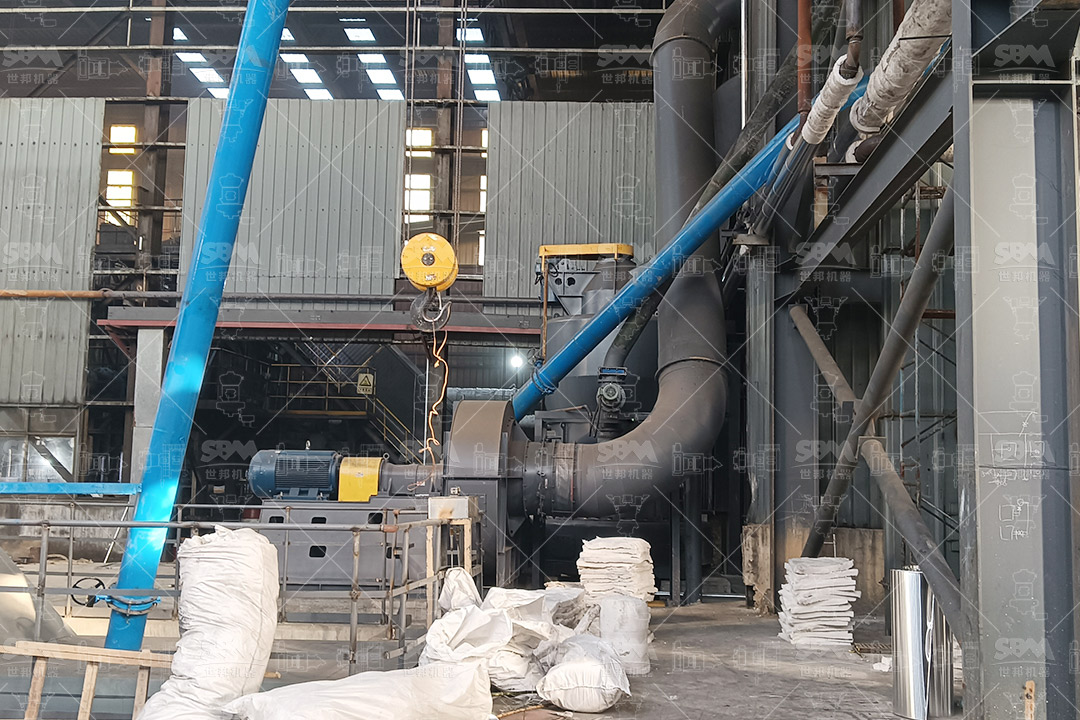
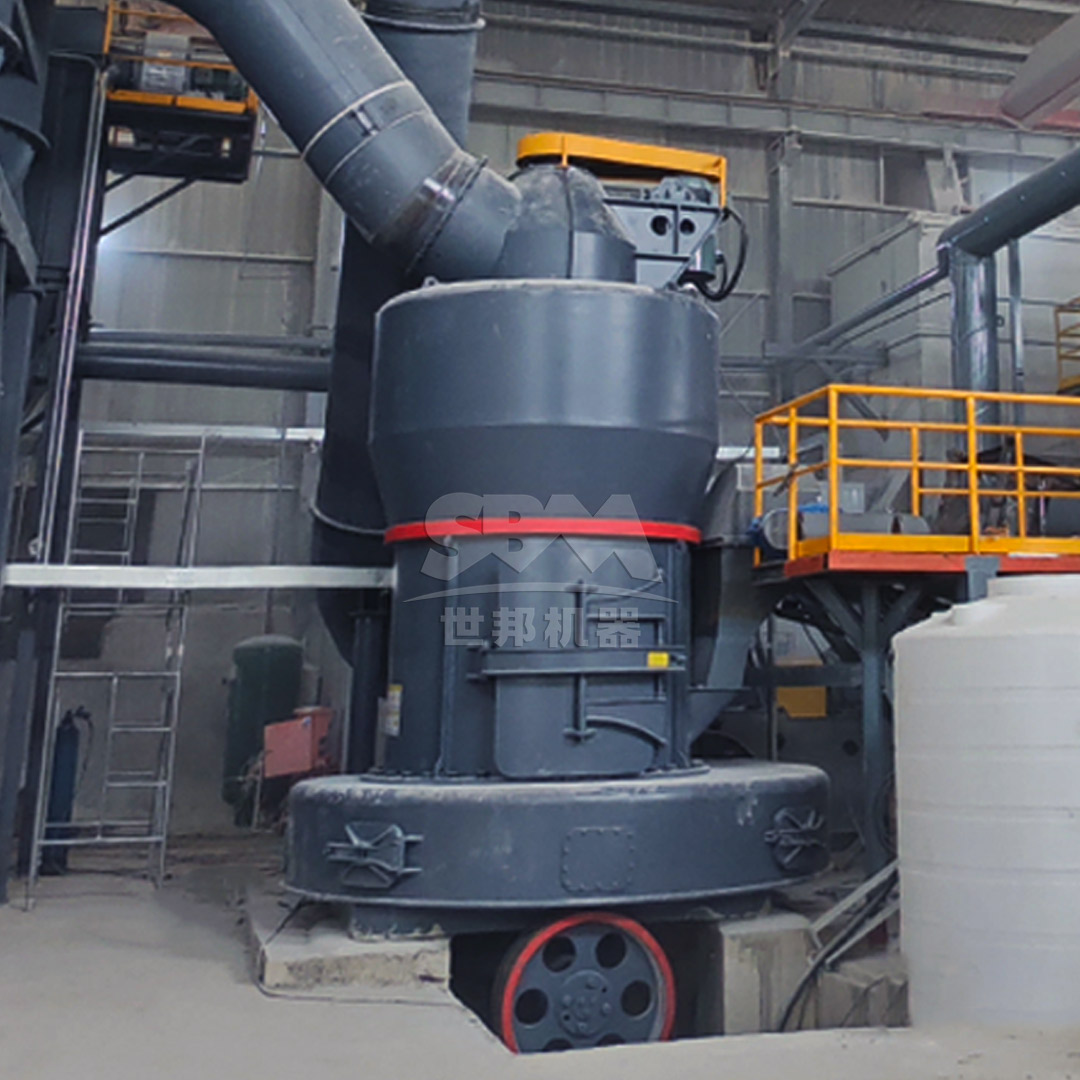
Calcite, a naturally occurring form of calcium carbonate (CaCO3), serves as a crucial raw material in the glass manufacturing industry. Its primary function is to act as a fluxing agent, reducing the melting temperature of silica and other components in the glass batch. However, the quality and clarity of the final glass product are profoundly influenced by the particle size, purity, and uniformity of the calcite powder used. Traditional grinding methods often result in inconsistent particle size distribution, contamination, and inadequate fineness, which can lead to defects such as bubbles, streaks, and reduced transparency in the finished glass. This article explores how advanced grinding mill technology, specifically our SCM Ultrafine Mill and MTW Series Trapezium Mill, can overcome these challenges to produce high-purity, ultra-fine calcite powder that significantly enhances glass clarity.
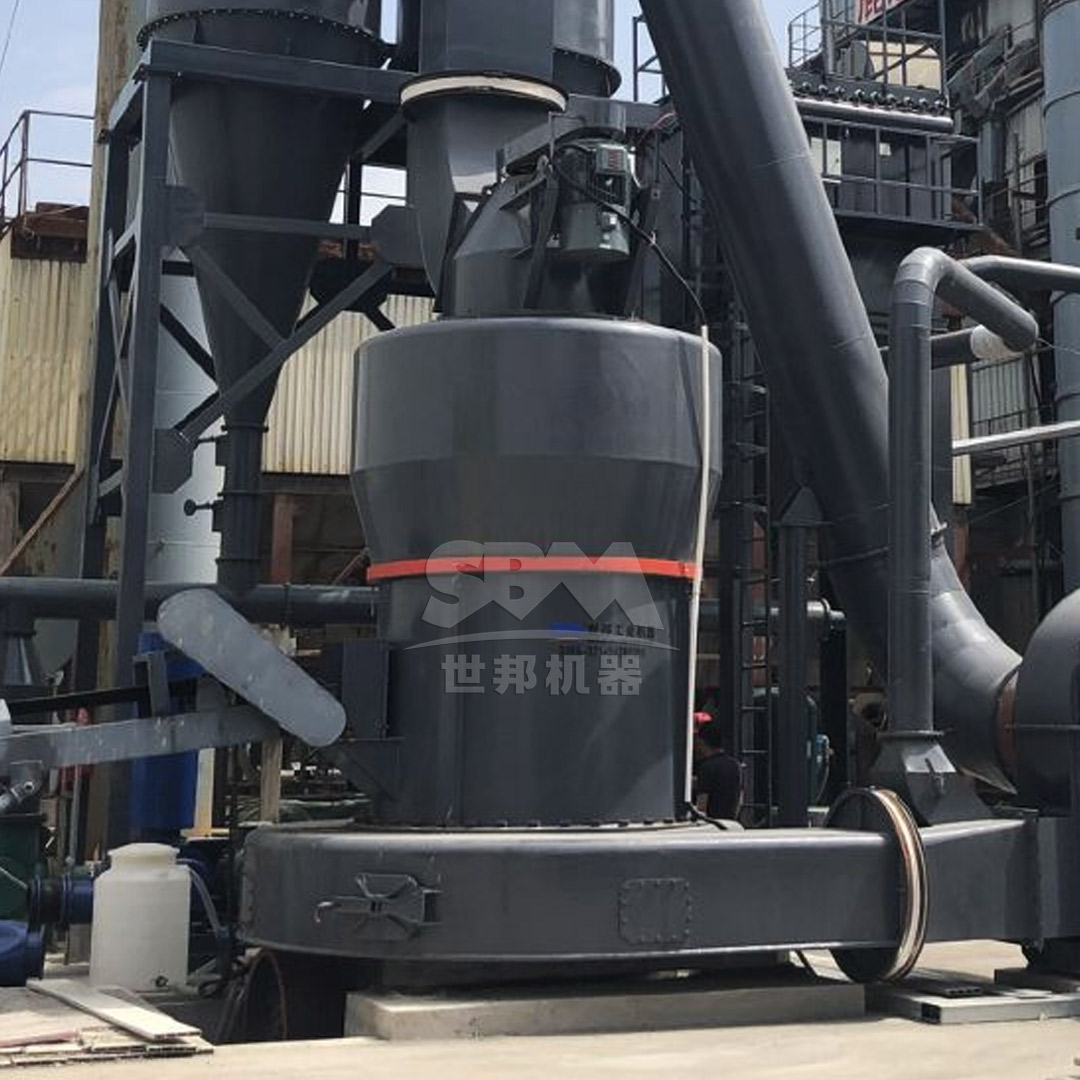
In glass production, the particle size of raw materials directly affects the melting behavior and homogeneity of the glass melt. Coarse or irregularly shaped calcite particles melt at different rates than the surrounding silica, creating localized variations in composition that manifest as visual defects in the final product. Ultra-fine calcite powder with a narrow particle size distribution ensures uniform melting and complete dissolution within the glass matrix. Our SCM Ultrafine Mill achieves exceptional fineness levels of 325-2500 mesh (D97≤5μm), producing calcite particles so fine that they integrate seamlessly into the glass structure without leaving residual imperfections. The vertical turbine classifier in this mill provides precise particle size control, eliminating coarse powder contamination that could otherwise create nucleation sites for crystallization or cause light scattering in transparent glass applications.
Advanced grinding technology offers multiple benefits for calcite processing in glass manufacturing:
| Technical Feature | Benefit for Glass Production | Implementation in Our Mills |
|---|---|---|
| High-Precision Classification | Eliminates coarse particles that cause defects | Vertical turbine classifier in SCM Ultrafine Mill |
| Uniform Particle Distribution | Ensures consistent melting behavior | Multi-layer grinding principle in MTW Series |
| Low Iron Contamination | Prevents discoloration in clear glass | Special wear-resistant materials in grinding chamber |
| Energy Efficiency | Reduces production costs while maintaining quality | 30% lower energy consumption compared to jet mills |
Our SCM Ultrafine Mill exemplifies these advantages with its unique combination of efficiency and precision. With capacity twice that of jet mills and 30% lower energy consumption, this technology represents a significant advancement in calcite processing for high-clarity glass applications. The intelligent control system automatically monitors and adjusts product fineness, ensuring consistent powder quality batch after batch. The special material rollers and grinding rings extend service life by several times, while the pulse dust collection system exceeds international standards for operational cleanliness.
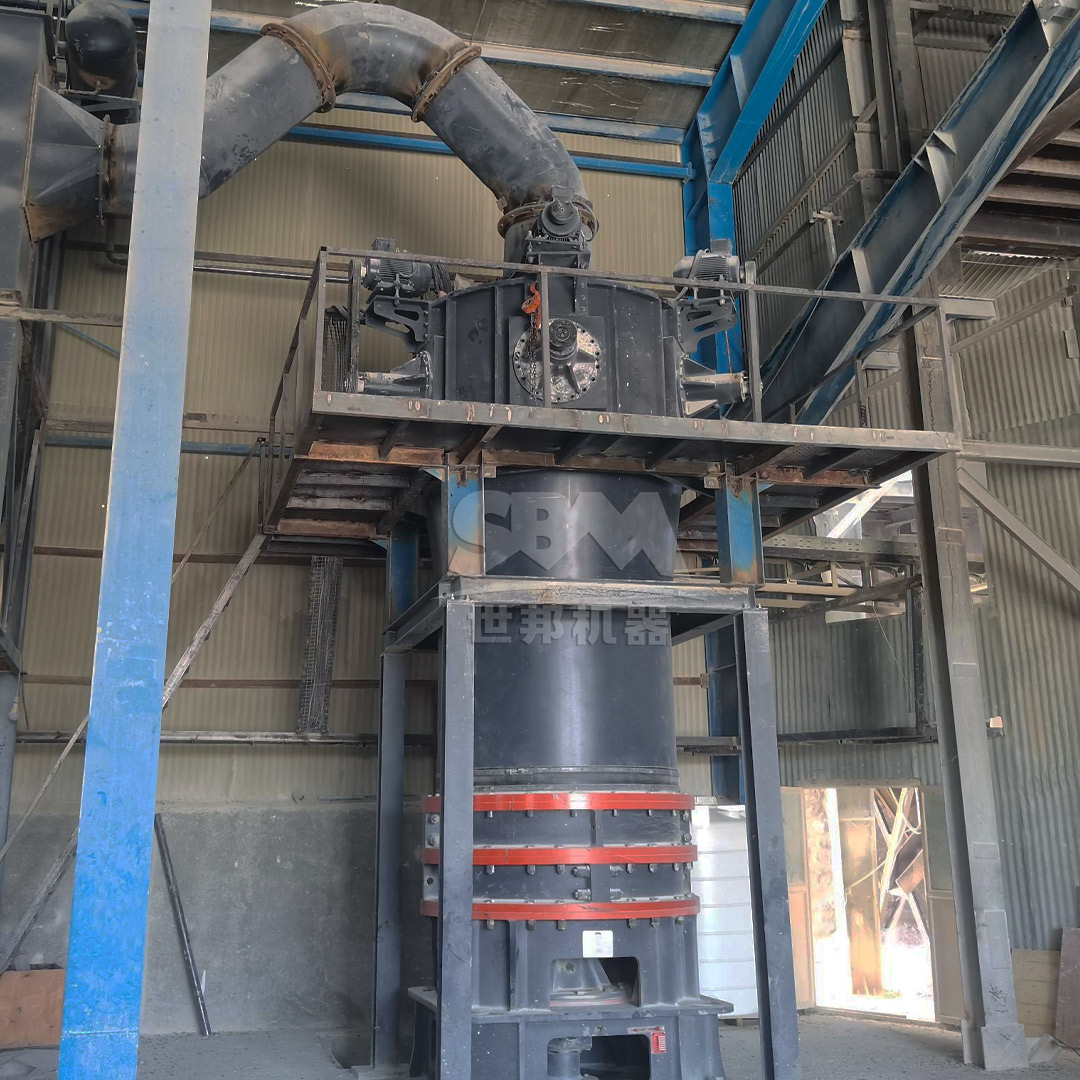
For manufacturers seeking the highest levels of glass clarity, our SCM Ultrafine Mill provides an unparalleled solution. This mill specializes in producing calcite powder with fineness ranging from 325 to 2500 mesh (D97≤5μm), making it ideal for optical glass, display glass, and other applications requiring exceptional transparency. The working principle involves a main motor driving multiple layers of grinding rings to rotate, with material dispersed into the grinding path by centrifugal force. After being crushed by roller pressure, the material undergoes progressive grinding through multiple layers before final collection by the cyclone collector and pulse dust removal system.
The SCM series offers multiple models to match production requirements:
Each model maintains the same exceptional output fineness while scaling to different production volumes, ensuring that glass manufacturers can select the perfect solution for their specific capacity needs.
For larger-scale glass manufacturing operations, our MTW Series Trapezium Mill offers an excellent balance of capacity and precision. With processing capabilities ranging from 3-45 tons per hour depending on the model, this mill can serve the needs of major glass production facilities while maintaining consistent particle quality. The MTW Series achieves output fineness from 30-325 mesh (down to 0.038mm), making it suitable for a wide range of glass products from container glass to flat glass.
Key technological advantages of the MTW Series include its anti-wear shovel blade design with combined shovel pieces that reduce maintenance costs, curved air channel optimization that minimizes air flow energy loss and improves transmission efficiency, and integral bevel gear transmission with 98% efficiency that saves space and reduces installation costs. The wear-resistant volute structure features non-clogging design to enhance air separation efficiency while reducing maintenance costs by 30%.
The working principle involves the main motor driving the grinding roller to revolve around the central axis while rotating itself to generate centrifugal force. The shovel blade throws material between the grinding ring and roller to form a material layer, achieving efficient crushing through extrusion, with the classification system precisely controlling final product particle size.
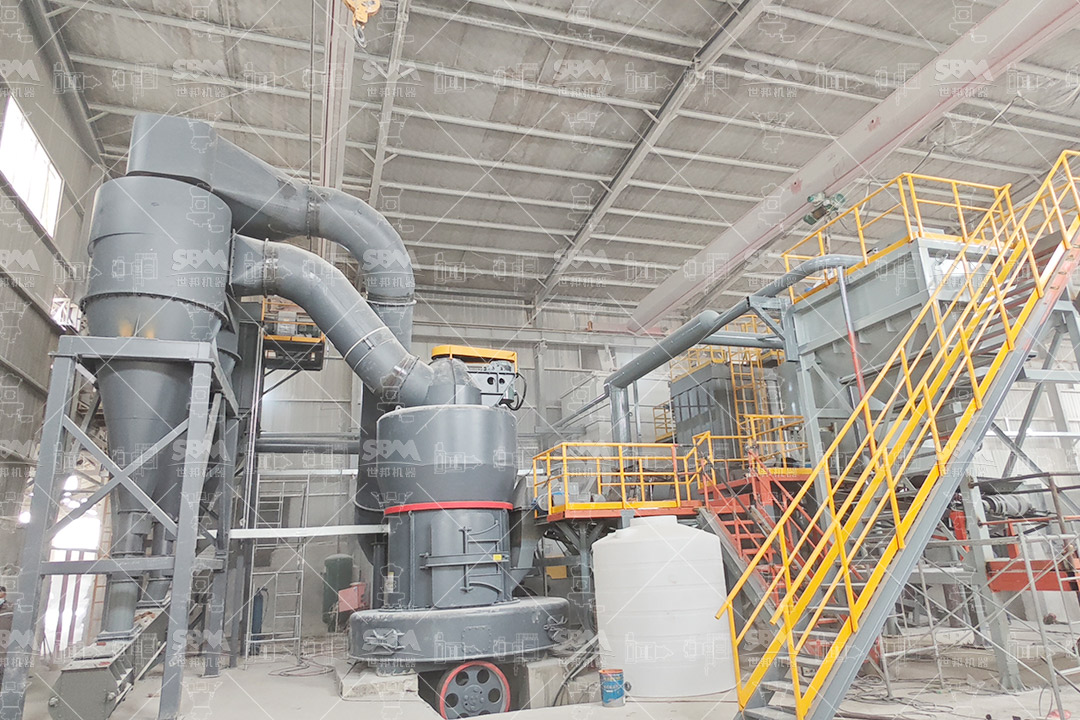
A major glass manufacturer was experiencing inconsistent clarity in their premium glass products, with microscopic imperfections affecting product quality and yield. After implementing our SCM Ultrafine Mill for their calcite processing, they achieved remarkable improvements:
| Parameter | Before Implementation | After Implementation | Improvement |
|---|---|---|---|
| Particle Size Consistency | D97: 15-25μm | D97: 3-5μm | 80% finer and more uniform |
| Glass Defect Rate | 12.5% | 3.2% | 74% reduction |
| Energy Consumption | 85 kWh/ton | 59 kWh/ton | 31% reduction |
| Production Yield | 78% | 92% | 18% increase |
The ultra-fine, uniformly sized calcite powder produced by the SCM Ultrafine Mill resulted in more homogeneous melting characteristics, eliminating the localized composition variations that previously caused visual defects. The manufacturer reported significantly improved light transmission properties in their premium glass products, enabling them to command higher prices in competitive markets.
Beyond quality improvements, modern calcite grinding technology offers significant environmental and operational advantages. Our SCM Ultrafine Mill features pulse dust collection efficiency that exceeds international standards and soundproof room design that maintains noise levels below 75dB. The MTW Series incorporates international advanced pulse dust removal technology and optimized air flow paths that minimize energy consumption while maximizing collection efficiency.
Both mills operate with full sealing and negative pressure operation to prevent dust leakage, ensuring a clean working environment that meets stringent industrial hygiene standards. The intelligent control systems reduce operator intervention while maintaining consistent product quality, and the durable construction materials extend maintenance intervals, reducing downtime and operational costs.
The pursuit of perfect glass clarity begins with the quality of raw materials, and calcite grinding technology plays a pivotal role in determining final product excellence. By implementing advanced grinding solutions like our SCM Ultrafine Mill and MTW Series Trapezium Mill, glass manufacturers can achieve unprecedented levels of transparency and visual perfection in their products. These technologies deliver not only superior particle size control but also operational efficiency, environmental compliance, and cost-effectiveness that provide a compelling return on investment.
As glass applications continue to evolve toward higher performance requirements in sectors such as electronics, automotive, and architecture, the demand for precisely controlled calcite powder will only increase. Investing in the right grinding technology today positions glass manufacturers to meet these future challenges while delivering products of exceptional quality and clarity.