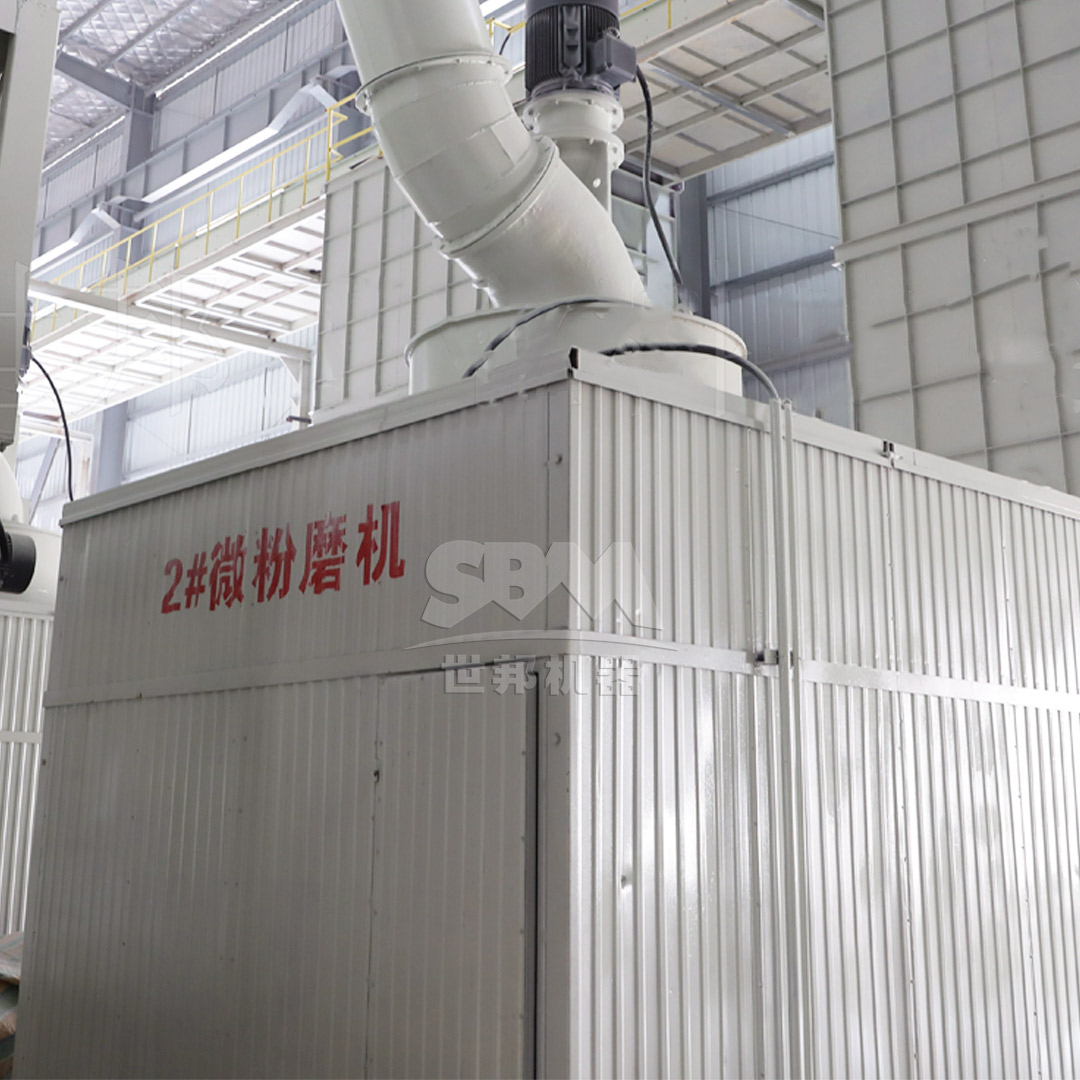
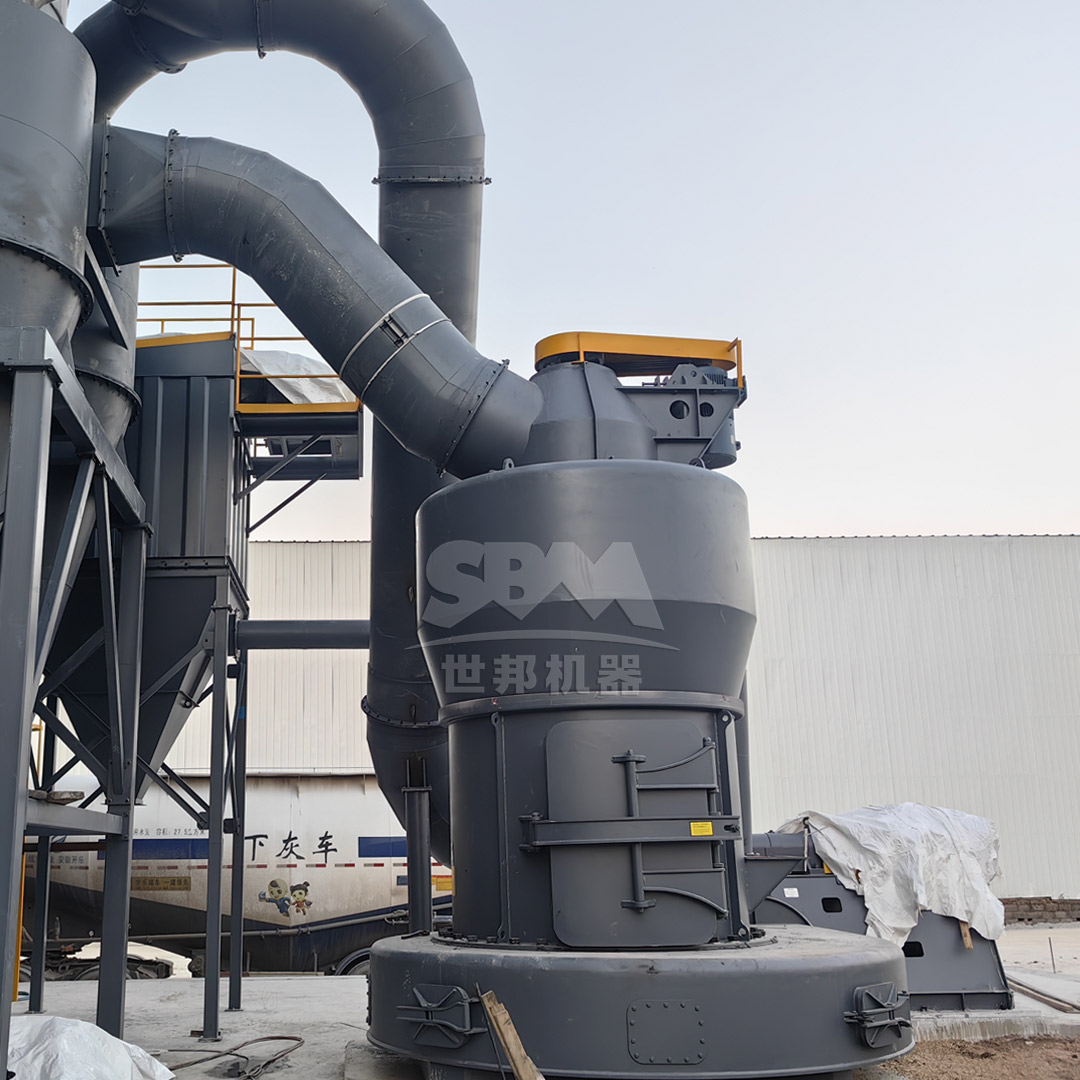
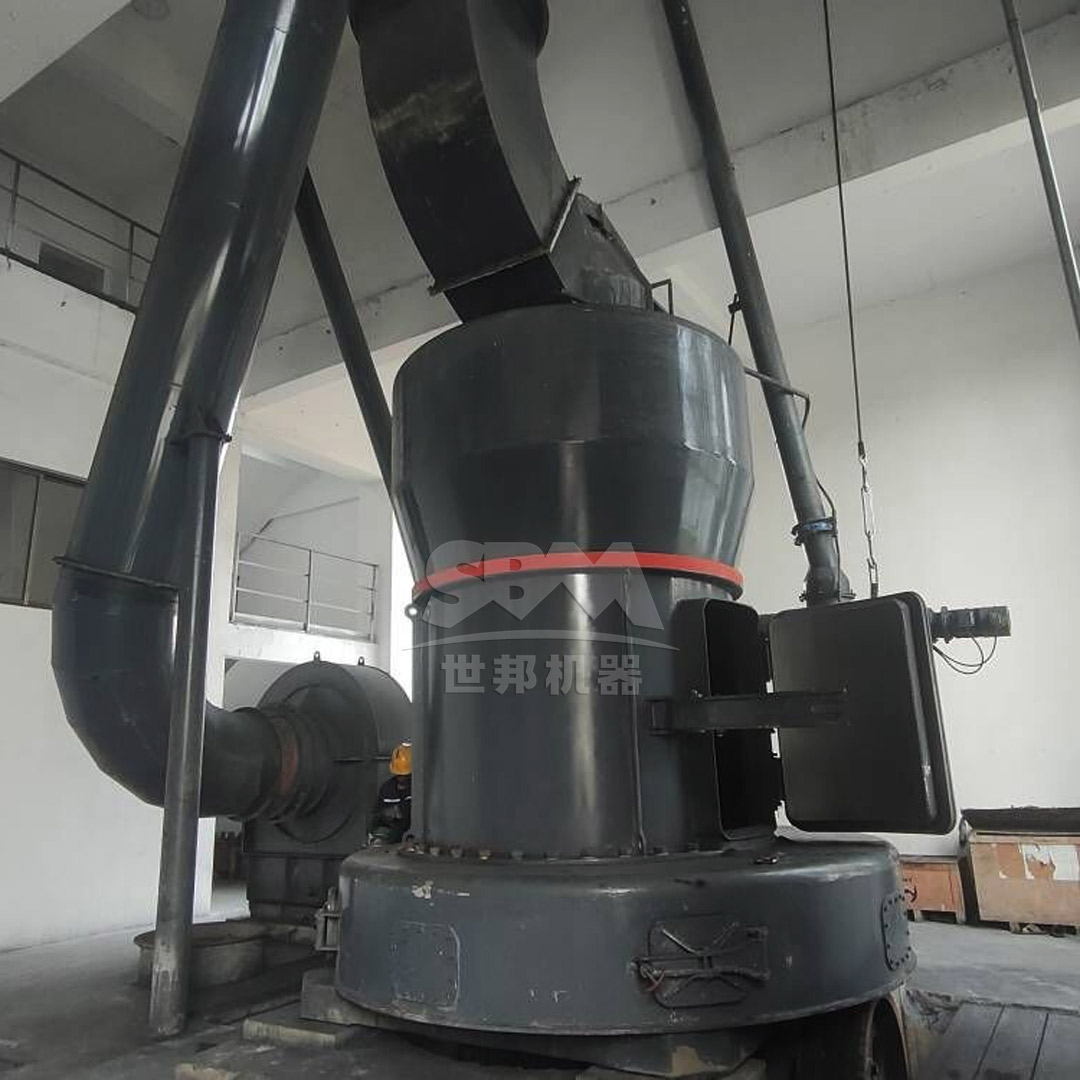
In the modern mineral processing and powder production industry, grinding mills are the cornerstone of efficiency and profitability. While significant investments are made in acquiring advanced milling technology, the human element—the operator—remains a critical, yet often under-optimized, component. The efficiency, longevity, and safety of a grinding operation are profoundly influenced by the skill and knowledge of its operators. This article explores the multifaceted approach to enhancing grinding mill efficiency through comprehensive operator training programs, highlighting key operational principles, best practices, and the pivotal role of selecting the right equipment, such as our SCM Ultrafine Mill and MTW Series Trapezium Mill.
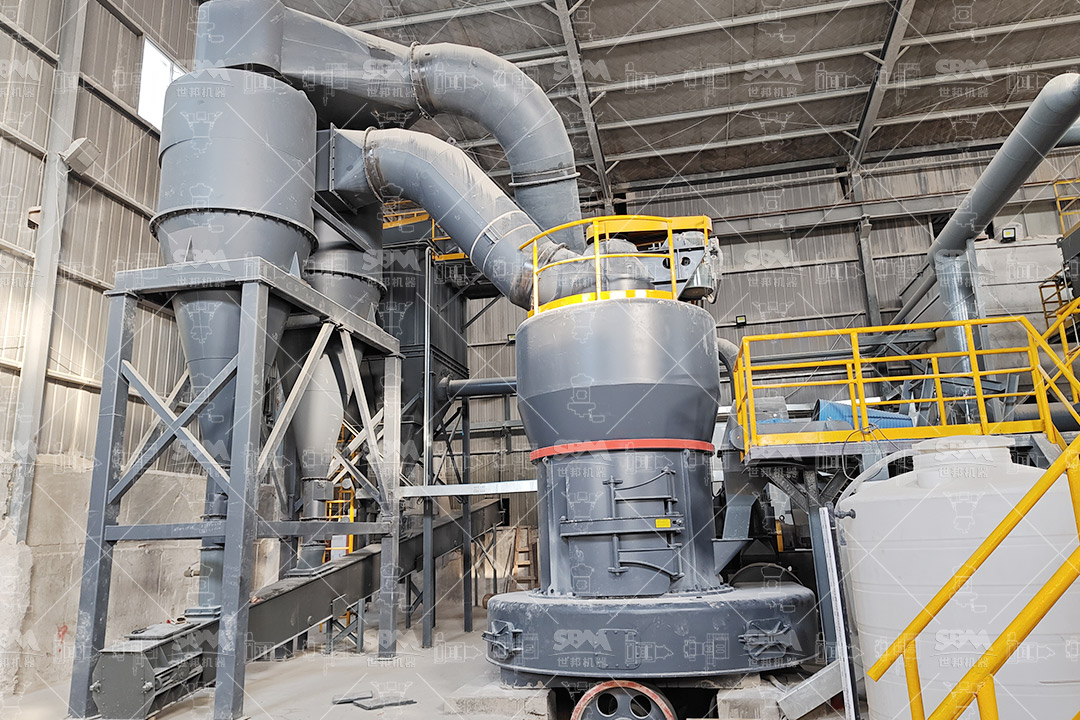
An untrained or poorly trained operator can lead to a cascade of inefficiencies: inconsistent product fineness, excessive energy consumption, accelerated wear of critical components, unplanned downtime, and even safety incidents. Conversely, a well-trained operator acts as a process optimizer, capable of fine-tuning the mill to its peak performance, anticipating maintenance needs, and adapting to variations in feed material.
A holistic training program should move beyond simple button-pushing instructions. It must build a deep conceptual understanding of the grinding process.
Operators must grasp the basic principles of comminution (crushing and grinding), classification, and material handling. Topics should include:
This is where knowledge of the specific mill model becomes crucial. Training must cover the unique design, working principle, and control philosophy of the installed equipment. For instance, operating a high-precision ultrafine mill differs significantly from running a high-capacity raw material grinder.
As an example, consider our SCM Ultrafine Mill. A trained operator for this system needs to understand its vertical turbine classifier for precise particle size cuts and the importance of maintaining the smart control system that provides automatic feedback on成品粒度. Knowing that its special-material rollers and grinding rings offer extended life, the operator can adjust parameters to avoid unnecessary shock loads. Understanding that it achieves twice the output of jet mills with 30% less energy sets a clear performance benchmark.
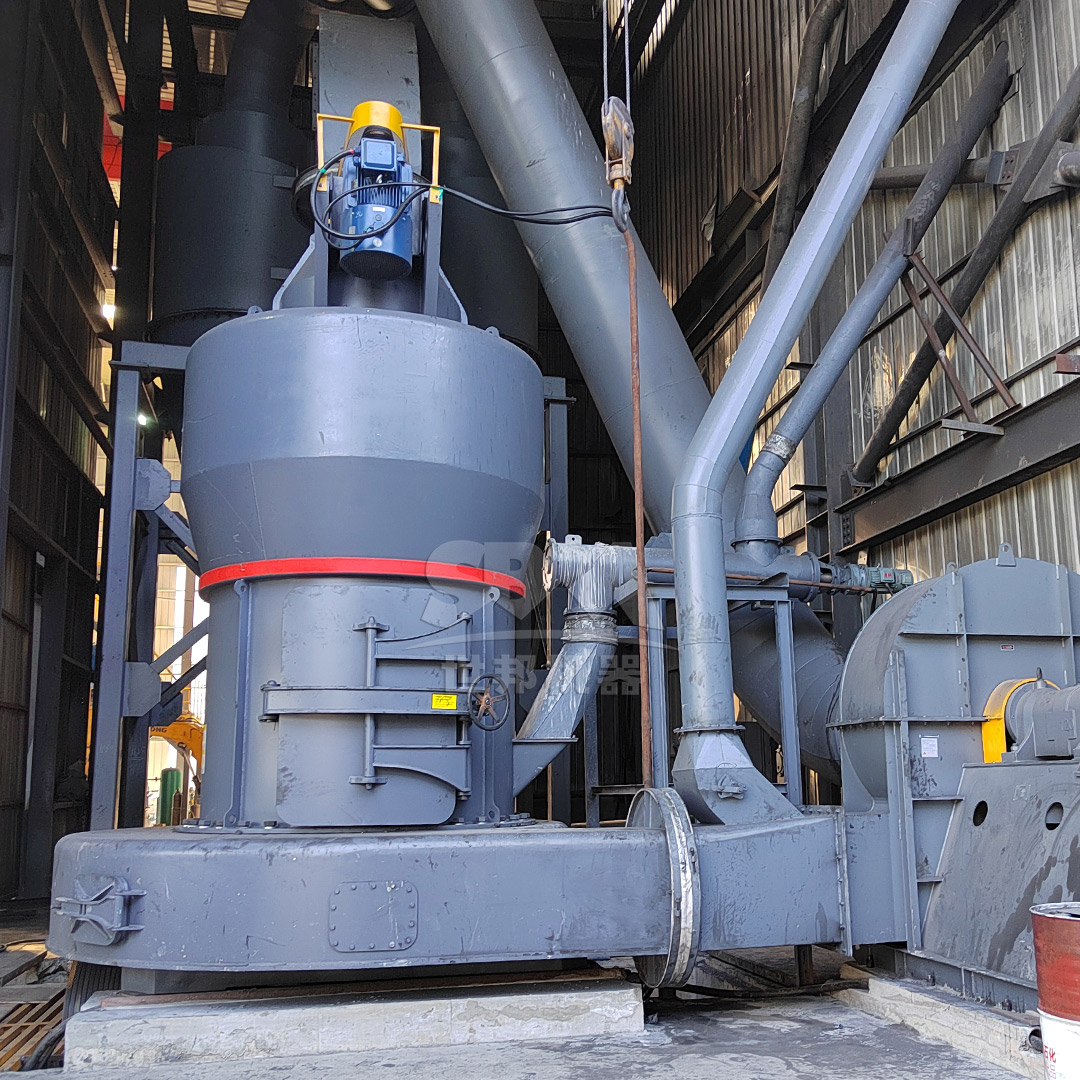
Similarly, for larger-scale processing, our MTW Series Trapezium Mill presents different operational nuances. Training would emphasize the benefits of its curved air duct for reduced resistance and higher transmission efficiency, and the conical gear integral transmission system with 98% efficiency. Operators learn how the wear-resistant volute structure and combined shovel blade design lower long-term maintenance costs by up to 30%.
| Training Module | Key Focus Areas | Impact on Efficiency |
|---|---|---|
| Mill Startup & Shutdown Sequences | Proper purging, gradual loading, controlled cooling. | Prevents thermal stress, material buildup, and motor overload. |
| In-Process Monitoring & Adjustment | Interpreting amperage, pressure, temperature, and noise levels. | Enables real-time optimization for feed rate, fineness, and energy use. |
| Predictive Maintenance Basics | Vibration analysis, lubrication checks, wear inspection protocols. | Reduces unplanned downtime and extends major component life. |
| Emergency Response & Safety | Lock-out/Tag-out (LOTO), fire hazards, dust explosion risks. | Ensures personnel safety and protects capital equipment. |
Theoretical knowledge must be cemented with practice. Advanced programs use:
Modern mills with intelligent control systems offer both a challenge and an opportunity for training. Operators must be trained not to merely rely on automation but to understand the logic behind it. For example, the expert system in our LM Series Vertical Roller Mill can automatically adjust parameters for optimal grinding. Training should cover how to interpret its recommendations, when to override them based on sensory feedback (sound, vibration), and how to perform manual operations during maintenance or system faults. Understanding the non-contact design of its rollers and table that triples wear part life helps operators appreciate the operational parameters that protect this feature.
A calcium carbonate plant operating an SCM1000 Ultrafine Mill implemented a structured 6-week training program. The curriculum included the mill’s three-layer grinding ring principle and the operation of its pulse dust collection system. Post-training results over one year showed:
This case demonstrates that the investment in training allowed the plant to fully realize the engineered efficiency gains built into the equipment.
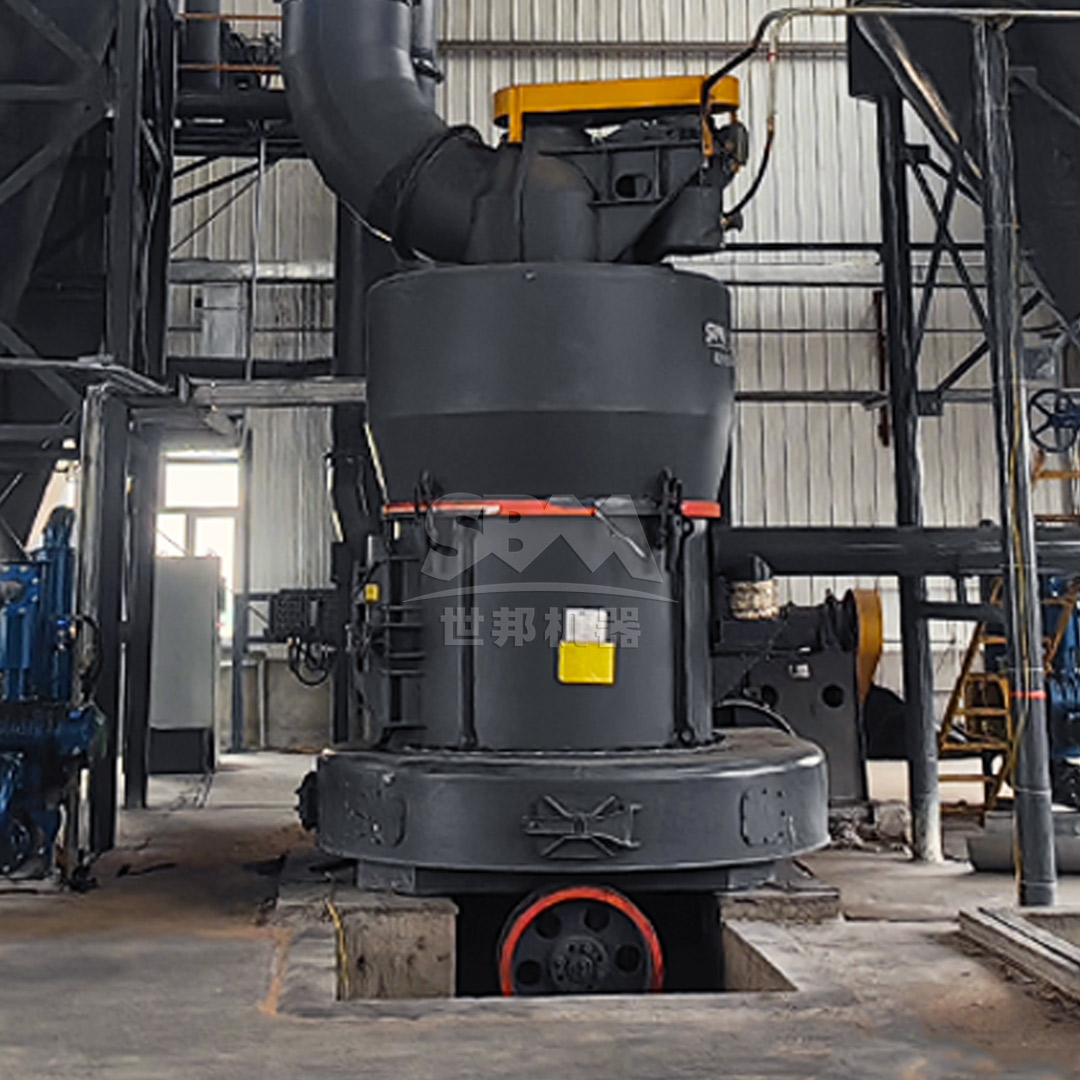
Enhancing grinding mill efficiency is not a one-time project but a continuous journey. It begins with selecting high-efficiency, reliable equipment like our SCM or MTW series mills, designed with features that reward skilled operation. The cornerstone, however, is the establishment of a robust, ongoing operator training program. Such a program transforms operators from passive equipment monitors into active process engineers, capable of extracting maximum value from the grinding circuit. In an industry where margins are often defined by incremental gains, the knowledge and vigilance of a well-trained operator remain among the most powerful and sustainable competitive advantages.