December 01, 2025
How to Increase Gypsum Pulverizer Output: Key Adjustments for Higher Yield
Gypsum, a vital material in construction, agriculture, and industrial applications, requires efficient and precise pulverization to meet quality and production demands. Maximizing the output of a gypsum pulverizer is a multifaceted challenge that involves optimizing both the operational parameters of the equipment and the characteristics of the feed material. This article provides a comprehensive guide on key adjustments and strategies to significantly boost your gypsum grinding yield, ensuring higher productivity and cost-effectiveness.
1. Understanding the Gypsum Grinding Process
Before diving into adjustments, it’s crucial to understand the fundamental process. Gypsum pulverization typically involves crushing, drying (if necessary), grinding, and classification. The goal is to reduce raw gypsum rock (calcium sulfate dihydrate) or by-product gypsum to a specific fineness, often measured in mesh or microns, suitable for its end use, such as in plasterboard or cement production. The efficiency of this process is governed by the interaction between the grinding mechanism, material feed, airflow, and classification system.
2. Key Adjustments for Higher Pulverizer Yield
Increasing output is not merely about running the machine faster. It involves a balanced approach to optimize several interconnected parameters.
2.1. Feed Material Optimization
The characteristics of the incoming gypsum have a profound impact on throughput.
- Feed Size: Consistently providing material within the crusher’s optimal input range is paramount. Oversized lumps cause blockages, increase wear, and reduce effective grinding capacity. A pre-crushing stage using a reliable hammer mill to ensure a uniform feed size of ≤20mm can dramatically improve the main grinder’s efficiency.
- Moisture Content: High moisture leads to material agglomeration, clogging of the grinding chamber and classifier, and reduced airflow. For efficient dry grinding, gypsum moisture should ideally be below a certain threshold (e.g., <1%). Implementing or optimizing a pre-drying system, such as integrating a hot air generator with the mill, can handle higher moisture feed and prevent throughput losses.
- Feed Rate Consistency: Erratic feeding causes instability in the grinding bed, leading to poor grinding efficiency and potential equipment overload. Employing an automated, variable-speed feeder that responds to the mill’s motor load ensures a steady, optimal material flow.
| Material Factor |
Ideal Condition |
Impact of Deviation |
Corrective Action |
| Feed Size |
≤20mm (for fine grinding) |
Reduced capacity, increased wear |
Install pre-crusher (e.g., Hammer Mill) |
| Moisture Content |
<1% for dry grinding |
Clogging, poor classification |
Integrate hot air drying system |
| Feed Rate |
Steady, matched to mill power |
Unstable operation, low yield |
Use automated weigh feeder |
2.2. Grinding Mechanism Adjustments
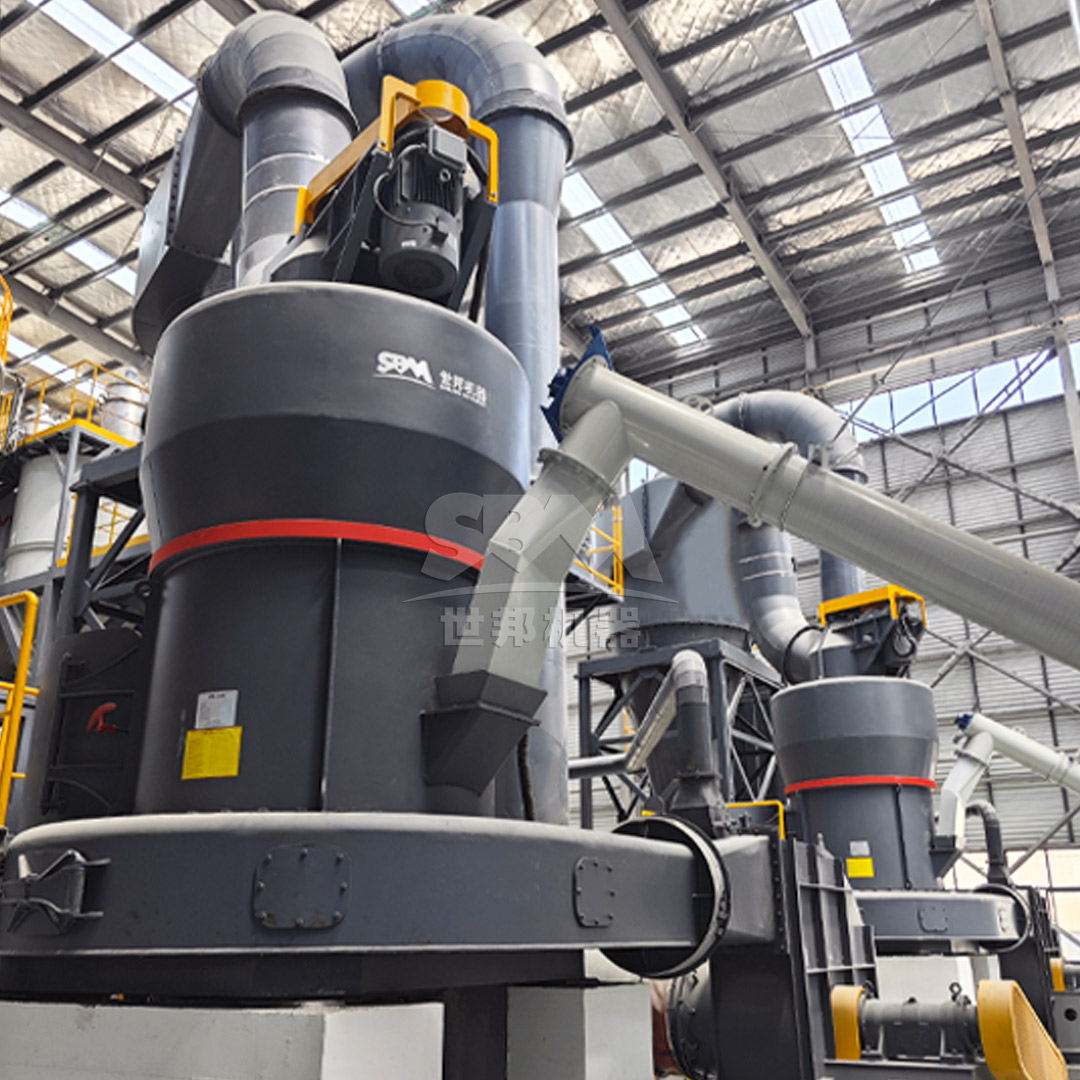
This is the heart of the pulverizer. Key adjustments depend on the mill type (roller, ball, vertical, etc.).
- Grinding Pressure/Roller Gap: In roller mills and vertical mills, adjusting the hydraulic pressure or spring tension on the grinding rollers directly affects the grinding force. Increasing pressure can boost throughput but also increases wear and energy consumption. The optimal setting balances output with acceptable wear rates and product fineness.
- Rotational Speed: The speed of the grinding table (in vertical mills) or the classifier rotor influences the centrifugal force and residence time of particles. A higher table speed can increase throughput for coarser products, while a finer product may require adjustments to both grinding and classifier speed.
- Wear Parts Management: Worn rollers, grinding rings, or balls significantly reduce grinding efficiency. Implementing a predictive maintenance schedule to monitor wear and replace parts before they critically impact performance is essential for sustained high yield.
2.3. Airflow and Classification Optimization
The air system does more than just collect powder; it controls the grinding environment and final product size.
- Air Volume and Velocity: The induced draft fan creates the airflow that transports ground particles to the classifier. Insufficient airflow causes material to recirculate excessively within the mill, over-grinding and reducing capacity. Excessive airflow can carry coarse particles into the product. Adjusting the fan damper or inverter speed to maintain optimal internal mill pressure is critical.
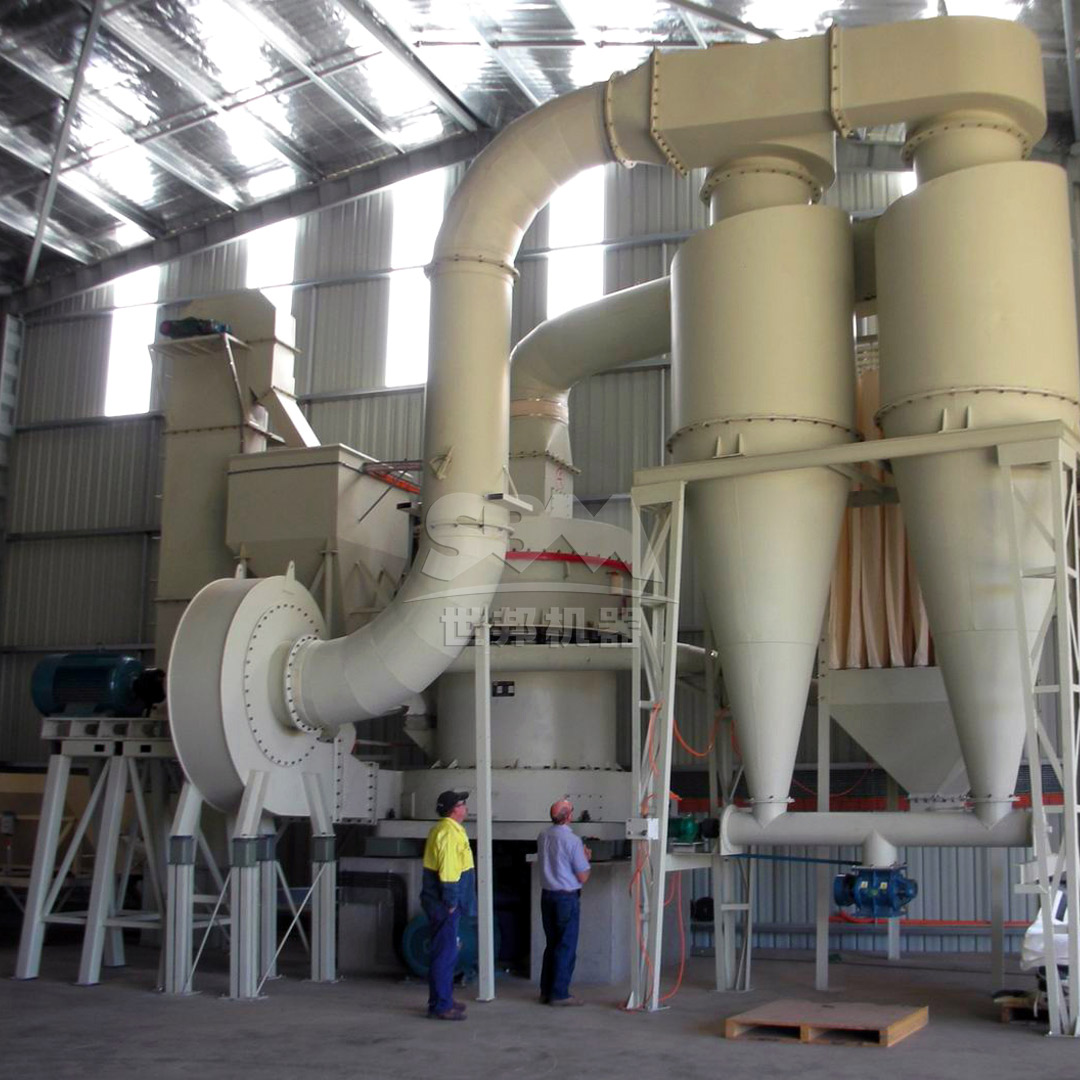
- Classifier Speed: This is one of the most effective controls for product fineness and yield. The classifier separates fine (product) from coarse (return) particles. For a given target fineness, increasing the classifier rotor speed allows only finer particles to pass, potentially reducing throughput. To increase yield while maintaining a slightly coarser product, the classifier speed can be carefully reduced. Modern mills feature variable frequency drives (VFDs) for precise control.
2.4. System Integration and Automation
Modern pulverizers are complex systems where manual control limits optimization.
- Expert Control Systems: Implementing a PLC-based control system that monitors key parameters (main motor current, mill differential pressure, outlet temperature, classifier speed) and automatically adjusts the feed rate, fan speed, and classifier can stabilize operation at the peak of its efficiency curve, maximizing continuous output.
- Energy Management: High yield should not come at the cost of excessive energy use per ton. Monitoring specific energy consumption (kWh/ton) helps find the true optimum operating point where output is high and energy efficiency is also favorable.
3. Equipment Selection: The Foundation of High Yield
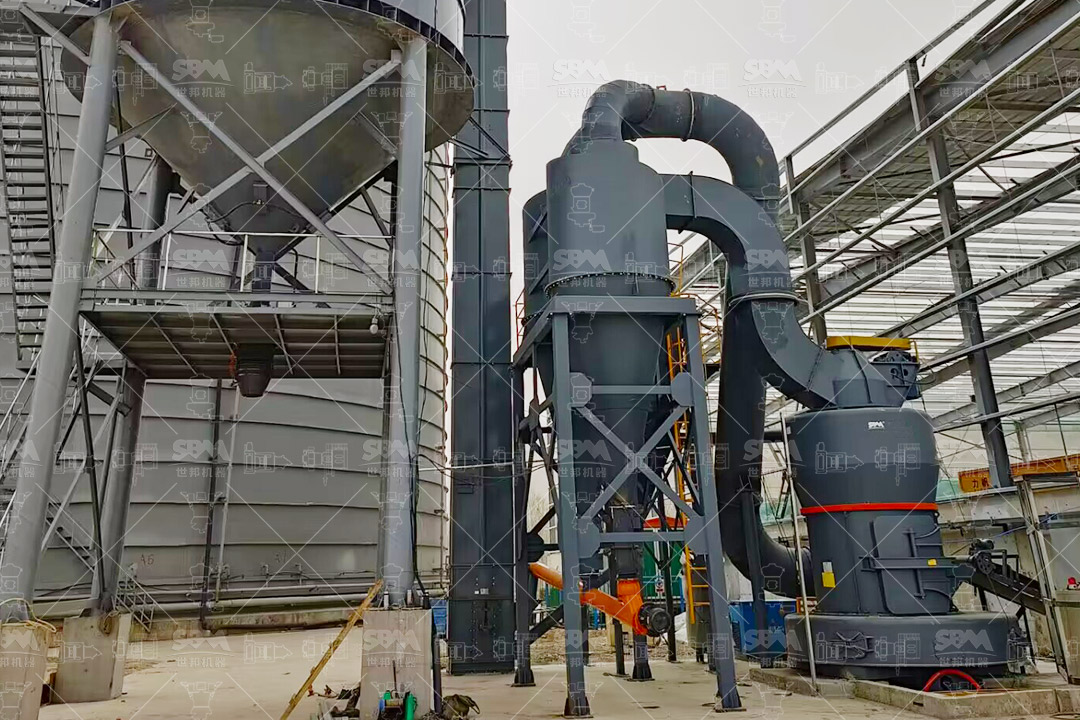
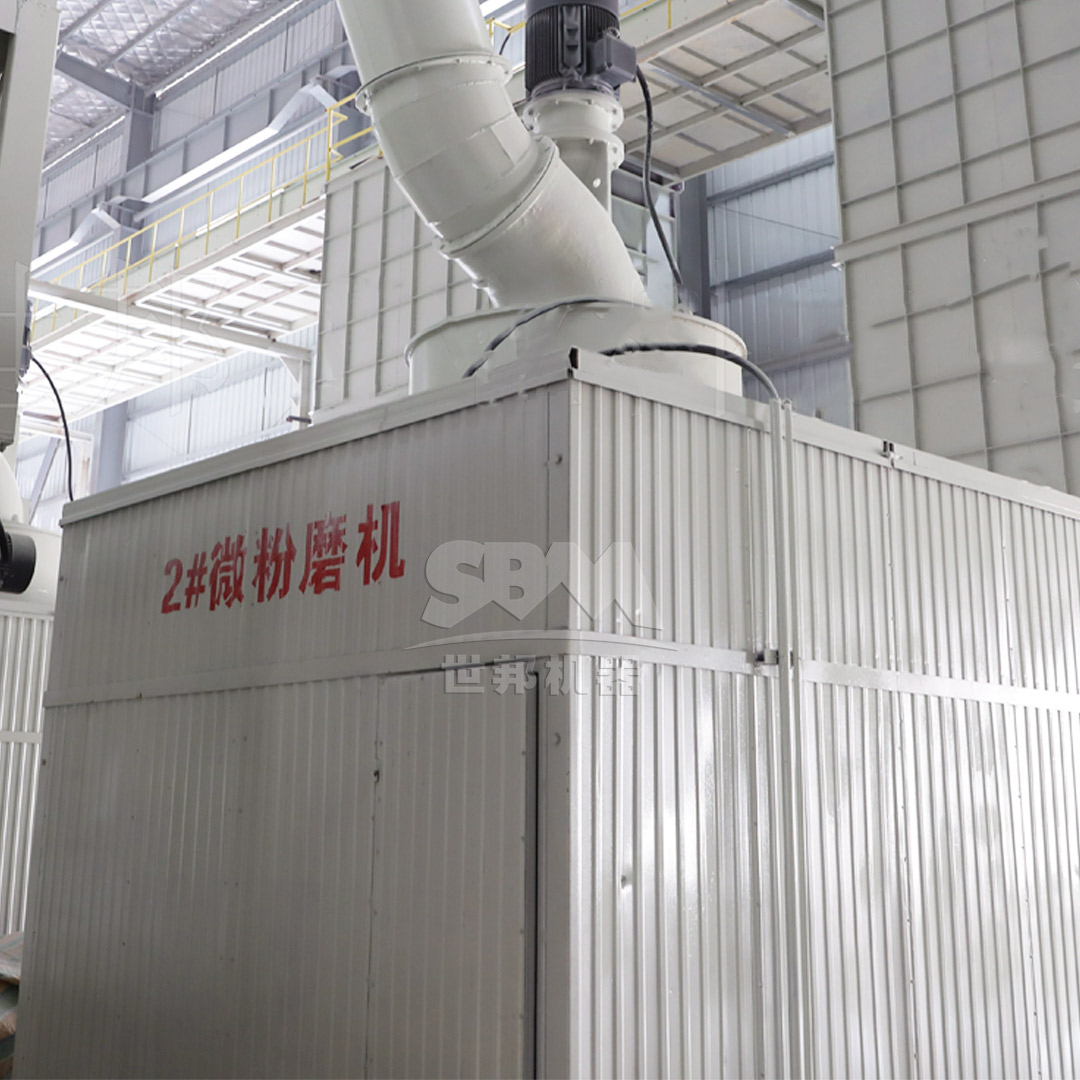
While operational adjustments are vital, the inherent design and capability of the pulverizer set the ultimate ceiling for potential output. Selecting a mill engineered for high efficiency, precision, and durability is the first and most critical step. For gypsum processing, especially when aiming for high output of fine and ultra-fine powders, our SCM Ultrafine Mill and MTW Series Trapezium Mill are exemplary solutions.
3.1. For Ultra-Fine High-Capacity Grinding: SCM Ultrafine Mill
When your target is high yield in the superfine range (325-2500 mesh), the SCM Ultrafine Mill is the ideal choice. Its design directly addresses key throughput limitations:
- High Efficiency & Energy Saving: With a capacity twice that of jet mills and energy consumption reduced by 30%, it delivers more tons per hour per kilowatt. Its intelligent control system automatically adjusts for consistent product fineness, preventing off-spec production that wastes capacity.
- High-Precision Classification: The vertical turbine classifier ensures precise cut-point control, preventing coarse particles from contaminating the product. This means the mill can run at higher throughputs without sacrificing product quality, as the classification stage is highly efficient.
- Robust Throughput Design: The wear-resistant grinding rollers and rings maintain their profile longer, sustaining optimal grinding efficiency and high output over extended periods. The large-capacity models, like the SCM1680 with a 315kW motor and a handling capacity of 5.0-25 tons/hour, are built for large-scale, high-yield production lines.
By integrating an SCM mill, you establish a platform where the operational adjustments discussed above can yield their maximum benefit, pushing output to its designed potential of up to 25 tons per hour for the finest gypsum powders.
3.2. For High-Volume Fine Grinding: MTW Series Trapezium Mill
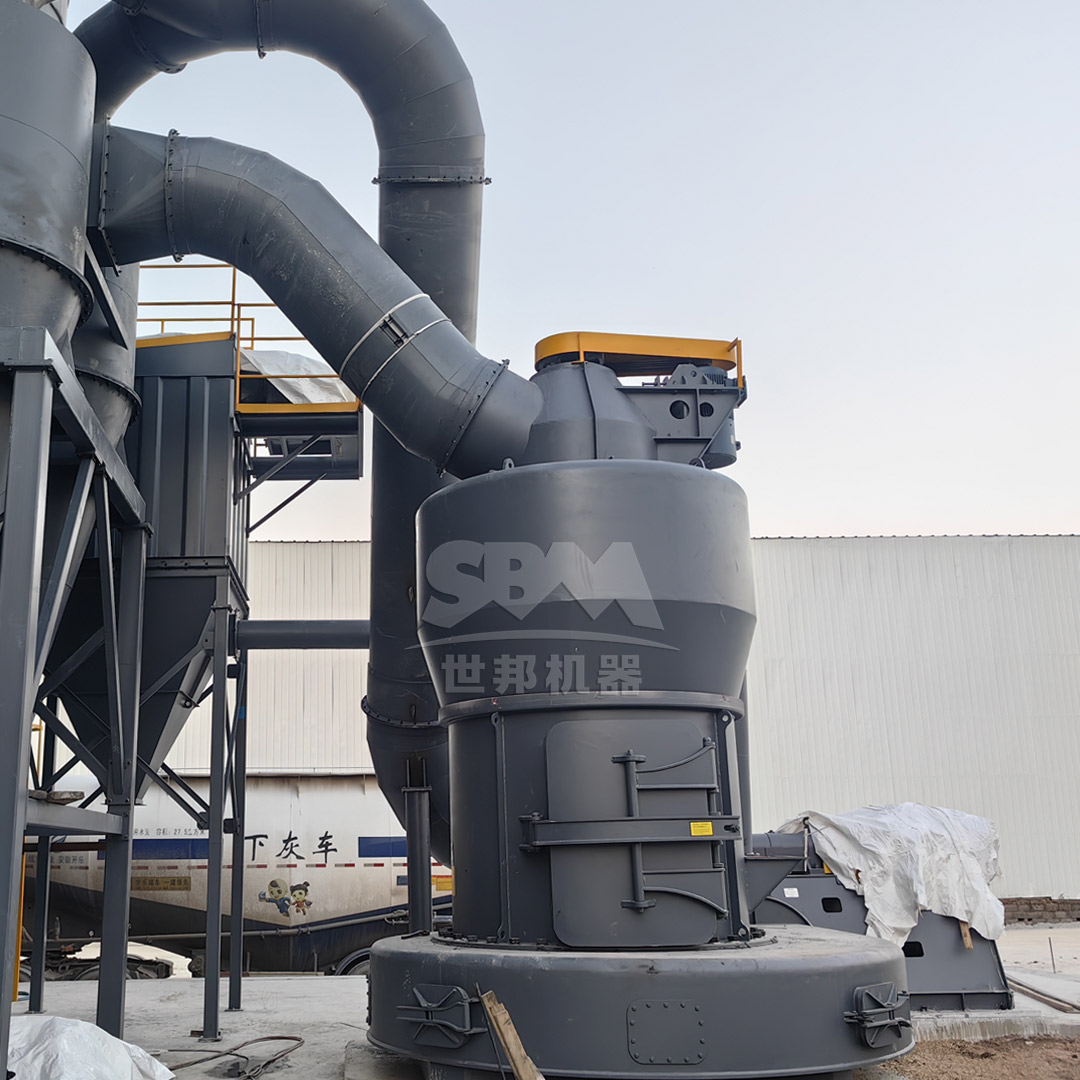
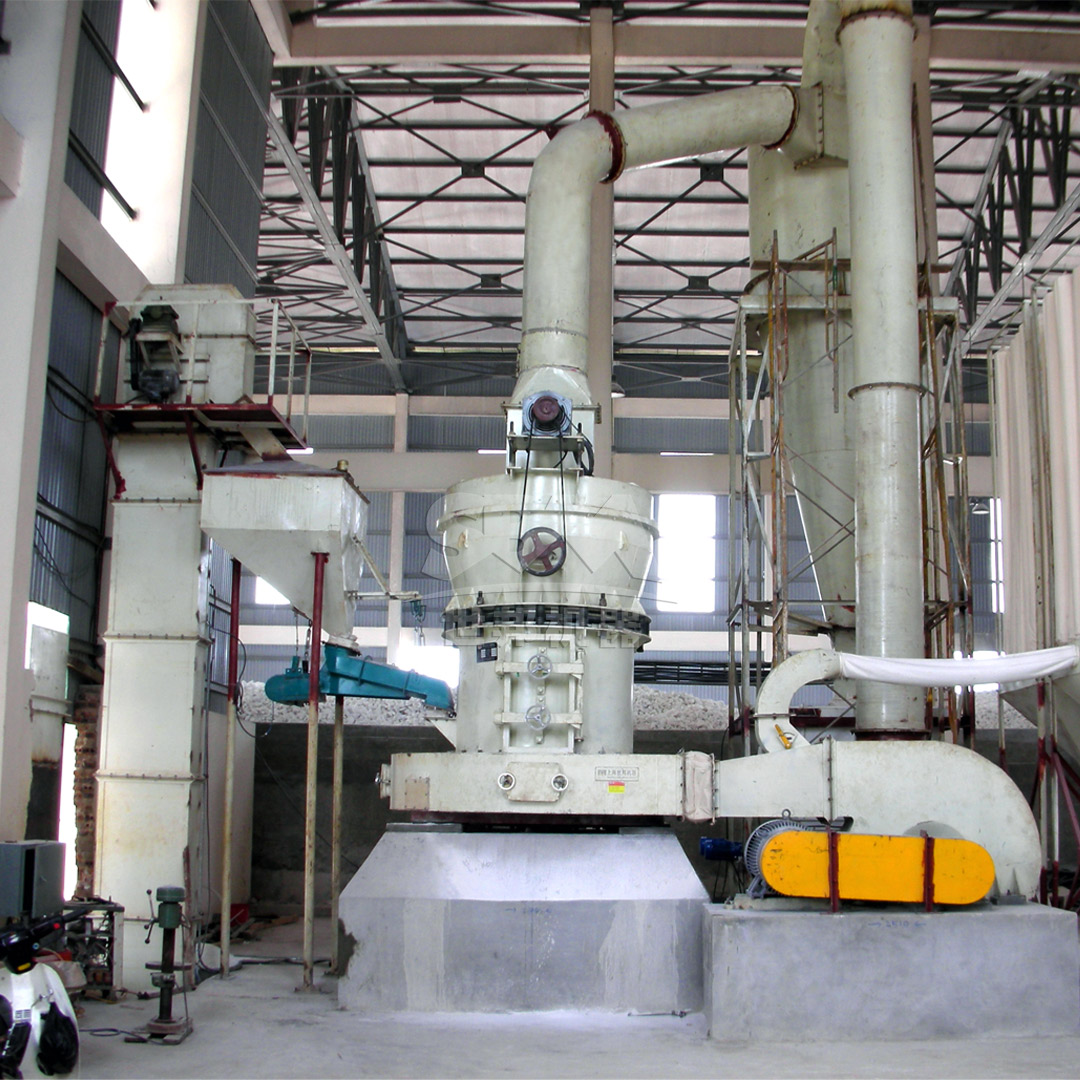
For applications requiring high volumes in the fine to medium-fine range (30-325 mesh), such as for plasterboard or building plaster, the MTW Series Trapezium Mill offers unparalleled throughput advantages.
- Optimized Airflow for Higher Yield: The curved air duct design reduces airflow resistance and energy loss, improving transmission efficiency. This allows more material to be conveyed and classified per unit of fan energy, directly boosting system capacity.
- Durable, High-Capacity Components: The wear-resistant combined shovel blades feed material more efficiently into the grinding zone, while the overall sturdy construction handles large feed sizes up to 50mm. Models like the MTW215G are engineered for massive output, with a 280kW main motor and a throughput range of 15-45 tons per hour.
- Efficient Drive System: The bevel gear integral transmission boasts 98% efficiency, ensuring that almost all the motor’s power is translated into grinding force, minimizing losses and supporting high-yield operation.
The MTW mill’s design philosophy centers on moving large volumes of material reliably and efficiently, making it the workhorse for high-yield gypsum powder production where ultra-fineness is not the primary goal.
Comparison of High-Yield Gypsum Grinding Solutions
| Feature / Mill Type |
SCM Ultrafine Mill |
MTW Trapezium Mill |
| Target Fineness |
Ultra-fine (325-2500 mesh / D97≤5μm) |
Fine to Medium-fine (30-325 mesh) |
| Key Throughput Advantage |
High-precision classifier, efficient grinding chamber for superfine powders |
Optimized airflow, robust construction for large-volume processing |
| Typical High-Capacity Model |
SCM1680 (5.0-25 t/h) |
MTW215G (15-45 t/h) |
| Energy Efficiency |
30% lower energy consumption vs. jet mills |
High-efficiency transmission (98%) |
| Ideal Application |
High-value fillers, specialty plasters |
Plasterboard, building plaster, cement retarder |
4. Conclusion: A Holistic Approach to Maximizing Output
Increasing gypsum pulverizer output is not a single-step fix but a continuous process of optimization. It begins with selecting the right equipment platform—such as our high-efficiency SCM or MTW mills—designed from the ground up for high yield. From there, disciplined attention to feed material preparation, precise adjustment of grinding and classification parameters, and the implementation of intelligent control systems work synergistically to push productivity to its limits. By understanding and controlling these factors, operators can achieve significant, sustainable increases in gypsum powder yield, enhancing both profitability and competitiveness.