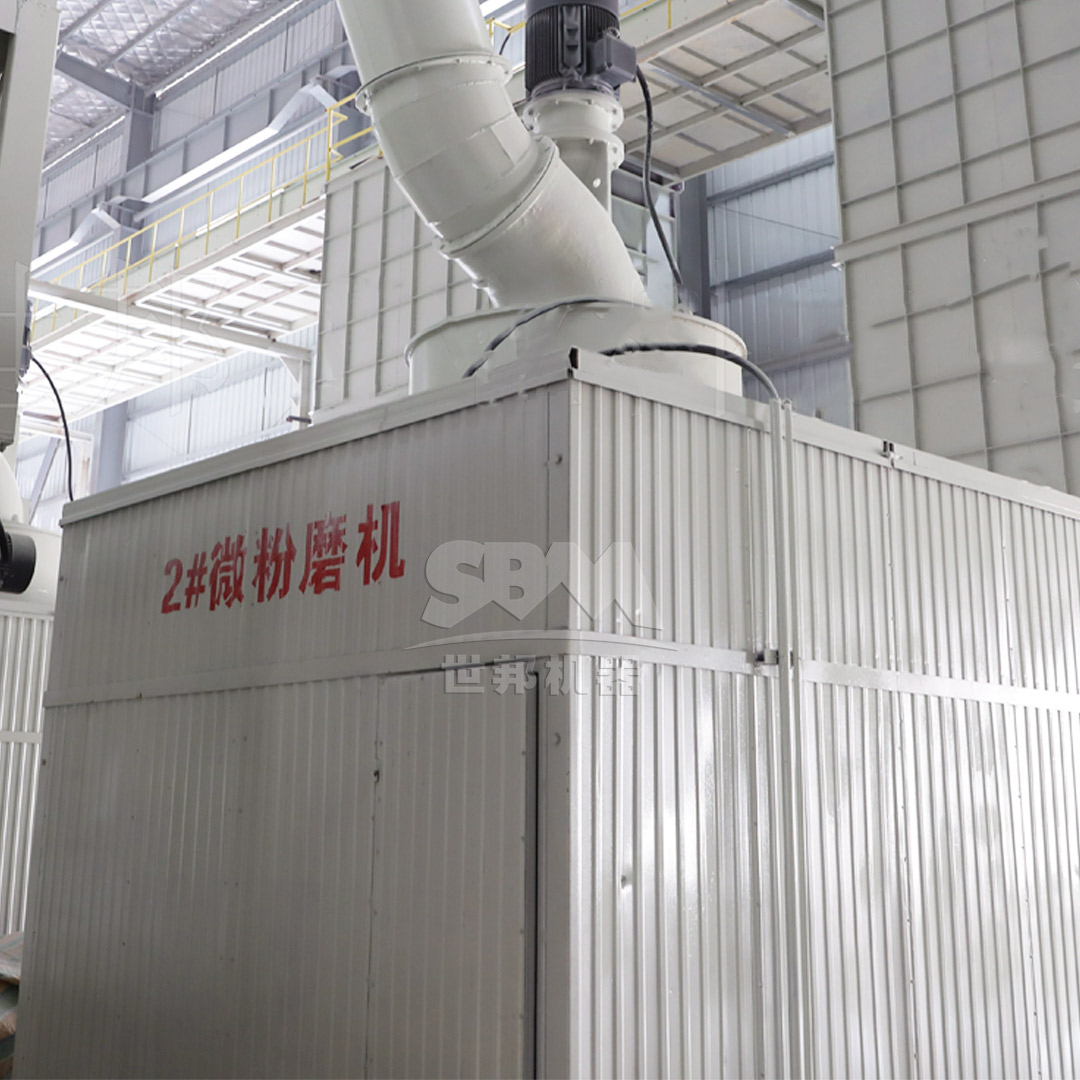
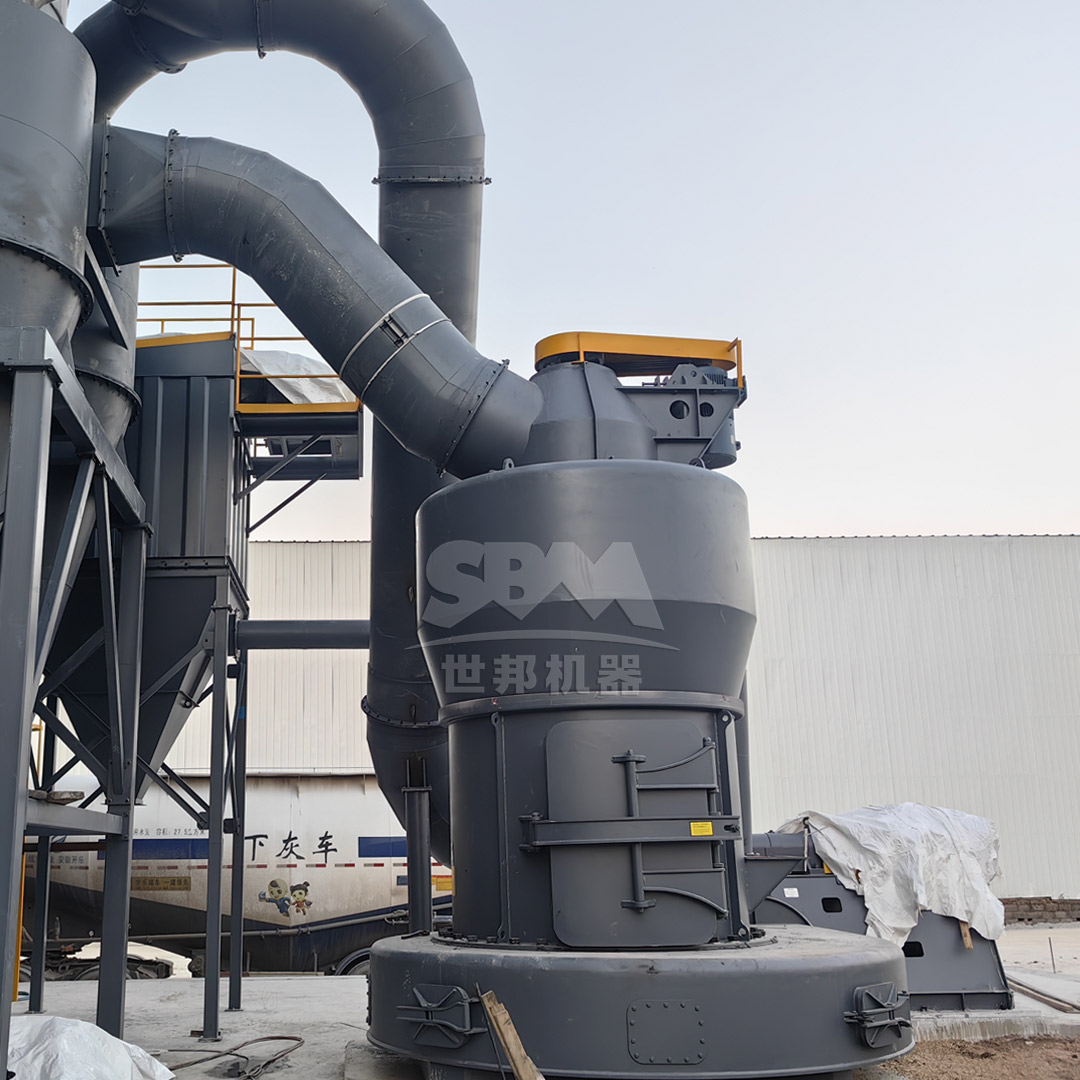
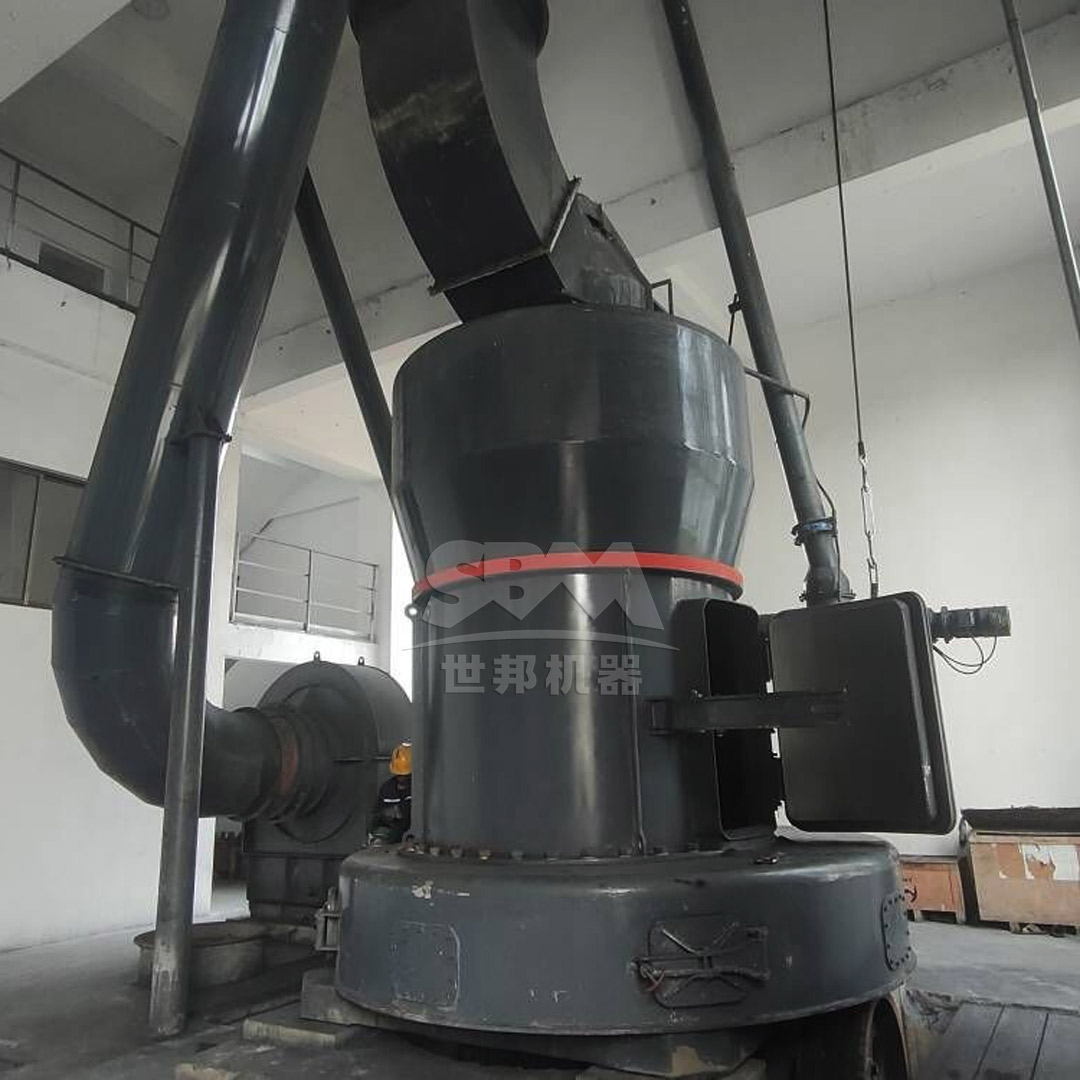
Industrial grinding is a cornerstone process in numerous sectors, including mining, cement production, chemicals, and power generation. However, it is notoriously energy-intensive, often accounting for a significant portion—sometimes over 50%—of a plant’s total power consumption. With rising energy costs, stringent environmental regulations, and a global push for sustainable manufacturing, optimizing energy use in grinding operations is no longer optional; it is a critical business and environmental imperative. This article explores comprehensive strategies for reducing energy consumption, focusing on process optimization, technological upgrades, and the pivotal role of selecting high-efficiency grinding equipment.
Effective energy reduction begins with understanding where energy is consumed and wasted in a typical grinding circuit. The primary goal of grinding is to effect size reduction by applying mechanical force to create new surface area. However, only a small fraction (typically 1-10%) of the input energy is actually used for this purpose. Major losses occur as:
A holistic approach must address all these areas to achieve meaningful savings.
The choice of grinding technology is paramount. Traditional ball mills, while robust, are relatively inefficient due to their impact-based grinding mechanism and high wear rates. Modern grinding systems based on bed compression grinding principles offer far superior energy efficiency.
Technologies like Vertical Roller Mills (VRM) and advanced roller mills apply pressure to a bed of material, causing inter-particle comminution. This method is significantly more efficient than the ball-on-ball or ball-on-liner impact of a ball mill. Key benefits include:
| Technology | Typical Specific Energy (kWh/t)* | Key Efficiency Feature |
|---|---|---|
| Traditional Ball Mill | 25 – 40 | Impact grinding, high wear |
| Vertical Roller Mill (VRM) | 15 – 25 | Bed compression, integrated system |
| Advanced Roller Mill (e.g., MTW) | 18 – 28 | Curved duct, efficient transmission |
| Ultrafine Mill (e.g., SCM) | Varies with fineness | High-efficiency classification, targeted grinding |
*Note: Values are highly dependent on material hardness and required fineness.

Investing in modern equipment designed with energy savings as a core principle delivers the most significant long-term returns. Here, we highlight two exemplary product lines that embody these principles.
When the application requires processing large volumes (3-45 TPH) to a medium fineness (30-325 mesh), the MTW Series Trapezium Mill stands out as a workhorse engineered for efficiency.
By optimizing every subsystem from transmission to airflow, the MTW mill delivers reliable performance with a minimized energy footprint for a wide range of minerals and industrial powders.
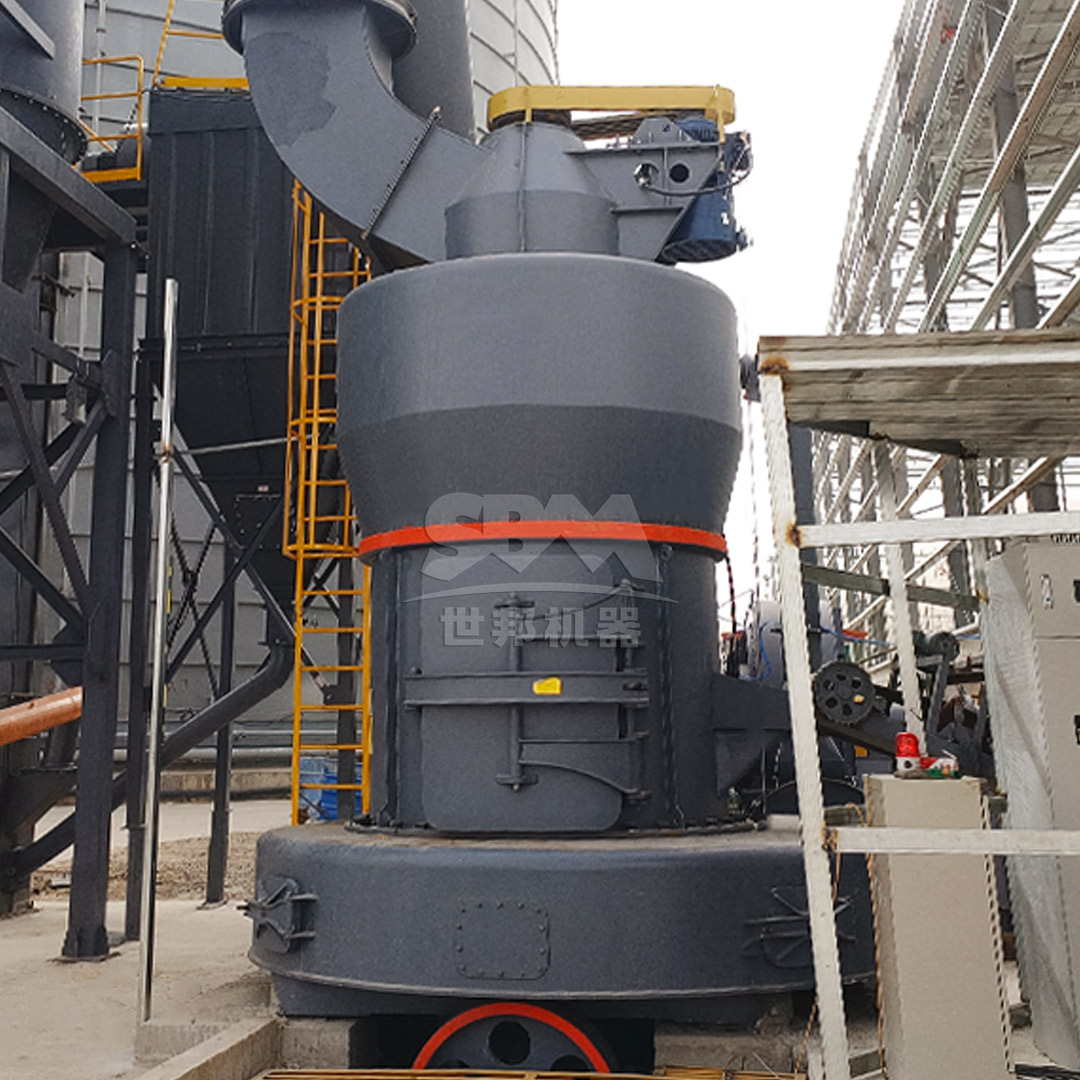
Producing superfine powders in the range of 325-2500 mesh (D97 ≤5μm) is exceptionally energy-intensive with conventional technologies like jet mills. The SCM Ultrafine Mill revolutionizes this space with its remarkable efficiency gains.
For industries such as high-performance fillers, advanced ceramics, or specialty chemicals, the SCM Ultrafine Mill offers a path to superior product quality with drastically lower operational costs.
| Model | Capacity (ton/h) | Main Motor Power (kW) | Target Application |
|---|---|---|---|
| SCM800 | 0.5 – 4.5 | 75 | Pilot plant, specialty chemicals |
| SCM1000 | 1.0 – 8.5 | 132 | Medium-scale production of fillers |
| SCM1680 | 5.0 – 25 | 315 | Large-scale production of GCC, talc, etc. |
Beyond the mill itself, energy savings can be amplified through smart system integration.
The future of grinding lies in digitalization and smart, connected equipment. Mills like the SCM and MTW series, with their advanced control systems, are the foundation for this transition, enabling predictive maintenance, digital twins for optimization, and seamless integration into the industrial IoT for ultimate energy management.

Reducing energy consumption in industrial grinding is a multi-faceted challenge that requires a blend of operational best practices, process control, and, most decisively, investment in modern, energy-optimized technology. Moving from traditional, inefficient systems to advanced solutions like the MTW Series Trapezium Mill for high-capacity grinding or the SCM Ultrafine Mill for precision superfine production represents a strategic leap forward. These technologies are not merely incremental improvements but are designed from the ground up to deliver more product with less energy, directly translating to lower operational costs, reduced carbon footprint, and enhanced competitiveness in an increasingly sustainability-focused market. The path to efficient grinding is clear: optimize the process, and empower it with the right technology.