Noise pollution in grinding mills and mineral processing plants is a significant environmental and occupational health challenge. Prolonged exposure to high noise levels, often exceeding 85-100 dB(A) from machinery like crushers, mills, and classifiers, can lead to hearing loss, increased stress, and reduced productivity among workers. Furthermore, stringent environmental regulations worldwide mandate industries to control and mitigate noise emissions. This article provides a comprehensive, professional guide on effective strategies to reduce noise pollution, focusing on engineering controls, operational best practices, and the critical role of selecting modern, low-noise equipment. Implementing these measures not only ensures regulatory compliance and protects worker health but also enhances overall plant efficiency and sustainability.
Effective noise control begins with identifying and understanding the primary noise generation mechanisms within a grinding circuit. Noise typically originates from three main sources:
This is generated by the direct impact, friction, and vibration of mechanical components. Key contributors include:
Generated by the rapid movement of air or gas, particularly in systems involving air classification, drying, or pneumatic conveying.
Vibrations from the primary sources travel through the machine frame, foundations, and connected structures (ducts, chutes), causing them to vibrate and re-radiate noise, often amplifying the problem.

A multi-faceted approach combining engineering controls, administrative measures, and personal protective equipment (PPE) is most effective. The hierarchy of controls prioritizes eliminating or reducing noise at the source.
These involve physical modifications to equipment and the workplace.
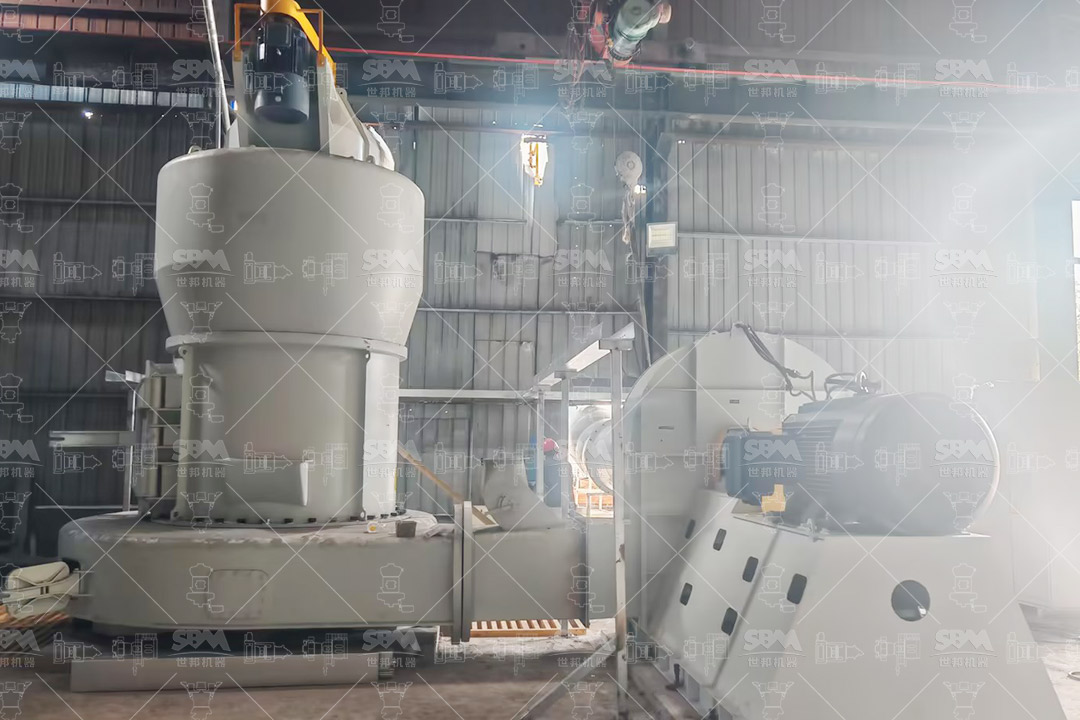
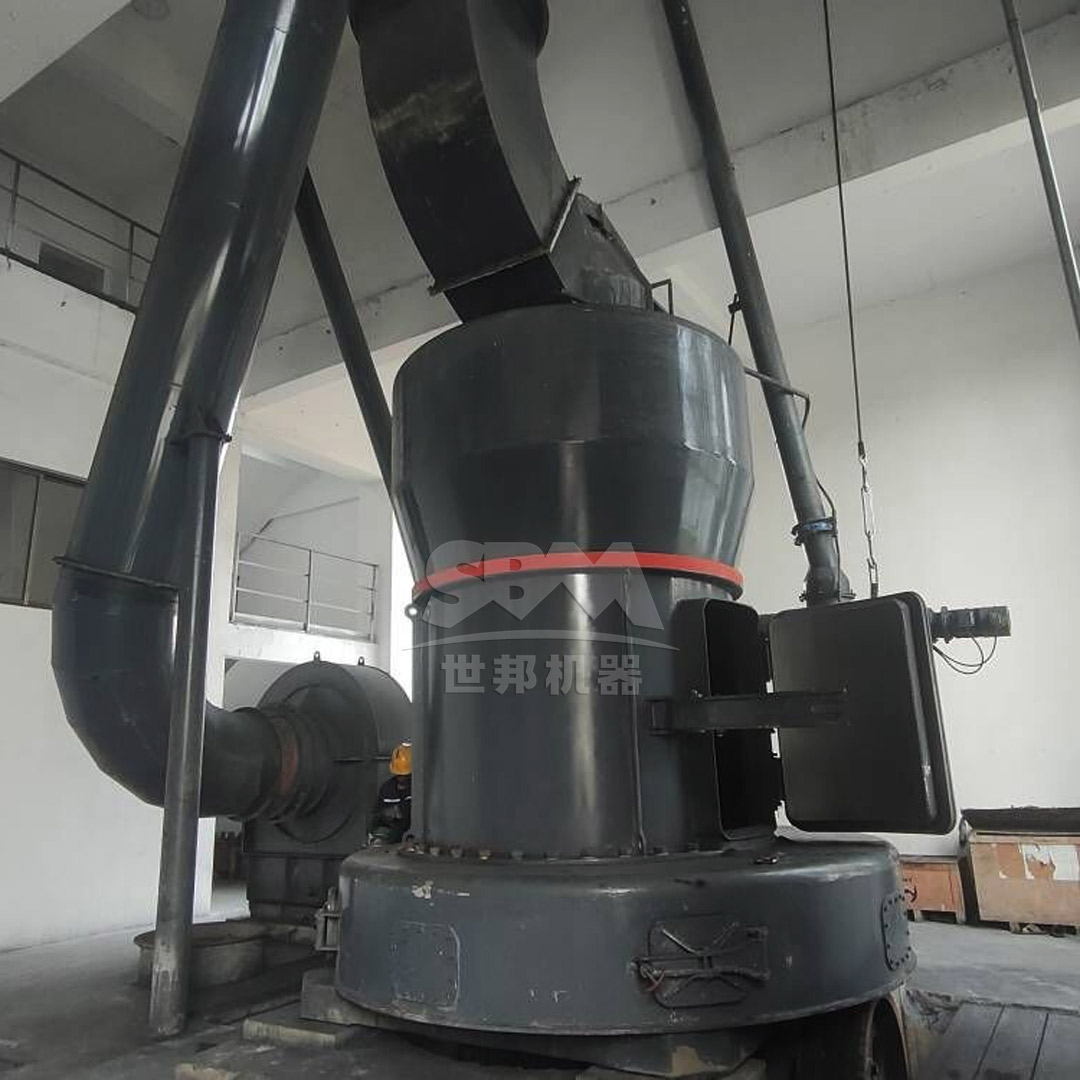
The choice of grinding equipment is paramount. Older technologies like traditional ball mills are inherently noisy due to the tumbling media. Modern vertical roller mills (VRMs) and advanced pendulum mills operate on a bed-compression principle, which is fundamentally quieter.
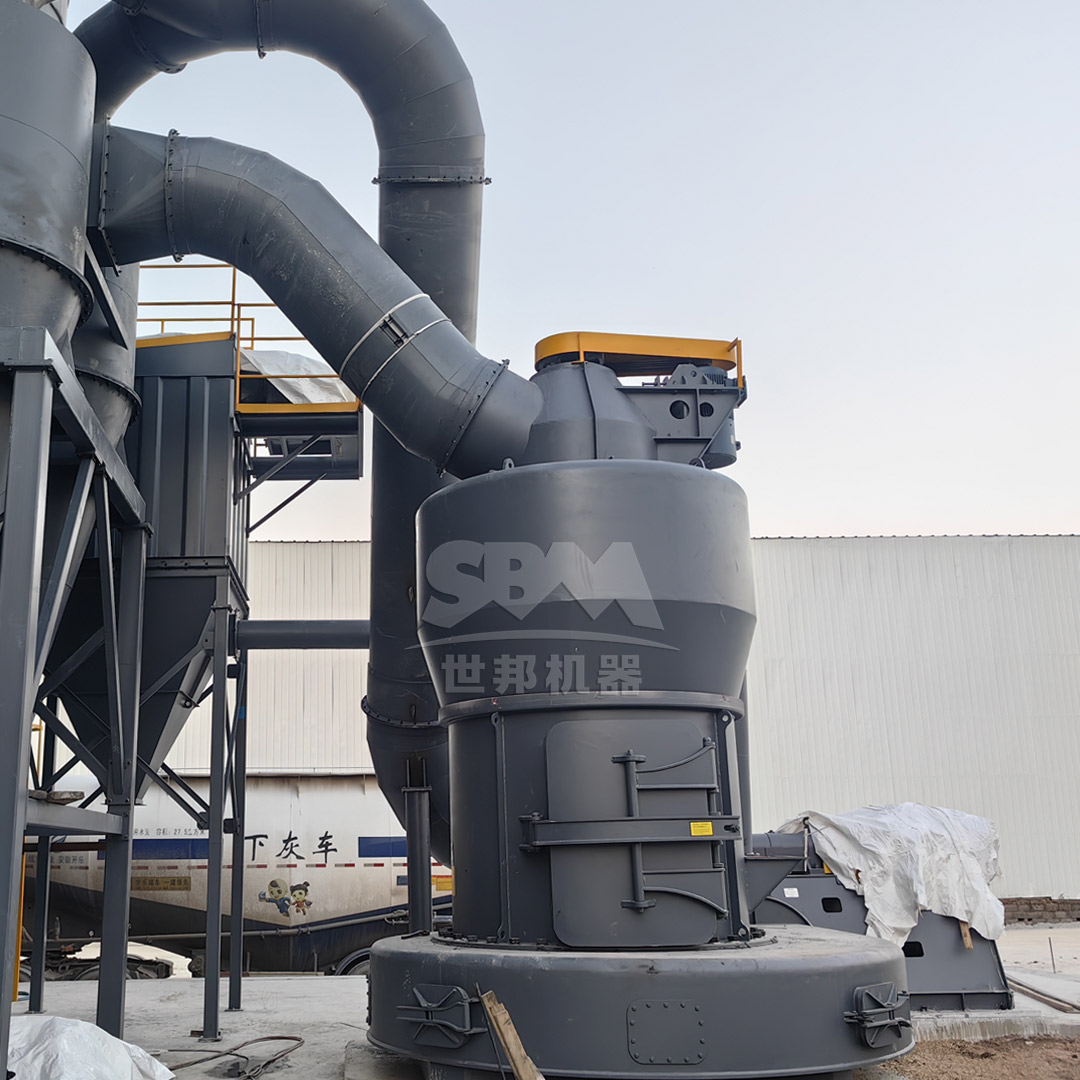
For instance, our LM Series Vertical Roller Mill exemplifies how design integration tackles noise pollution. Its集约化设计 (Intensive Design) integrates multiple processes (grinding, drying, classification) into one machine, eliminating noisy transfer points between separate units. The磨辊与磨盘非接触设计 (non-contact grinding roller and disc design) under stable bed conditions minimizes violent impact. Furthermore, it operates under全密封负压运行 (fully sealed negative pressure), containing internal noise. The result is a documented operational noise level of ≤80dB(A), significantly lower than equivalent-capacity ball mill circuits. This makes it an excellent choice for new projects or upgrades where environmental compliance and worker well-being are priorities.
| Noise Source (Traditional System) | Typical Noise Level | Mitigation in Advanced Mills (e.g., LM Series) |
|---|---|---|
| Ball Mill (Media Impact) | 100-110 dB(A) | Replaced with quiet bed-grinding (≤80 dB(A)) |
| Separate Classifier Fan | 90-100 dB(A) | Integrated fan with optimized弧形风道 (curved air duct) |
| Open Conveying Points | High airborne noise | Fully sealed system prevents noise escape |
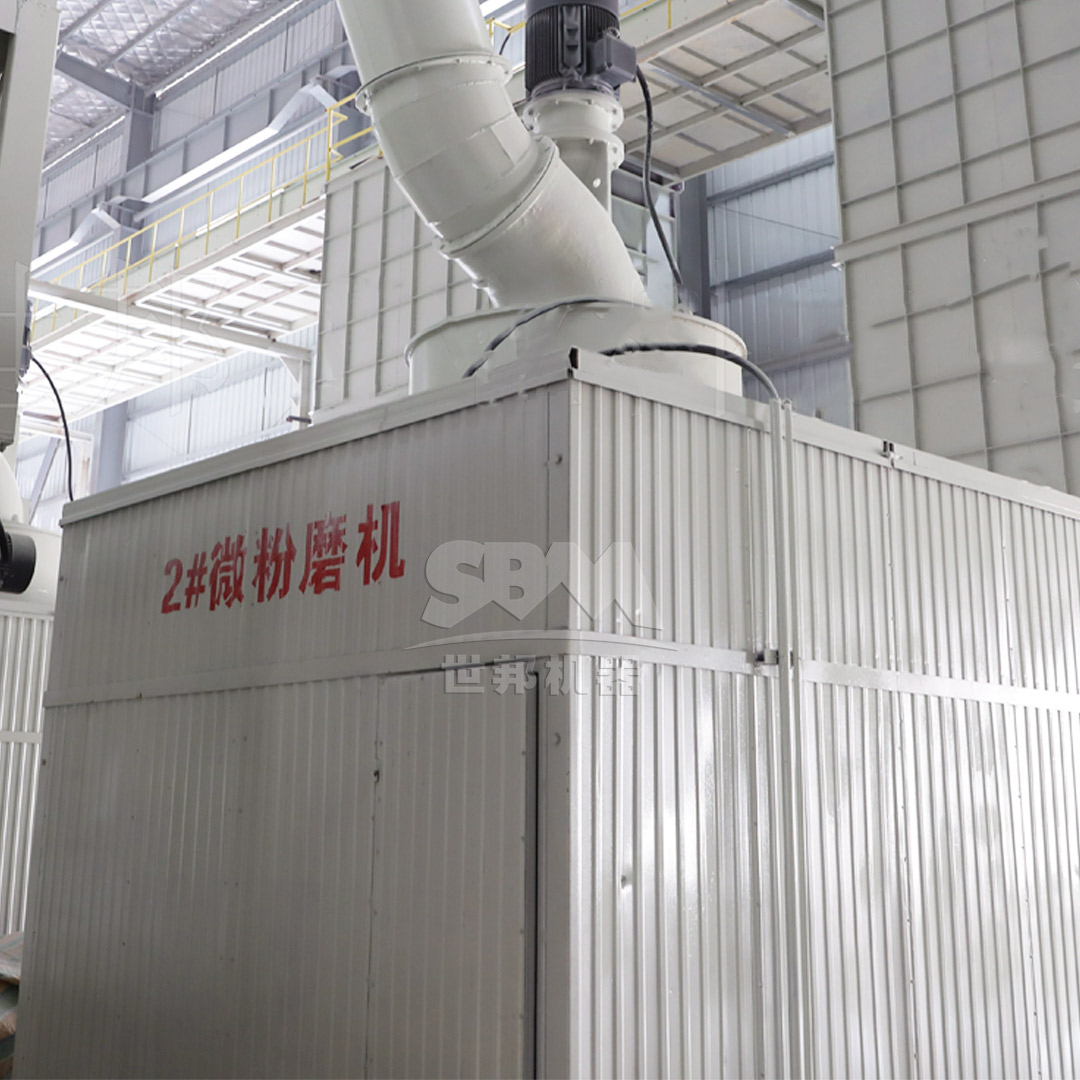
For ultra-fine grinding applications where precision and low noise are critical, the SCM Series Ultrafine Mill offers another robust solution. Its design prioritizes环保低噪 (environmental protection and low noise). A key feature is its隔音室设计 (soundproof room design) for the main grinding chamber, which contains the mechanical noise at source. Combined with its efficient and smooth operating principle involving多层磨环 (multiple-layer grinding rings) and a vertical turbine classifier, the SCM mill achieves an impressive operational noise level of ≤75dB(A). This makes it ideally suited for plants located near residential areas or with strict internal noise exposure limits, without compromising on its high-precision output of 325-2500 mesh.
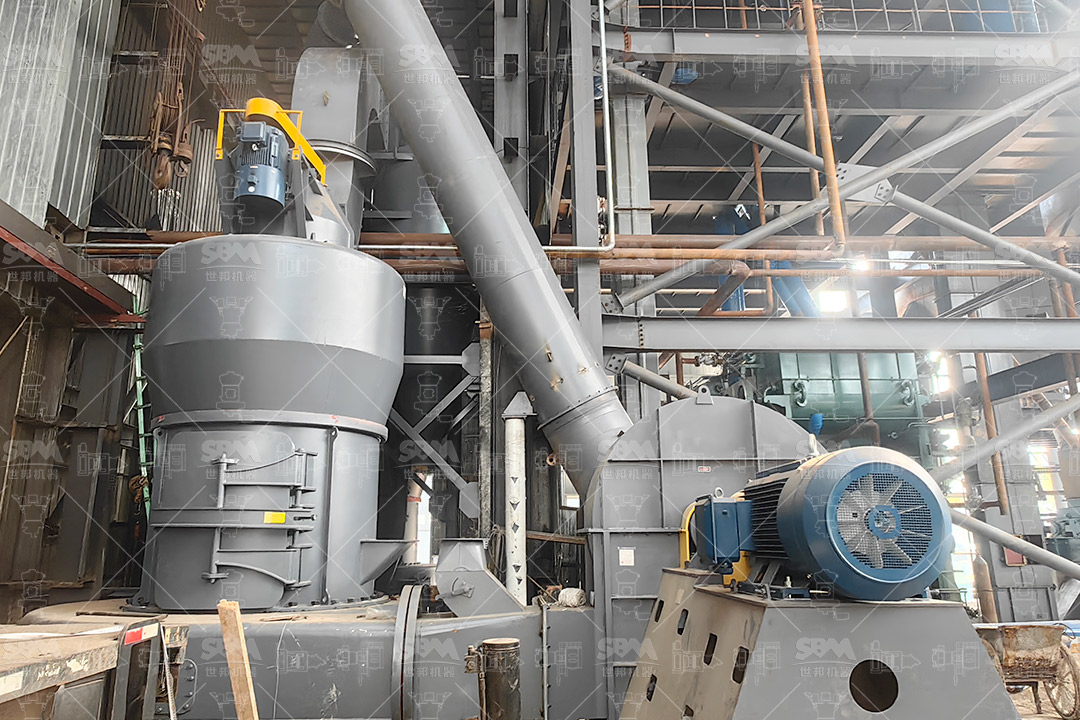
Reducing noise pollution in grinding plants is not merely a regulatory obligation but a core component of responsible and sustainable industrial operation. A systematic approach that prioritizes noise control at the source through meticulous maintenance, operational adjustments, and—most decisively—the adoption of modern, low-noise grinding technology is essential. Equipment such as the LM Series Vertical Roller Mill and the SCM Series Ultrafine Mill demonstrate that high productivity, superior product quality, and exceptional environmental performance, including low noise emissions, are achievable simultaneously. By investing in these advanced solutions and implementing a comprehensive noise management plan, processing plants can safeguard their workforce, ensure compliance, enhance community relations, and secure their operational future.