The mineral processing industry is undergoing a profound transformation, shifting from traditional, experience-based operations to a new paradigm of data-driven optimization. At the heart of this transformation lies the grinding circuit, often the most energy-intensive and critical bottleneck in the production chain. Maximizing the efficiency and output of grinding mills is no longer just about robust machinery; it’s about harnessing the power of data analytics to make intelligent, real-time decisions. This article explores a comprehensive framework for leveraging data analytics to optimize grinding mill performance, reduce operational costs, and significantly increase production throughput.
Effective data analytics begins with a robust data acquisition strategy. A holistic approach involves collecting and correlating data from three primary domains: Mill Operational Parameters, Feed & Product Characteristics, and Energy & Ancillary Systems.
| Data Category | Key Parameters | Impact on Performance |
|---|---|---|
| Mill Operational | Motor Power (kW), Mill Speed (rpm), Bearing Pressure/Temperature, Vibration Spectra | Direct indicators of load, wear, mechanical health, and grinding efficiency. |
| Feed & Product | Feed Rate (t/h), Feed Size Distribution (F80), Product Size Distribution (P80), Moisture Content | Determines grindability, required energy, and final product quality. |
| Energy & Ancillary | Specific Energy Consumption (kWh/t), Classifier Speed, Airflow Rate, Cyclone Pressure | Defines overall system efficiency and identifies losses in classification or material transport. |
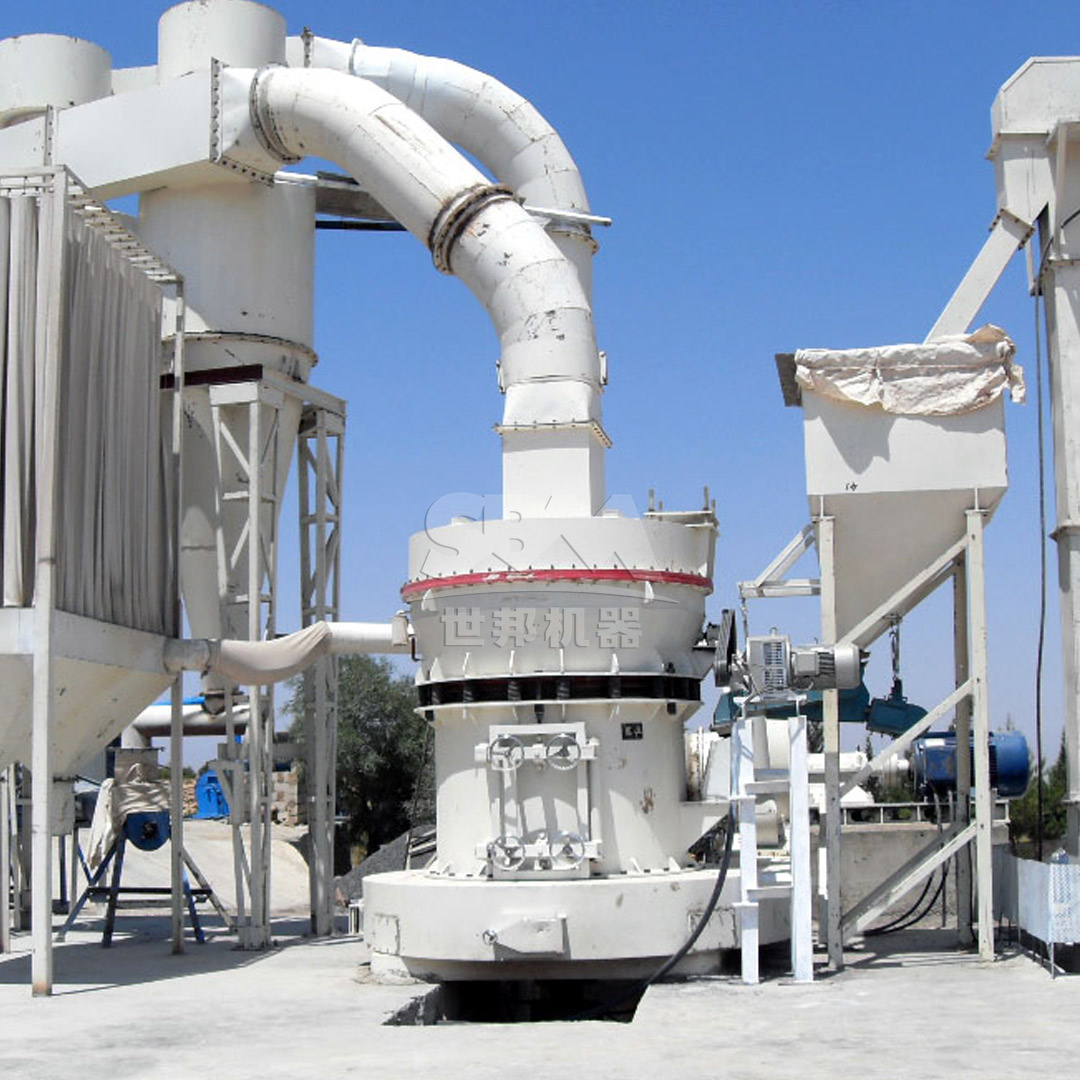
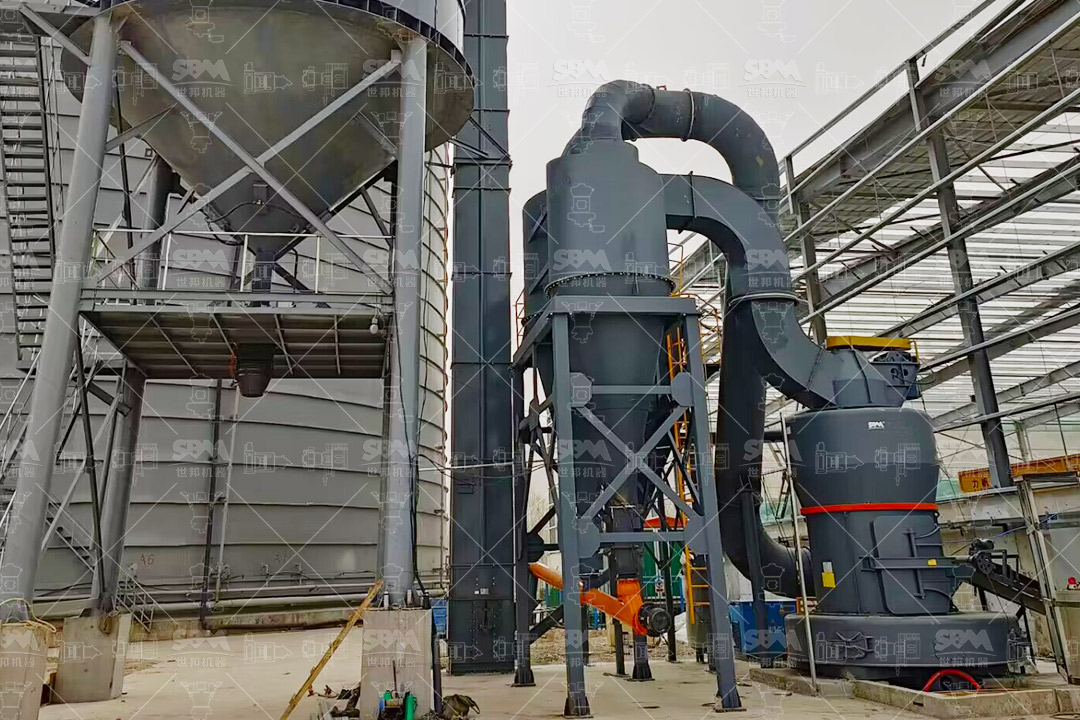
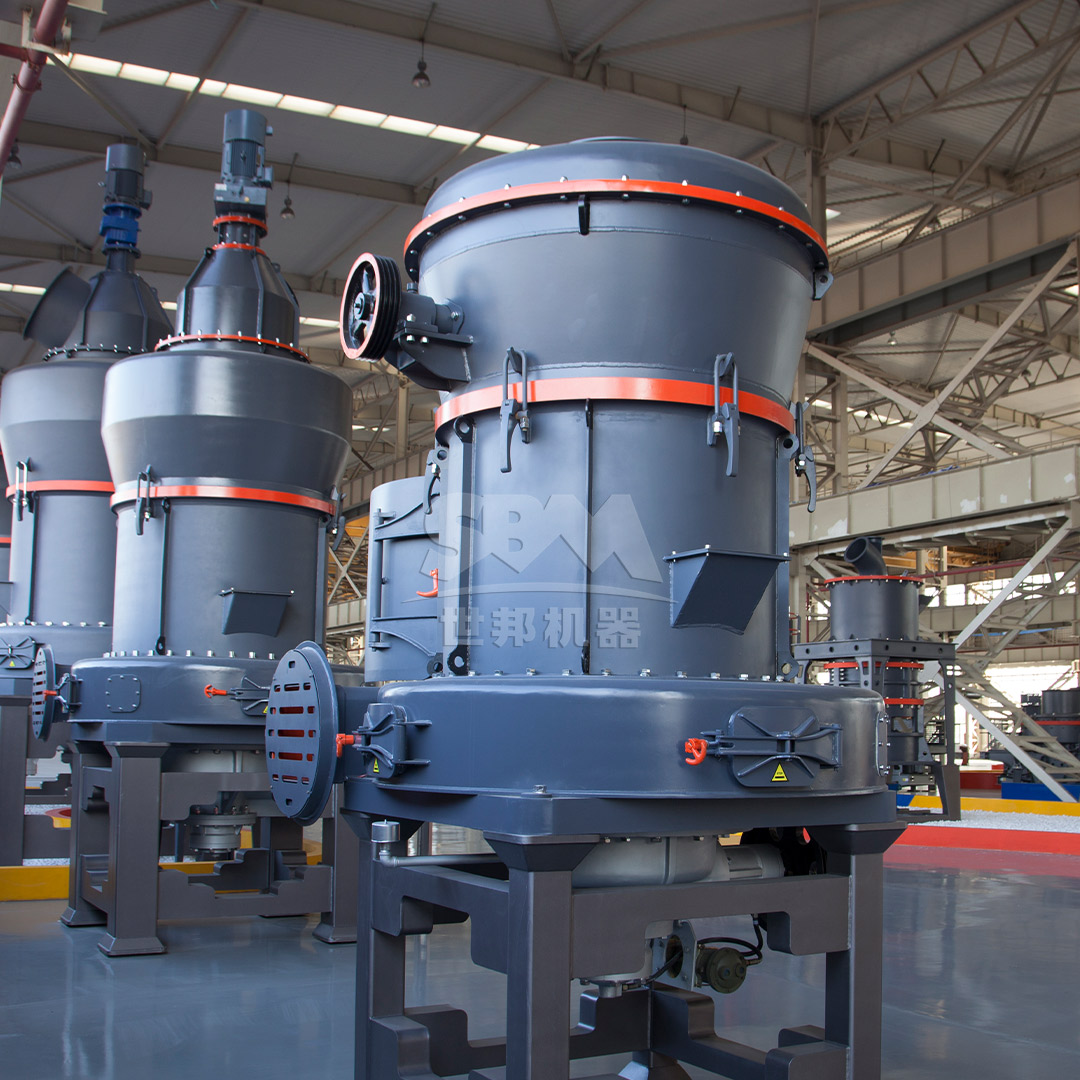
Modern, intelligently designed mills are foundational to this data-centric approach. For instance, our LM Series Vertical Roller Mill is engineered with integrated smart sensors and an expert-level automatic control system. It provides real-time monitoring of critical parameters like grinding pressure, differential pressure across the mill, and separator speed. This built-in intelligence creates a rich, reliable data stream, which is the essential feedstock for any advanced analytics program. Its集约化设计 not only reduces footprint but also simplifies the data collection architecture by integrating破碎,研磨, and分选 functions into a single, instrumented unit.
Raw data must be transformed into actionable insights. Several analytical models are pivotal for grinding optimization:
The ultimate goal is to move from descriptive analytics (what happened) to prescriptive analytics (what to do) and finally to autonomous control. A closed-loop optimization system continuously:
This requires mills capable of precise and stable control. Our SCM Ultrafine Mill is an exemplary platform for such advanced control strategies. Its智能控制 system features automatic feedback on成品粒度, allowing the mill to self-adjust parameters to maintain a target fineness (from 325 to 2500 mesh) despite variations in feed. Furthermore, its高效节能 design, offering产能为气流磨2倍 with能耗降低30%, provides a wider operational window for optimization algorithms to work within, ensuring that efficiency gains are structurally supported by the equipment itself.
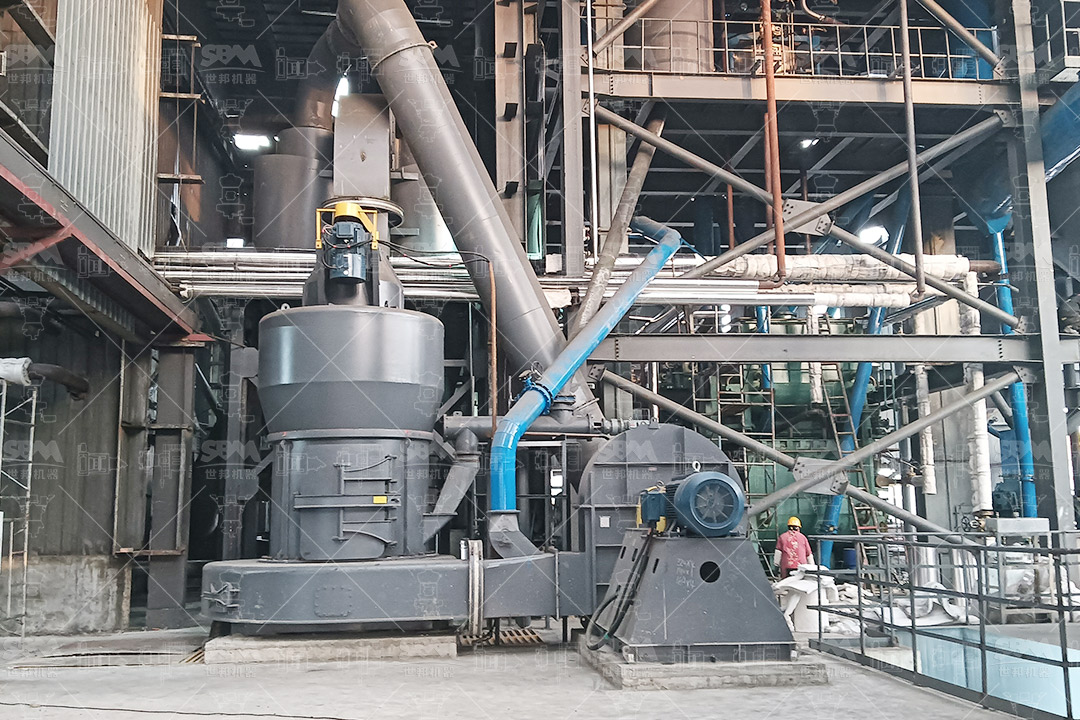 Model Analysis -> Setpoint Calculation -> Automatic Control.\”>
Implementing a data analytics program yields tangible, measurable returns across several key performance indicators (KPIs):
Successful implementation requires both technological and human investment:
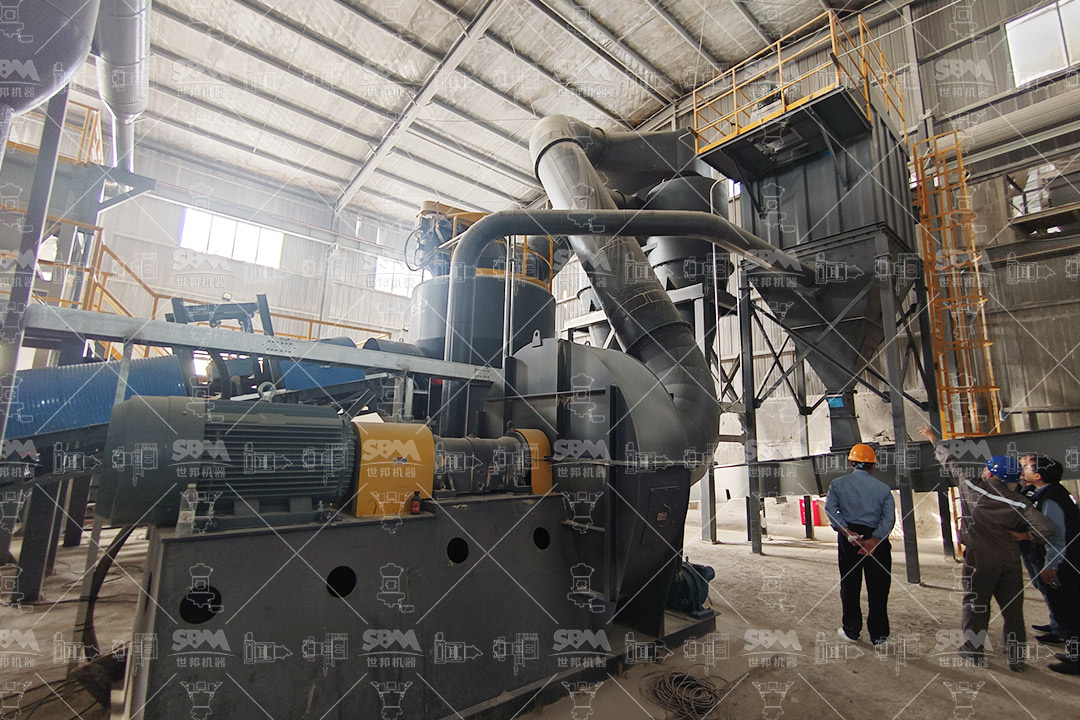
The integration of data analytics with high-performance grinding technology represents the future of mineral processing. It transforms the mill from a passive piece of equipment into an intelligent, self-optimizing asset. Companies that invest in this synergy—pairing advanced analytics platforms with inherently efficient and controllable mills like our LM Series Vertical Roller Mill for coarse to medium grinding and the SCM Ultrafine Mill for high-precision fine and ultra-fine applications—will unlock unprecedented levels of productivity, sustainability, and profitability. The journey starts with data, but the destination is a fully optimized, resilient, and intelligent grinding operation.