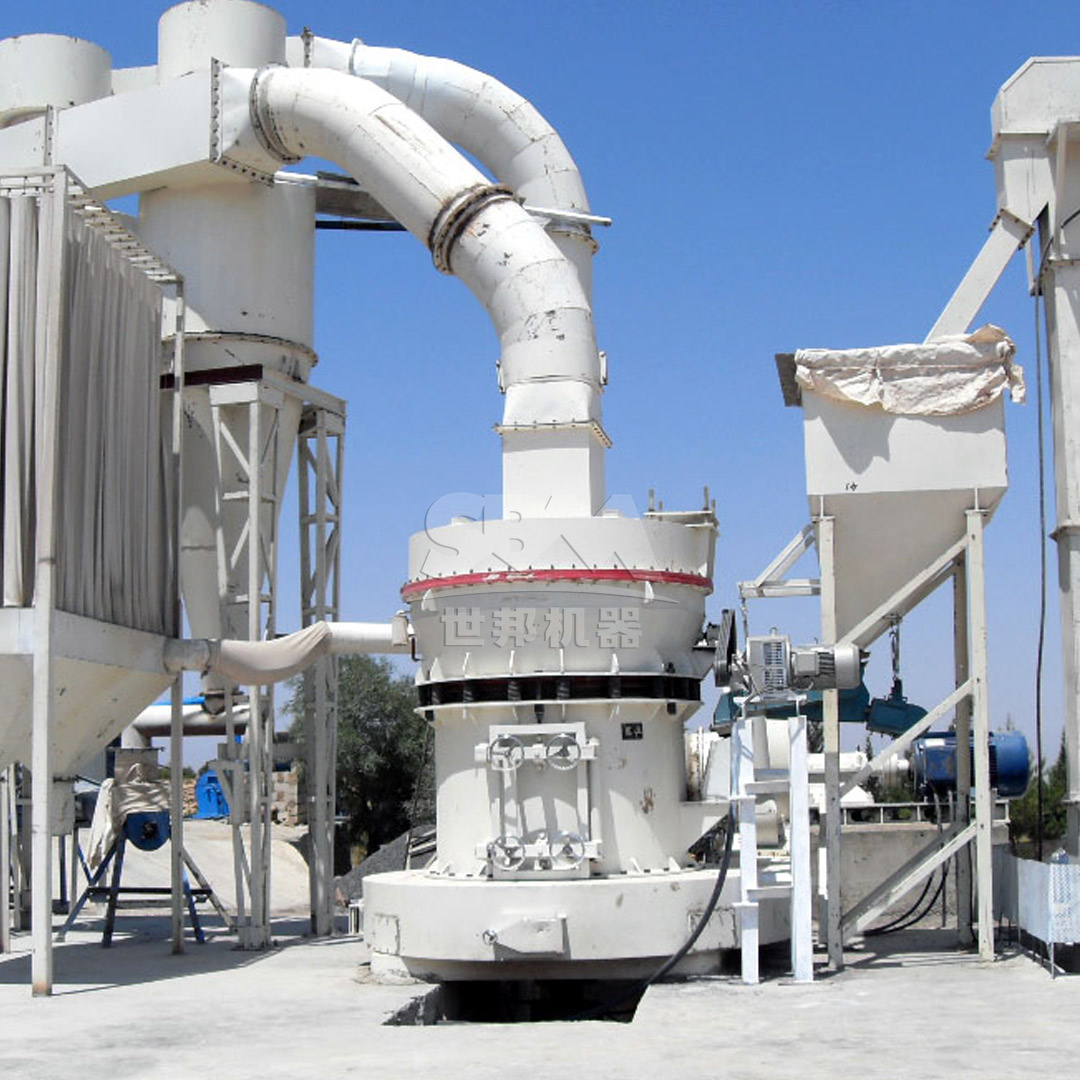
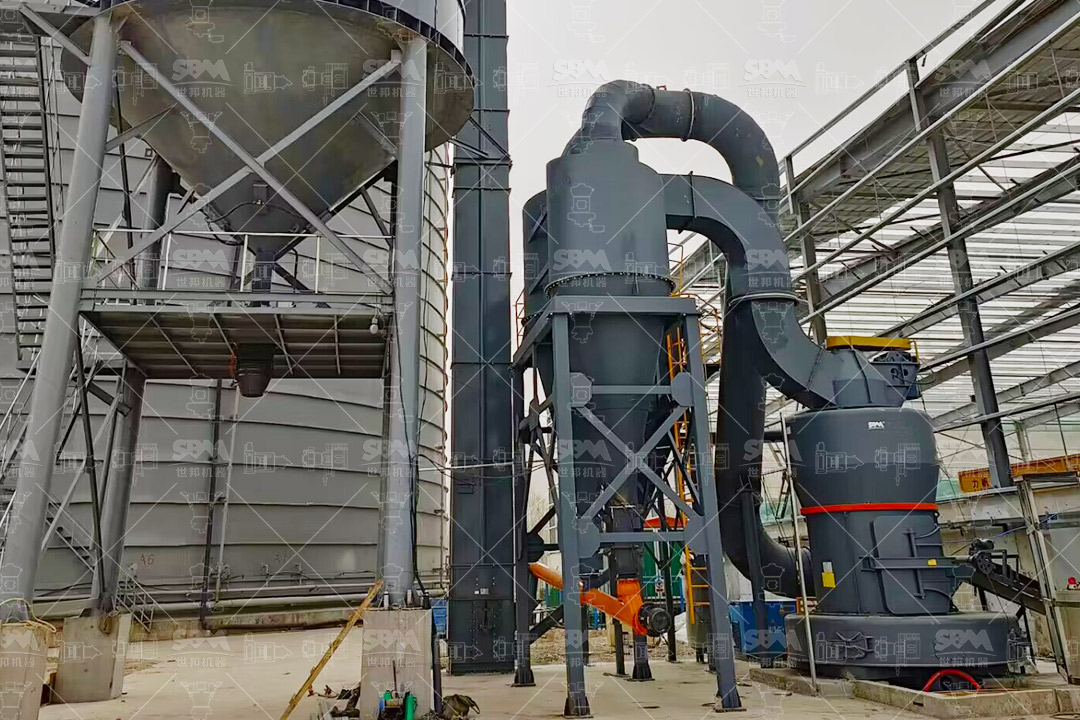
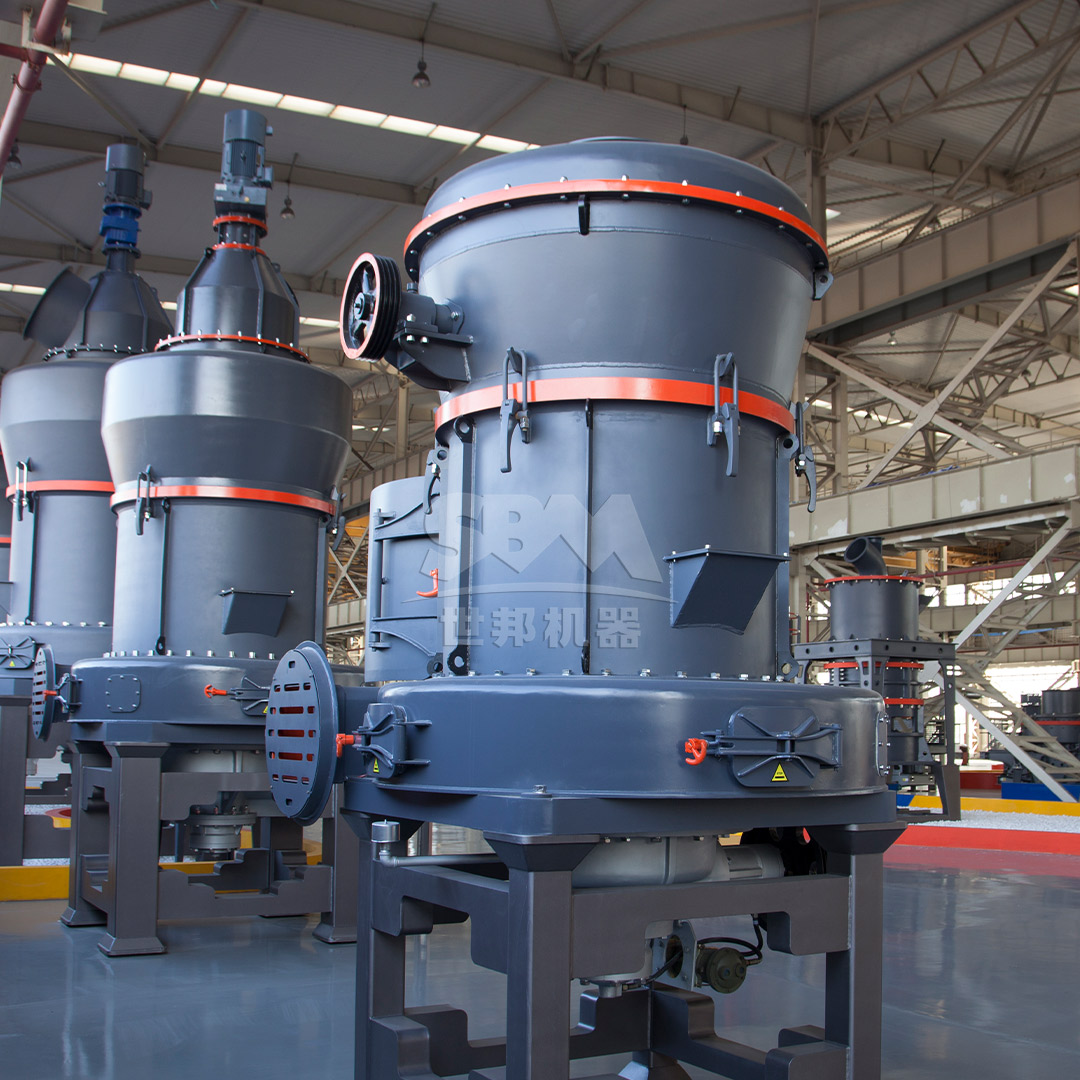
In the modern mineral processing and powder production industries, grinding mills are critical equipment that directly impacts product quality, production capacity, and overall operational costs. Traditional methods of optimizing mill performance often rely on empirical data, trial-and-error adjustments, and extensive physical testing, which are time-consuming, costly, and sometimes impractical. The advent of advanced simulation software has revolutionized this field, offering a powerful, data-driven approach to predict, analyze, and optimize grinding mill operations before any physical changes are made. This article explores the methodologies for leveraging simulation software to maximize grinding mill performance and efficiency, with a focus on practical applications and real-world benefits.
Simulation software for grinding mills utilizes computational models based on principles of physics, material science, and fluid dynamics. These models can accurately replicate the complex interactions within a mill, such as particle breakage, material flow, energy consumption, and classification efficiency. By creating a digital twin of the grinding circuit, engineers can conduct virtual experiments to answer critical questions:
The primary advantage is risk mitigation. Simulation allows for the exploration of a vast design and operational space without the risk of costly downtime or suboptimal production runs.
Several simulation techniques are employed, often in combination:
| Simulation Type | Primary Focus | Key Outputs |
|---|---|---|
| Discrete Element Method (DEM) | Particle & Media Motion, Impact Forces | Wear patterns, Power draw, Charge trajectory |
| Computational Fluid Dynamics (CFD) | Air/Gas Flow, Heat & Mass Transfer | Pressure drop, Temperature profile, Particle conveyance |
| Population Balance Model (PBM) | Particle Size Distribution Evolution | Product fineness, Grinding kinetics, Throughput prediction |
Implementing a successful simulation project involves a structured approach:
1. Define Objectives and Scope: Clearly state the goal (e.g., increase throughput by 15%, reduce specific energy consumption, achieve a new product PSD). Determine the scope—is it a single mill or the entire grinding circuit?
2. Data Collection and Model Calibration: This is the most critical step. Gather accurate input data: mill geometry (exact dimensions), material properties (density, hardness, breakage characteristics), and current operating data (power draw, feed rate, PSD in/out). The simulation model must be calibrated against real-world performance data to ensure its predictive accuracy.
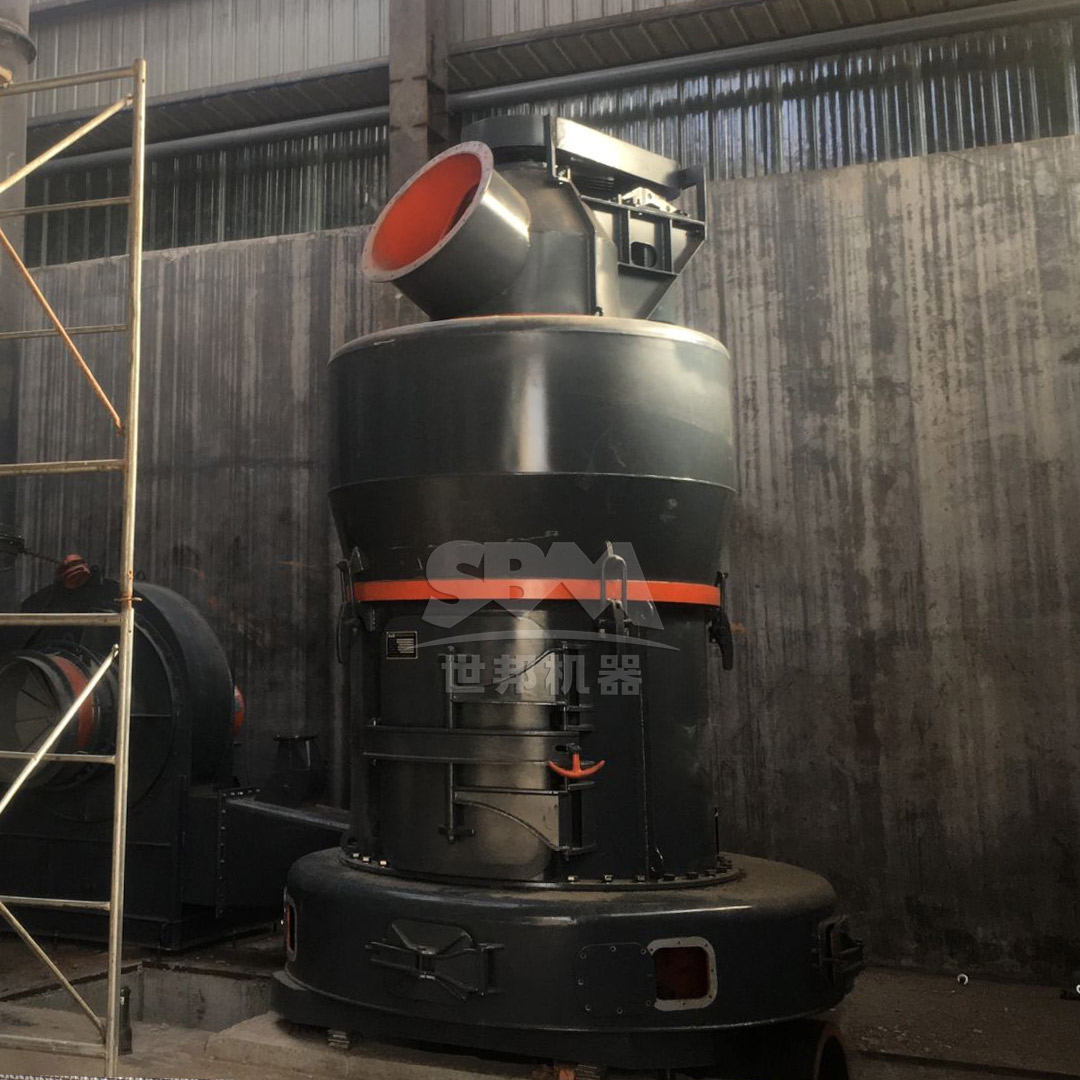 Data Collection -> Model Building & Calibration -> Virtual Experiments -> Analysis & Optimization -> Implementation.\”>
3. Model Building and Virtual Experiments: Build the digital twin using the calibrated model. Then, run a series of virtual experiments. For instance, systematically vary the mill speed, feed size distribution, or classifier rotor speed while holding other variables constant.
4. Analysis and Optimization: Analyze the simulation results. Software can generate detailed visualizations of particle flow, impact energy spectra, and air velocity profiles. Use multi-variable optimization algorithms to find the set of operating parameters that best meet your objectives (e.g., maximizing a profit function that weighs throughput against energy cost).
5. Implementation and Validation: Apply the optimized parameters to the physical mill. Continuously monitor key performance indicators (KPIs) like power consumption, product fineness, and temperature to validate the simulation predictions and make fine-tuning adjustments.
Consider the challenge of producing a consistent, high-volume output of ultrafine powder (D97 ≤ 5μm). The grinding and classification process is highly sensitive; minor imbalances can lead to excessive energy use, poor yield, or off-spec product.
By applying coupled DEM-CFD-PBM simulations to a model of an ultrafine grinding system, engineers can:
For such demanding applications, the design of the mill itself is paramount. Our SCM Ultrafine Mill series is engineered with principles that align perfectly with simulation-driven optimization. Its vertical structure with multiple grinding rings and rollers creates a stable, controllable grinding bed ideal for DEM analysis. The integrated vertical turbo classifier, a key component for achieving 325-2500 mesh fineness, benefits greatly from CFD simulation to optimize blade angle and rotational speed for maximum separation efficiency and energy savings. Furthermore, its intelligent control system can be fed with optimal setpoints derived from simulation models, creating a closed-loop system that maintains peak performance. With models like the SCM1250 offering 2.5-14 ton/h capacity, simulation ensures each unit operates at its designed efficiency, achieving up to 30% energy savings compared to traditional methods.
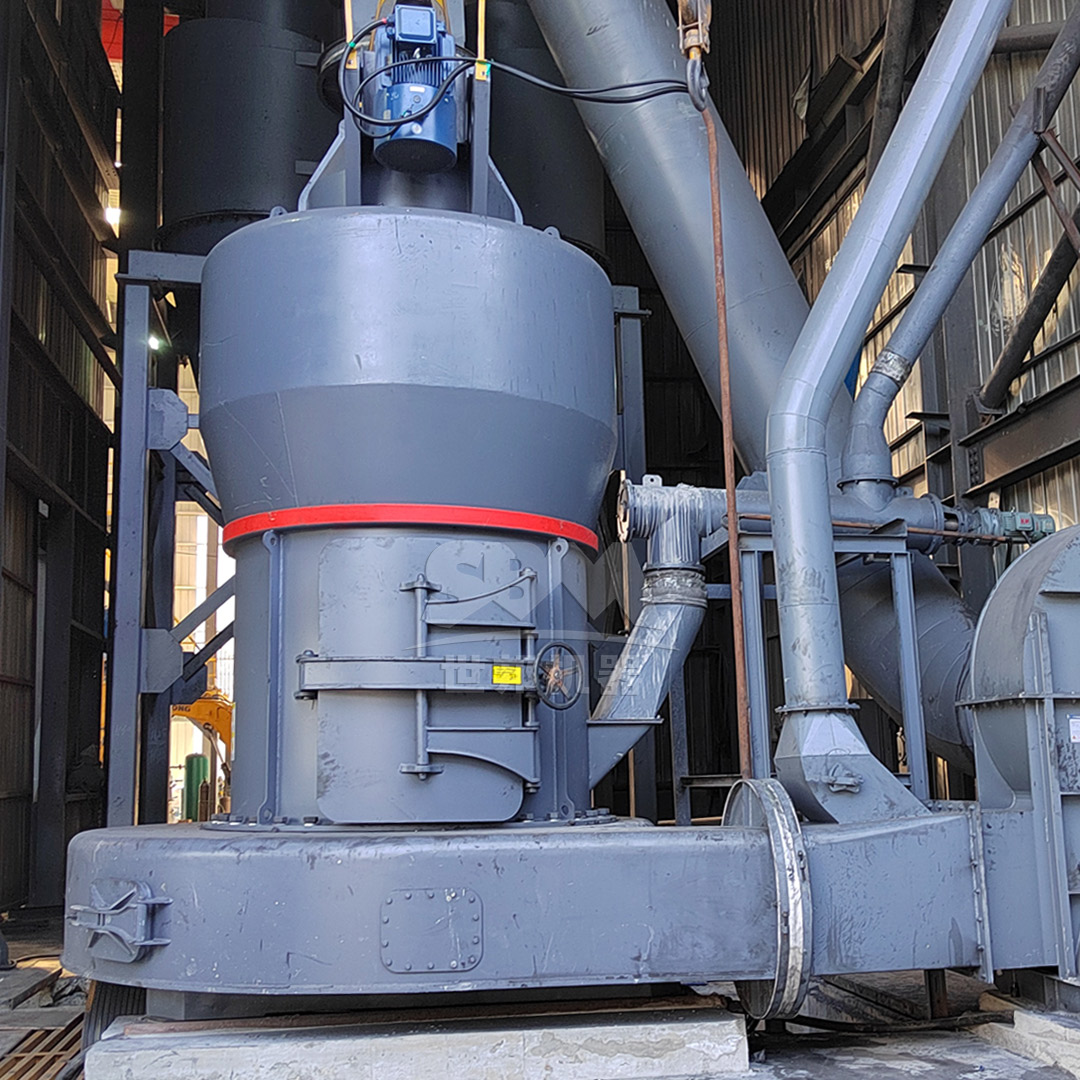
For large-scale raw material processing, such as in cement or mining, Vertical Roller Mills (VRMs) are the workhorses. Optimizing a VRM is complex due to its integrated grinding, drying, and classification functions.
Simulation plays a crucial role here. DEM models can analyze the stress distribution on the large-diameter grinding table and rollers, informing wear liner design and hydraulic pressure settings for optimal particle bed compression. CFD is indispensable for modeling the hot gas inlet and the mill’s internal air circuit to ensure efficient drying without overheating or compromising particle transport to the dynamic separator.
Our LM Series Vertical Roller Mill is a prime example of a mill whose design benefits from and facilitates advanced simulation. Its集约化 (intensive) design integrates multiple functions into a single footprint, a system whose interactions are ideal for multi-physics simulation. Key features like the non-contact grinding roller design (extending wear part life) and the expert automatic control system provide clear parameters and control points for simulation models to manipulate and optimize. For instance, simulating the performance of an LM220K model (36-105 t/h capacity) can help determine the ideal grinding pressure, table speed, and separator speed to process 50mm feed down to 80-325 mesh while minimizing the specific energy consumption, which can be 30-40% lower than ball mill systems. The simulation can also validate the环保 (environmental) performance, ensuring the全密封负压运行 (fully sealed negative pressure operation) meets the stringent dust emission target of <20mg/m³.
The ultimate goal is to move from off-line simulation and periodic optimization to real-time, model-predictive control (MPC). In this setup, a simplified, calibrated simulation model runs in parallel with the physical mill. It continuously receives operational data and uses it to predict future states (e.g., product fineness in 30 minutes). The control system then makes proactive adjustments to maintain the process at the simulated optimum, compensating for disturbances like feed variation.
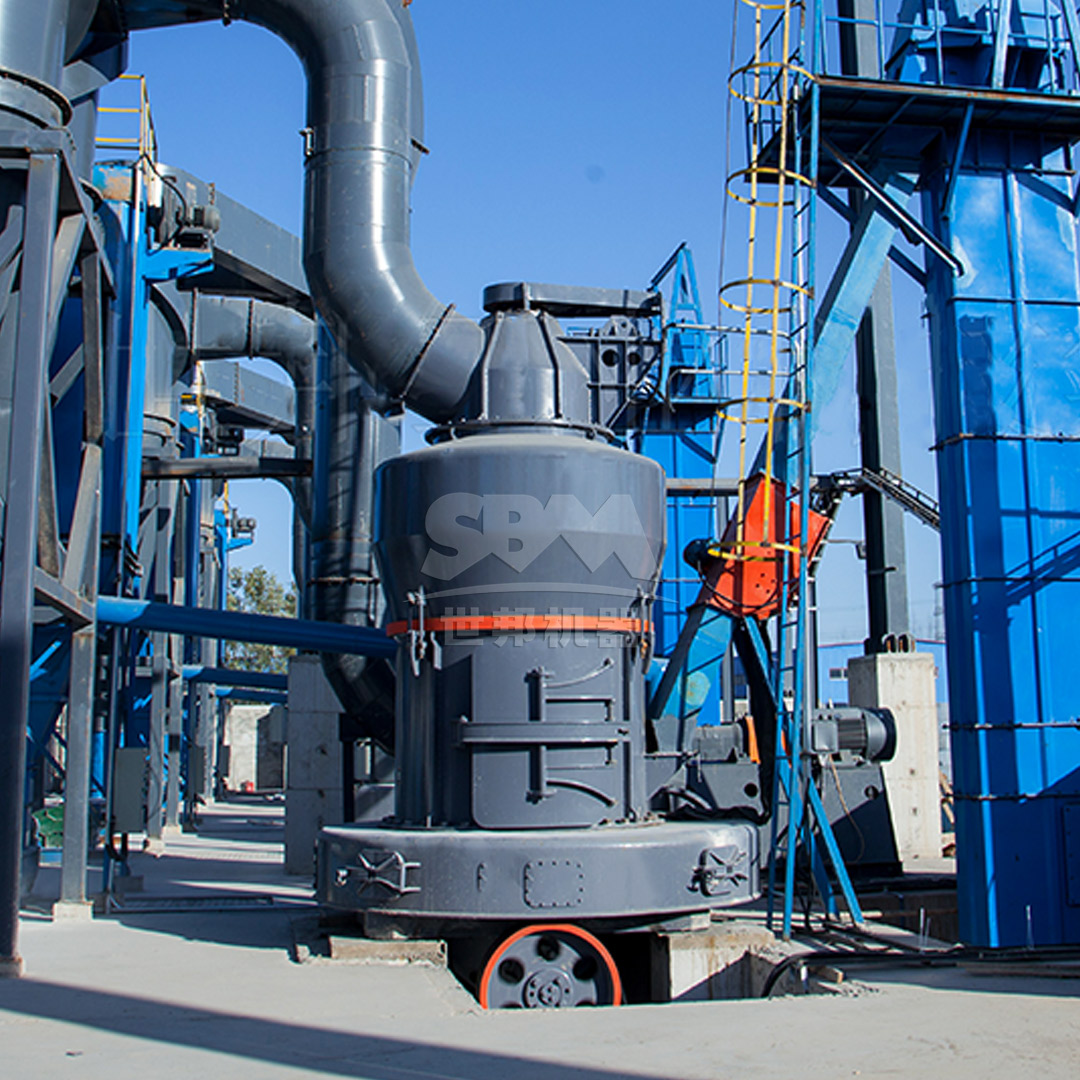
The use of simulation software is no longer a luxury but a necessity for companies seeking to maximize the performance and efficiency of their grinding operations. It transforms mill optimization from an art into a science, enabling precise, predictive, and proactive management of these capital-intensive assets. By building accurate digital twins, engineers can unlock significant gains in throughput, product quality, energy efficiency, and equipment longevity. As mill technology advances, with equipment like our SCM Ultrafine Mill and LM Vertical Roller Mill offering sophisticated, controllable designs, the synergy between advanced hardware and powerful simulation software will continue to drive the frontiers of productivity and sustainability in the grinding industry.