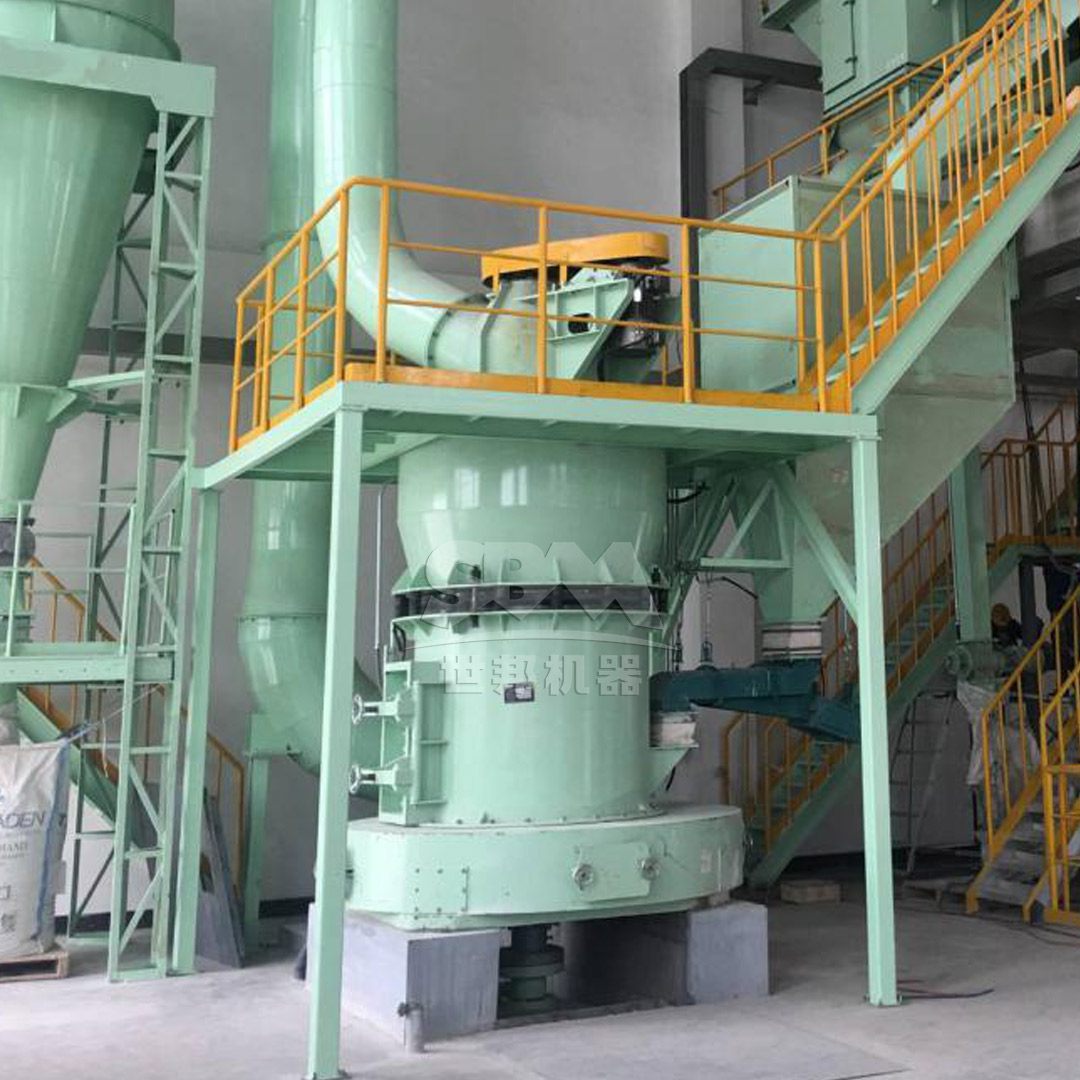
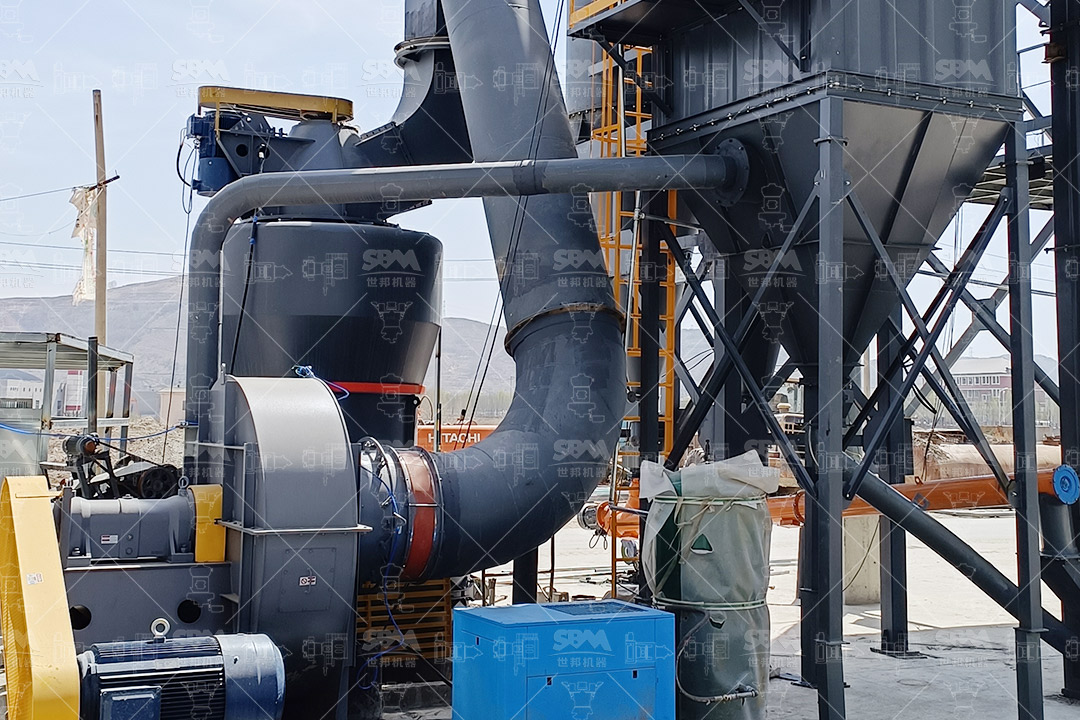
The plastics industry is a cornerstone of modern manufacturing, and its performance is heavily reliant on the quality and characteristics of its additives. Among these, kaolin clay stands out as a critical functional filler, enhancing mechanical strength, thermal stability, dimensional accuracy, and surface finish. However, the transition from raw kaolin ore to a high-performance plastic additive is a technologically intensive process, demanding precision grinding and classification machinery. The selection of the right milling equipment directly dictates the filler’s particle size distribution, morphology, and purity—factors that ultimately determine its efficacy within the polymer matrix. This article explores the critical role of advanced grinding technology in kaolin processing for plastics and highlights key machinery solutions.
Kaolin, or china clay, is a naturally occurring hydrated aluminum silicate. When processed into fine powders, it imparts several valuable properties to plastics:
The realization of these benefits is contingent upon achieving a tightly controlled particle size, typically ranging from coarse fillers (45-600 mesh) for general purpose use to ultrafine products (2500 mesh and above) for high-performance applications. This necessitates a multi-stage, precision-oriented comminution process.
| Application in Plastics | Desired Particle Size Range | Key Property Imparted |
|---|---|---|
| Wire & Cable Insulation | 325 – 600 mesh | Electrical resistance, improved insulation |
| General Purpose Filler (PP, PE) | 800 – 1250 mesh | Stiffness, dimensional stability, cost reduction |
| High-Performance Films & Engineering Plastics | 2500 mesh (5μm) and finer | Surface finish, barrier properties, high reinforcement |
Processing kaolin for plastic filler applications presents distinct technical hurdles that milling equipment must overcome:
A complete kaolin filler production line typically involves primary crushing, drying, and then multiple stages of milling and classification.
Raw kaolin lumps are first reduced to a manageable feed size (typically below 50mm) using crushers like jaw crushers or hammer mills. For secondary crushing to below 20mm, a Hammer Mill is highly effective. Its high-speed rotating hammers deliver a high crushing ratio and stable output of 0-3mm material, providing an ideal feed for subsequent fine grinding stages. Its compact structure and wear-resistant liners make it a robust and low-maintenance choice for this duty.
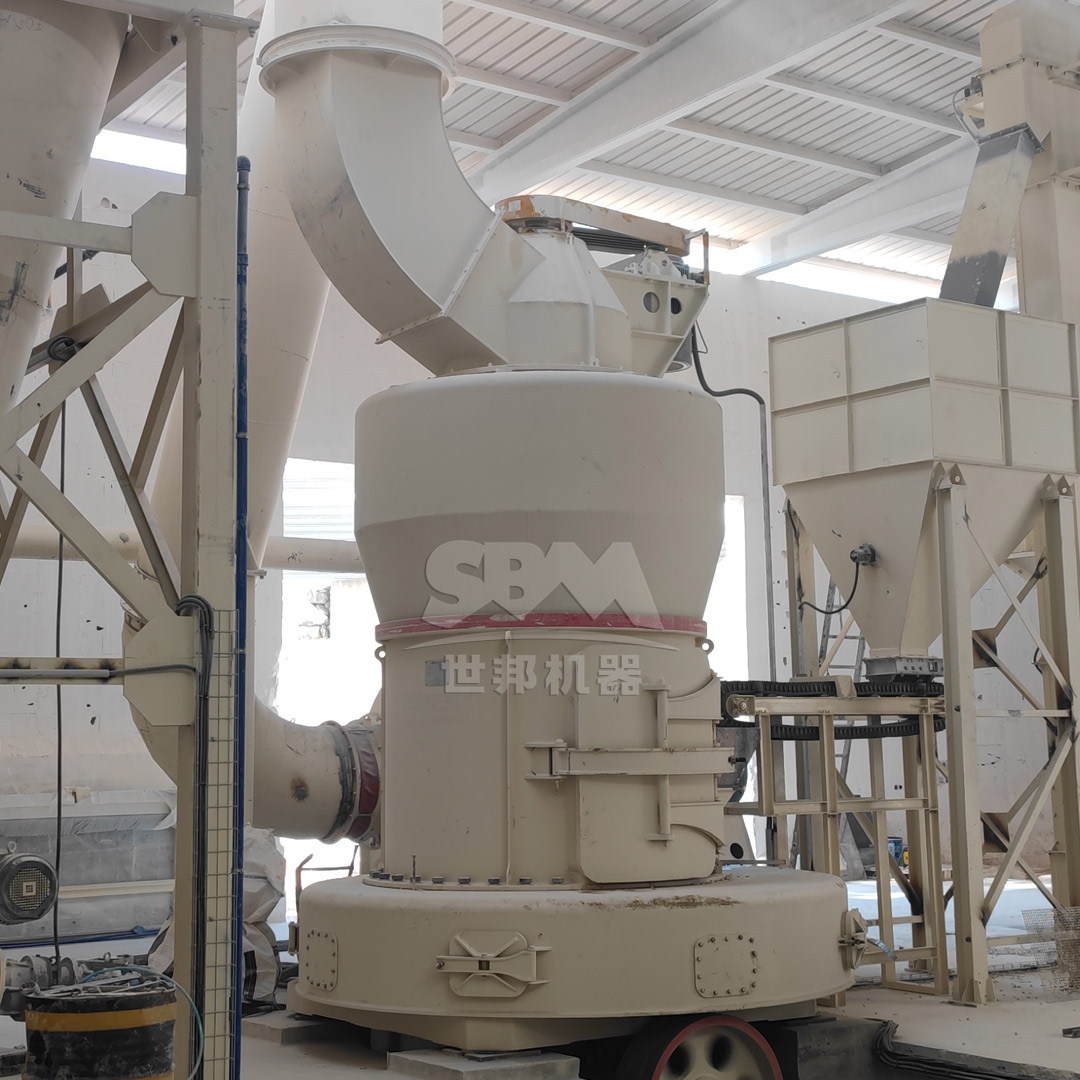
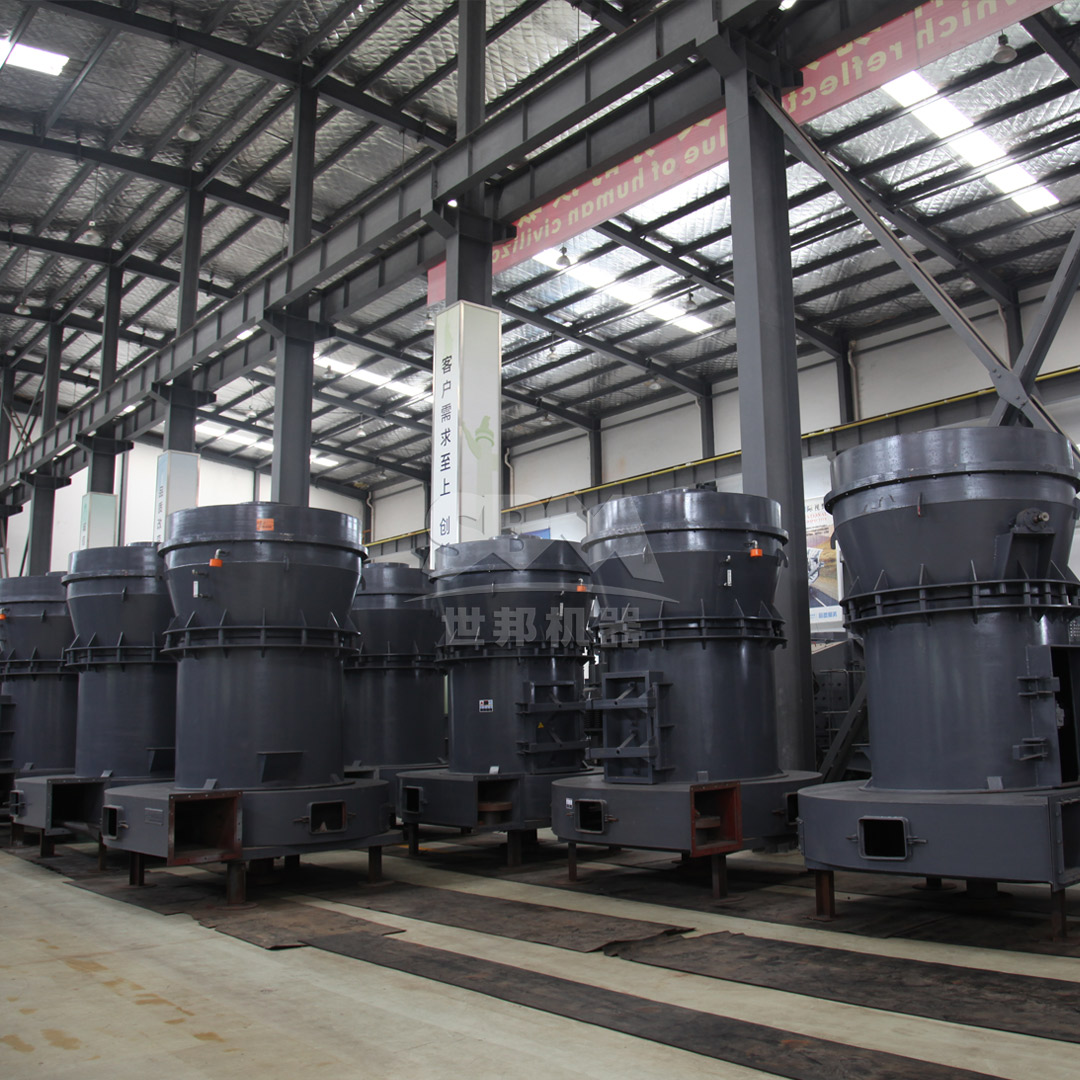
For producing kaolin fillers in the 30-325 mesh (600-45μm) range—a sweet spot for many general plastic applications—the MTW Series European Trapezium Mill represents an optimal solution. This mill is engineered for efficiency and durability in mid-range fineness production.
Its anti-wear shovel design and curved grinding roller profile significantly extend the life of consumable parts, directly reducing maintenance costs and the risk of contamination. The integral bevel gear drive achieves a remarkable 98% transmission efficiency, translating to lower energy consumption for a given output. Furthermore, its optimized arc air duct and wear-resistant volute structure ensure smooth airflow and high classification efficiency, yielding a consistent and uniform product.
With capacities ranging from 3 to 45 tons per hour, the MTW series can be scaled to match production needs. For instance, the MTW215G model, with a main power of 280kW, can process up to 45 t/h of kaolin down to 325 mesh, making it a powerhouse for large-scale filler production lines.
| Model | Capacity (t/h) | Main Power (kW) | Output Fineness (mesh) |
|---|---|---|---|
| MTW138Z | 6-17 | 90 | 10-325 |
| MTW175G | 9.5-25 | 160 | 10-325 |
| MTW215G | 15-45 | 280 | 10-325 |
When the application demands the highest performance—such as in engineering plastics, premium films, or coatings—ultrafine kaolin with a fineness of 325-2500 mesh (45-5μm) is required. This is the domain of the SCM Series Ultrafine Mill, a technological leader in producing superfine powders.
The SCM mill’s core advantage lies in its high-precision classification system. A vertical turbine classifier ensures precise particle size cutting, eliminating coarse powder mixing and guaranteeing a uniform, high-quality finished product. Its design is both high-efficiency and energy-saving, offering capacity that is twice that of traditional jet mills while consuming 30% less energy. Intelligent control with automatic granularity feedback ensures stable operation at the target fineness.
Durability is engineered into its core with special material rollers and rings that extend service life several times over, and a shaftless screw grinding chamber that promotes stable material flow. For environmentally sensitive plants, its pulse dust collection system exceeds international standards, and soundproof room design keeps noise to a minimum.
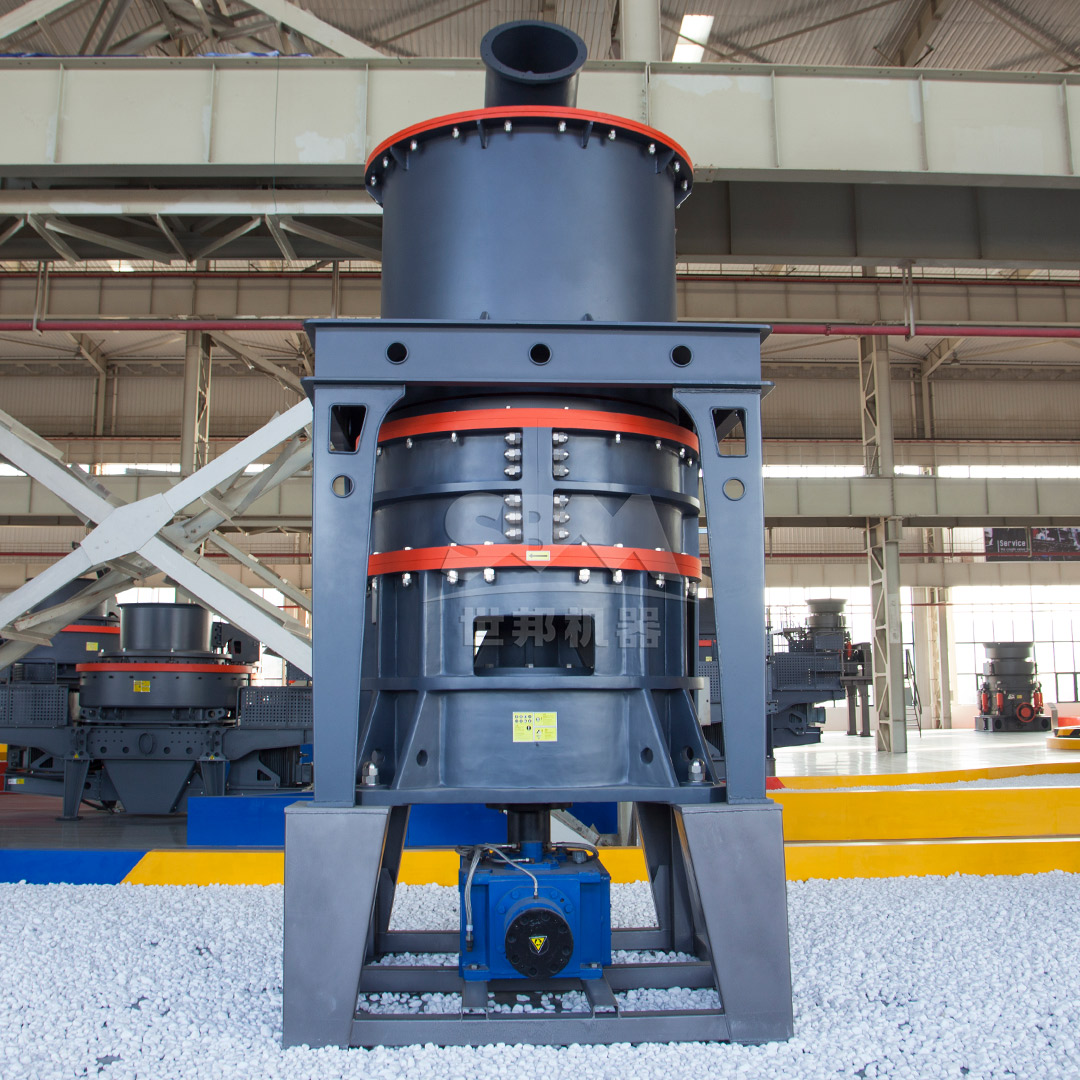
The working principle involves a multi-layer grinding ring system where material is crushed layer by layer under roller pressure. For a plastics producer aiming for the top tier of filler quality, the SCM1250 model is a standout choice. With a capacity of 2.5-14 t/h and a main power of 185kW, it can reliably produce kaolin at 2500 mesh, enabling the development of high-value, high-performance plastic composites.
Successful kaolin filler manufacturing involves more than just a mill. A holistic system approach is essential:
The quality of kaolin filler is inextricably linked to the sophistication of the grinding technology employed. For plastics manufacturers and mineral processors, investing in advanced machinery like the MTW Series European Trapezium Mill for high-volume fine grinding and the SCM Series Ultrafine Mill for premium ultrafine products is an investment in product quality, operational efficiency, and market competitiveness. These mills address the core challenges of precision, contamination control, energy use, and environmental compliance head-on. By selecting the right mechanical partners and technology, producers can transform raw kaolin into a high-value, performance-defining additive that meets the exacting standards of the global plastics industry.