Thermal paper coating represents one of the most demanding applications for kaolin, requiring precise control over particle size distribution, morphology, and surface chemistry. The performance characteristics of thermal paper—including print quality, sensitivity, and head wear—are directly influenced by the quality of the kaolin coating. This article examines the critical relationship between kaolin particle size optimization and thermal paper performance, with particular focus on advanced grinding technologies that enable manufacturers to achieve superior coating results.
Kaolin, or china clay, serves as a fundamental component in thermal paper coatings due to its unique combination of properties: excellent whiteness, low abrasiveness, good ink receptivity, and thermal stability. In thermal paper applications, kaolin functions as both a filler and coating pigment, providing the necessary surface properties for thermal print heads to create crisp, durable images.
The specific demands of thermal paper coating necessitate kaolin with carefully controlled characteristics:
| Parameter | Requirement | Impact on Performance |
|---|---|---|
| Particle Size (D50) | 0.8-1.2 μm | Affects coating smoothness and print resolution |
| Top Cut (D97) | <5 μm | Prevents thermal head wear and ensures uniform heat transfer |
| Brightness | >88% ISO | Enhances print contrast and visual appeal |
| Abrasion Value | <5 mg | Minimizes thermal head wear |
| Particle Shape | Platy/Hexagonal | Improves coating structure and barrier properties |
Achieving the optimal particle size distribution for thermal paper coatings requires sophisticated grinding and classification technologies. The target particle size distribution typically follows a bimodal pattern, with fine particles providing smoothness and larger platy particles creating the necessary coating structure.
For thermal paper applications, several particle size parameters require precise control:
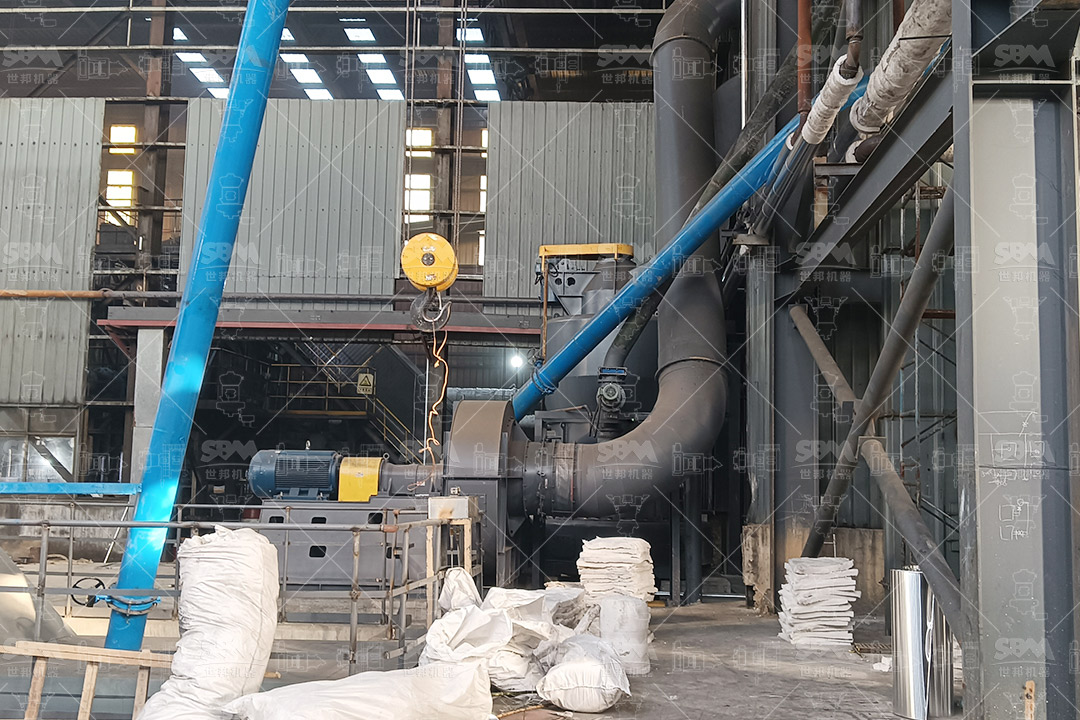
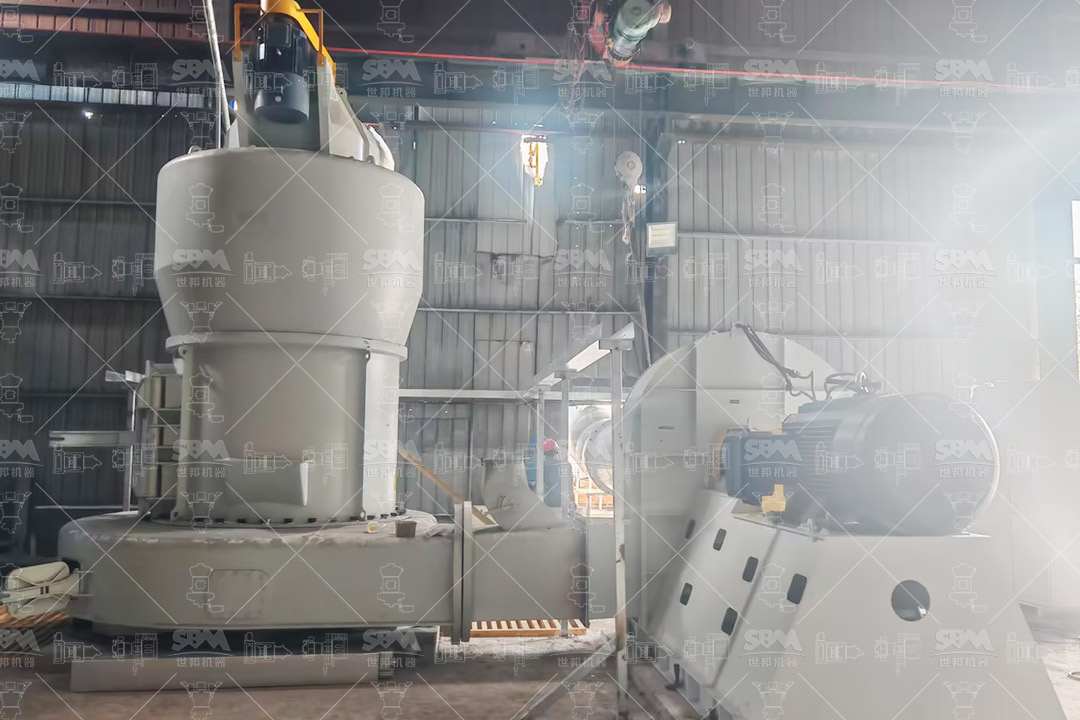
Modern kaolin processing for thermal paper applications demands grinding equipment capable of precise particle size control, high efficiency, and consistent product quality. Several grinding technologies have proven particularly effective for this demanding application.
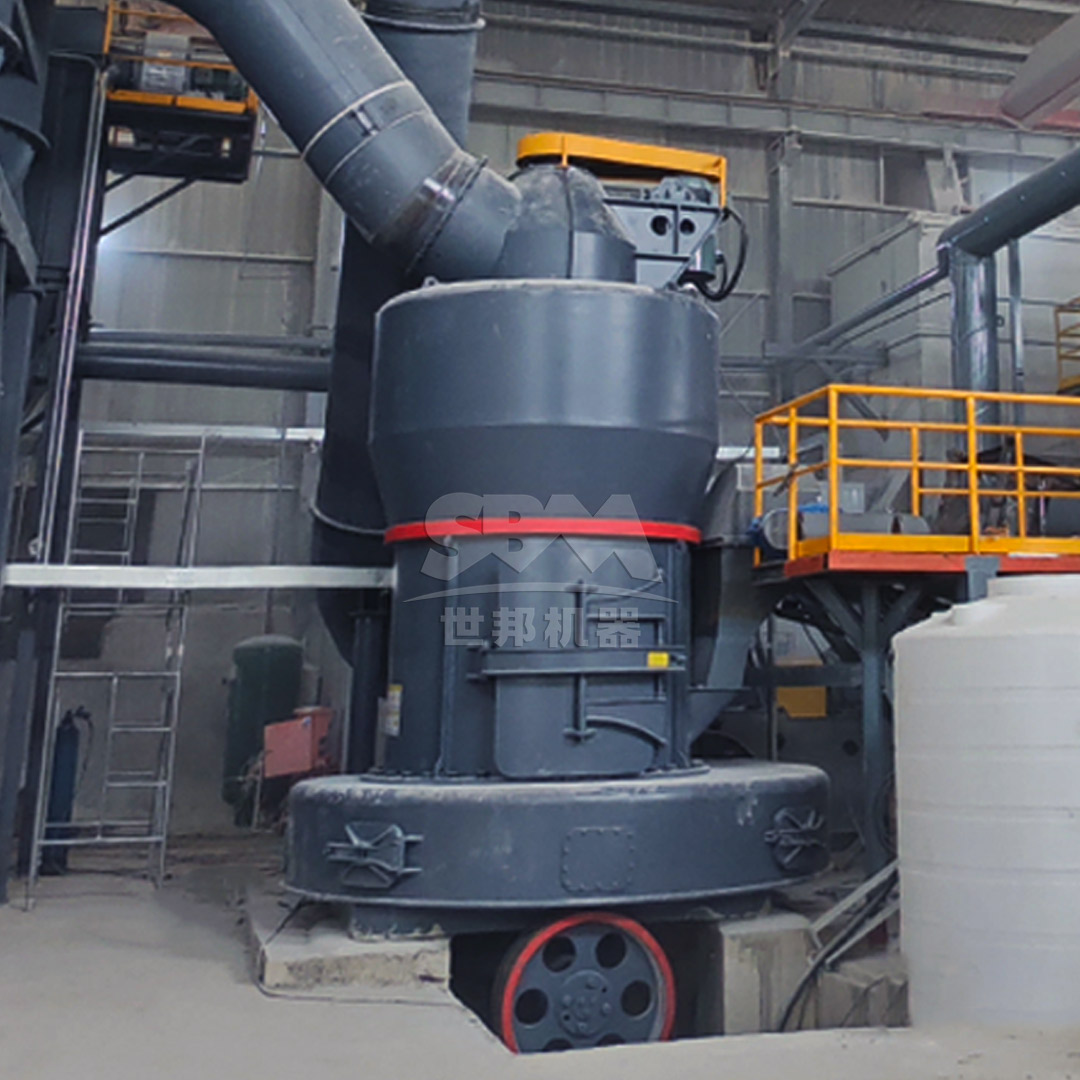
For thermal paper coating applications requiring the finest particle sizes and tightest distribution control, the SCM Ultrafine Mill represents an optimal solution. This advanced grinding system delivers precisely the particle characteristics demanded by thermal paper manufacturers:
The SCM series achieves these results through its unique grinding principle: main motor-driven triple-layer grinding rings create centrifugal force that disperses material through grinding channels, with roller pressing achieving progressive size reduction. The integrated cyclone collector and pulse dust removal system ensure efficient powder collection with minimal product loss.
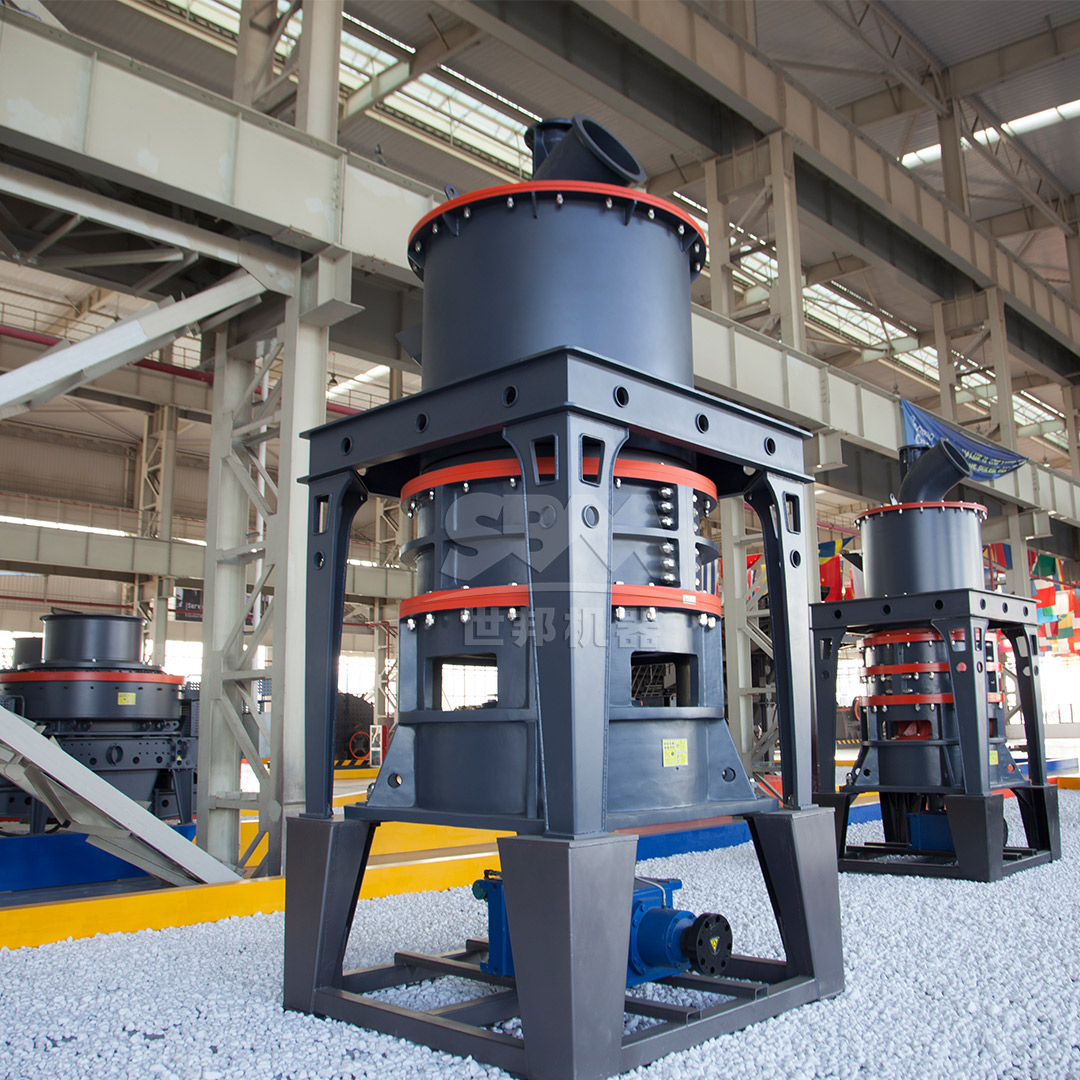
For thermal paper coating plants with medium to high capacity requirements, the SCM1250 model offers an excellent balance of performance and efficiency, with 2.5-14 ton/h processing capacity and 185kW main motor power. The system’s ability to maintain consistent D97≤5μm output makes it particularly valuable for thermal paper applications where oversized particles can cause significant quality issues.
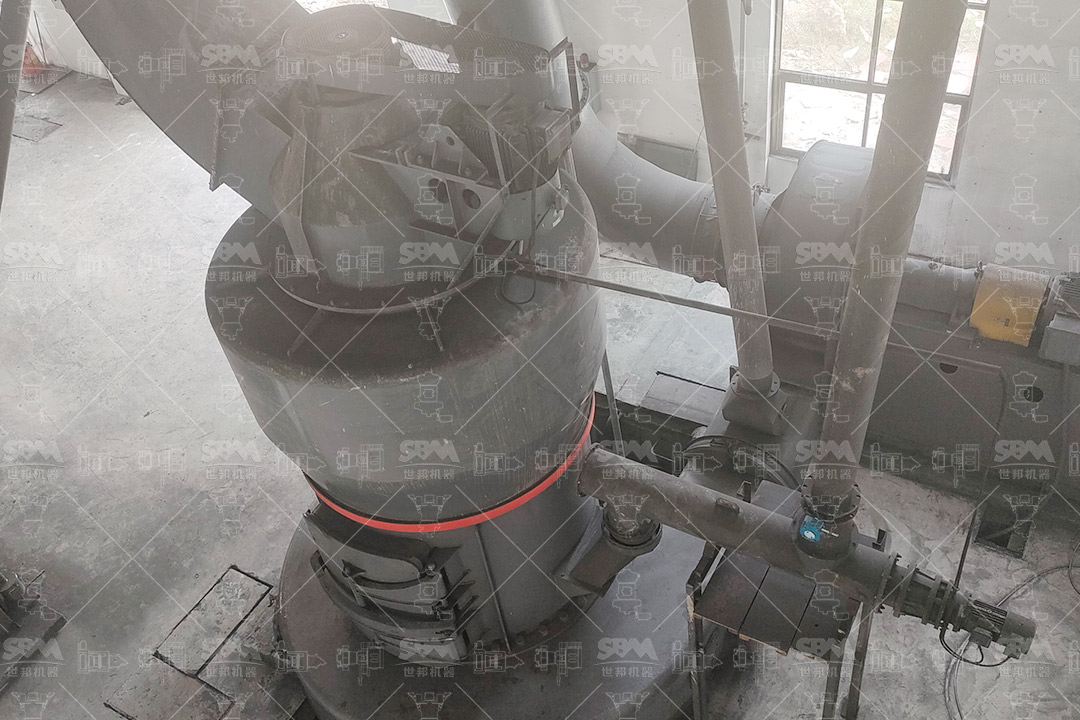
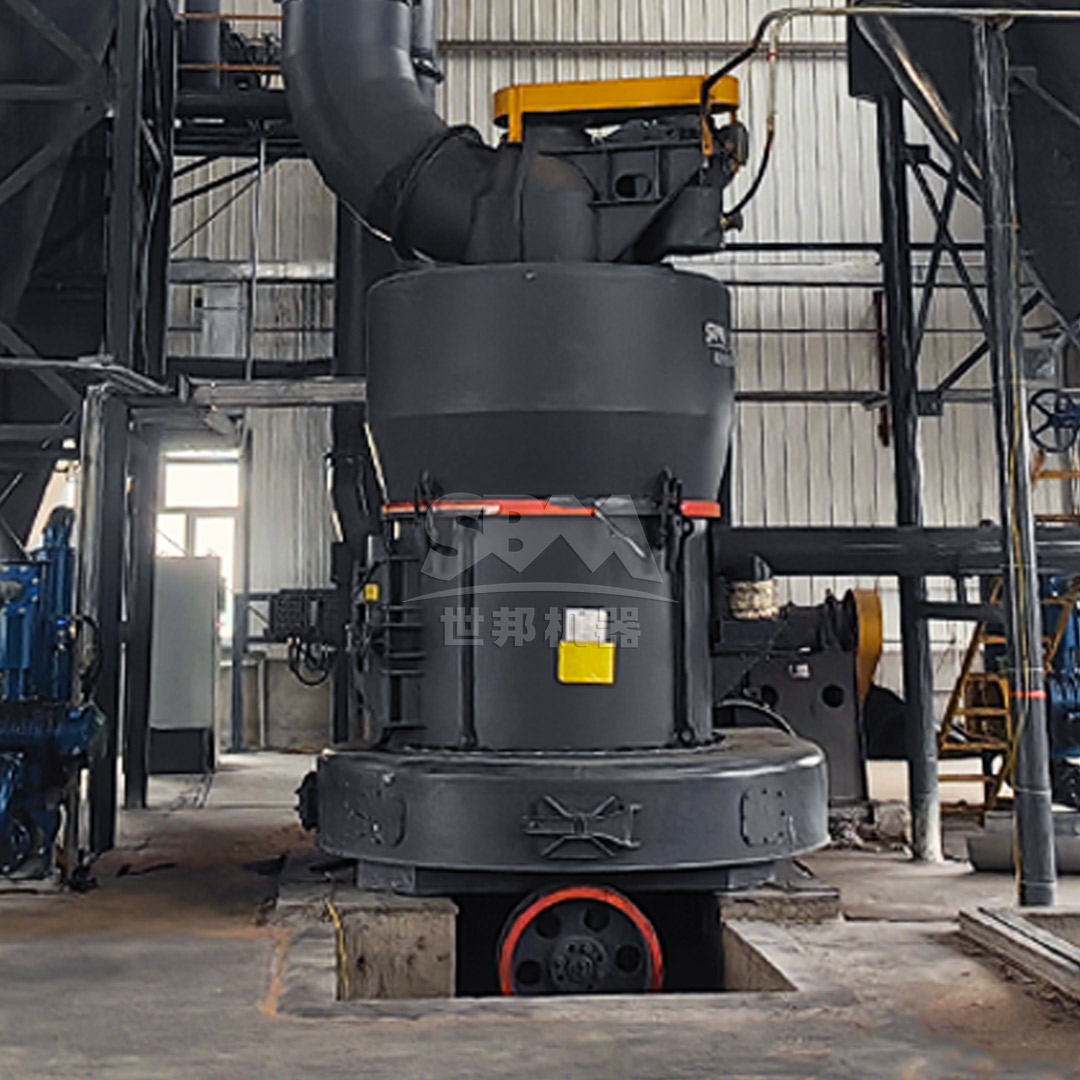
For operations requiring higher throughput while maintaining precise particle size control, the MTW Series Trapezium Mill provides an excellent alternative. With output fineness ranging from 30-325 mesh and processing capacity from 3-45 tons per hour, this system offers:
The MTW series operates through a unique principle where the main motor drives grinding rollers to revolve around the central axis while rotating themselves, generating centrifugal force. Shovels throw material between the grinding ring and rollers to form a material layer, achieving efficient crushing through extrusion forces.
The relationship between kaolin particle size and thermal paper performance is complex and multifaceted. Understanding these relationships enables manufacturers to optimize their grinding processes for specific performance requirements.
| Performance Parameter | Optimal Particle Size Range | Grinding Technology Consideration |
|---|---|---|
| Print Density and Contrast | D50: 0.8-1.0 μm | Requires precise classification to eliminate fines |
| Thermal Head Life | D97: <4 μm | Demands effective removal of oversized particles |
| Coating Smoothness | D90: <2.5 μm | Needs narrow particle size distribution |
| Developer Reactivity | Controlled fines content | Requires consistent grinding conditions |
| Color Development | Balanced particle distribution | Benefits from multi-stage classification |
A major thermal paper manufacturer recently upgraded their kaolin grinding circuit with an SCM1000 Ultrafine Mill to address quality issues with their existing ball mill system. The results demonstrated significant improvements:
The SCM system’s vertical turbine classifier proved particularly effective at maintaining the critical D97<5μm specification, while the pulse dust removal system ensured minimal product loss and environmental compliance.
Selecting the appropriate grinding technology involves balancing capital investment, operating costs, and product quality requirements. For thermal paper applications, where product quality directly impacts customer satisfaction and brand reputation, the economic analysis must consider both direct and indirect factors.
When evaluating grinding systems for thermal paper kaolin, manufacturers should consider:
The SCM Ultrafine Mill demonstrates particularly favorable economics for thermal paper applications due to its combination of energy efficiency (30% reduction versus jet mills), low wear part consumption (special material rollers and grinding rings), and minimal maintenance requirements (bearing-free screw grinding chamber).
The thermal paper industry continues to evolve, with emerging trends placing new demands on kaolin grinding technology:
As thermal paper applications expand into medical, financial, and labeling markets, quality requirements continue to tighten. Future grinding systems will need to provide:
The next generation of kaolin grinding systems will increasingly incorporate digital technologies:
Optimizing kaolin particle size for thermal paper coating requires a sophisticated approach to grinding technology selection and operation. The precise control offered by advanced grinding systems like the SCM Ultrafine Mill and MTW Series Trapezium Mill enables thermal paper manufacturers to achieve the exact particle characteristics needed for superior performance. As quality requirements continue to tighten and economic pressures increase, investing in the right grinding technology becomes increasingly critical for maintaining competitiveness in the thermal paper market.
By understanding the relationship between particle size parameters and thermal paper performance, and implementing appropriate grinding solutions, manufacturers can achieve significant improvements in product quality, operational efficiency, and total cost of ownership. The continuing evolution of grinding technology promises even greater opportunities for optimization in the years ahead.