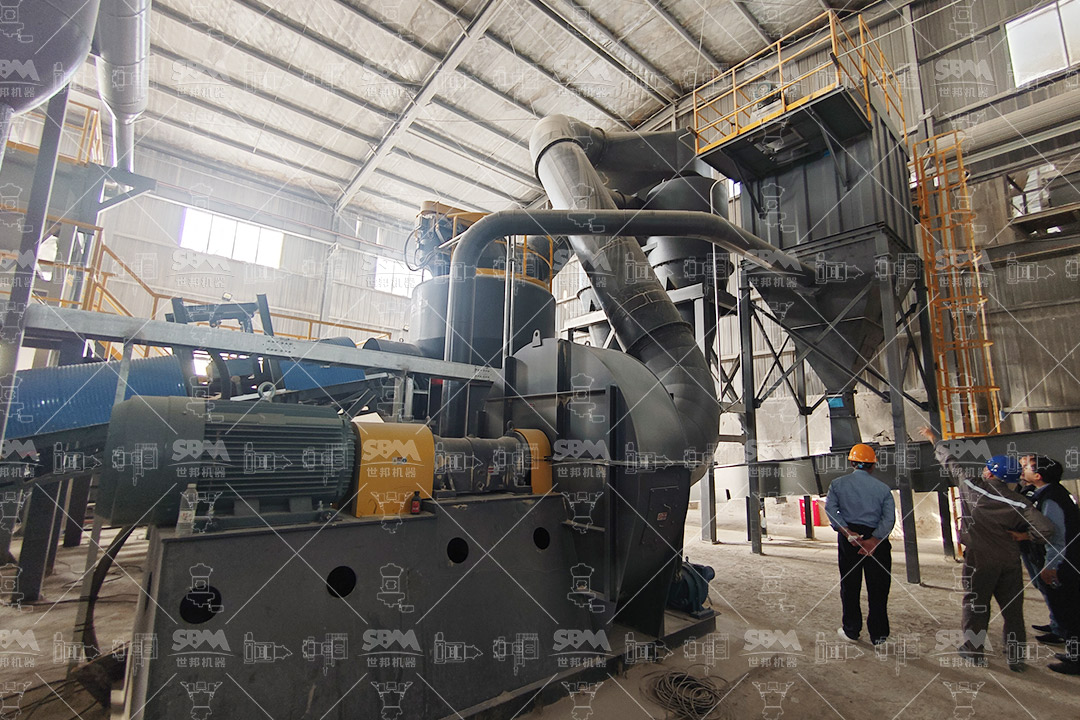
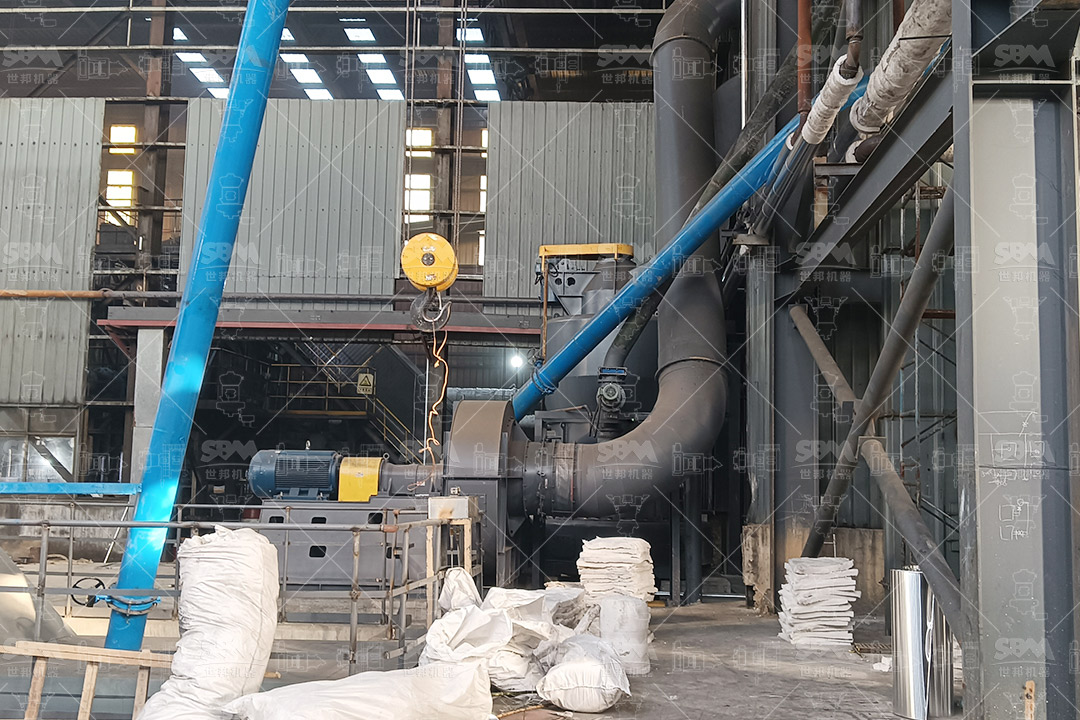
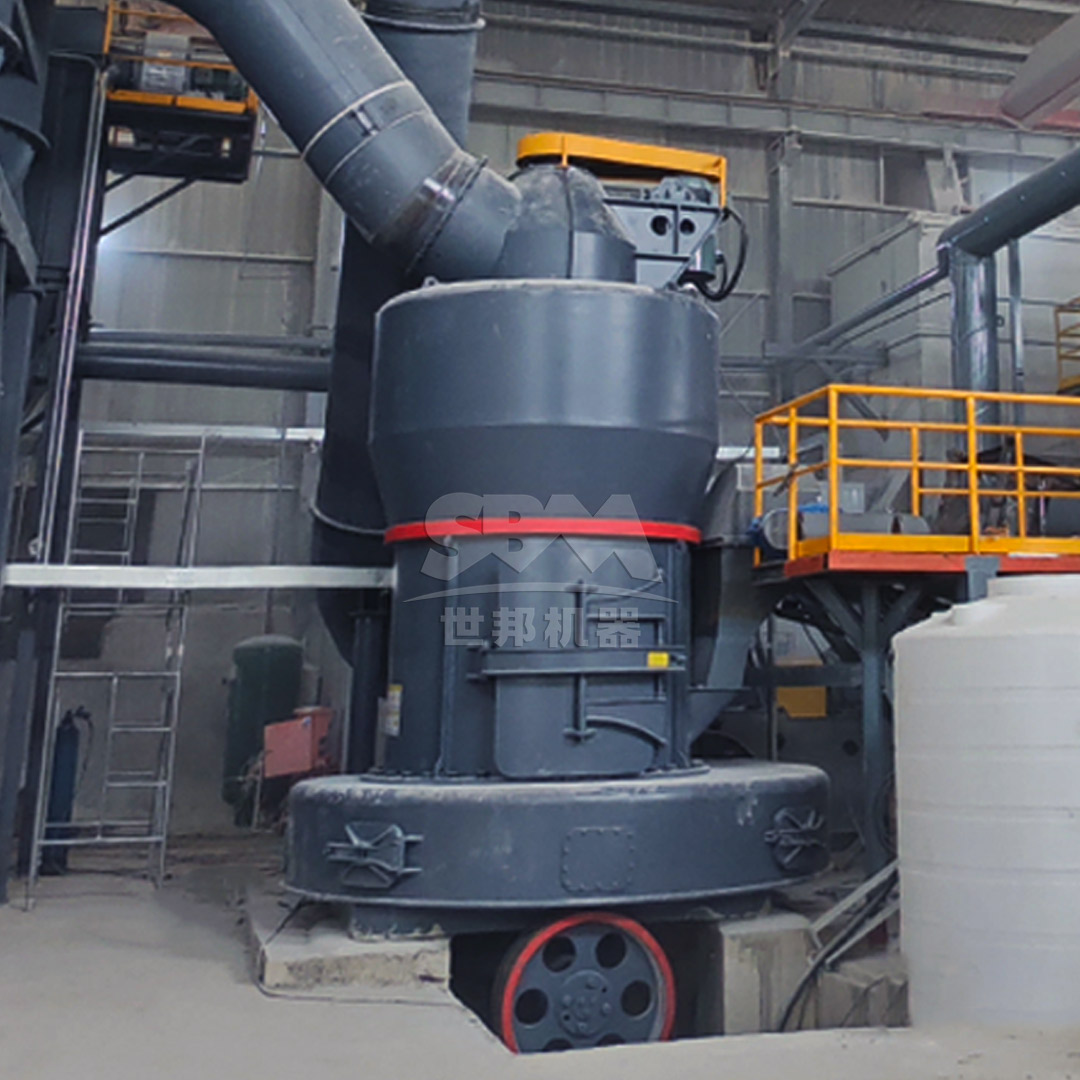
Kaolin, also known as china clay, plays a pivotal role in the production of high-gloss paper due to its exceptional properties such as brightness, opacity, and smooth surface finish. The quality of kaolin powder directly influences the final paper product’s gloss, printability, and overall aesthetic appeal. To achieve the desired characteristics, kaolin must be processed to specific fineness levels, typically ranging from 325 to 2500 mesh, ensuring uniform particle distribution and minimal impurities. This article explores the critical aspects of kaolin grinding technology and highlights advanced milling solutions that optimize production efficiency and product quality for high-gloss paper applications.
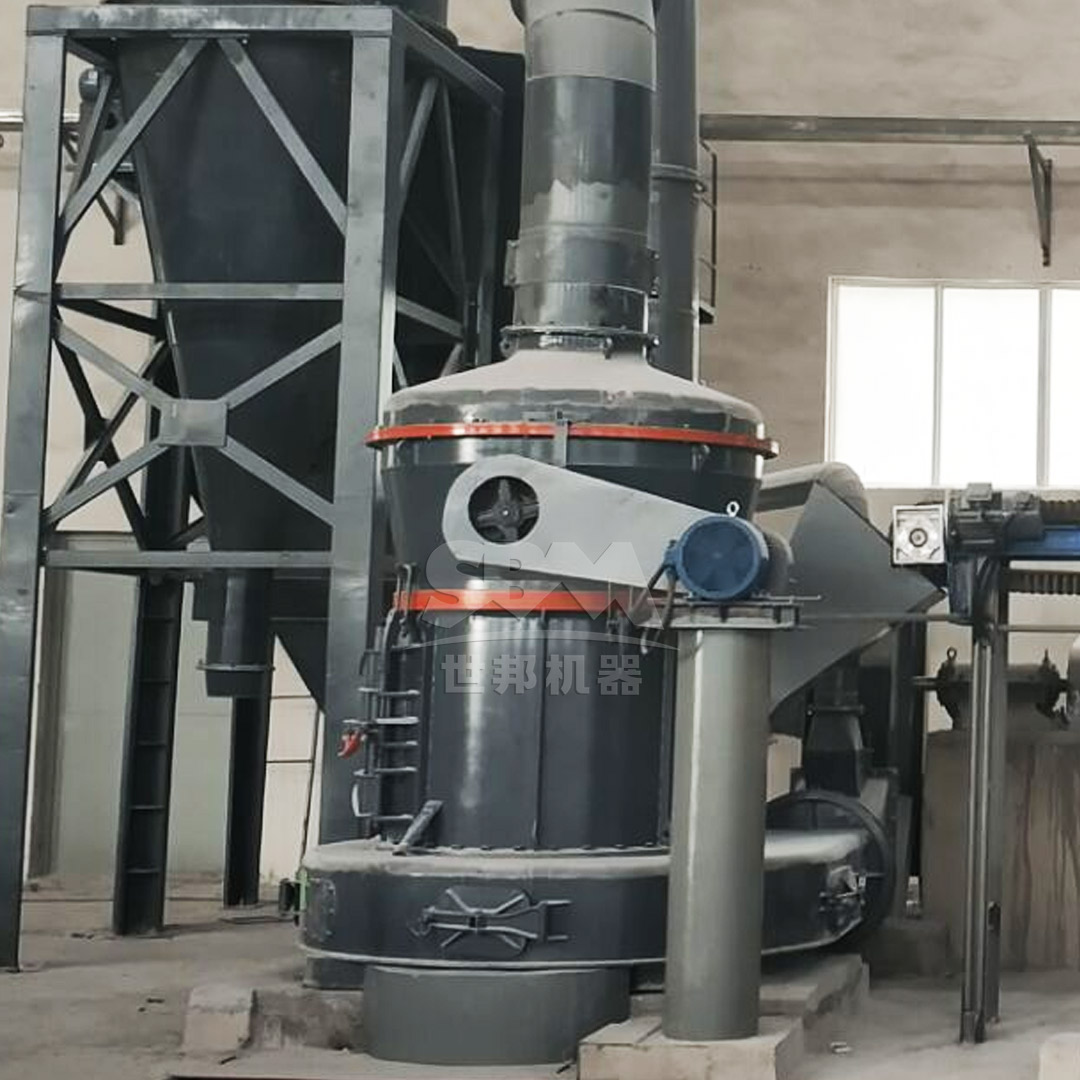
The particle size distribution of kaolin powder is crucial for achieving high-gloss paper coatings. Finer particles fill microscopic voids in the paper surface, creating a smoother substrate for printing. Additionally, controlled particle size enhances light reflection, which directly contributes to the paper’s glossiness. Advanced grinding mills with precise classification systems are essential to maintain consistent particle size distribution throughout the production process.
High-gloss paper manufacturing demands kaolin powder with specific technical specifications. The powder must have a narrow particle size distribution, high brightness (typically >85%), and low abrasion properties to protect processing equipment. Furthermore, the grinding process must be energy-efficient and environmentally friendly to meet modern industrial standards. The following table summarizes key technical requirements for kaolin used in high-gloss paper production:
| Parameter | Requirement | Importance |
|---|---|---|
| Particle Size (D97) | 5-45μm (325-2500 mesh) | Determines surface smoothness and gloss |
| Brightness | >85% ISO | Affects paper whiteness and print contrast |
| Abrasion Index | <10mg | Protects processing equipment from wear |
| Moisture Content | <1% | Ensures proper coating adhesion and drying |
| Chemical Purity | Low iron and titanium content | Prevents discoloration and maintains brightness |
Grinding kaolin to the required fineness presents several challenges, including maintaining product whiteness throughout the process, minimizing contamination from grinding media, and achieving energy efficiency. Traditional grinding methods often fail to meet these requirements simultaneously, necessitating advanced milling technologies specifically designed for mineral processing applications.
Modern kaolin processing facilities require grinding equipment that combines precision, efficiency, and reliability. Among the various options available, ultrafine grinding mills have proven particularly effective for producing the fine kaolin powders needed for high-gloss paper coatings. These mills incorporate advanced classification systems that ensure precise particle size control while minimizing energy consumption.
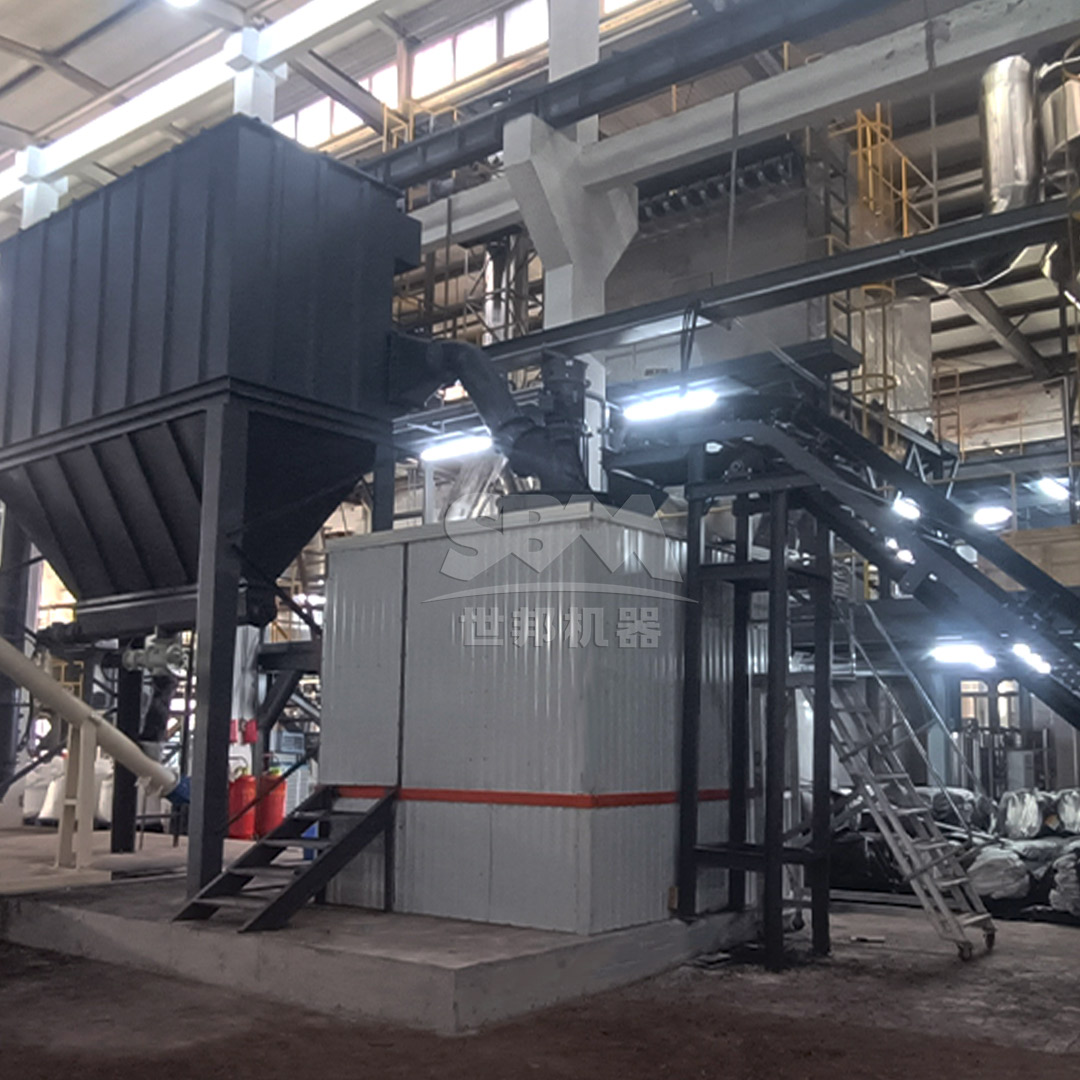
For high-gloss paper applications requiring extremely fine kaolin powders, our SCM Series Ultrafine Mill represents the ideal solution. This advanced grinding system offers several distinct advantages for kaolin processing:
The SCM Ultrafine Mill operates through a multi-layer grinding principle, where the main motor drives three layers of grinding rings to rotate. Kaolin material is dispersed into the grinding path by centrifugal force, undergoes roller compression crushing, and is progressively ground through multiple layers. The final powder collection is completed by a cyclone collector and pulse dust removal system, ensuring high product recovery rates.
| Model | Processing Capacity (ton/h) | Main Motor Power (kW) | Output Fineness (mesh) | Suitable Production Scale |
|---|---|---|---|---|
| SCM800 | 0.5-4.5 | 75 | 325-2500 | Pilot to small-scale production |
| SCM1000 | 1.0-8.5 | 132 | 325-2500 | Medium-scale production |
| SCM1250 | 2.5-14 | 185 | 325-2500 | Large-scale production |
| SCM1680 | 5.0-25 | 315 | 325-2500 | High-volume production |
For applications requiring slightly coarser kaolin powders or when processing capacity is a primary concern, our MTW Series Trapezium Mill offers an excellent balance between performance and operating costs. With output fineness ranging from 30-325 mesh and processing capacities up to 45 tons per hour, this mill is particularly suitable for large-scale kaolin processing plants supplying multiple paper manufacturers.
Achieving the optimal kaolin powder characteristics for high-gloss paper requires careful adjustment of grinding parameters. The moisture content of feed material, grinding pressure, classifier speed, and air volume must be precisely controlled to produce powder with the desired properties. Modern grinding mills equipped with intelligent control systems automatically adjust these parameters based on real-time feedback, ensuring consistent product quality despite variations in raw material characteristics.
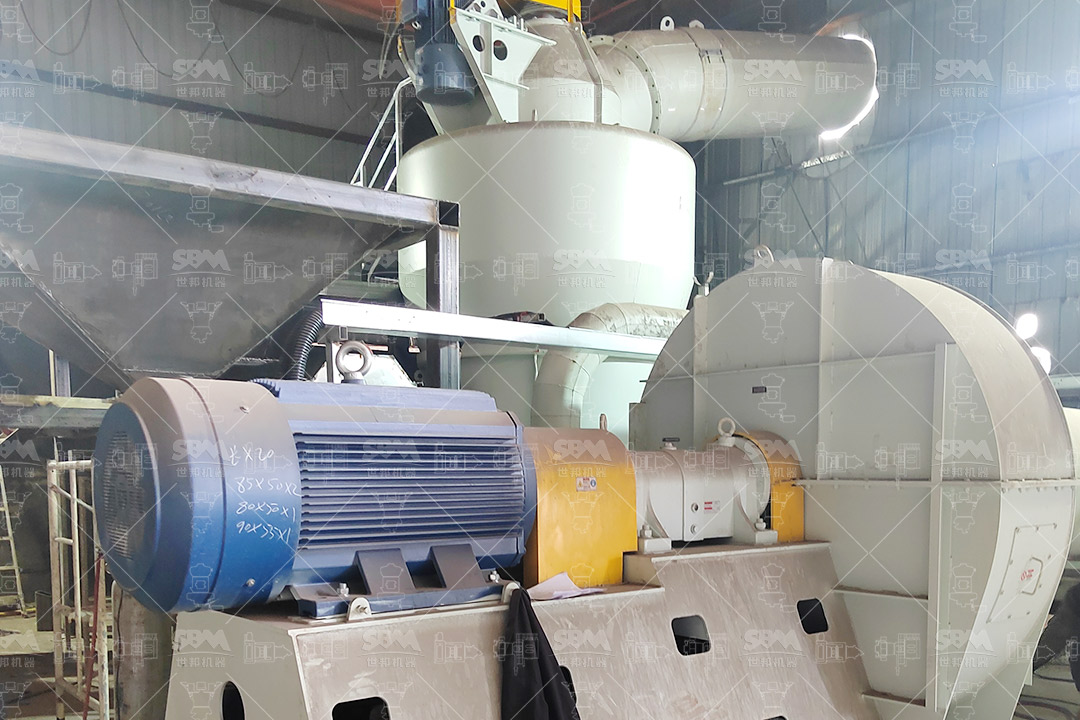
Rigorous quality control throughout the grinding process is essential for producing kaolin powder suitable for high-gloss paper. Regular testing of particle size distribution, brightness, and abrasiveness ensures that the final product meets paper manufacturers’ specifications. Advanced grinding mills incorporate online monitoring systems that provide real-time data on these critical parameters, enabling immediate adjustments when necessary.
Beyond technical performance, modern kaolin grinding operations must address economic and environmental concerns. Energy consumption represents a significant portion of operating costs in kaolin processing, making energy-efficient grinding technologies particularly valuable. Additionally, dust control and noise reduction are critical for maintaining regulatory compliance and ensuring worker safety. The SCM Ultrafine Mill addresses these concerns through its optimized design, which minimizes energy consumption while incorporating advanced dust collection and noise reduction features.
When evaluating grinding equipment for kaolin processing, paper manufacturers should consider not only the initial investment but also the total lifecycle cost. Mills with durable components and efficient designs typically offer lower operating costs over their service life, despite potentially higher initial purchase prices. The extended service life of grinding components in the SCM Ultrafine Mill, for example, reduces replacement frequency and associated downtime, contributing to lower overall processing costs.
The future of kaolin grinding for paper applications will likely see increased integration of digital technologies, including IoT connectivity for remote monitoring and predictive maintenance. These advancements will further enhance operational efficiency and product consistency. Additionally, continued developments in classifier technology will enable even tighter particle size distributions, potentially opening new applications for kaolin in specialty paper products.
As sustainability becomes increasingly important in the paper industry, kaolin grinding operations are evolving to minimize their environmental footprint. This includes not only reducing energy consumption but also implementing closed-loop water systems and exploring renewable energy sources for powering grinding operations. Modern grinding mills with high energy efficiency contribute significantly to these sustainability goals.
The production of high-quality kaolin powder for high-gloss paper manufacturing requires advanced grinding technology that combines precision, efficiency, and reliability. The SCM Series Ultrafine Mill, with its ability to produce kaolin powder in the 325-2500 mesh range (D97≤5μm) while offering significant energy savings and operational benefits, represents an optimal solution for paper manufacturers seeking to enhance their product quality and competitive position. As paper coating technologies continue to evolve, partnerships with equipment suppliers offering technically advanced and economically viable grinding solutions will become increasingly important for success in the global paper market.