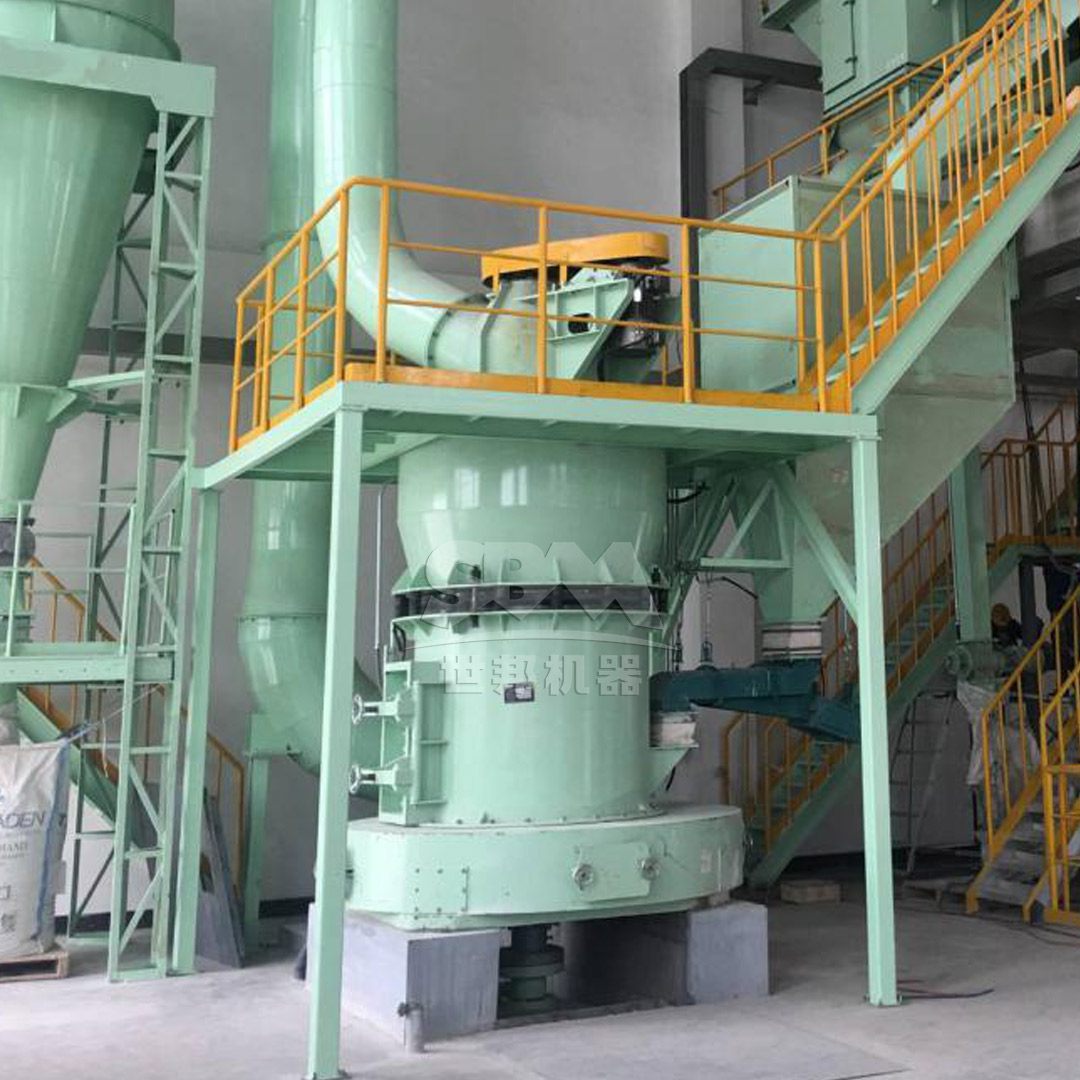
Kaolin, a naturally occurring hydrated aluminum silicate clay mineral, holds a position of significant importance in the pharmaceutical industry. Its unique properties—including high adsorption capacity, chemical inertness, and excellent suspension characteristics—make it an essential excipient in numerous formulations. Primarily, it serves as a diluent in tablets and capsules, a suspending agent in liquid preparations, and a mild abrasive in dermatological pastes. The efficacy and safety of kaolin in these applications are intrinsically linked to its physical characteristics, most notably its particle size distribution (PSD), purity, and morphology. Achieving the stringent specifications required for pharmaceutical-grade kaolin necessitates advanced, precise, and reliable powder processing equipment. This article explores the technological requirements for kaolin processing in pharmaceutical contexts and highlights key equipment solutions.
The transition from raw kaolin to a pharmacopoeia-compliant ingredient involves several critical processing stages: crushing, drying, grinding, classification, and dedusting. Each stage must be meticulously controlled to meet the following specifications:
Traditional milling systems like ball mills can introduce contamination, have poor energy efficiency, and offer limited control over PSD. Therefore, modern pharmaceutical kaolin processing leans towards more advanced, dry grinding technologies.
The selection of grinding and classification equipment is paramount. Ideal systems offer integrated crushing, grinding, classification, and collection in a closed, automated loop.
For high-value pharmaceutical applications requiring kaolin in the micron and sub-micron range, ultrafine grinding mills coupled with high-efficiency classifiers are non-negotiable. These systems must deliver a top-cut particle size with minimal oversize or “tail” in the distribution, ensuring product uniformity. The grinding mechanism should be a combination of compression, shear, and attrition to produce particles with the desired morphology without excessive heat buildup.
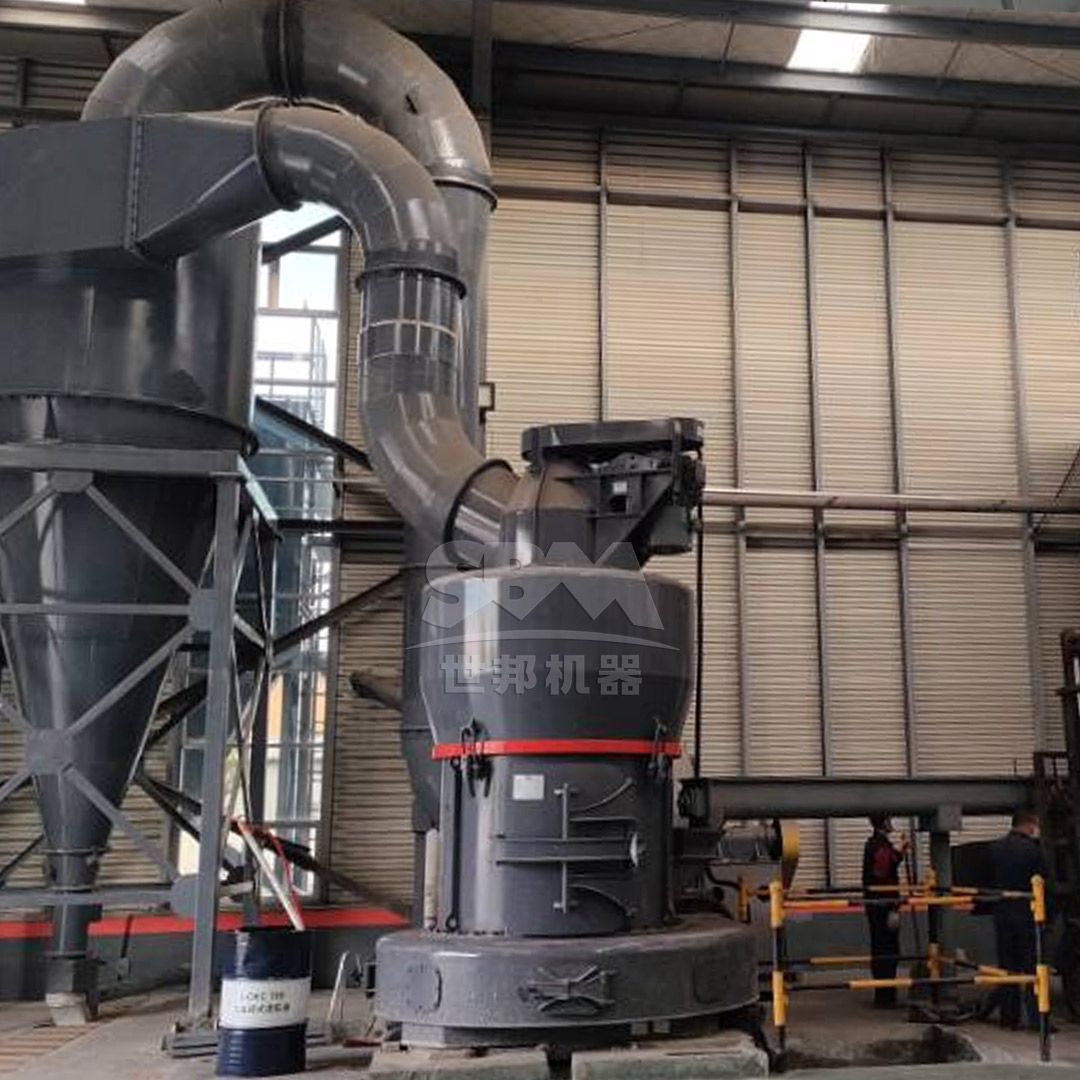
Pharmaceutical processing demands systems that ensure product containment and prevent cross-contamination. This involves fully enclosed negative-pressure operation, high-efficiency pulse-jet dust collectors with HEPA-grade filtration, and designs that allow for easy cleaning and maintenance. Sanitary design principles, such as smooth surfaces and minimal dead zones, are increasingly important.
Consistency is king in pharmaceutical manufacturing. Modern mills feature PLC-based control systems that allow for precise setting and automatic maintenance of key parameters like classifier speed, grinding pressure, and feed rate. Real-time monitoring of temperature, pressure, and motor load helps in maintaining optimal conditions and provides valuable data for Quality by Design (QbD) initiatives and batch record documentation.
Based on the rigorous requirements outlined above, specific milling technologies stand out as particularly suitable for processing kaolin for pharmaceutical use.
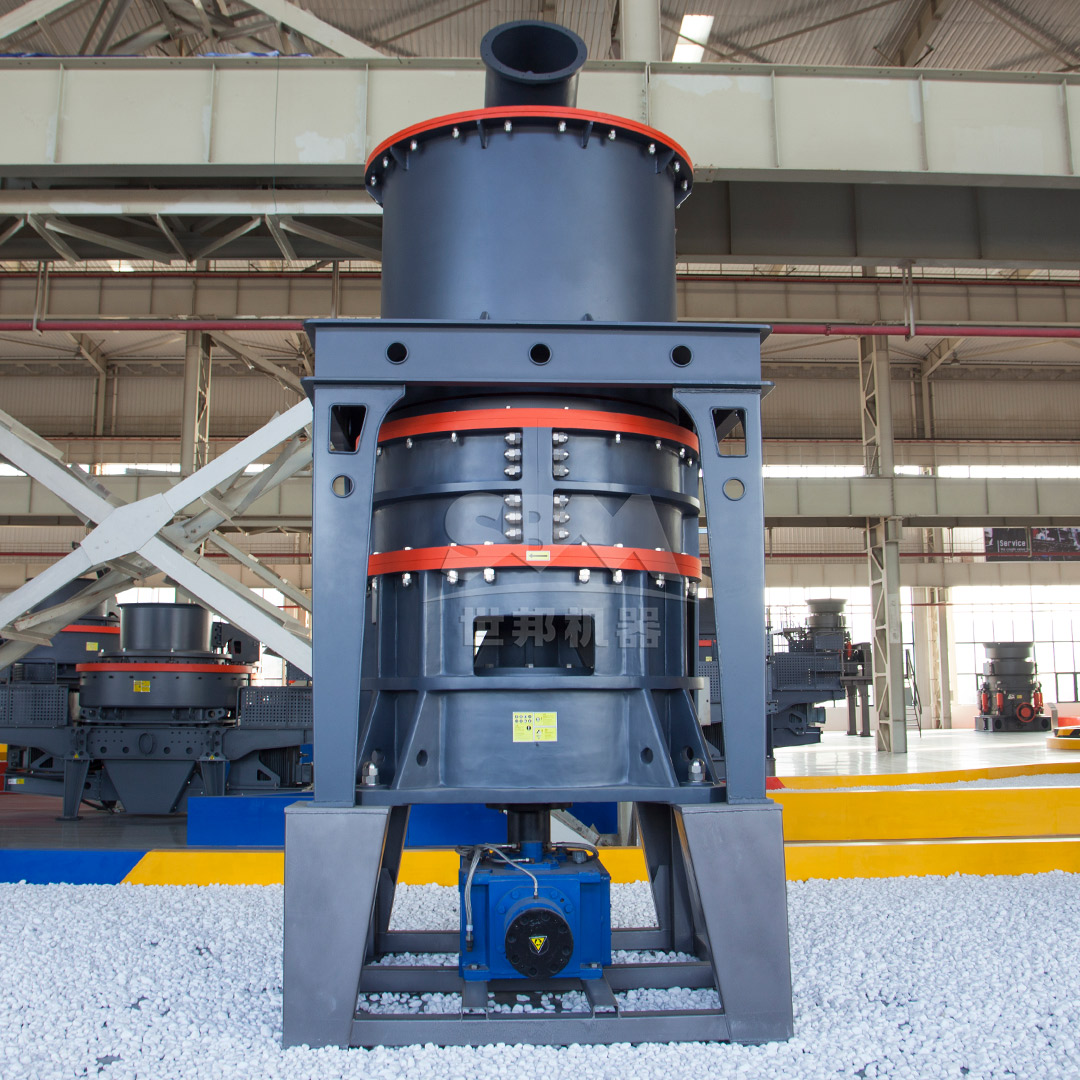
For applications demanding the finest kaolin powders (325-2500 mesh), the SCM Series Ultrafine Mill represents an optimal solution. Its design directly addresses the pharmaceutical industry’s needs for precision, purity, and efficiency.
| Model | Capacity (t/h) | Output Fineness | Main Power |
|---|---|---|---|
| SCM800 | 0.5 – 4.5 | 325-2500 mesh | 75 kW |
| SCM900 | 0.8 – 6.5 | 325-2500 mesh | 90 kW |
| SCM1000 | 1.0 – 8.5 | 325-2500 mesh | 132 kW |
The SCM mill’s working principle—where material is centrifugally dispersed and ground layer-by-layer between rollers and rings—provides a gentle yet effective grinding action suitable for kaolin’s structure.
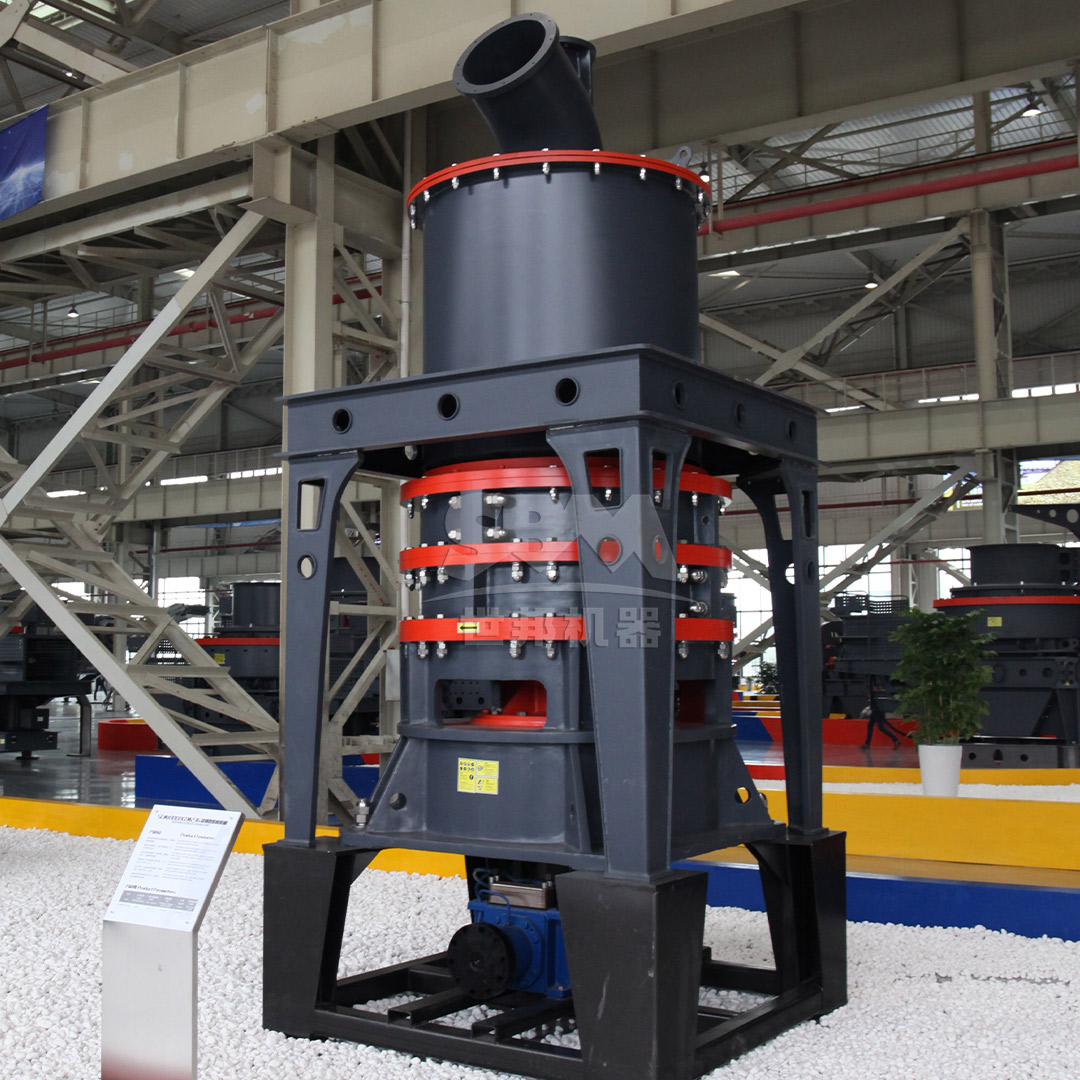
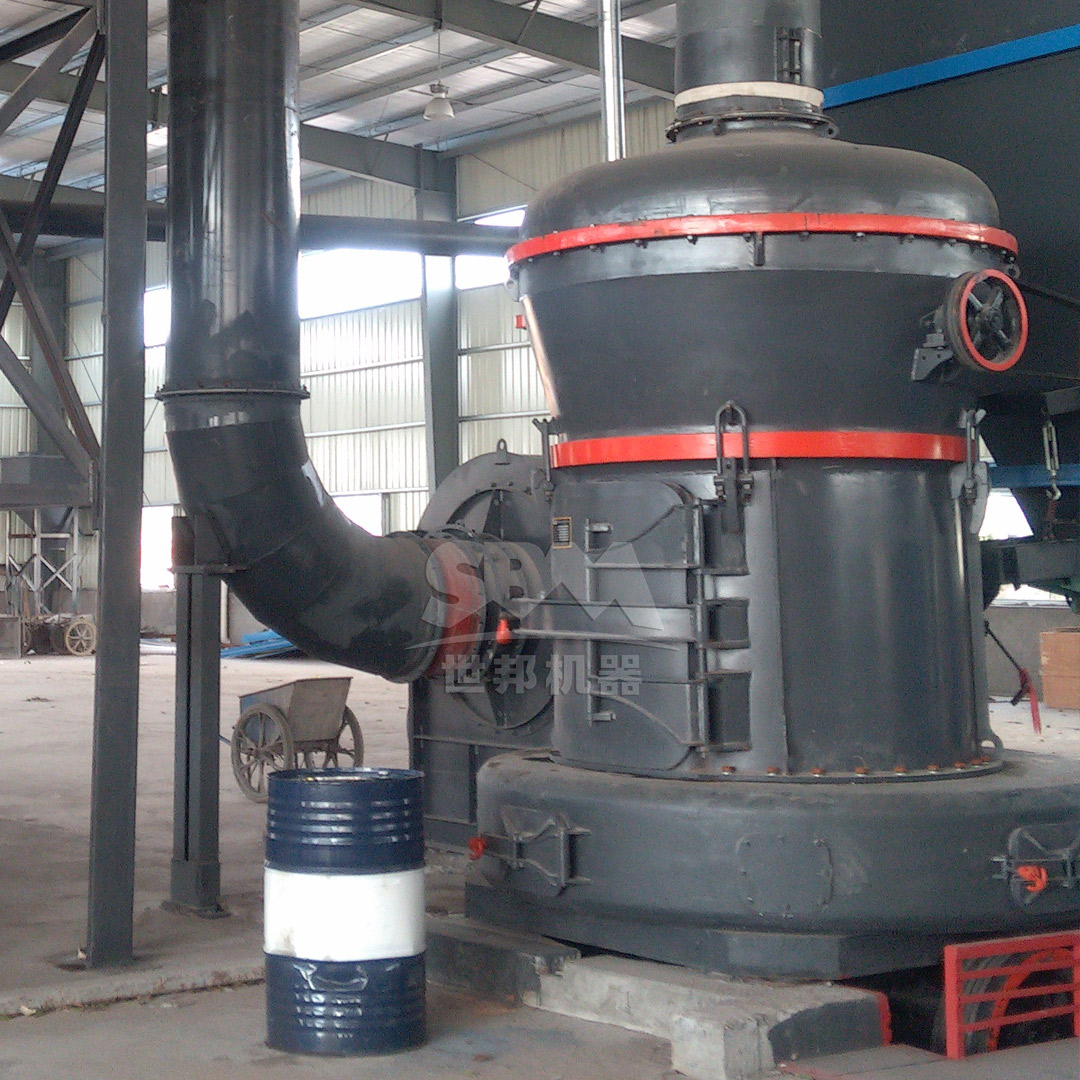
For applications where a slightly coarser kaolin powder is acceptable (30-325 mesh), such as in some tablet diluent formulations, the MTW Series European Trapezium Mill offers robust and efficient processing.
This mill is ideal for the primary or secondary grinding stage of kaolin processing, especially where high capacity and operational reliability are key drivers.
Deploying the right mill is only part of the solution. A successful pharmaceutical kaolin processing line requires careful integration of auxiliary systems.
The production of pharmaceutical-grade kaolin is a sophisticated engineering challenge that demands equipment capable of delivering unparalleled precision, purity, and process control. Moving beyond conventional milling, technologies like the SCM Series Ultrafine Mill and the MTW Series European Trapezium Mill provide targeted solutions that align with the stringent regulatory and quality demands of the industry. By selecting equipment designed with high-efficiency classification, contamination-resistant construction, and intelligent automation, manufacturers can ensure a reliable supply of high-quality kaolin that meets the exacting standards of modern pharmaceutical formulations, ultimately contributing to the safety and efficacy of the final medicinal products.