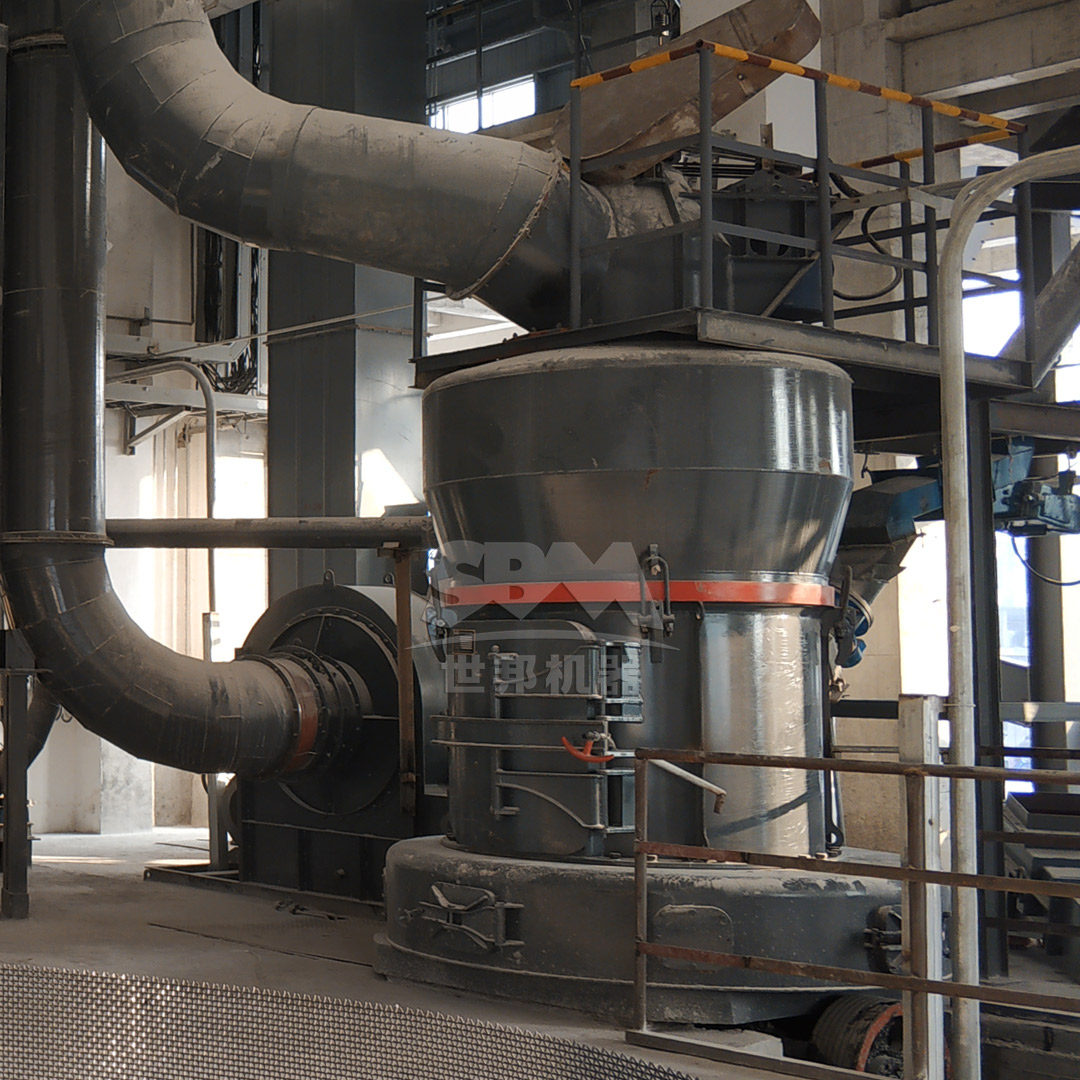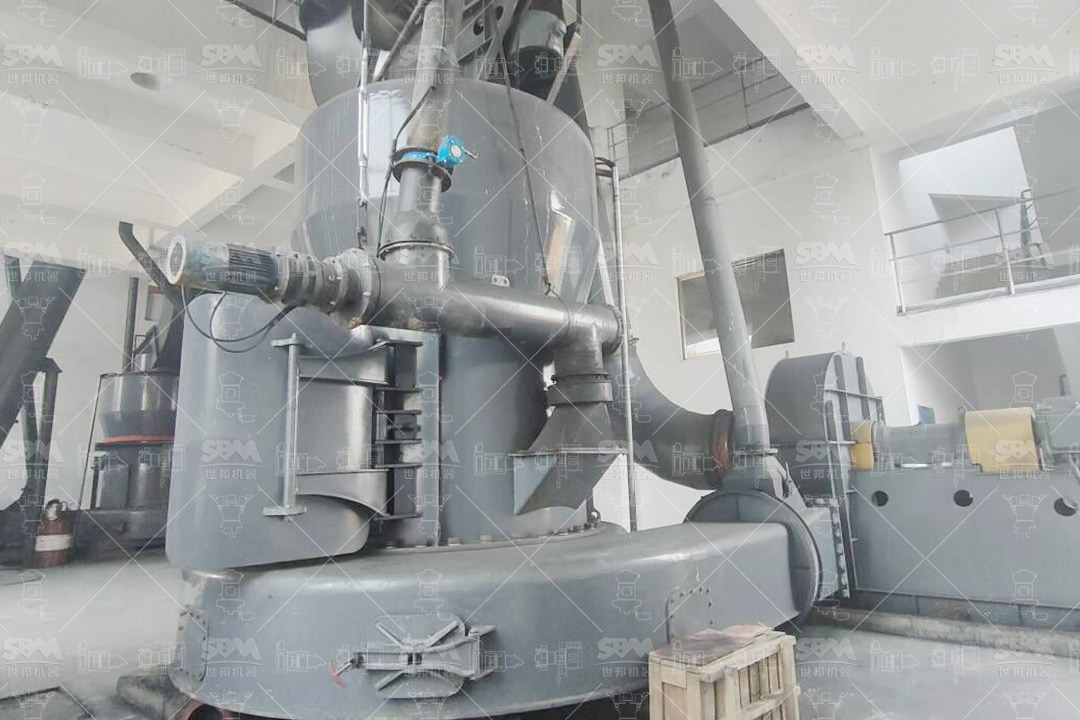
The paper industry is a major consumer of kaolin, utilizing its unique properties to enhance the quality, appearance, and functionality of paper products. For coating applications, kaolin provides a smooth, white, and opaque surface that improves printability and brightness. For filling applications, it increases opacity, bulk, and smoothness while reducing production costs. The efficacy of kaolin in these roles is critically dependent on its particle size distribution, fineness, and purity, which are directly determined by the processing equipment used. Selecting the right grinding and classification technology is therefore paramount to achieving the stringent specifications required by modern paper mills.
Processing kaolin for paper applications involves several critical stages, with grinding and classification being the most crucial for defining the final product’s performance.
The particle size distribution (PSD) is the most critical parameter. Coating clays require a very fine and tightly controlled PSD, typically with 80-90% of particles below 2 microns. This ensures a smooth, glossy coating surface. Filler clays can be slightly coarser but still require a high degree of fineness for good opacity and retention within the paper sheet. Equipment must offer precise classification to eliminate coarse particles that can damage paper machine wires and reduce print quality.
High brightness is essential, especially for premium printing papers. The processing equipment must be designed to minimize contamination from wear parts. The use of advanced, wear-resistant materials in grinding components is non-negotiable to preserve the inherent whiteness of the kaolin.
Paper mills operate on a large scale, requiring consistent, high-volume supply of kaolin. Processing equipment must offer high capacity, energy efficiency, and operational stability to ensure a reliable and cost-effective supply chain. Low maintenance requirements and high availability are also key economic factors.
Different stages of kaolin processing and different product specifications call for specific types of milling equipment.
Run-of-mine kaolin often requires initial size reduction. Hammer Mills are effective for this stage, capable of reducing lumpy material to a granular size suitable for further fine grinding. Their high capacity and robust construction make them ideal for the first step in the processing line.
| Model | Capacity (t/h) | Power (kW) | Rotor Size (mm) |
|---|---|---|---|
| PC4012-90 | 15-40 | 90 | Φ900×1200 |
| PC4015-132 | 40-70 | 132 | Φ1150×1500 |
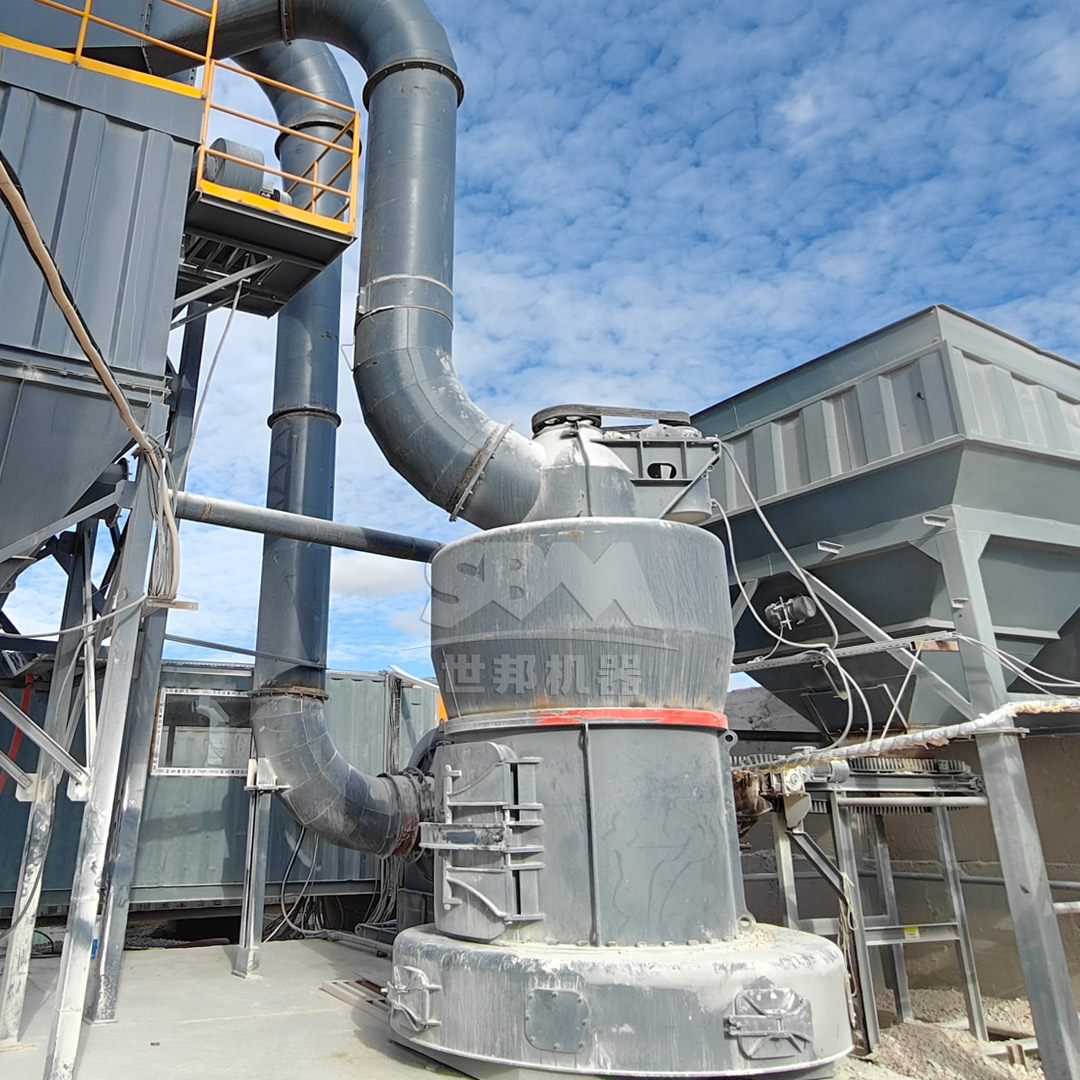
For producing standard filler-grade kaolin, mills that operate in the medium-fineness range are optimal. The MTW Series European Trapezium Mill is a standout choice for this application. Its advanced design features, such as the anti-wear shovel and optimized arc air duct, ensure efficient grinding with low wear contamination. The integral bevel gear drive provides high transmission efficiency (up to 98%) and reliability, which is crucial for continuous, large-scale filler production. With capacities ranging from 3 to 45 tons per hour, it can be scaled to match any plant’s requirements.
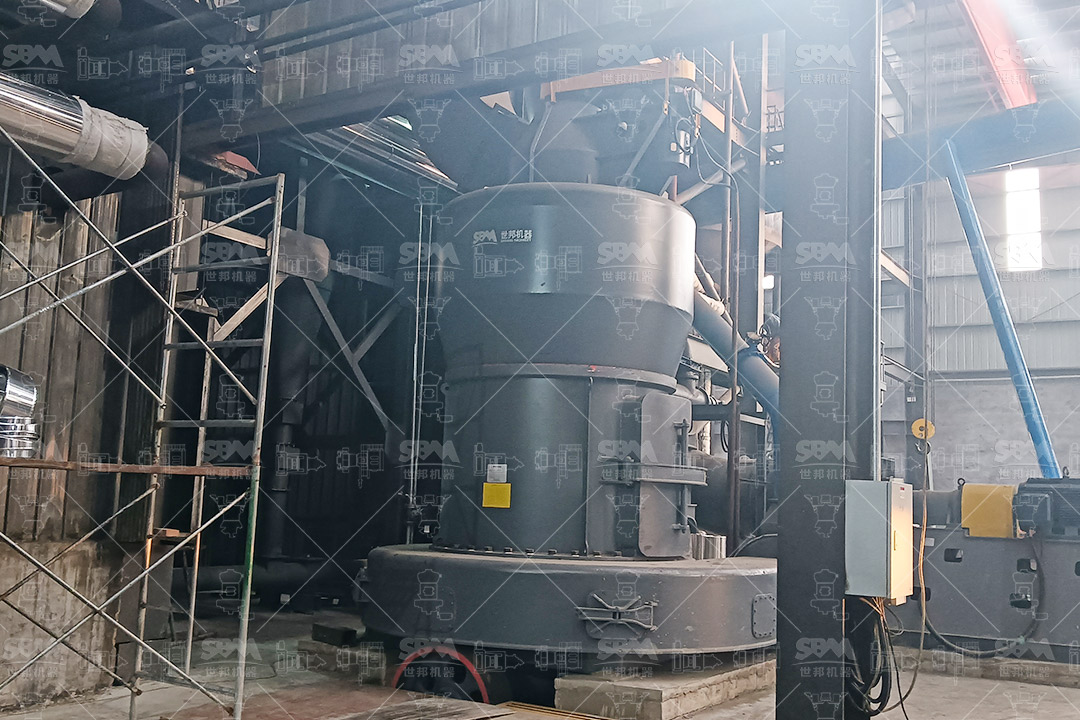
Producing the ultrafine, high-brightness kaolin essential for paper coatings demands specialized technology. Here, the SCM Series Ultrafine Mill excels. It is engineered specifically for producing powders in the 325 to 2500 mesh range. Its high-precision vertical turbine classifier is critical for achieving the narrow particle size distribution required for coating clays, ensuring no coarse powder mixing. Furthermore, its high-efficiency design consumes 30% less energy than traditional jet mills while offering double the capacity, making it both a performance and economic leader. For paper coating plants seeking to produce premium-grade kaolin with exceptional fineness and brightness consistency, the SCM series is the recommended solution.
| Model | Capacity (t/h) | Main Power (kW) | Output Fineness |
|---|---|---|---|
| SCM1000 | 1.0-8.5 | 132 | 325-2500 mesh |
| SCM1680 | 5.0-25 | 315 | 325-2500 mesh |
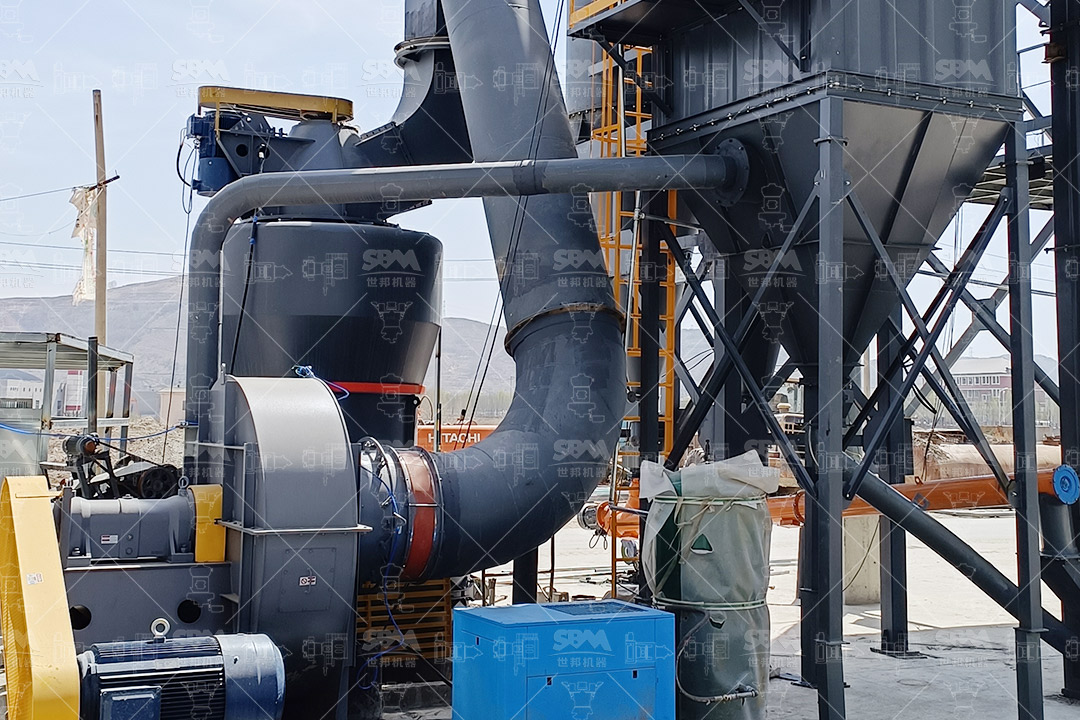
For greenfield projects or major upgrades, integrated vertical roller mills offer a compelling all-in-one solution. The LM Series Vertical Roller Mill integrates crushing, grinding, drying, and classification in a single unit. This integrated design can reduce floor space by 50% and lower overall energy consumption by 30-40% compared to traditional ball mill systems. Its intelligent control system allows for precise parameter management, ensuring consistent product quality. This makes it an excellent choice for large-scale production of both filler and special fine-powder grades of kaolin.
Modern kaolin processing must adhere to strict environmental standards. Key auxiliary systems include:
Efficient pulse jet baghouse dust collectors are essential. Equipment like the SCM and MTW series come equipped with high-efficiency pulse dust collection systems that exceed international emission standards, protecting both the workforce and the environment.
Automated feeding and conveying systems, coupled with PLC-based control systems, ensure stable mill operation and consistent product quality. Features like automatic finished product granularity feedback, as seen in the SCM Ultrafine Mill, minimize manual intervention and optimize the process.
The selection of kaolin processing equipment is a strategic decision that directly impacts the quality of paper products and the profitability of both the kaolin producer and the paper mill. For filler-grade kaolin, robust and efficient mills like the MTW European Trapezium Mill provide the perfect balance of capacity, fineness control, and operational economy. For the demanding specifications of coating-grade kaolin, the SCM Series Ultrafine Mill stands out with its unparalleled ability to produce ultra-fine, high-brightness powder with precise particle size distribution and superior energy efficiency. By investing in the appropriate advanced grinding technology, producers can reliably meet the evolving needs of the global paper industry.