The refractory materials industry relies heavily on high-purity, thermally stable additives to enhance the performance and longevity of linings used in extreme-temperature environments such as furnaces, kilns, and reactors. Among these additives, kaolin—particularly when calcined into metakaolin or mullite—stands out for its ability to improve thermal shock resistance, mechanical strength, and chemical inertness. The transformation of raw kaolin into a high-performance refractory additive is a precision-driven process, where the selection of grinding and classification equipment is paramount. The final particle size distribution, purity, and morphology directly influence the sintering behavior, packing density, and ultimate performance of the refractory product. This article explores the essential processing stages for kaolin destined for refractory applications and highlights the advanced equipment solutions that ensure optimal product quality and production efficiency.
The journey from mined kaolin clay to a consistent, high-purity additive involves several critical steps:
| Application | Target Fineness (Mesh) | Target Fineness (Microns) | Key Property Enhanced |
|---|---|---|---|
| Standard Firebrick | 100 – 325 | 150 – 45 | Plasticity, Bonding |
| Low-Cement Castables | 325 – 800 | 45 – 18 | Flowability, Packing Density |
| High-Purity Specialty Refractories | 800 – 2500+ | 18 – 5 | Sintering Activity, Strength |
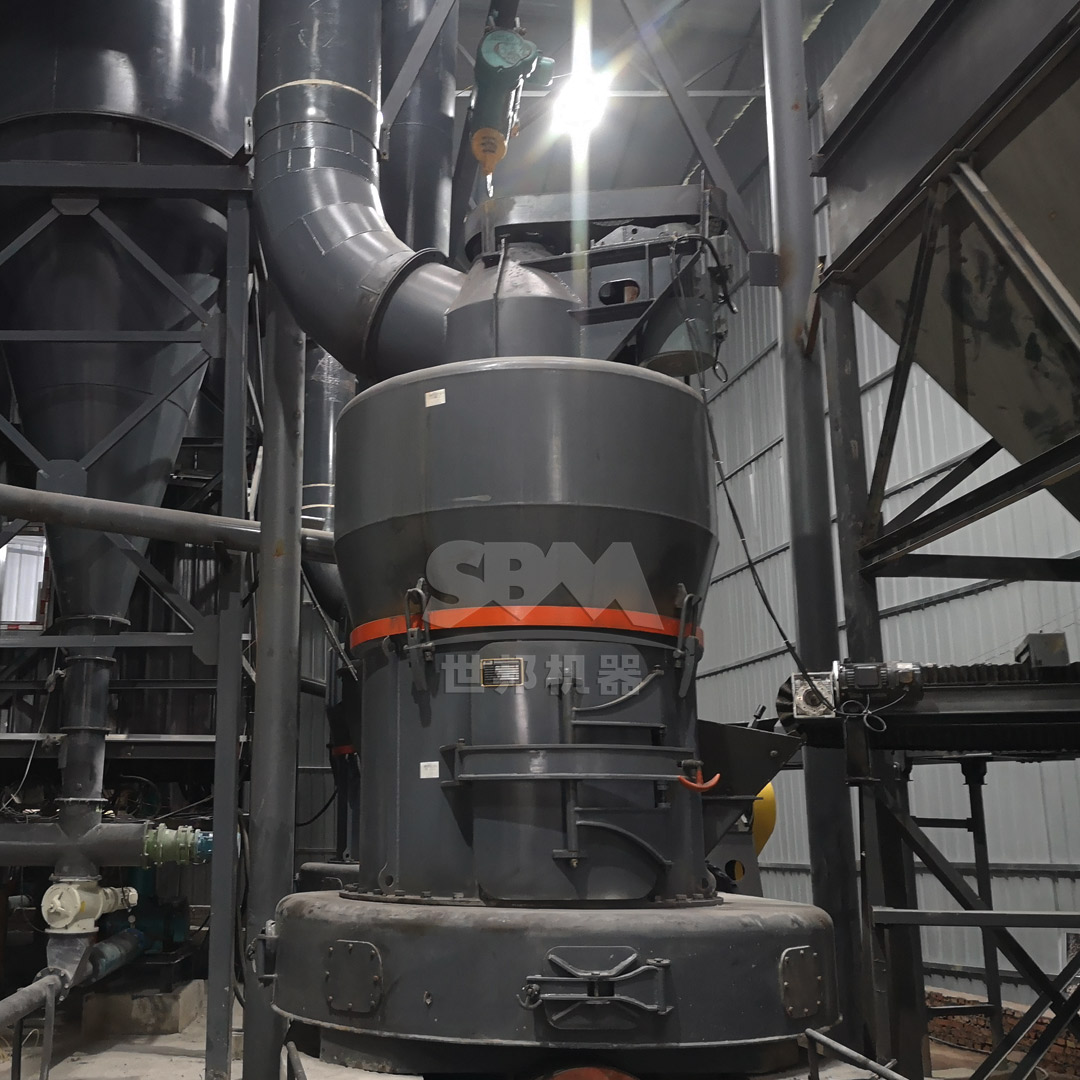
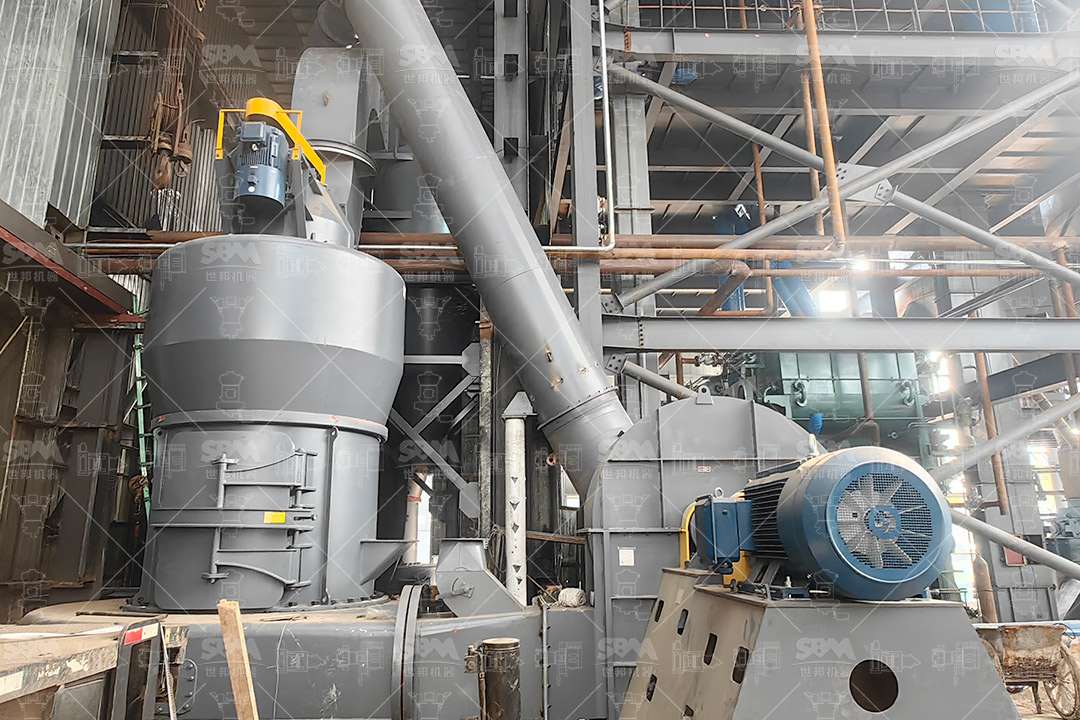
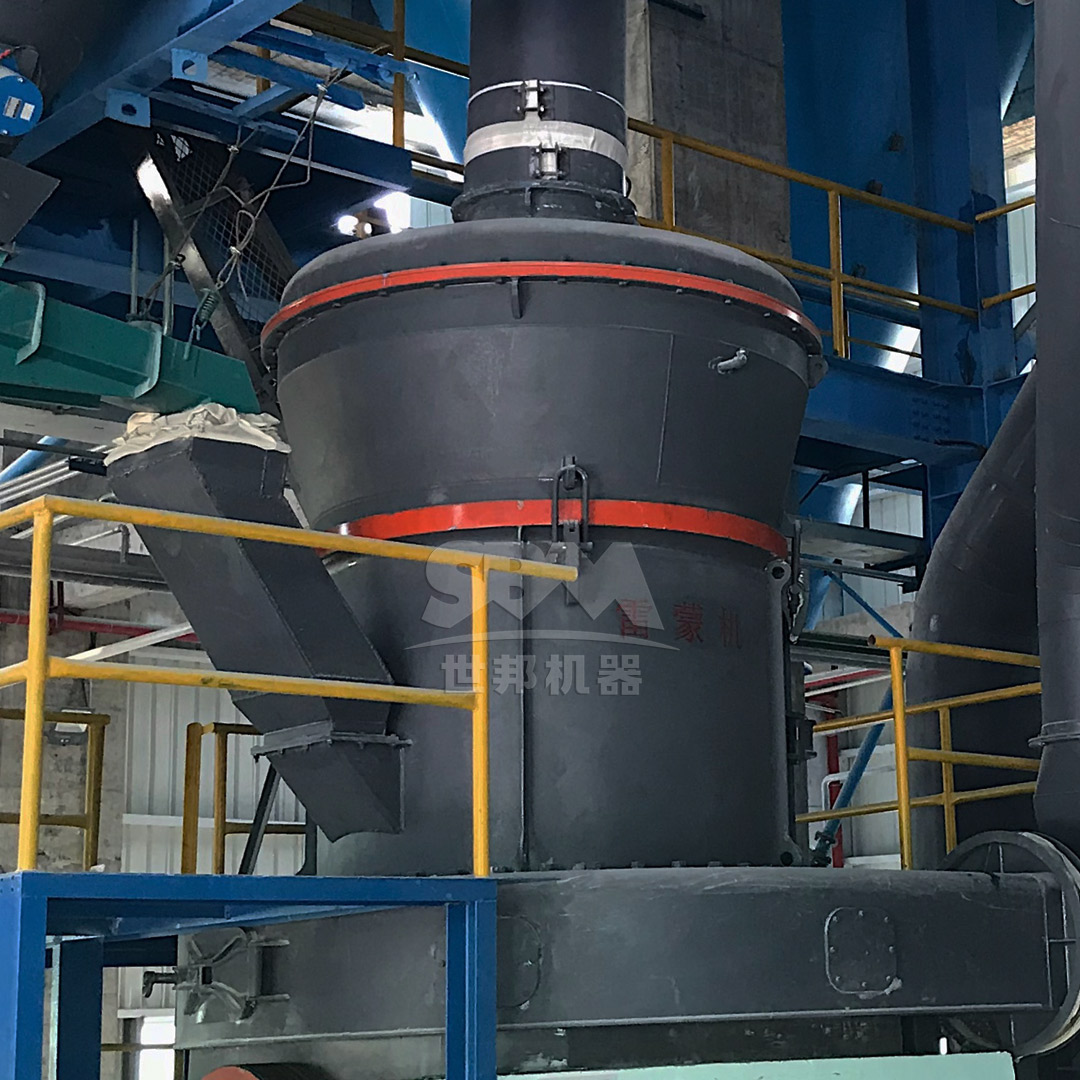
Choosing the right grinding system is critical. The equipment must deliver precise particle size control, high energy efficiency, minimal contamination from wear parts, and stable, continuous operation. For medium-fineness requirements (30-325 mesh), robust and efficient trapezium mills or vertical roller mills are often employed. For ultra-fine processing (325-2500 mesh), advanced ultrafine mills with integrated high-precision classifiers become indispensable.
For producers targeting the high-value segment of ultra-fine, high-purity kaolin additives, the SCM Series Ultrafine Mill represents an optimal solution. Engineered for precision and efficiency, this mill is designed to meet the stringent demands of refractory material production.
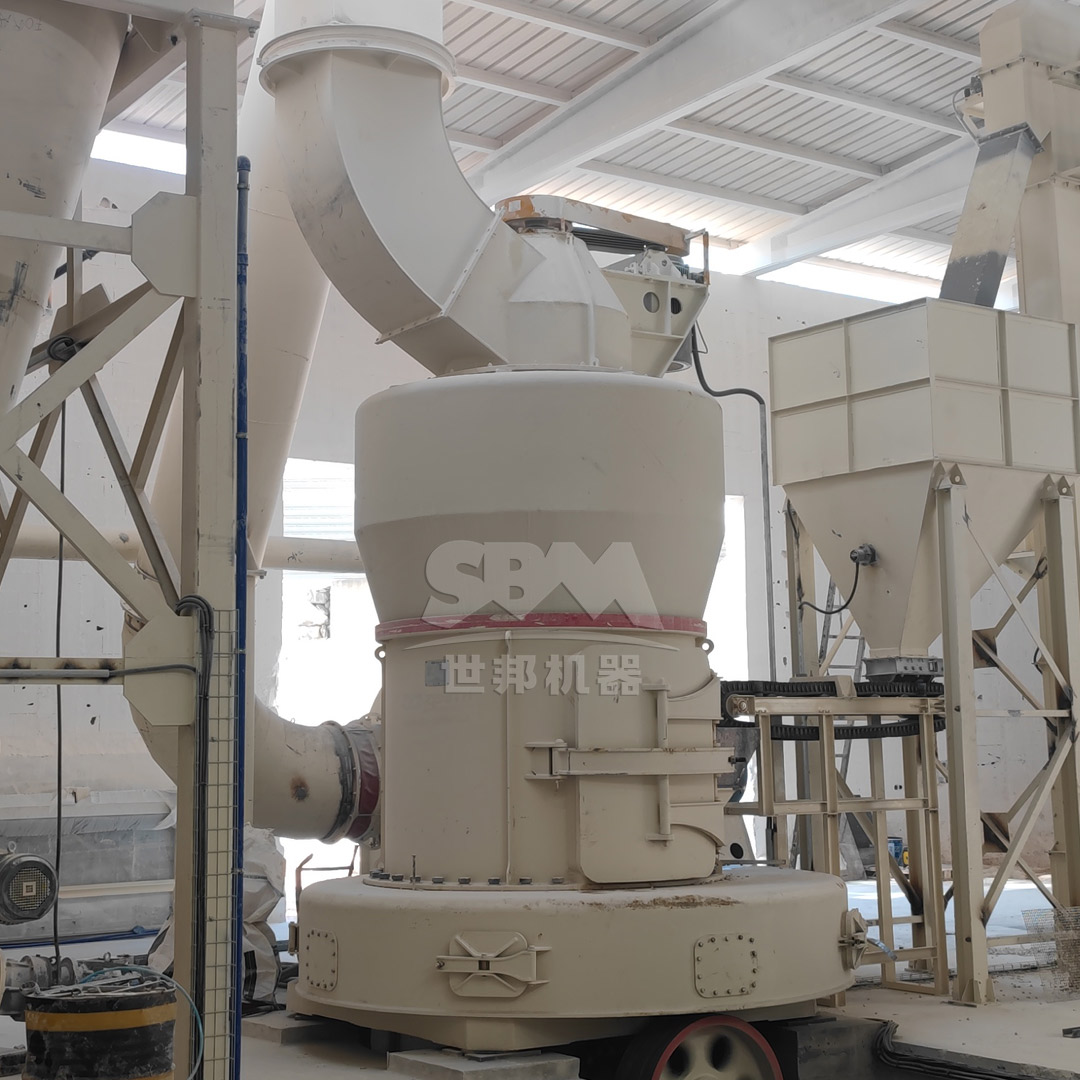
The SCM Series excels in producing powders in the range of 325 to 2500 mesh (45-5μm), which is ideal for activating the sintering properties of metakaolin. Its vertical turbine classifier ensures a sharp particle size cut, eliminating coarse particles that could create weak points in the refractory matrix. Furthermore, its special material rollers and rings offer exceptional wear resistance, crucial for maintaining product purity—iron contamination from grinding media wear is a critical concern in refractory formulations. With capacity ranging from 0.5 to 25 tons per hour and energy consumption up to 30% lower than traditional jet mills, it provides a balance of high output, superior product quality, and operational economy.
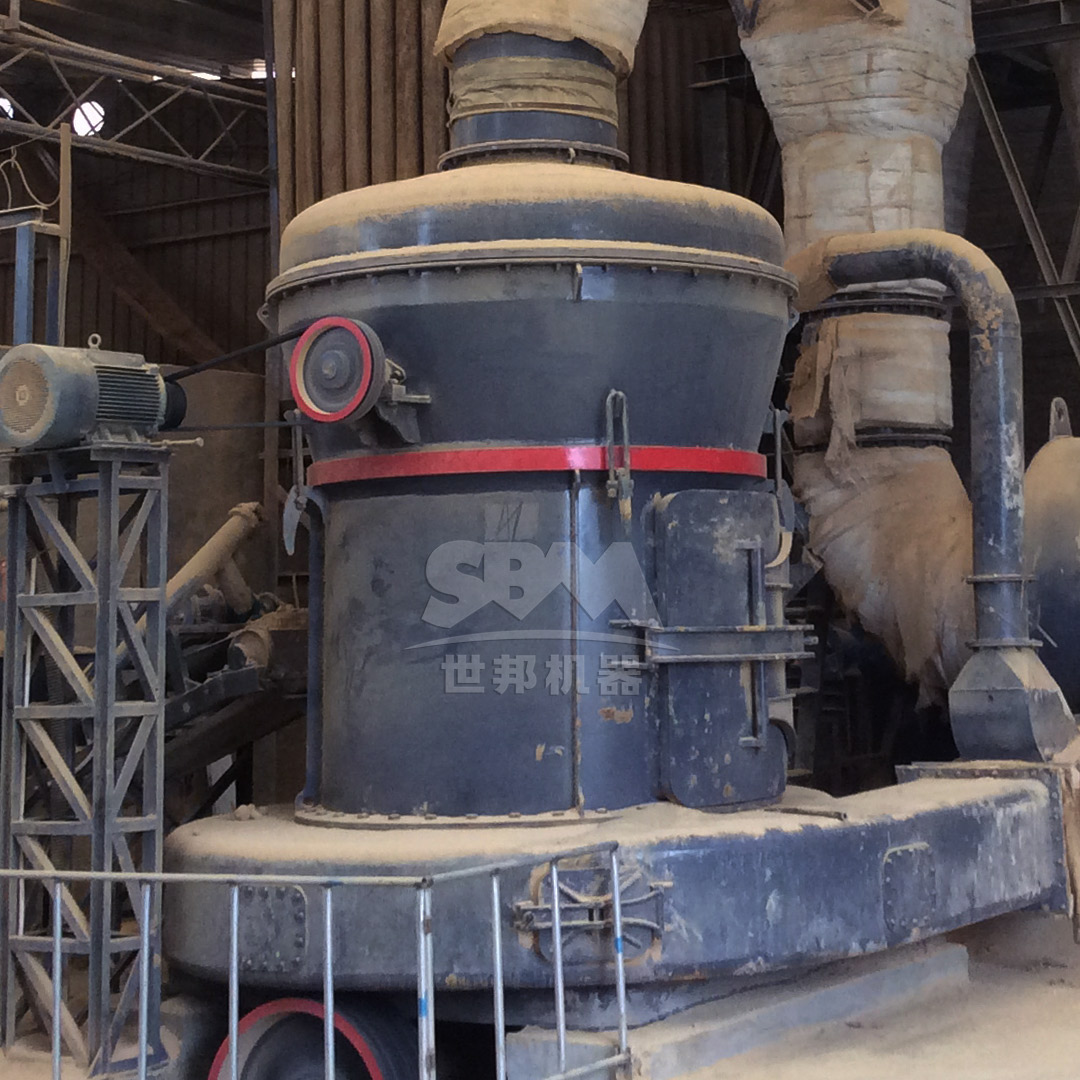
Not all processing lines start with fine feed. For operations involving the initial size reduction of calcined kaolin lumps or for producing coarser-grade additives, a reliable and rugged mill is required. The MTW Series European Trapezium Mill is perfectly suited for this role. Capable of handling feed sizes up to 50mm and producing powders from 30 to 325 mesh, the MTW Series is a workhorse for medium-fine grinding.
Its technical advantages directly address the challenges of abrasive materials. The anti-wear shovel design and wear-resistant volute structure significantly reduce maintenance costs and downtime. The integral bevel gear drive offers a remarkable 98% transmission efficiency, translating to lower energy costs per ton of product. For refractory plants needing to process large volumes of material to a consistent, medium fineness for products like fireclay bricks or standard castables, the MTW Series, with models offering capacities from 3 to 45 tons per hour, provides a robust and efficient foundation for the grinding circuit.
Modern kaolin processing for refractory applications must adhere to stringent environmental standards. Dust control is non-negotiable, both for product recovery and workplace safety. Advanced milling systems like the SCM and MTW series are designed as negative-pressure or fully sealed systems integrated with high-efficiency pulse dust collectors, ensuring dust emissions are kept well below international limits. This closed-loop design also maximizes product yield.
Furthermore, intelligent control systems are becoming standard. These systems allow for real-time monitoring and adjustment of grinding parameters, automatic finished product granularity feedback, and remote operation capabilities. This level of automation ensures consistent product quality, reduces manual intervention, and optimizes energy usage, which is a significant portion of operating costs.
| Equipment Model | Optimal Fineness Range | Key Advantage for Refractories | Typical Capacity Range* |
|---|---|---|---|
| SCM Ultrafine Mill | 325 – 2500 mesh | Ultra-precise classification for high-performance additives | 0.5 – 25 t/h |
| MTW Trapezium Mill | 30 – 325 mesh | High efficiency & wear resistance for cost-effective processing | 3 – 45 t/h |
| Ball Mill | 170 – 800 mesh | Proven technology for wide fineness adjustment | 0.65 – 450 t/h |
| Vertical Roller Mill (LM Series) | 30 – 325 mesh (up to 600) | Integrated drying/grinding, lowest footprint | 3 – 250 t/h |
| *Capacity varies based on model, feed material, and target fineness. |
The quality of kaolin-based refractory additives is intrinsically linked to the technology used in their processing. As refractory formulations become more sophisticated to withstand increasingly demanding industrial processes, the need for precisely controlled, high-purity kaolin powders grows. Investing in advanced grinding and classification technology is not merely an equipment purchase; it is an investment in product consistency, production efficiency, and ultimately, market competitiveness.
By selecting tailored solutions like the SCM Series Ultrafine Mill for ultra-fine, high-value products or the MTW Series European Trapezium Mill for robust, high-volume medium-fine grinding, producers can ensure their kaolin additives meet the exacting standards of the modern refractory industry, delivering enhanced thermal protection and longevity to their end-users.