December 08, 2025
Introduction
The design and operation of grinding facilities processing hazardous materials demand a paradigm shift from standard mineral processing plants. The inherent risks associated with toxic, flammable, reactive, or explosive substances necessitate an integrated approach where safety, containment, and environmental protection are not just add-ons but the foundational pillars of the entire system. This article outlines the critical design considerations for such facilities, focusing on engineering controls, process safety, and equipment selection to mitigate risks and ensure regulatory compliance while maintaining operational efficiency.
1. Hazard Identification and Risk Assessment (HIRA)
The cornerstone of any safe facility design is a comprehensive Hazard Identification and Risk Assessment. This goes beyond material safety data sheets (MSDS) to understand the specific behaviors of materials under grinding conditions—such as generation of fine, respirable dust; potential for pyrophoric reactions; sensitivity to impact, friction, or electrostatic discharge; and toxicity profiles. A thorough HIRA informs all subsequent design decisions, from zoning and layout to equipment specification and emergency response planning. It is a dynamic process that must be revisited with any change in feedstock or process parameters.
2. Containment and Inerting Strategies
Preventing the escape of hazardous material is paramount. The grinding circuit must be designed as a closed, tightly sealed system operating under negative pressure to prevent fugitive emissions.
- System Sealing: All transfer points, inspection hatches, and shaft penetrations require specialized seals (e.g., magnetic, labyrinth, purge seals). Flanged connections should use contained gasket systems.
- Inert Gas Blanketing: For materials prone to oxidation or combustion, introducing an inert gas (like Nitrogen or Argon) into the grinding and classification zones is essential. This requires gas-tight construction, oxygen level monitoring, and automated purge systems.
- Explosion Protection: Despite inerting, explosion risks must be addressed. This includes installing explosion vents directed to a safe area, explosion suppression systems, and designing equipment to withstand maximum explosion pressure (Pmax) where applicable.
3. Dust Collection and Filtration
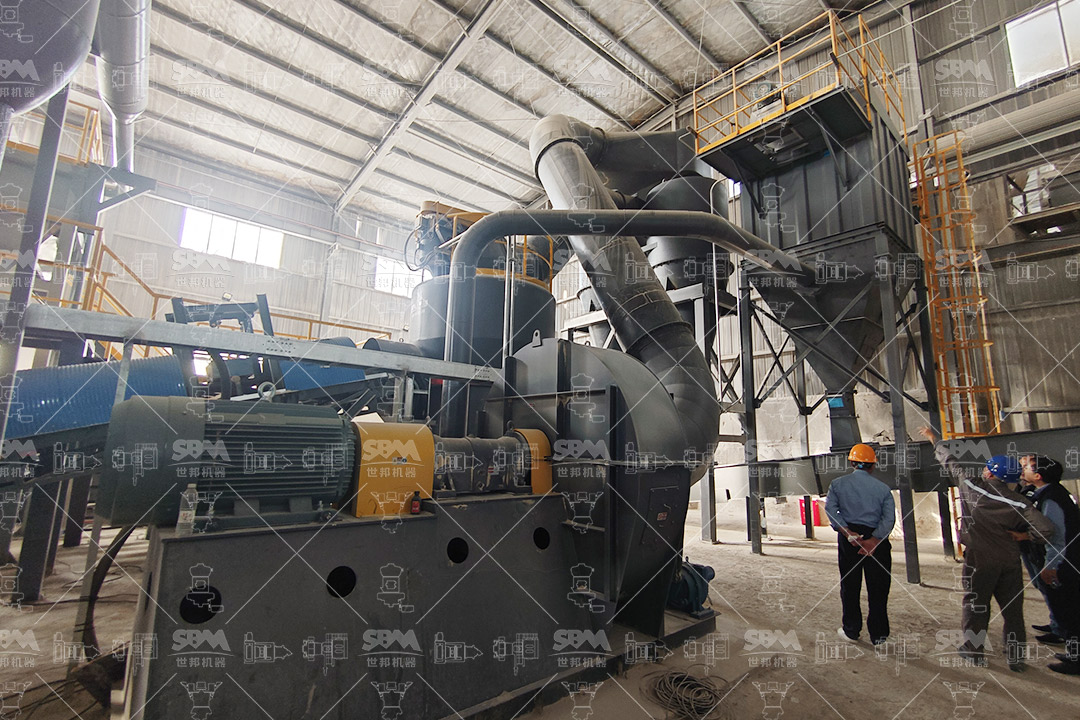
The dust collection system is the lungs of the facility and must be exceptionally robust. Standard baghouses are often insufficient.
- High-Efficiency Filtration: Use PTFE membrane filter bags or cartridges with 99.99%+ efficiency on sub-micron particles. The filter housing must be explosion-proof.
- Safe Dust Handling: Collected dust should be discharged via rotary valves or double-dump valves into sealed intermediate bulk containers (IBCs) within a dedicated, negatively pressured discharge booth.
- Fire & Spark Detection: Install spark detection and extinguishing systems in pneumatic conveying lines upstream of the filter. Temperature monitoring on filter banks is critical.
4. Equipment Selection: The Heart of Safe Processing
The choice of grinding and classification technology directly impacts safety. Key criteria include: minimal dead zones where material can accumulate; ease of cleaning and maintenance under controlled conditions; ability to integrate with inerting and monitoring systems; and a design that minimizes ignition sources.
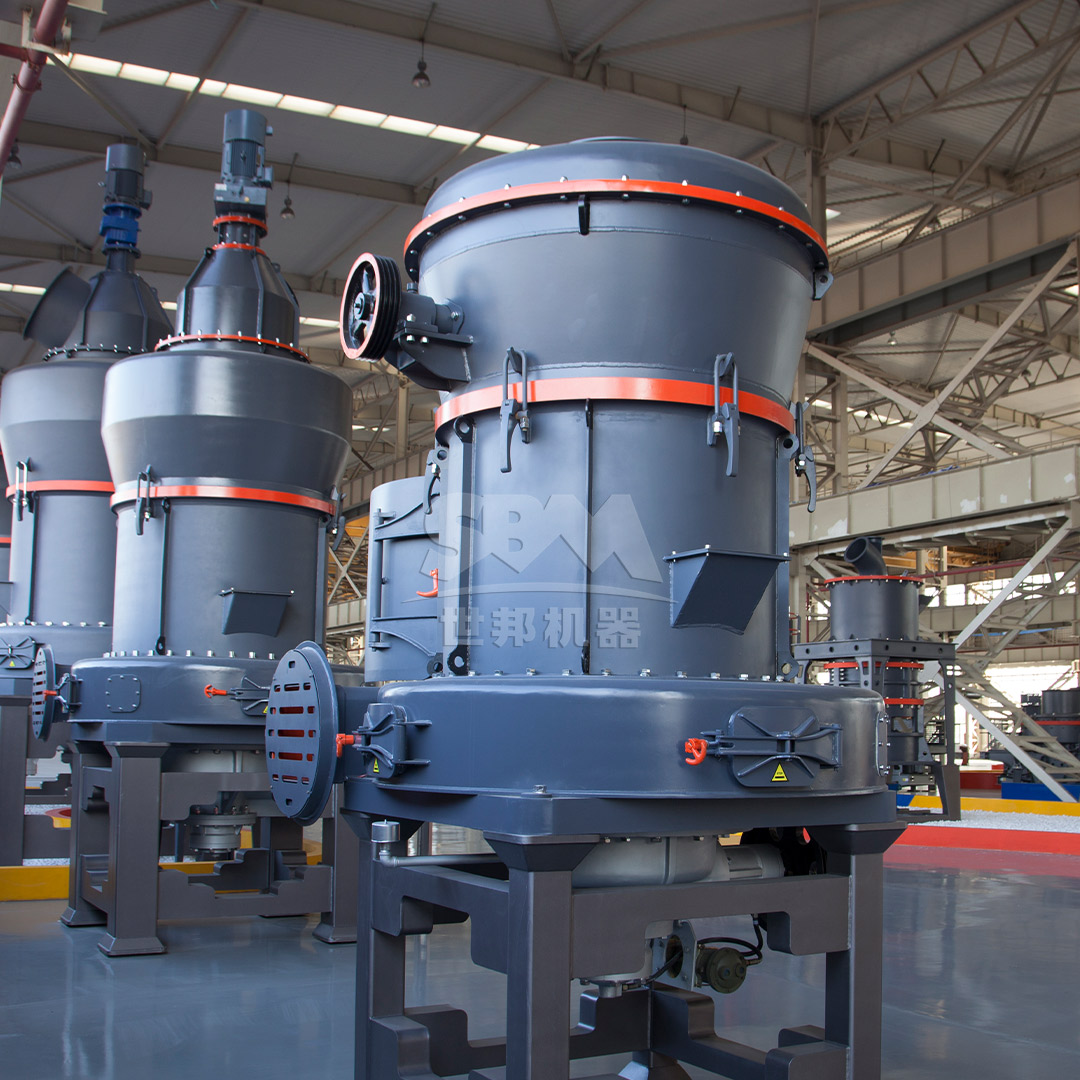
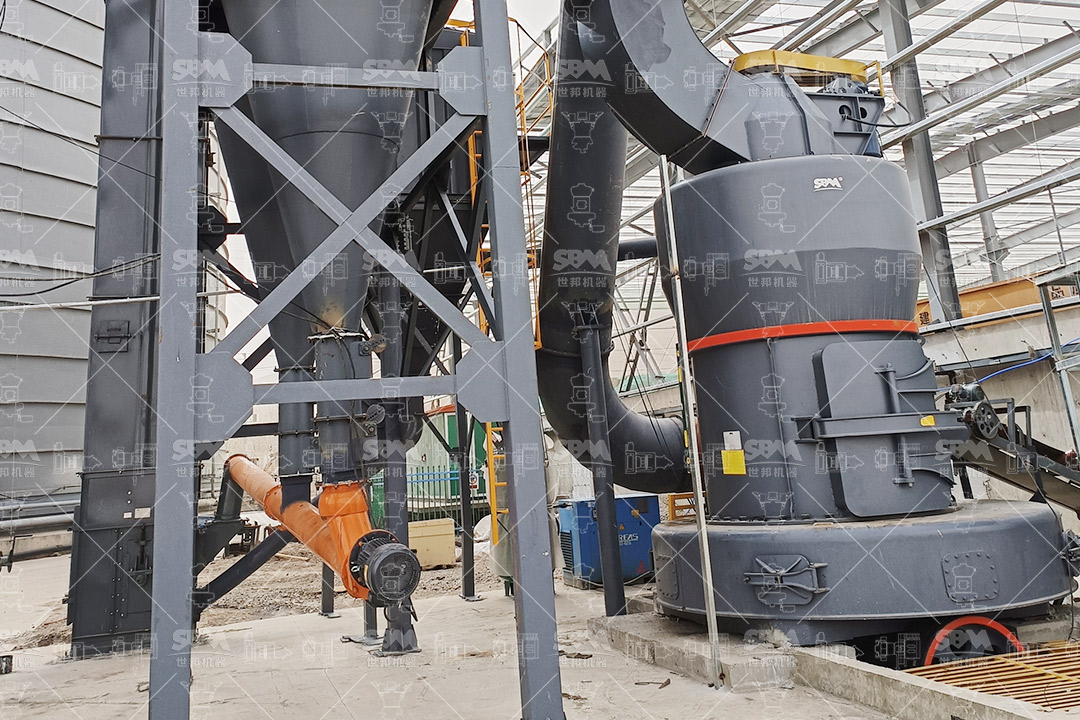
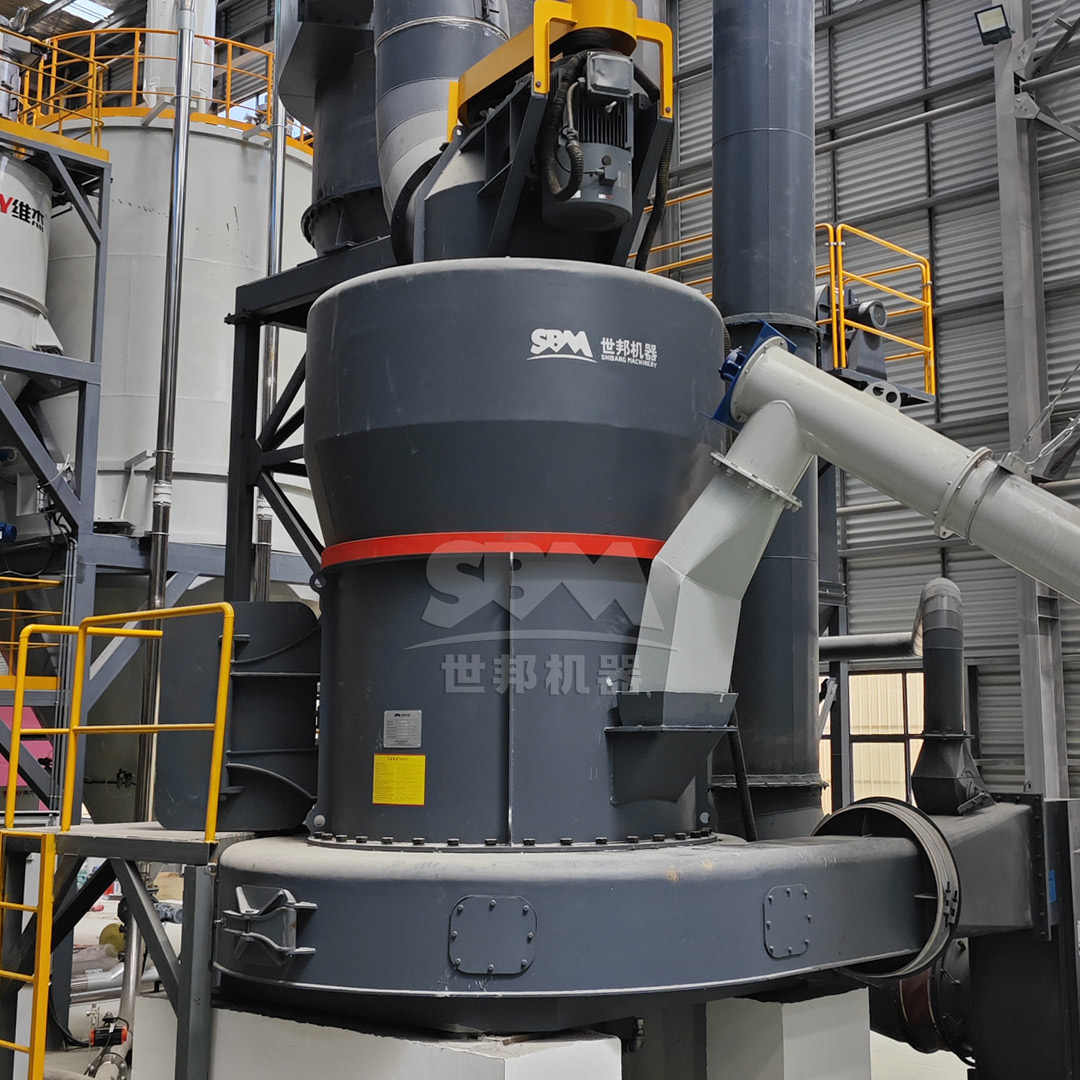
For ultra-fine grinding of high-value or highly toxic materials where precise particle size control and absolute containment are non-negotiable, the SCM Ultrafine Mill series presents a compelling solution. Its fully enclosed, negative-pressure design inherently supports containment strategies. The vertical turbine classifier allows for precise D97 cuts down to 5μm (2500 mesh) without the need for external, high-risk air classifiers. The pulse-jet cleaning system maintains filter efficiency, crucial for hazardous dust, and its low-noise design (≤75dB) facilitates better communication in safety-critical environments. The absence of complex screw feeders and its stable grinding motion reduce potential points of failure and material buildup.
| Model |
Capacity (ton/h) |
Main Motor Power |
Output Fineness (Mesh) |
Suitability for Hazardous Materials |
| SCM1000 |
1.0 – 8.5 |
132 kW |
325 – 2500 |
High (Enclosed, precise control) |
| SCM1680 |
5.0 – 25 |
315 kW |
325 – 2500 |
High (Large scale, efficient) |
5. Automation, Control, and Monitoring
Human exposure to hazardous processes must be minimized. A centralized Distributed Control System (DCS) or robust PLC with a Safety Instrumented System (SIS) is essential.
- Continuous Monitoring: Real-time monitoring of oxygen levels (in inerted systems), temperature at bearings and mill exit, pressure differential across filters, and combustible dust concentration.
- Interlocked Safety Systems: All access doors must be interlocked with equipment shutdown and purge cycles. Emergency stop buttons should be strategically located.
- Remote Operation & Maintenance: Design for remote adjustment of mill parameters and classifier speed. Where manual intervention is necessary, provide local exhaust ventilation (LEV) and safe permit-to-work procedures.
6. Facility Layout and Personnel Safety
The physical layout segregates hazards and protects personnel.
- Zoning: Establish clear zones: Process Area (restricted access), Baghouse/Filter Area (separate, blast-resistant construction if needed), and Safe Control Room.
- Access and Egress: Provide multiple, clearly marked escape routes. Airlocks or change rooms may be required for entry into controlled process areas to prevent contamination spread.
- Emergency Response: Install appropriate firefighting equipment (e.g., Class D extinguishers for metal fires), emergency showers, and eyewash stations. Develop and drill specific emergency procedures for material releases.
7. Material Handling and Logistics
Safety extends to how material arrives and leaves the facility.
- Receiving & Feeding: Use sealed big bag unloading stations or closed conveyor systems from silo trucks. Feeders should be designed to prevent bridging and allow for smooth, controlled introduction into the mill. For coarse crushing of hazardous feedstock, a robust and sealed pre-crusher is vital. A Hammer Mill (0-3mm) with a fully enclosed housing, high manganese steel wear parts, and integrated dust extraction points can serve as a reliable primary size reduction unit, preparing material for finer grinding while maintaining containment from the very first stage.
- Product Packaging: Finished powder packaging must occur in a dedicated, negatively pressured booth with local dust extraction, using sealed bagging systems.
8. Maintenance and Decontamination Protocols
Maintenance is a high-risk activity. Design must facilitate it safely.
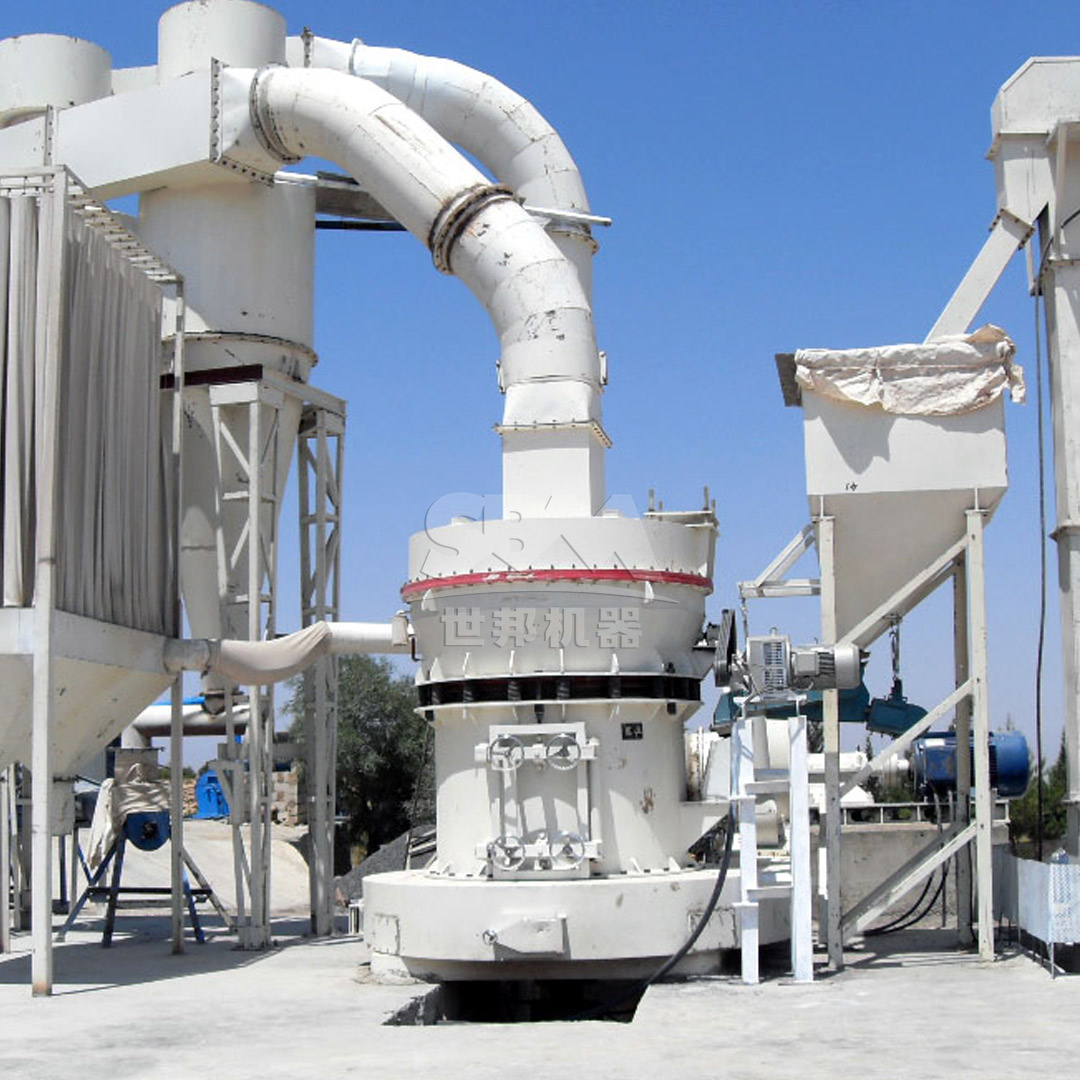
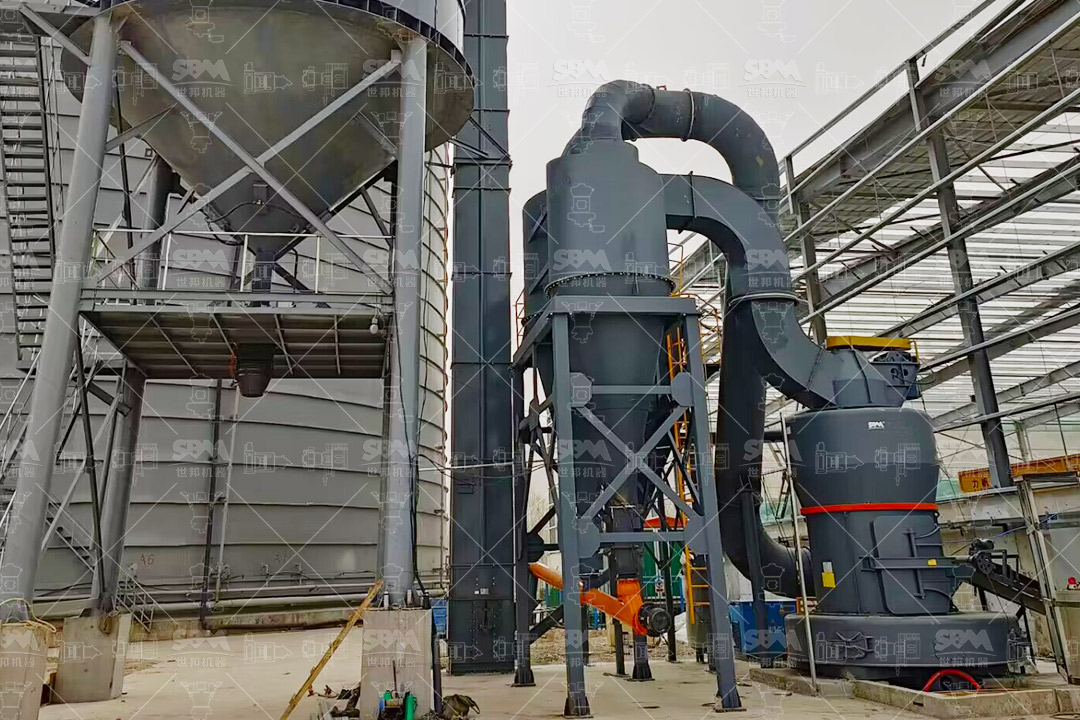
- Design for Maintenance: Equipment should allow for easy access and component replacement. The LM Series Vertical Roller Mill, for instance, is noteworthy in this context for its modular roller assembly system, allowing for quicker replacement of wear parts with reduced technician exposure time in the mill chamber—a significant advantage when dealing with toxic materials.
- Cleaning and Decontamination: Provide integrated Clean-in-Place (CIP) systems or designated wash-down areas with contained effluent treatment. Lockout-Tagout (LOTO) procedures must be stringent.
Conclusion
Designing a grinding facility for hazardous materials is a complex, multi-disciplinary endeavor that prioritizes risk mitigation above all else. It requires a holistic view that integrates process engineering, safety engineering, and environmental controls into a single, coherent system. Success is measured not only in tons per hour but in incident-free operations, regulatory approval, and the protection of personnel, the community, and the environment. Selecting equipment engineered with safety, containment, and reliability in mind—such as the enclosed and precise SCM Ultrafine Mill for final grinding or the robust LM Vertical Mill for larger-scale applications—forms a critical part of this safe and sustainable design philosophy.