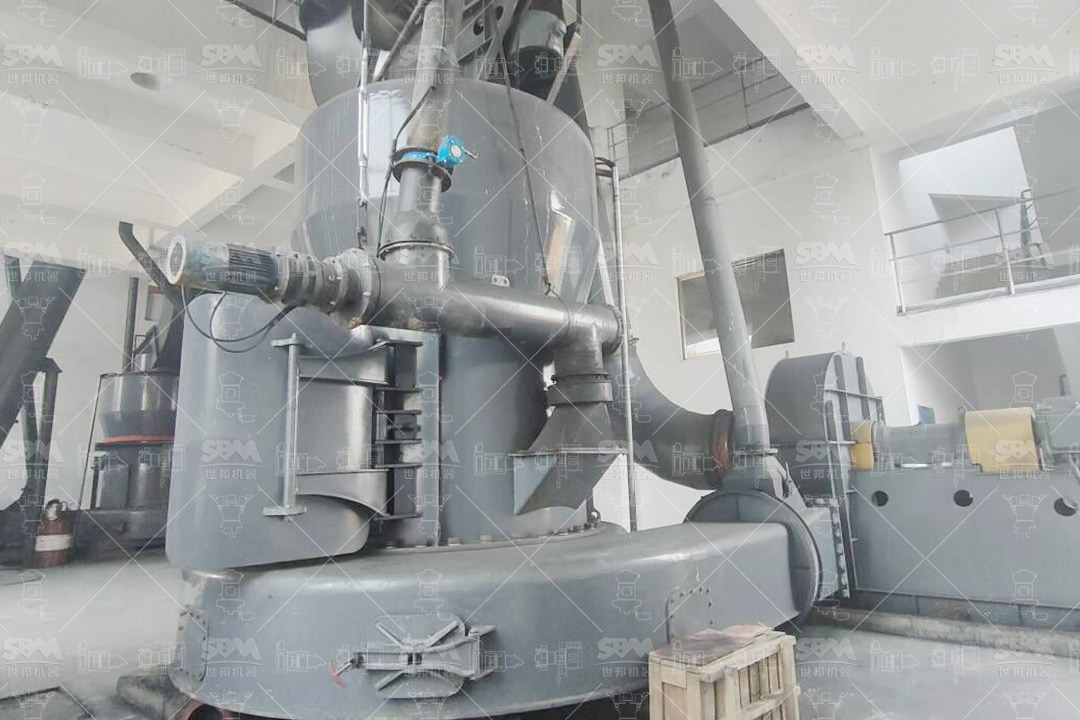
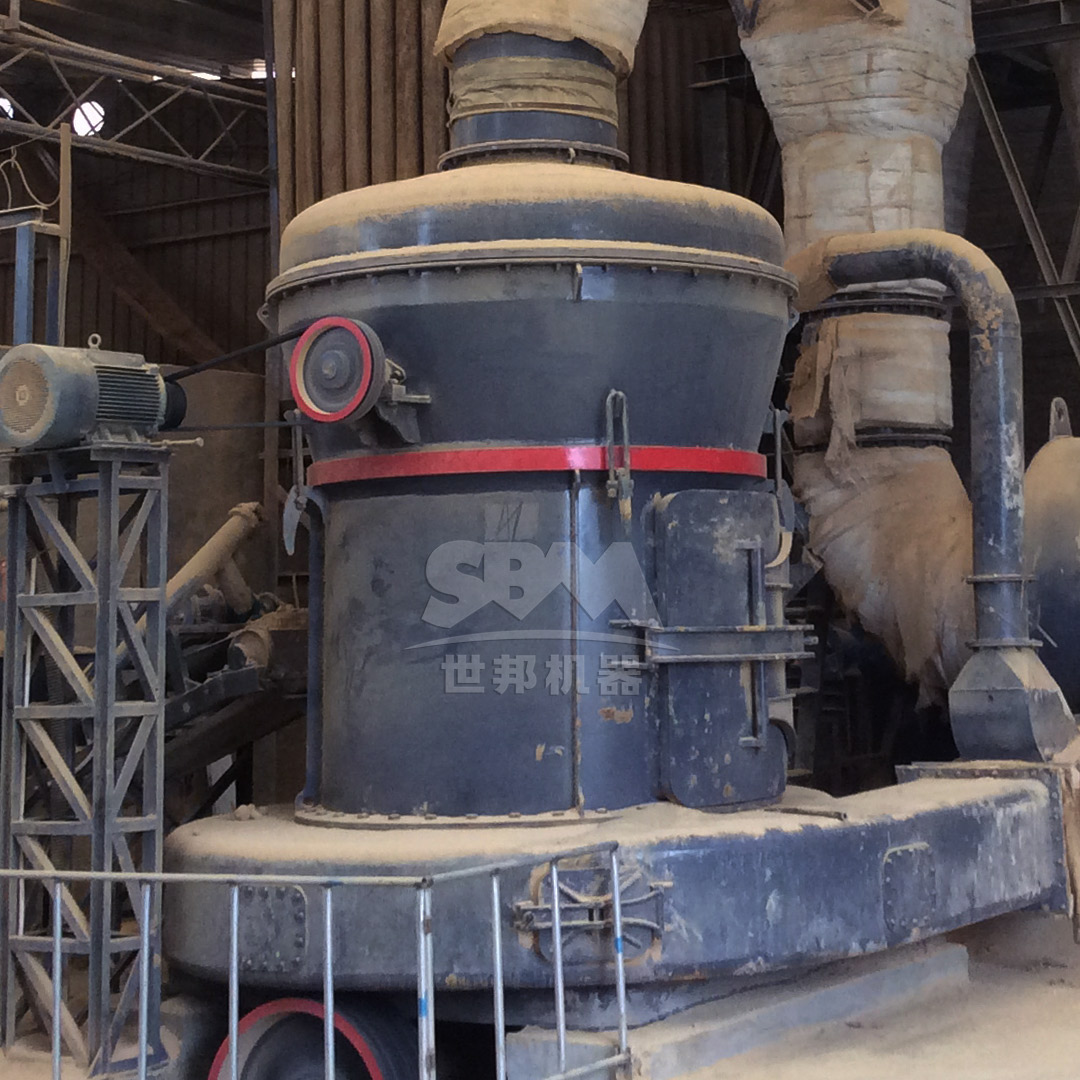
In the sophisticated world of fiberglass manufacturing, the selection and processing of raw materials are paramount to achieving the desired mechanical strength, thermal stability, and chemical resistance in the final product. Among these materials, kaolin, a naturally occurring hydrated aluminum silicate clay, serves as a vital additive. Its primary function is to act as a flux and stabilizer within the glass batch, lowering the melting temperature, improving the homogeneity of the melt, and enhancing the durability of the finished fibers. However, the efficacy of kaolin is intrinsically linked to its physical properties—specifically, its particle size distribution, fineness, and chemical purity. Sub-optimal particle size can lead to incomplete melting, seed formation, and weakened fiber strands. Therefore, the grinding and classification equipment used to process raw kaolin into a suitable additive is not merely a preparatory step; it is a core determinant of product quality and production efficiency. This article explores the essential equipment for producing high-grade kaolin additives, with a focus on achieving the precise particle specifications required by the fiberglass industry.
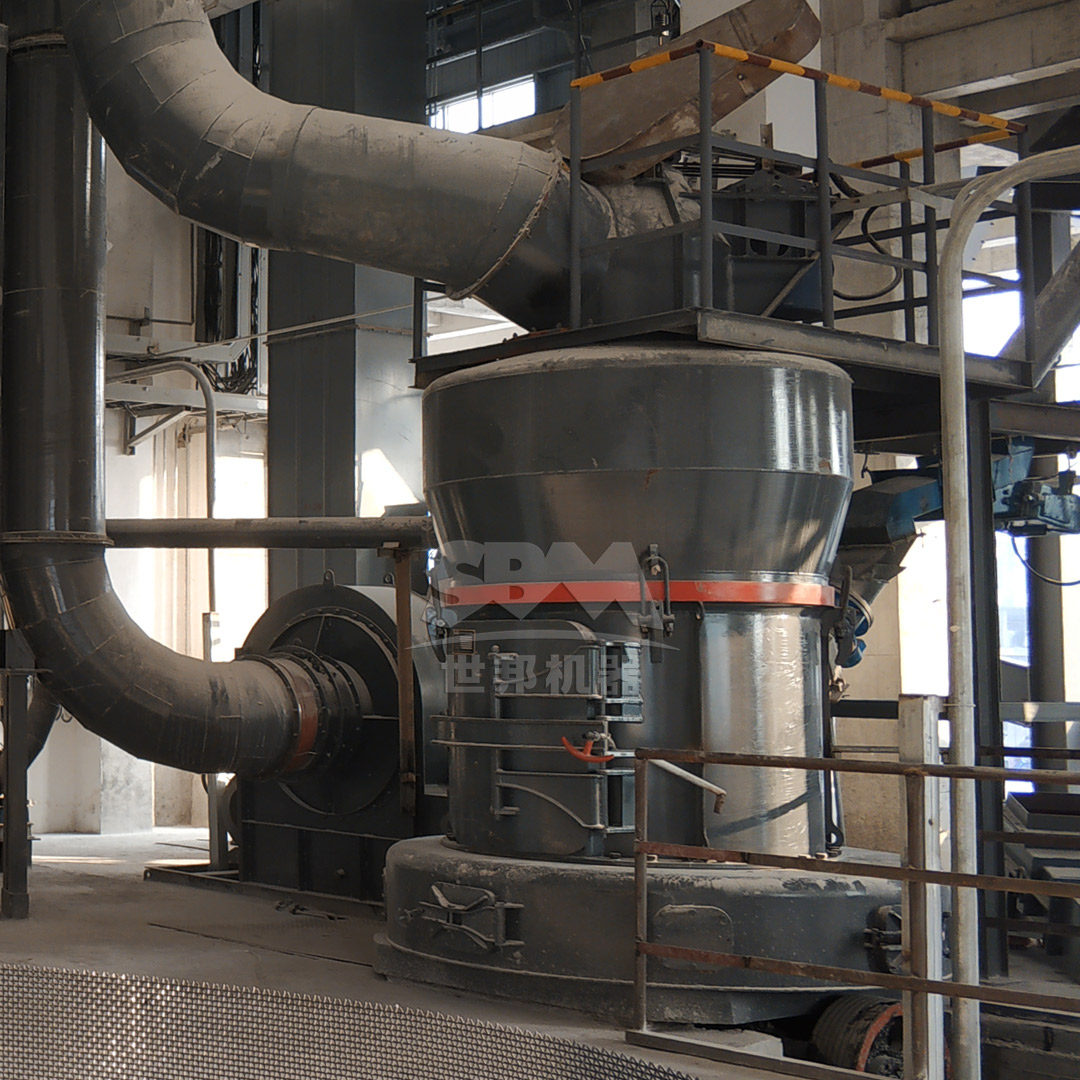
The fiberglass manufacturing process imposes stringent requirements on batch materials. For kaolin, the target fineness typically falls within a range of 325 mesh (45 μm) to 1250 mesh (10 μm), with some advanced applications demanding even finer particles. A narrow, controlled particle size distribution is crucial for several reasons:
Consequently, the grinding system must be capable of not only achieving a specific top-cut size but also producing a high yield within the desired size range, minimizing both oversize and ultrafine fractions that can be detrimental to the process or pose dust hazards.
The transformation of raw, mined kaolin (often with feed sizes up to 20-50mm) into a micron-grade powder suitable for fiberglass involves a multi-stage process, typically starting with primary crushing followed by drying and then fine grinding. The heart of the fine grinding circuit is the milling system, which must be selected based on the required fineness, capacity, energy efficiency, and product contamination concerns.
| Equipment Type | Typical Output Range | Key Characteristics | Suitability for Fiberglass Kaolin |
|---|---|---|---|
| Ball Mill | 0.074-0.8mm (200-20 mesh) | Robust, high capacity, wet/dry operation | Suitable for preliminary grinding; often too coarse for final product without closed-circuit classification. |
| Raymond Mill (Pendulum Mill) | 30-325 mesh (600-45μm) | Mature technology, good for medium fineness | Can be used for standard 325-mesh products. May lack precision for finer cuts and higher efficiency. |
| Vertical Roller Mill (VRM) | 30-325 mesh (up to 600 mesh) | High efficiency, integrated drying/grinding, low wear | Excellent for large-scale production of 325-mesh kaolin. Integrated system reduces plant footprint. |
| Ultrafine Grinding Mill | 325-2500 mesh (45-5μm) | High-precision classification, energy-efficient for ultrafine range | Ideal for producing high-value, superfine kaolin additives where top performance is critical. |
As the table indicates, for the most demanding fiberglass applications requiring ultrafine and tightly classified kaolin powder, specialized ultrafine grinding mills become the equipment of choice.
To consistently meet the rigorous specifications for high-performance fiberglass kaolin, manufacturers require grinding technology that transcends conventional milling. The ideal solution must combine high grinding efficiency with exceptional classification accuracy to produce a uniform product with minimal energy consumption and operational downtime.
In this context, our SCM Series Ultrafine Mill represents a technological leap forward. Engineered specifically for producing powders in the 325 to 2500 mesh (45-5μm) range, it addresses the precise needs of advanced material industries like fiberglass manufacturing.
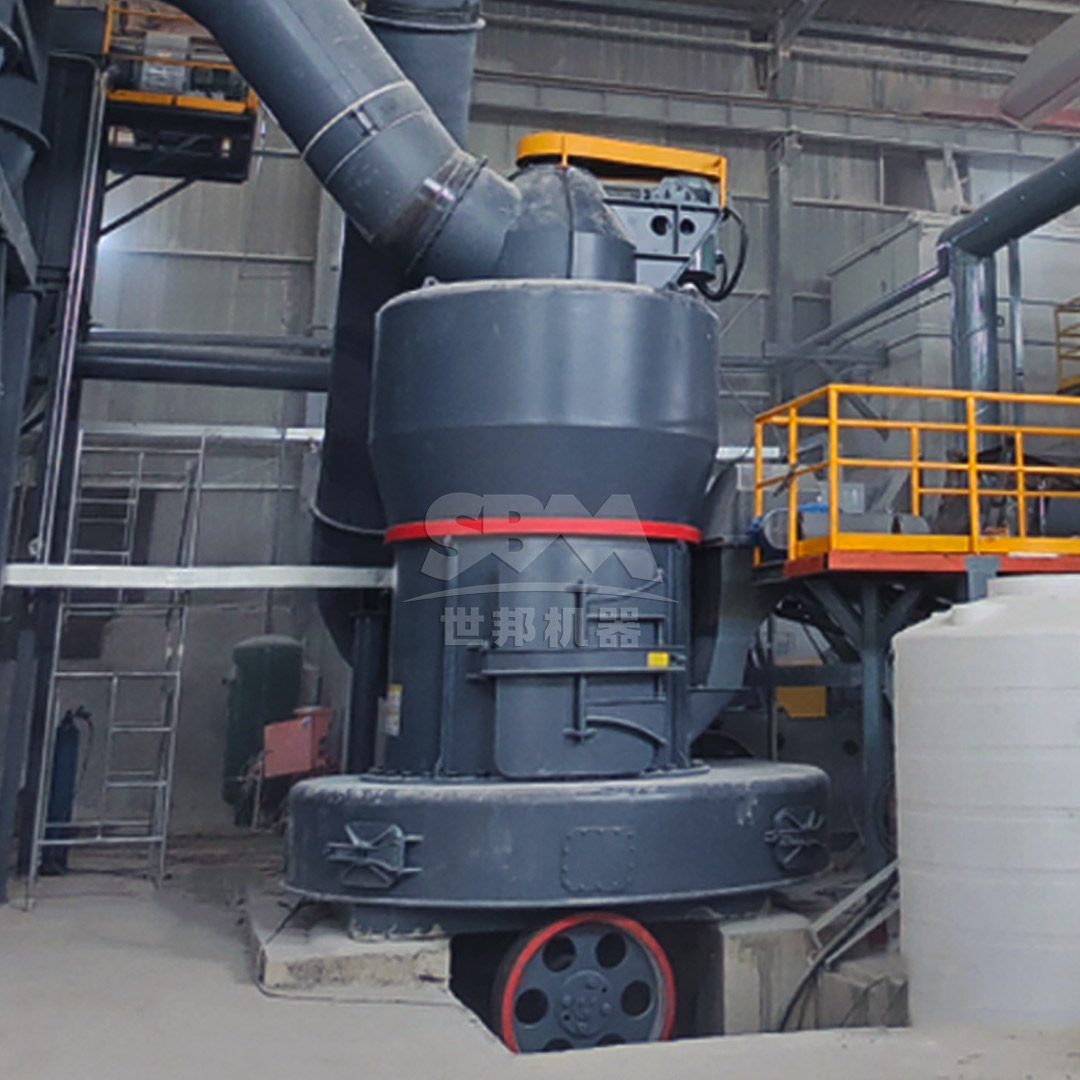
The design philosophy of the SCM Series centers on precision, durability, and sustainability—attributes essential for modern mineral processing plants.
For production lines with very high throughput requirements where the primary target is 325-mesh kaolin, our LM Series Vertical Roller Mill presents an outstanding solution. Its integrated design combines crushing, grinding, drying, and classification in a single unit, reducing floor space by 50% and infrastructure costs by 40%. With energy consumption 30-40% lower than traditional ball mill systems and a fully sealed negative pressure operation that guarantees dust-free production, the LM Series is ideal for large-scale, cost-effective manufacturing of fiberglass-grade kaolin.
| Model | Capacity (t/h) | Output Fineness | Main Power (kW) |
|---|---|---|---|
| SCM800 | 0.5 – 4.5 | 325 – 2500 mesh | 75 |
| SCM1000 | 1.0 – 8.5 | 325 – 2500 mesh | 132 |
| SCM1680 | 5.0 – 25 | 325 – 2500 mesh | 315 |
| LM190K (VRM) | 23 – 68 | 170 – 40μm (~325-400 mesh) | 500 |
The quality of kaolin additives is a silent yet powerful contributor to the performance and cost-effectiveness of fiberglass production. Selecting the appropriate grinding equipment is a strategic decision that impacts product consistency, energy consumption, maintenance costs, and environmental compliance. While several milling options exist, the move towards ultrafine, tightly specified kaolin powders for high-end applications clearly points to the need for advanced, precision grinding systems.
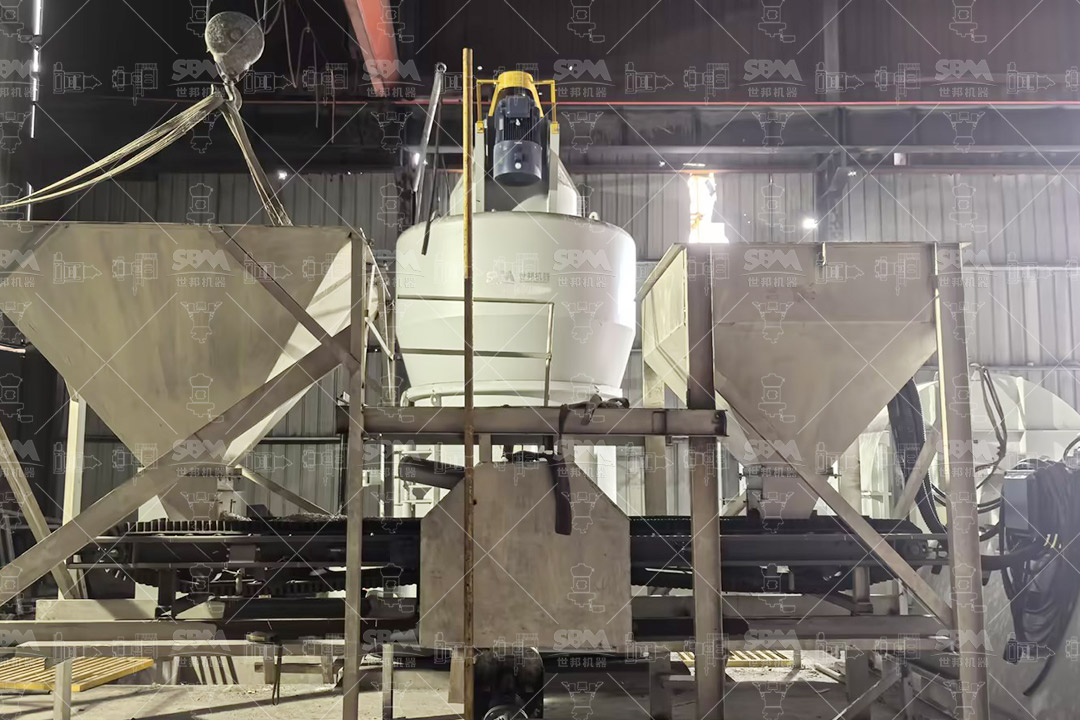
Technologies like the SCM Series Ultrafine Mill and the LM Series Vertical Roller Mill provide fiberglass manufacturers with the tools necessary to achieve excellence in their kaolin preparation. By ensuring a consistent supply of perfectly graded kaolin powder, these mills help stabilize the melting process, improve fiber quality, reduce defects, and ultimately strengthen the competitiveness of the final fiberglass products in the market. Investing in such key equipment is not merely an operational upgrade; it is a commitment to quality and efficiency at the most fundamental level of the production chain.