The ball mill is a cornerstone of size reduction in numerous industries, from mineral processing and cement production to ceramics and chemical manufacturing. Its operational efficiency and final product quality are profoundly influenced by the selection and use of grinding media. The grinding media—typically steel balls, cylpebs, or rods—are the active components that impart energy to the feed material, causing fracture through impact and abrasion. An optimal selection is not merely a matter of choosing the hardest or cheapest option; it is a complex engineering decision that balances material properties, operational parameters, and economic factors. This article delves into the key factors that must be considered to maximize mill performance, minimize operational costs, and achieve the desired product specifications.

The characteristics of the material being ground are the primary determinants for media selection.
The intrinsic properties of the media itself define its performance and lifespan.
| Property | Impact on Performance | Typical Media Types |
|---|---|---|
| Size & Size Distribution | Larger media favor impact breakage of coarse particles; a mix of sizes improves grinding efficiency by filling voids and increasing surface area contact. | Balls: 12mm-125mm; Cylpebs: Smaller profile for more contact. |
| Density | Higher density media (e.g., forged steel) possess greater kinetic energy, enhancing impact grinding. Lower density media (ceramic) suit abrasive, fine-grinding duties. | Forged Steel (~7.8 g/cm³), High-Chrome Cast (7.6-7.8), Ceramic (3.6-3.8). |
| Hardness & Toughness | Hardness resists wear; toughness resists fracture and spalling. An optimal balance is required—media that is too hard may be brittle. | High-Chrome Cast (HRC 58-65), Forged Steel (HRC 55-62). |
| Shape | Balls offer point contact, ideal for impact. Cylpebs (short cylinders) provide line contact, offering more grinding surface area for abrasive grinding and potentially higher efficiency. | Balls, Cylpebs, Rods (for primary grinding). |
The mill’s design and operating conditions dictate how the media behaves.
Beyond technical performance, the total cost of ownership is paramount.
The wear rate of media, measured in grams per ton of ground material, is a major operational expense. While high-performance media (e.g., high-chrome alloy balls) have a higher initial cost, their significantly lower wear rate often results in a lower total cost per ton ground, less frequent downtime for media recharge, and more consistent product quality over time. A comprehensive cost-benefit analysis considering media price, wear rate, energy consumption, and maintenance is essential.
The grinding media and mill liners are a wear pair. Using extremely hard media with softer liners can accelerate liner wear, and vice-versa. The material and profile of the liner should be selected in conjunction with the media to ensure harmonious wear and optimal lifting action.
The target particle size distribution is a key driver. Ultra-fine grinding (<20μm) often requires specialized milling approaches. While ball mills can achieve moderate fineness, other technologies like vertical roller mills or specialized ultrafine mills offer superior efficiency for high-surface-area products. For instance, achieving a consistent D97 of 5μm (2500 mesh) is highly demanding for a conventional ball mill due to limitations in classification efficiency and energy intensity.
For operations requiring high capacity, precise top-size control, or energy-efficient production of fine to ultra-fine powders, modern grinding systems often surpass the capabilities of traditional ball mills. Integrating pre-crushing stages with highly efficient grinding and dynamic classification can dramatically improve overall circuit performance.
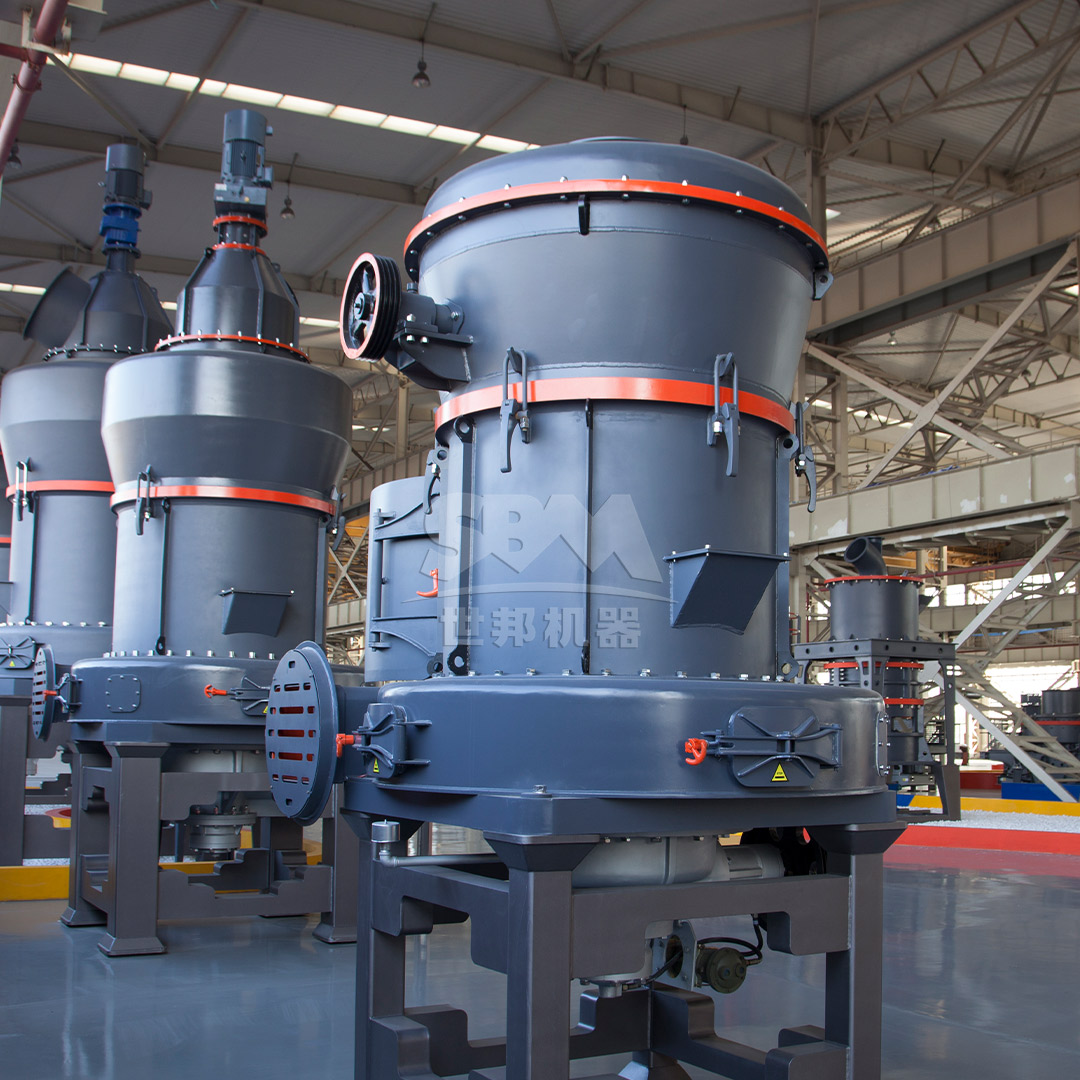
Our SCM Ultrafine Mill represents a paradigm shift for ultra-fine powder production (325-2500 mesh / D97≤5μm). Its core advantages directly address limitations inherent in fine ball milling:
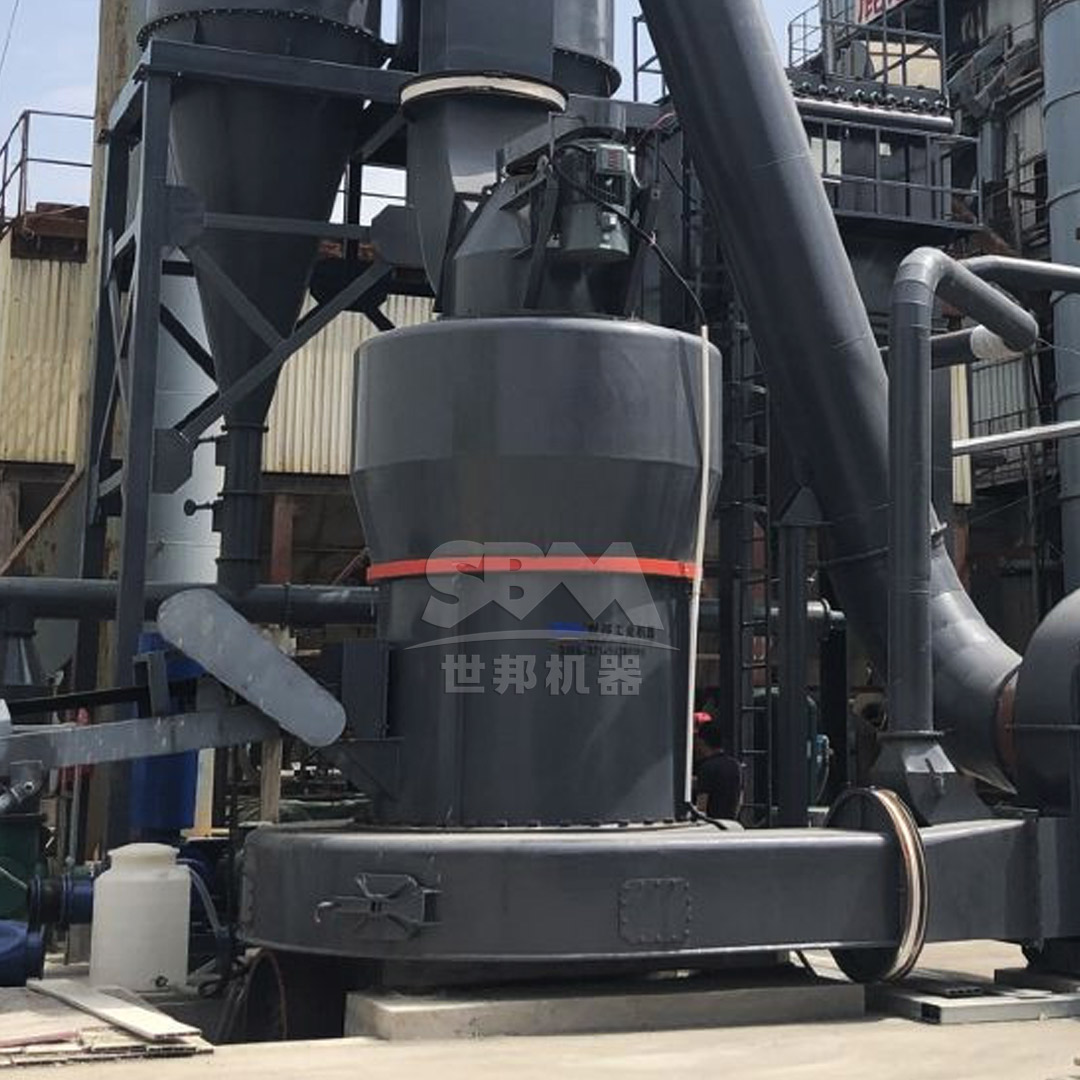
For large-scale production of fine powders in the 30-325 mesh range, our MTW Series Trapezium Mill offers an excellent balance of capacity, efficiency, and reliability. Its curved air duct reduces flow resistance, the conical gear integral transmission achieves 98% efficiency, and its modular wear-resistant components like the combined shovel blades significantly lower long-term operating costs compared to the continual media and liner consumption of a ball mill.

Selecting the optimal grinding media for a ball mill is a multi-faceted optimization problem that sits at the intersection of material science, mechanical engineering, and process economics. It requires a deep understanding of the ore or feed material’s behavior, the dynamics of the milling process, and the total cost implications. While proper media selection can significantly enhance the performance of a ball mill, engineers should also consider the entire size reduction circuit. For modern applications demanding high efficiency, precise particle size control, and lower operational costs—especially in the fine and ultra-fine grinding realms—advanced milling technologies like our SCM Ultrafine Mill and MTW Series Trapezium Mill provide compelling, high-performance alternatives that can optimize overall plant profitability and product quality.