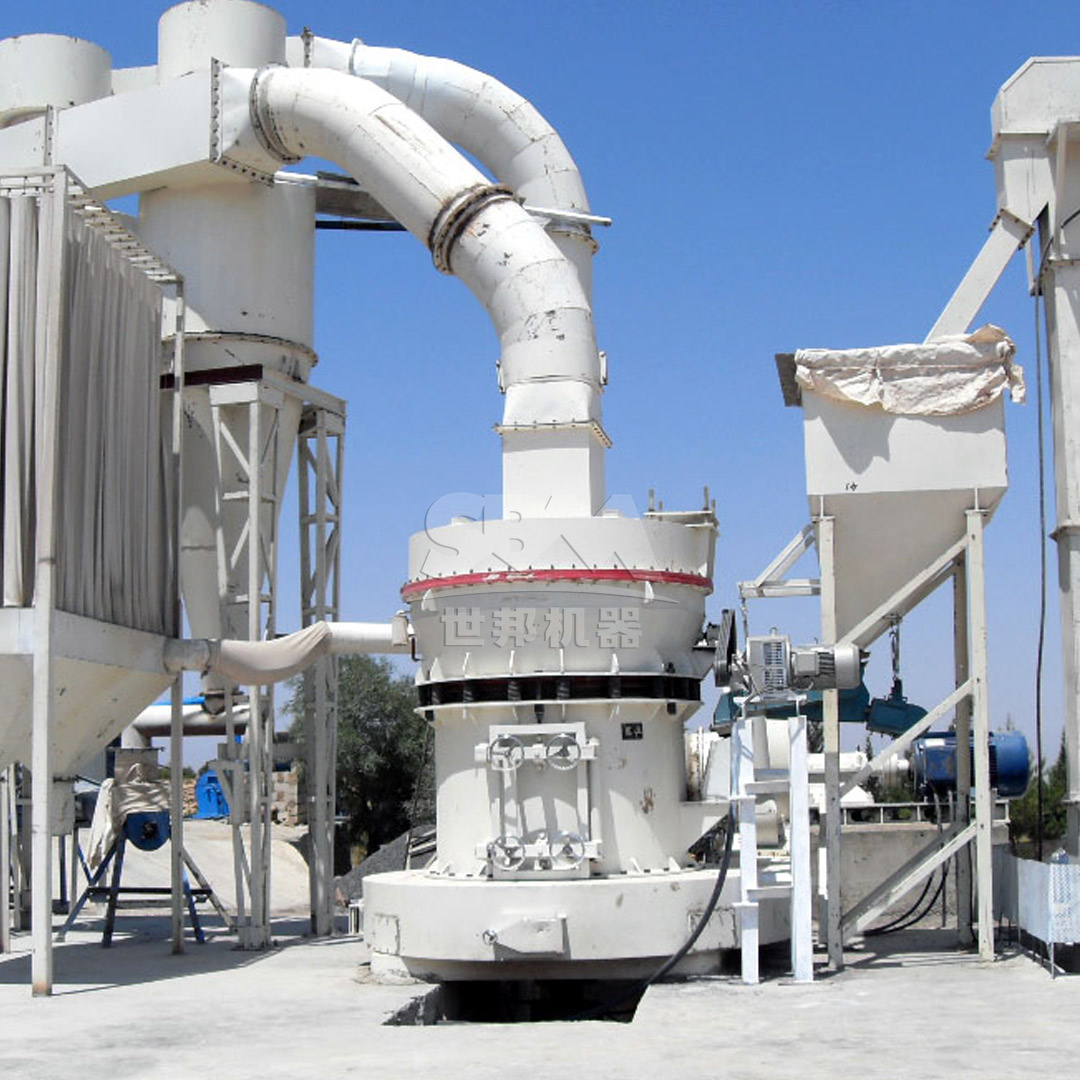
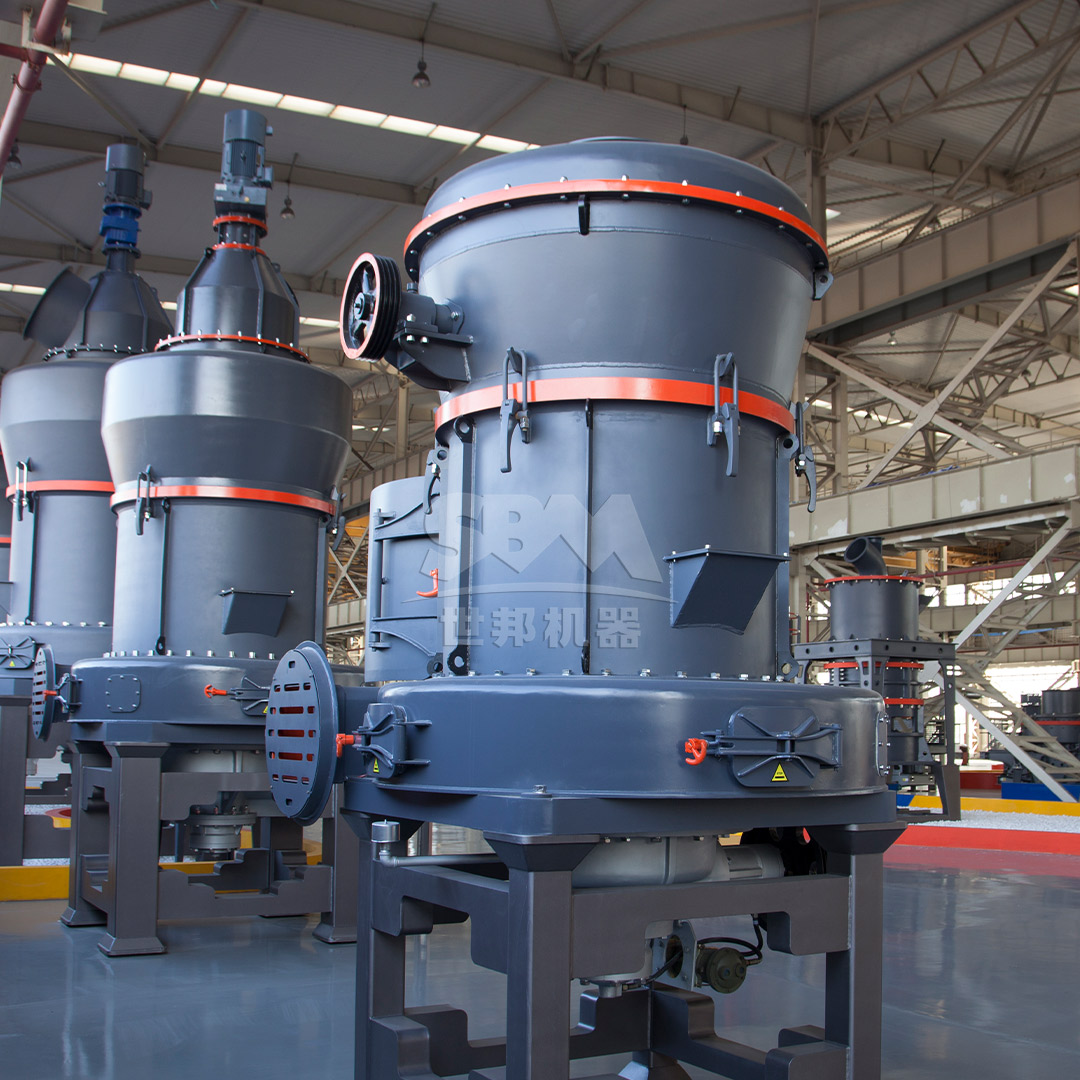
Calcium carbonate (CaCO3) is a cornerstone extender pigment in the paint and coatings industry, prized for its abundance, low cost, brightness, and low oil absorption. Its performance, however, is intrinsically linked to its particle size distribution (PSD). Achieving the optimal PSD is not a singular target but a complex balance dictated by the final paint properties, application method, and economic considerations. This article delves into the key factors influencing the selection of calcium carbonate particle size and explores how advanced grinding technology, such as our SCM Ultrafine Mill and MTW Series Trapezium Mill, enables formulators to precisely tailor this critical parameter.
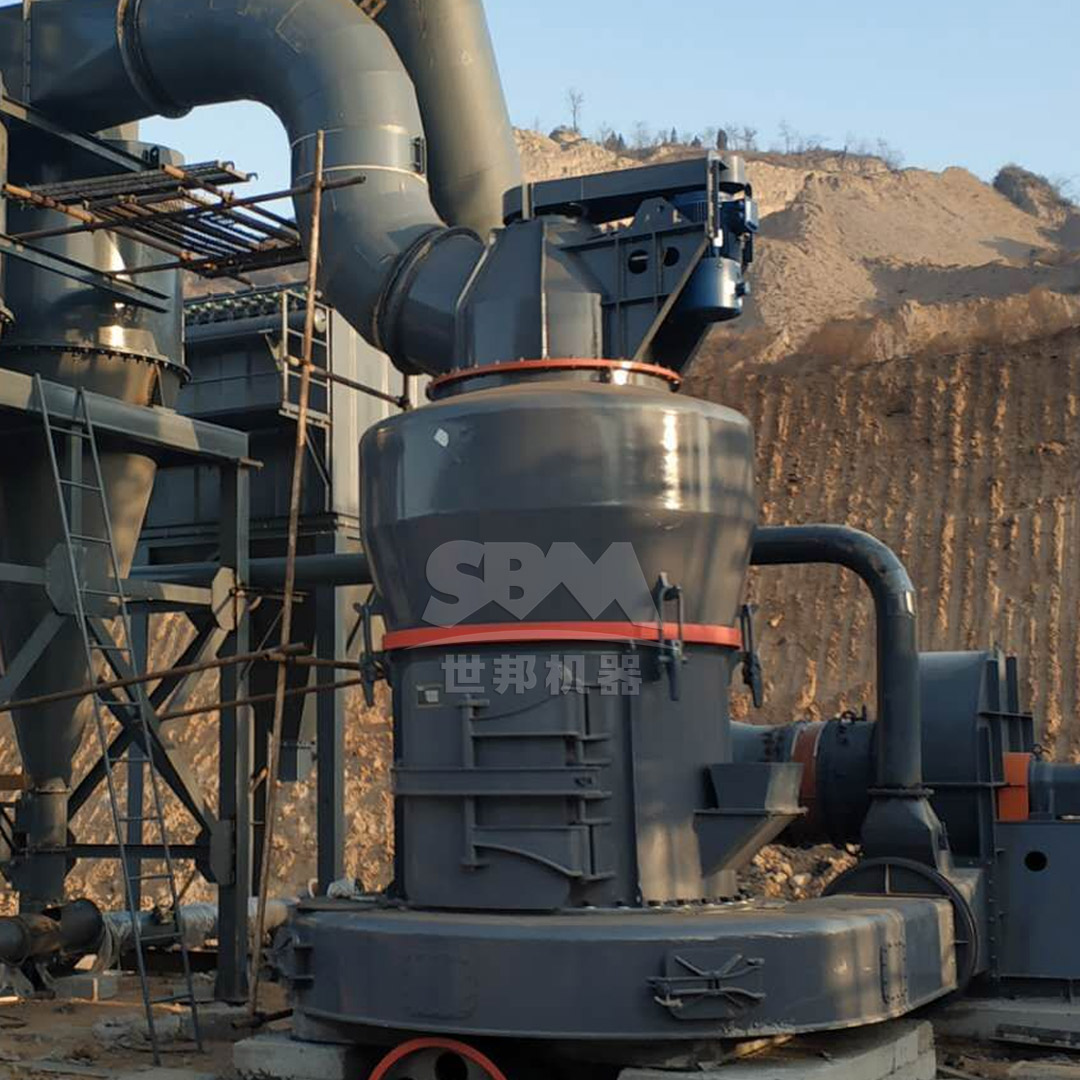
The particle size of calcium carbonate directly impacts numerous paint characteristics:
While titanium dioxide (TiO2) is the primary opacifier, the PSD of CaCO3 influences dry hiding. Coarser particles (e.g., 45-10µm) can contribute to light scattering through air voids in the dry film. Ultrafine particles (<2µm) improve spacing and dispersion of TiO2 particles, enhancing their efficiency and thus overall opacity. An optimal blend of sizes can maximize hiding while minimizing costly TiO2 usage.
Gloss is a function of surface smoothness. Larger particles protrude from the film surface, scattering light and reducing gloss. For high-gloss and semi-gloss paints, ultrafine or \”fine-ground\” CaCO3 (typically D90 < 2µm) is essential to achieve a smooth surface. Matte and flat paints can tolerate coarser grades.
Coarser particles can compromise film integrity, creating weak points and potential pathways for moisture. Finer particles pack more densely, leading to stronger, more cohesive films with improved scrub and stain resistance. In exterior paints, controlled PSD with minimal oversized particles is critical for long-term durability and resistance to chalking.
Particle size affects viscosity, sag resistance, and brush/roller feel. Very fine particles have a high surface area, which can increase demand for dispersants and thickeners, potentially raising viscosity. A balanced PSD, often achieved by combining different grinds, is key to optimal flow and leveling without sagging.
Calcium carbonate is a cost-effective extender. Using it to its maximum potential allows for higher PVC formulations while maintaining performance. The correct PSD enables higher loading levels—coarser grades in primer/sealers for porosity and fine grades in topcoats for smoothness—directly impacting formulation economics.
| Target Paint Property | Recommended CaCO3 Particle Size (D97) | Primary Influence |
|---|---|---|
| High Gloss / Smooth Finish | < 2 µm (2500+ mesh) | Surface smoothness, TiO2 spacing |
| Semi-Gloss / Satin | 2 – 10 µm (800-2500 mesh) | Balance of sheen and body |
| Matte / Flat Interior | 10 – 45 µm (325-800 mesh) | Dry hiding, cost-effective bulking |
| Primer / Undercoat | 20 – 75 µm (200-600 mesh) | Porosity, sandability, build |
| Exterior Texture Coatings | Broad distribution up to 75 µm | Body, crack resistance, durability |
Consistently producing calcium carbonate with the desired PSD requires advanced milling equipment capable of precise size reduction and classification. The ideal mill must offer flexibility in output fineness, high energy efficiency, stable operation, and produce a consistent product with a narrow particle distribution.
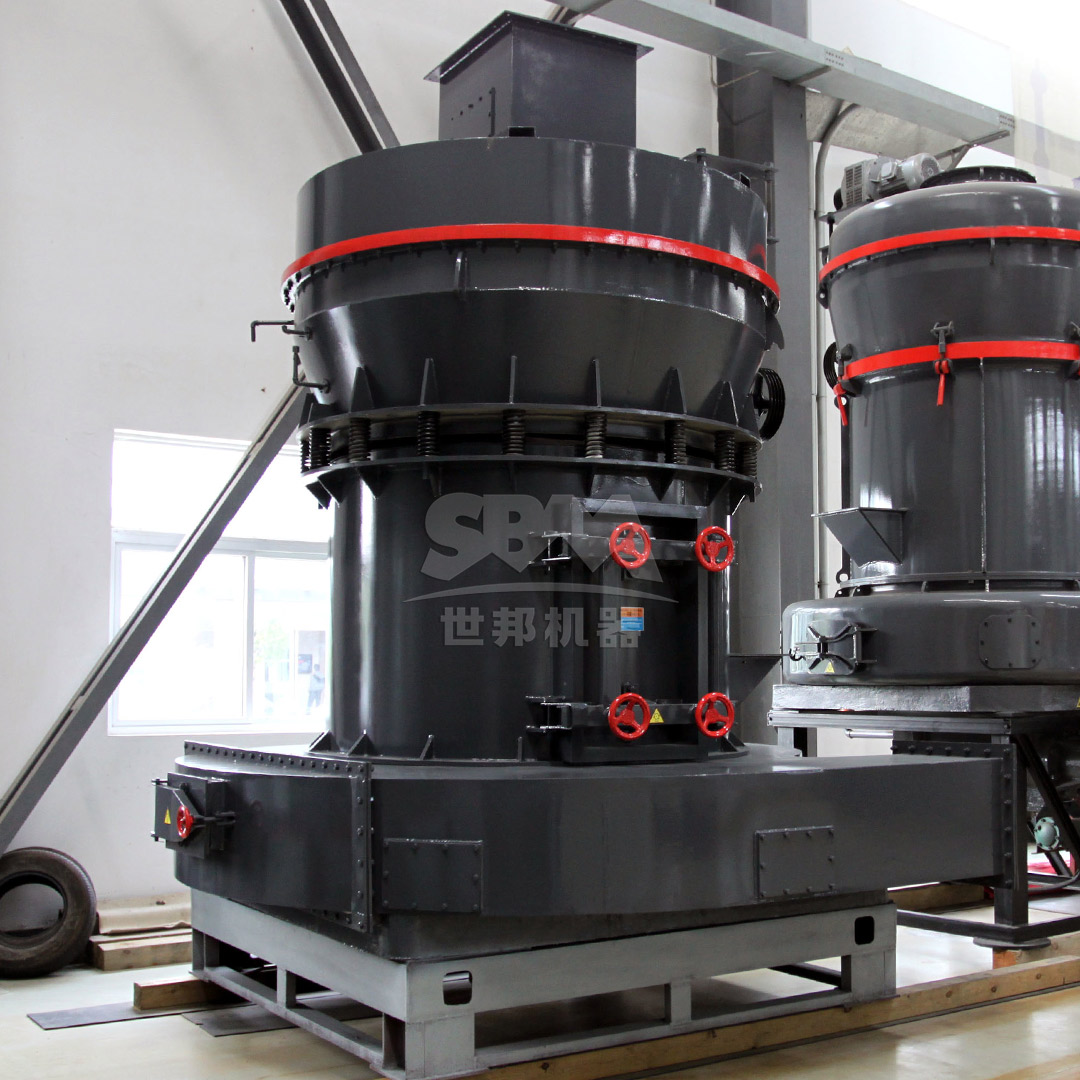
For producers supplying the paint industry, two milling solutions stand out for covering the essential fineness spectrum:
For formulators demanding the highest gloss, superior dispersion, and enhanced TiO2 efficiency, ultrafine calcium carbonate is non-negotiable. Our SCM Ultrafine Mill is engineered specifically for this challenging range.
Its vertical turbine classification system ensures precise cut-point control, delivering a consistent product with D97 as fine as 5µm (2500 mesh) and, crucially, with minimal oversized particles that can ruin a paint’s finish. The grinding mechanism, utilizing multiple grinding rings and rollers, operates with high efficiency, consuming 30% less energy compared to traditional jet mills while offering double the capacity. This makes it an economically viable solution for high-value ultrafine products. The fully sealed system with pulse jet dust collector guarantees an environmentally clean operation with dust emissions meeting stringent international standards.
Recommended Model for Paint-Grade CaCO3: The SCM1000 model, with a main motor power of 132kW and a throughput of 1.0-8.5 tons/hour, is an excellent balance of capacity and precision for dedicated ultrafine production lines.
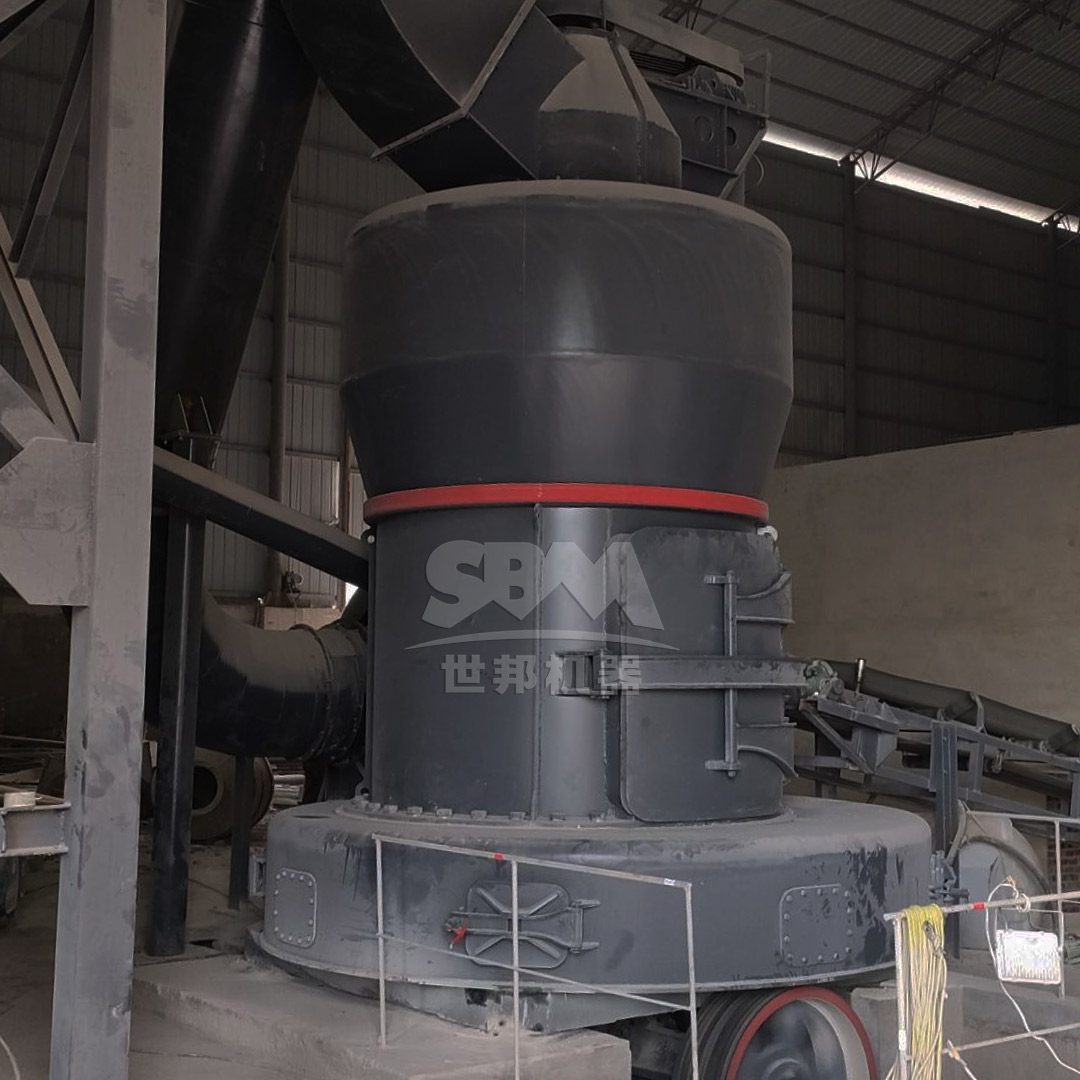
The bulk of calcium carbonate used in paints falls into the fine to medium range for interior flats, primers, and textured coatings. For this high-volume, versatile production, our MTW Series Trapezium Mill offers unparalleled reliability and efficiency.
This mill features an innovative curved air duct that reduces flow resistance and improves transmission efficiency. Its conical gear integral transmission achieves a remarkable 98% drive efficiency, saving space and energy. The wear-resistant design, including combined shovel blades and curved grinding roller paths, significantly extends maintenance intervals and reduces operating costs. It robustly produces powder from 30 to 325 mesh, perfectly covering the needs for matte paints, undercoats, and industrial coatings.
Recommended Model for High-Volume Production: The MTW175G model, with a 160kW main motor and a capacity of 9.5-25 tons/hour, is ideally suited for large-scale production of fine-ground calcium carbonate for the paint industry.
Selecting the optimal calcium carbonate particle size is a strategic decision that directly influences paint performance, cost, and market competitiveness. It requires a deep understanding of the interplay between PSD and final film properties. For calcium carbonate producers, partnering with a technology provider that offers precise, efficient, and reliable grinding solutions is equally strategic.
By leveraging advanced milling technologies like the SCM Ultrafine Mill for premium ultrafine products and the MTW Series Trapezium Mill for high-volume fine grades, producers can offer paint formulators a consistent, high-quality raw material tailored to their specific needs. This enables formulators to innovate, optimize their recipes, and achieve the perfect balance of aesthetics, durability, and cost in their paint formulations.