In modern mineral processing and powder production industries, the Vertical Roller Mill (VRM) has become a cornerstone technology due to its superior efficiency, lower energy consumption, and excellent product quality control compared to traditional ball mills. However, to truly optimize operations and maximize return on investment, a systematic evaluation of mill performance is essential. This requires a deep understanding of the key performance indicators (KPIs) that define efficiency. This article delves into the critical KPIs for VRMs, providing a framework for operators and engineers to assess, benchmark, and improve their grinding processes.
The most fundamental KPIs for any grinding operation are throughput (or capacity) and specific energy consumption (SEC).
Throughput (Ton/h): This measures the mass flow rate of finished product meeting the target specifications. It is a direct indicator of production capability. Factors influencing throughput include feed material hardness, moisture content, feed size distribution, and the desired product fineness. A high and stable throughput under specified conditions signifies robust mill design and optimal operational parameters.
Specific Energy Consumption (kWh/ton): Perhaps the most critical efficiency metric, SEC quantifies the energy required to grind one ton of material to the target fineness. VRMs are renowned for their lower SEC compared to ball mills, primarily due to the energy-efficient principle of inter-particle comminution in a material bed. Monitoring SEC helps identify operational deviations, wear progression in grinding components, and opportunities for energy savings. A sudden increase in SEC often signals issues such as excessive grinding pressure, poor material bed stability, or classifier inefficiency.
| KPI Category | Key Indicator | Unit | Significance |
|---|---|---|---|
| Productivity | Throughput | ton/h | Direct measure of production rate |
| Availability / Uptime | % | Measures operational reliability | |
| Efficiency | Specific Energy Consumption (SEC) | kWh/ton | Primary indicator of energy efficiency |
| Grinding Pressure Efficiency | – | Relates applied force to size reduction | |
| Quality | Product Fineness (e.g., D97, Blaine) | μm / m²/kg | Defines product specification compliance |
| Particle Size Distribution (PSD) | – | Indicates classifier performance and product uniformity | |
| Operational | Vibration & Noise Levels | mm/s, dB(A) | Indicators of mechanical health and stability |
| Economic | Wear Rate of Grinding Parts | g/ton | Directly impacts maintenance cost per ton |
Efficiency is not solely about quantity and energy use; it inherently includes the quality of the output.
Product Fineness: This is typically defined by parameters such as the residue on a specific sieve (e.g., 45μm or 325 mesh) or the particle size at a certain cumulative percentage (e.g., D97 = 45μm). For high-value fine powders, achieving and consistently maintaining the target fineness is paramount. Modern VRMs equipped with high-efficiency dynamic classifiers excel in this area.
Particle Size Distribution (PSD): Beyond a single fineness point, the shape and breadth of the PSD curve are crucial. A narrow PSD indicates a sharp cut by the classifier, minimizing both oversize and undersize particles. This leads to a more uniform product with superior performance in downstream applications, such as improved reactivity in cement or better flowability in pigments. The classifier’s speed and airflow are key levers for controlling PSD.
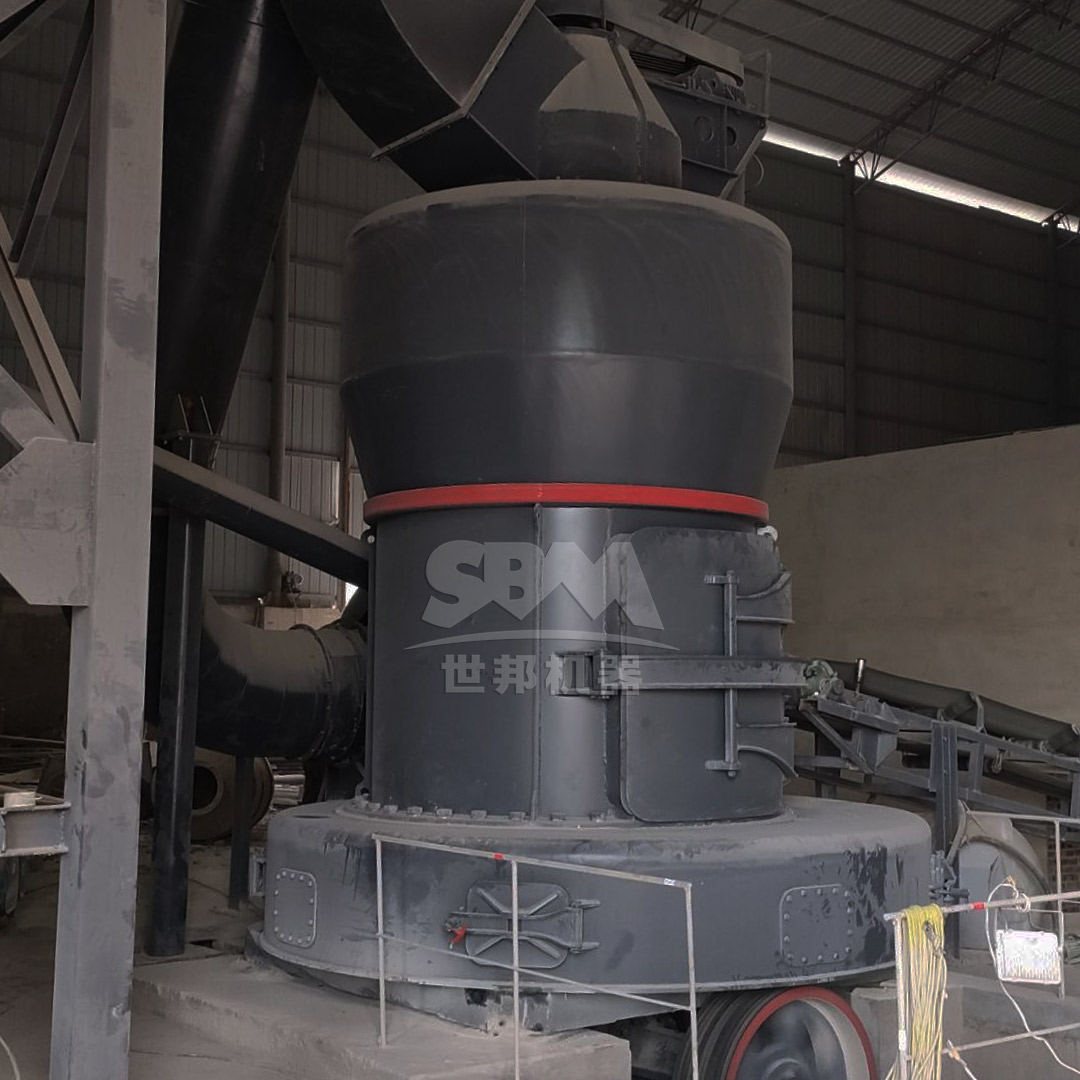
Long-term efficiency depends on stable and reliable operation, minimizing unplanned downtime.
Mill Vibration: Vibration levels are a sensitive health indicator. Excessive vibration can signal an unstable grinding bed, uneven feed, mechanical misalignment, or severe roller/table wear. Continuous monitoring of vibration allows for predictive maintenance, preventing catastrophic failures.
Pressure Differential Across the Mill: The pressure drop between the mill inlet and outlet reflects the resistance to the grinding gas flow, which is related to the material load in the mill and the condition of the internal components. An abnormal trend can indicate issues like nozzle ring blockage or improper dam ring height.
Bearing Temperatures & Lubrication System Health: Monitoring the temperature of grinding roller and main reducer bearings is vital. Rising temperatures can warn of lubrication failure or impending bearing damage. A reliable, automated lubrication system is a key design feature for modern VRMs.
The total cost of ownership is a decisive factor. Key KPIs here translate operational data into economic impact.
Wear Rate of Grinding Components: The consumption rate of wear parts like roller tires and table liners, measured in grams per ton of product, directly determines maintenance costs. Mills designed with special alloy materials and optimized grinding profiles, such as our LM Series Vertical Roller Mill, significantly extend service life. For instance, the LM series features a non-contact design for rollers and the grinding table in certain conditions, along with special material overlays, which can increase wear part life by up to three times compared to conventional designs, drastically reducing cost per ton.
Availability / Operational Uptime: This is the percentage of scheduled time the mill is actually available for production. High availability is achieved through robust design, ease of maintenance (e.g., modular roller assemblies), and effective predictive maintenance strategies.
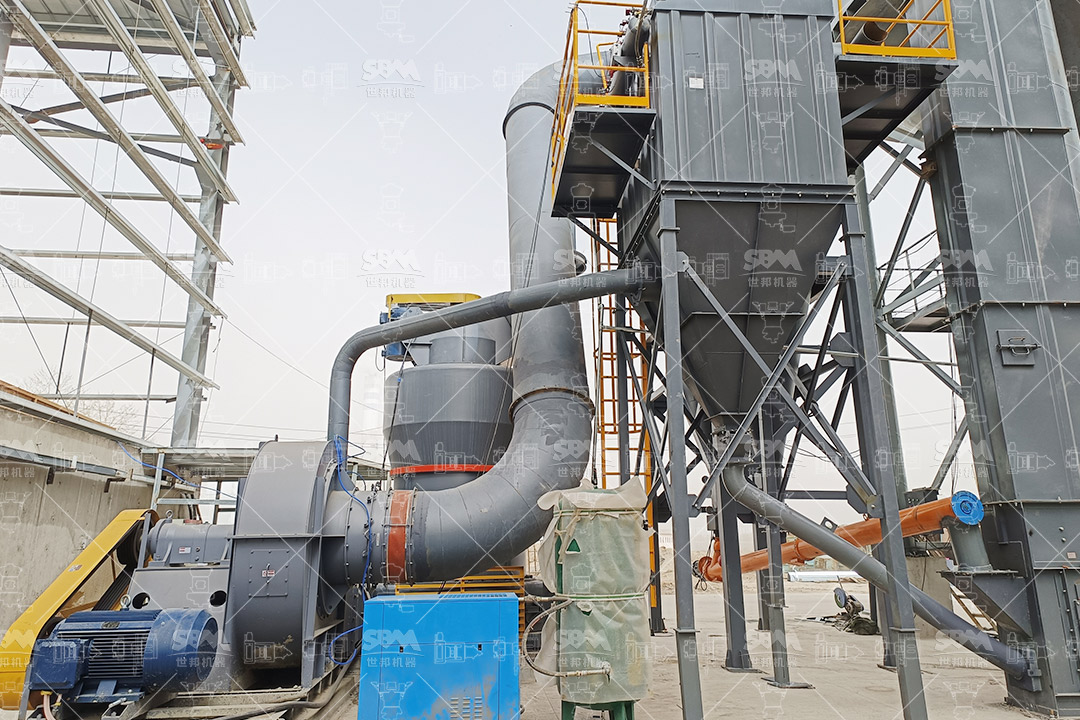
For state-of-the-art plants, efficiency evaluation extends to the entire grinding system and its integration with process control.
System SEC (kWh/ton): This expands the SEC calculation to include the energy consumption of all auxiliary equipment—the main mill motor, classifier motor, mill fan, baghouse fan, and conveying systems. It provides a holistic view of the grinding circuit’s energy footprint.
Automation & Control Loop Performance: The effectiveness of the mill’s expert control system in maintaining stable operation at the optimal setpoints (e.g., bed depth, mill outlet temperature, classifier speed) is a key performance enabler. A well-tuned system minimizes human intervention and adapts to feed variations, consistently targeting the lowest possible SEC.
Environmental Compliance:
Modern mills must operate within strict environmental limits. Key related KPIs include:
Ultimately, achieving excellent performance across all these KPIs starts with selecting the right equipment for the specific application. For operations demanding ultra-fine powders in the range of 325-2500 mesh (45-5μm), a mill specifically engineered for high precision and energy efficiency at fine grinding is required. Our SCM Ultrafine Mill series is designed to excel in this domain. It integrates a vertical turbine classifier for precise particle size cuts, ensuring a narrow PSD with no coarse particle contamination. Its intelligent control system automatically adjusts operational parameters based on real-time feedback of product fineness, optimizing for both quality and energy consumption. With a reported capacity twice that of jet mills and energy savings of up to 30%, the SCM series demonstrates how advanced design directly translates into superior KPIs—high throughput, low SEC, and exceptional product quality.
By systematically tracking and analyzing the KPIs outlined above, plant managers can move from reactive operations to proactive optimization. This data-driven approach not only ensures the vertical roller mill operates at peak efficiency but also extends equipment life, reduces operational costs, and guarantees a consistent, high-quality product that meets the most demanding market specifications.