December 03, 2025
Key Performance Parameters to Evaluate When Choosing an Ultrafine Mill
Selecting the right ultrafine mill is a critical decision that directly impacts production efficiency, product quality, operational costs, and long-term profitability. With a plethora of technologies and models available, making an informed choice requires a thorough evaluation of several key performance parameters (KPPs). This guide outlines the essential factors to consider, ensuring your investment aligns perfectly with your specific material, output, and operational goals.
1. Particle Size Distribution and Fineness Control
The primary function of an ultrafine mill is to achieve a specific and consistent particle size distribution (PSD). The ability to control the top cut (D97 or D100) and the overall shape of the PSD curve is paramount.
- Target Fineness Range: Clearly define your required final product fineness, typically expressed in microns (µm) or mesh size (e.g., 325-2500 mesh). The mill must reliably and consistently produce powder within this range.
- Narrow Particle Distribution: A high-quality mill features an advanced, integrated classification system. This ensures a narrow PSD, minimizing the presence of both oversized particles (which can affect product performance) and excessively fine particles (which can increase energy consumption and cause handling issues). Look for mills with precision air classifiers or vertical turbine classifiers.
- Adjustability: The system should allow for easy and precise adjustment of the final product fineness without significant downtime or production loss, enabling flexibility for different product grades.
| Fineness Parameter |
Importance |
Evaluation Question |
| D97 / Top Cut |
Defines the maximum particle size in the product. |
Can the mill consistently achieve ≤5µm, ≤10µm, etc.? |
| PSD Width |
Indicates product uniformity and classifier efficiency. |
How narrow is the distribution? Is the classifier integrated and precise? |
| Adjustment Range |
Determines production flexibility. |
Can fineness be changed quickly and easily during operation? |
2. Throughput Capacity and Scalability
Capacity must be evaluated in the context of your desired fineness. A mill’s throughput is inversely related to the target particle size; grinding finer typically reduces hourly output.
- Rated Capacity at Target Fineness: Always compare mill capacities at the same D97 value. A manufacturer’s highest tonnage figure often corresponds to a coarser grind. Ensure the quoted capacity matches your required fineness.
- Scalability and Model Range: Consider future growth. Does the manufacturer offer a series of models with incrementally larger capacities? This allows for easier plant expansion. For example, a comprehensive series might range from pilot-scale (0.5 t/h) to large industrial production (25 t/h or more).
- Feed Size Compatibility: The maximum feed size the mill can accept directly impacts pre-crushing requirements and overall system complexity.
3. Energy Efficiency and Specific Energy Consumption
Grinding energy is often the single largest operational cost in fine powder production. Evaluating energy efficiency is non-negotiable.
- Specific Energy Consumption (kWh/ton): This is the key metric. Compare the energy required to produce one ton of finished product at your target fineness. Modern, optimized mills can offer 30-50% savings compared to older technologies like ball mills or certain jet mills.
- System Design: Efficiency is achieved through intelligent mechanical design (e.g., optimized grinding geometry, efficient drives), advanced classification (recycling only coarse material), and integrated system design that minimizes pressure drops in air circuits.
4. Operational Reliability and Maintenance Costs
Total Cost of Ownership (TCO) extends far beyond the purchase price. Reliability and maintenance drive long-term operational expenses.
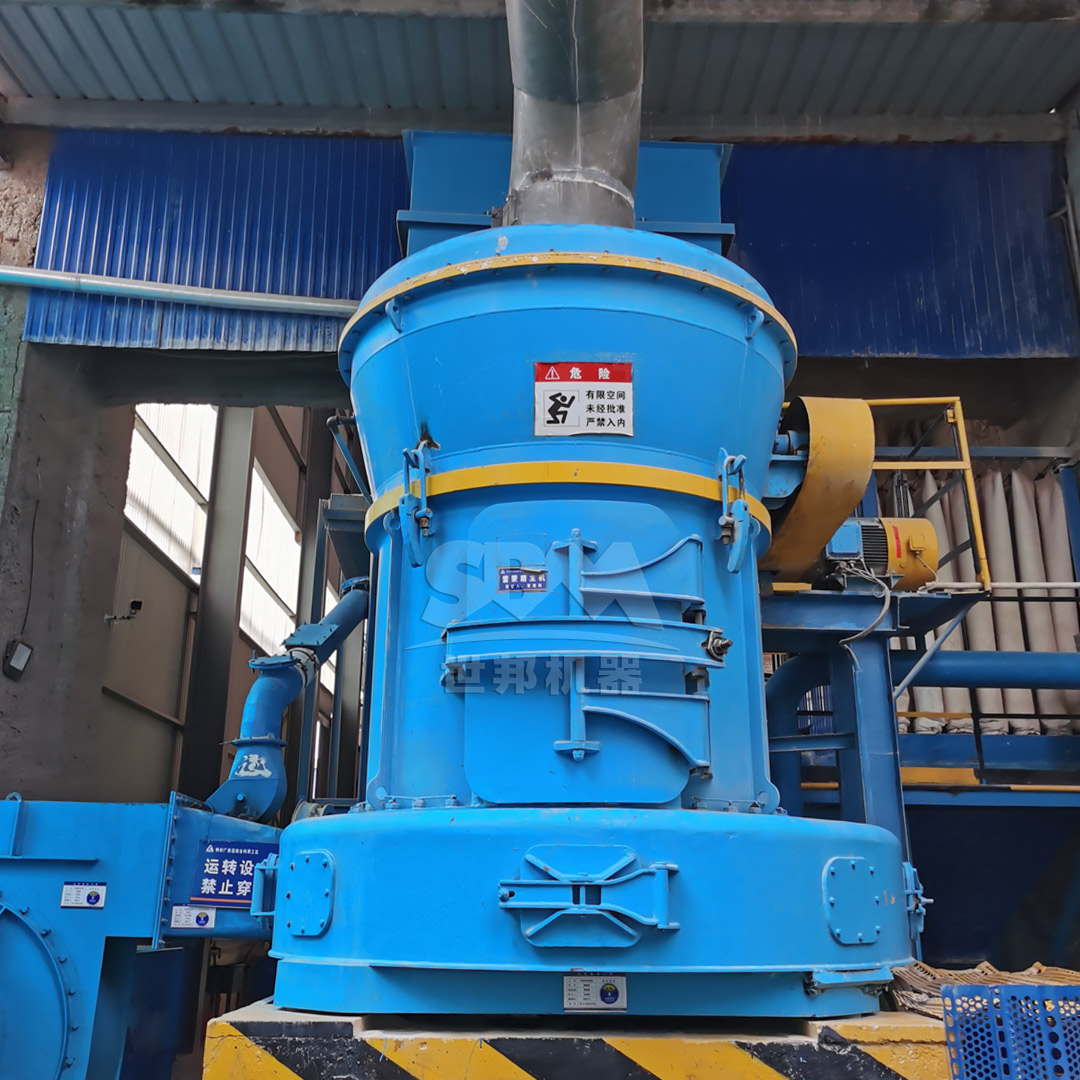
- Wear Part Design and Life: Examine the design and material of grinding elements (rollers, rings, liners). Are they made from high-chromium alloy or other advanced materials for extended life? Is their replacement straightforward? Some designs feature special material rollers and rings that last several times longer than conventional parts.
- Mechanical Simplicity and Robustness: Designs with fewer moving parts in the grinding zone, such as screw grinding chambers without bearings, generally offer higher reliability and lower failure rates.
- Ease of Maintenance: Can wear parts be accessed and replaced quickly? Modular designs for roller assemblies can drastically reduce downtime.
5. Environmental Compliance and Operational Footprint
Modern plants must adhere to strict environmental and workplace standards.
- Dust Emission Control: The mill should operate under negative pressure and be integrated with a high-efficiency dust collection system, such as a pulse jet baghouse with efficiency exceeding international standards. Emissions should be consistently below 20 mg/Nm³.
- Noise Levels: Look for mills with acoustic enclosures and damping systems designed to keep operational noise below 75-80 dB(A), protecting workers and meeting community regulations.
- System Footprint: A compact, vertically integrated design can reduce floor space requirements by up to 50% compared to traditional horizontal milling systems, saving on building costs.
6. Automation and Process Control
Consistent quality and efficient operation are increasingly dependent on advanced control systems.
- Automated Control Loops: Modern mills should feature PLC-based systems that automatically control feed rate, grinding pressure, and classifier speed based on real-time feedback of product fineness.
- Monitoring and Diagnostics: Remote monitoring capabilities, trend logging of key parameters (power, pressure, temperature), and diagnostic alerts help in predictive maintenance and minimize unplanned stops.
- Ease of Operation: A well-designed human-machine interface (HMI) allows for easy set-point changes and provides operators with clear visibility into the process status.
7. Flexibility and Material Suitability
Not all mills handle all materials equally well. Ensure the technology is proven for your specific feedstock.
- Material Hardness and Abrasiveness: Verify the mill’s successful track record with materials of similar Mohs hardness and abrasion index (e.g., quartz, zircon sand).
- Moisture and Heat Sensitivity: For heat-sensitive materials, mills with integrated air cooling or low-heat-generation designs are crucial. Some systems can handle a degree of internal drying.
- Product Contamination: The grinding mechanism should minimize iron contamination. Ceramic or specially lined components might be necessary for high-purity applications.
Choosing the Right Technology: A Recommended Solution
Based on the KPPs outlined above, mills that excel in fine and ultra-fine grinding (< 45µm down to 5µm) while offering high efficiency and reliability are often based on vertical roller mill principles with integrated classifiers.
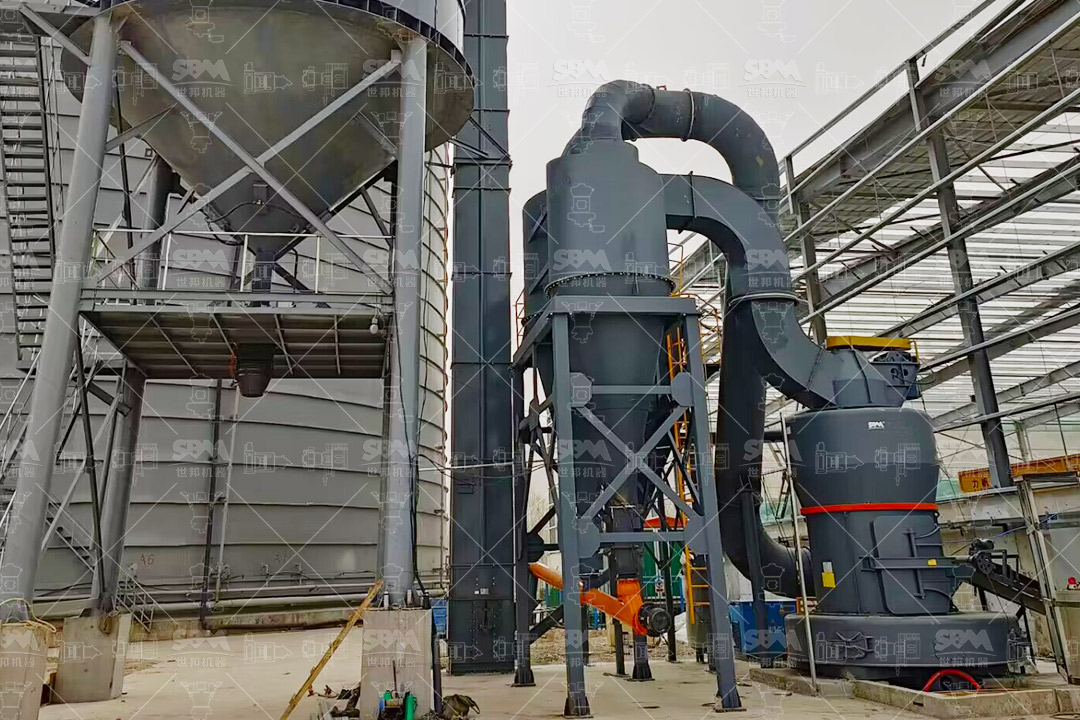
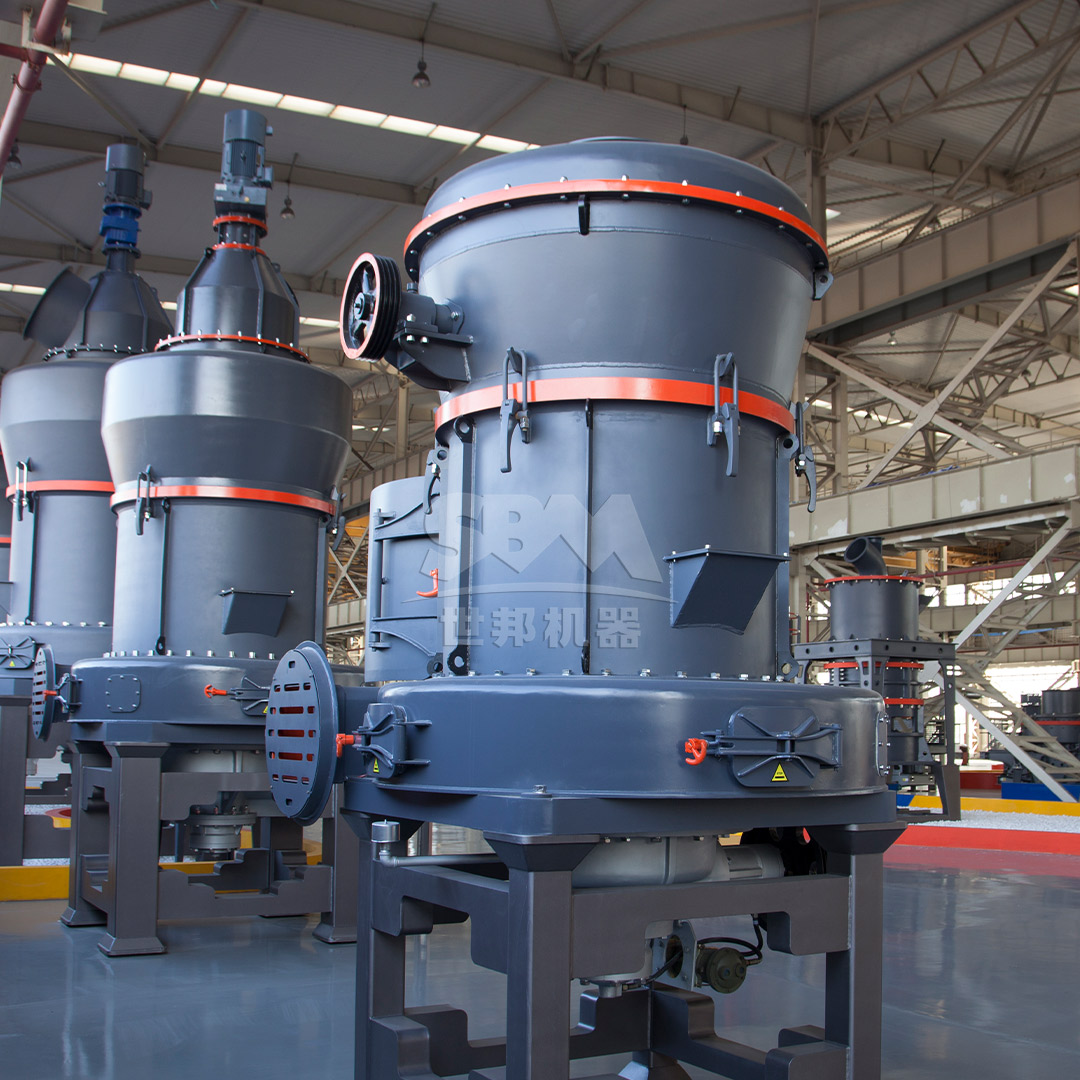
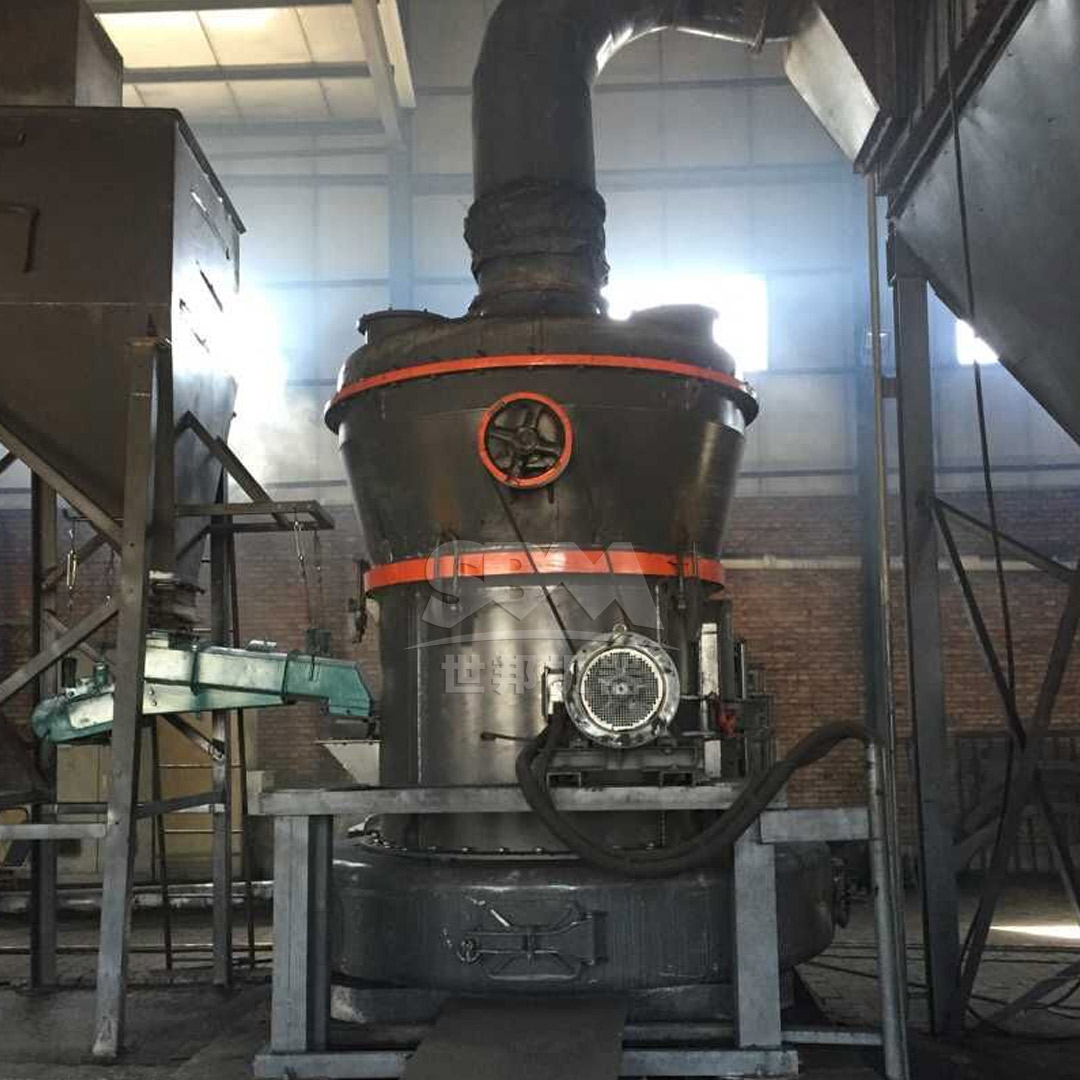
For applications demanding ultra-fine powders in the range of 325 to 2500 mesh (D97 ≤ 5µm), the SCM Series Ultrafine Mill represents an optimal choice. This mill is engineered to deliver exceptional performance across all critical parameters:
- Superior Fineness & Classification: It achieves a consistent D97 ≤ 5µm thanks to its high-precision vertical turbine classifier, ensuring a narrow particle distribution with no coarse powder contamination.
- High Efficiency: Its unique grinding curve and three-layer ring design result in a capacity that can be twice that of a jet mill while reducing energy consumption by 30%.
- Robust and Low-Maintenance Design: It features wear-resistant grinding rollers and rings with a greatly extended lifespan, and its innovative screw grinding chamber eliminates bearings in the high-wear zone, ensuring stable, long-term operation.
- Environmentally Friendly: The system operates with a high-efficiency pulse dust collector and is housed in a soundproof enclosure for noise levels ≤75dB.
- Scalable Capacity: With models ranging from the SCM800 (0.5-4.5 t/h) to the large SCM1680 (5-25 t/h), it can scale with your production needs.
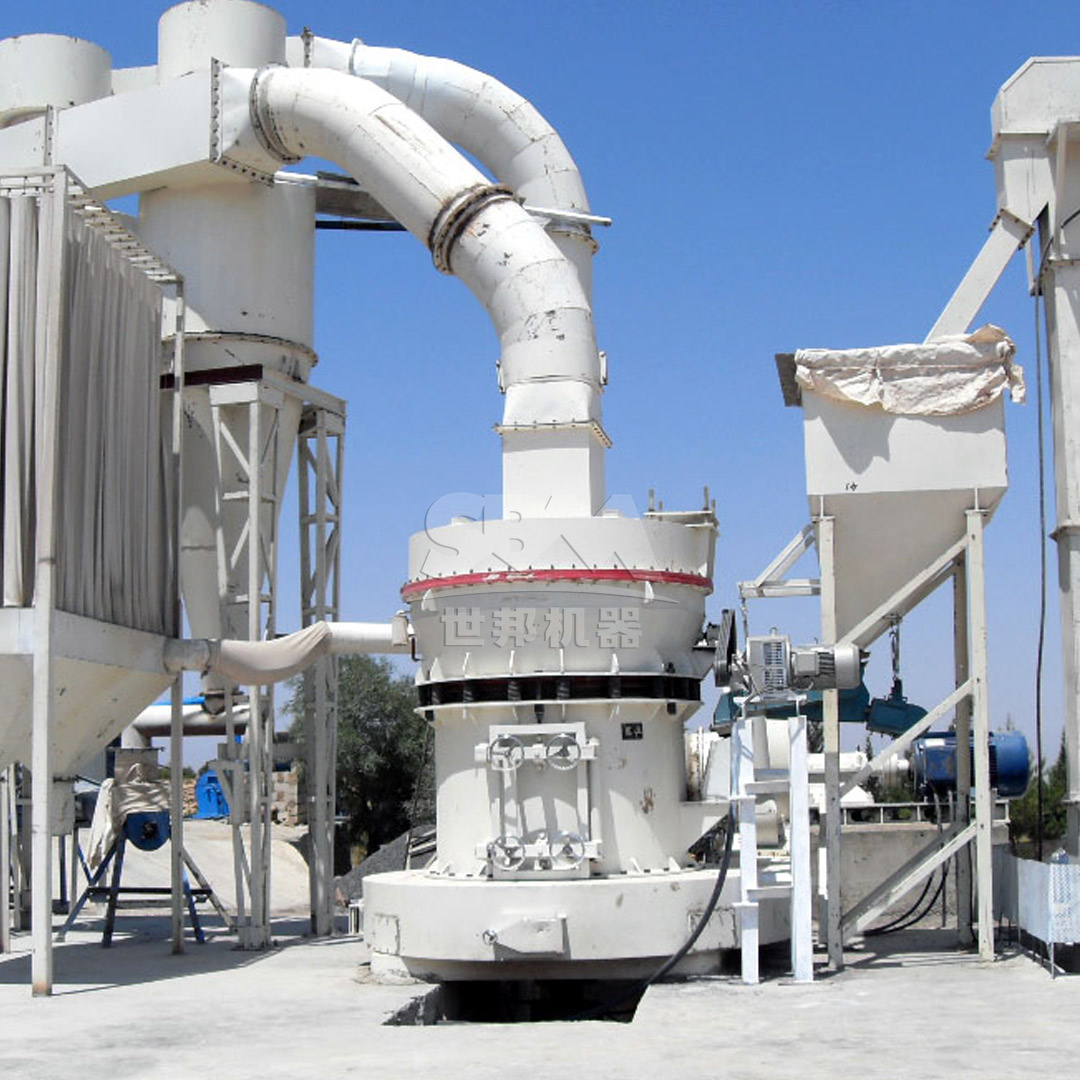
For projects requiring high-volume processing of materials to a fine powder in the 30-325 mesh range, the MTW Series Trapezium Mill is a highly efficient and reliable European-style grinding solution. It is renowned for its durability and cost-effectiveness, featuring advantages like a curved air duct for reduced energy loss, a conical gear integral transmission with 98% efficiency, and wear-resistant components that lower overall maintenance costs.
Conclusion
Investing in an ultrafine mill is a strategic decision. By methodically evaluating these Key Performance Parameters—Fineness Control, Capacity, Energy Efficiency, Reliability, Environmental Impact, Automation, and Material Suitability—you can move beyond basic specifications and select a system that delivers optimal value over its entire lifecycle. Partnering with a manufacturer that offers proven, high-performance technologies like the SCM Ultrafine Mill for ultra-fine applications or the MTW Trapezium Mill for high-capacity fine grinding ensures your operation is built on a foundation of quality, efficiency, and sustainability.