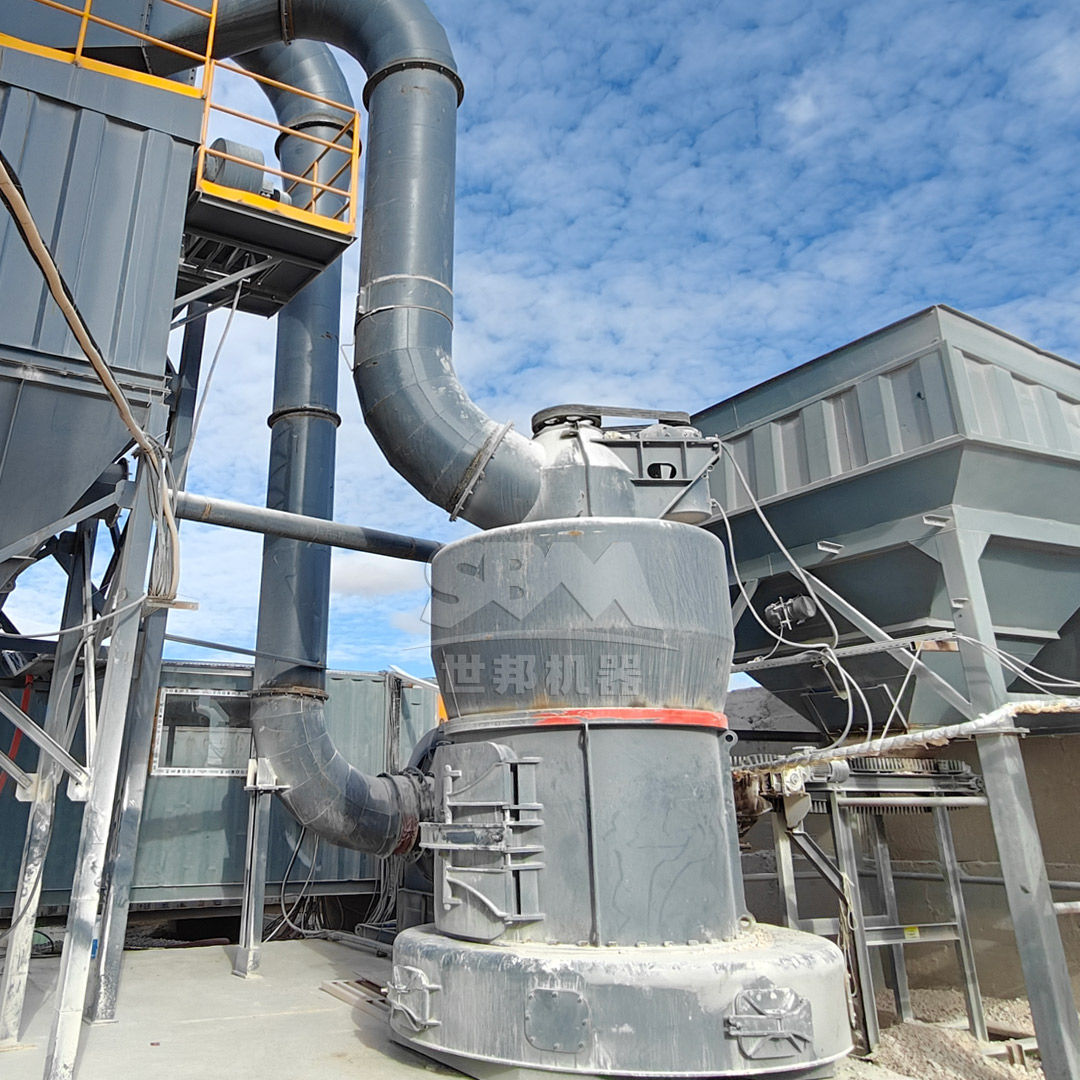
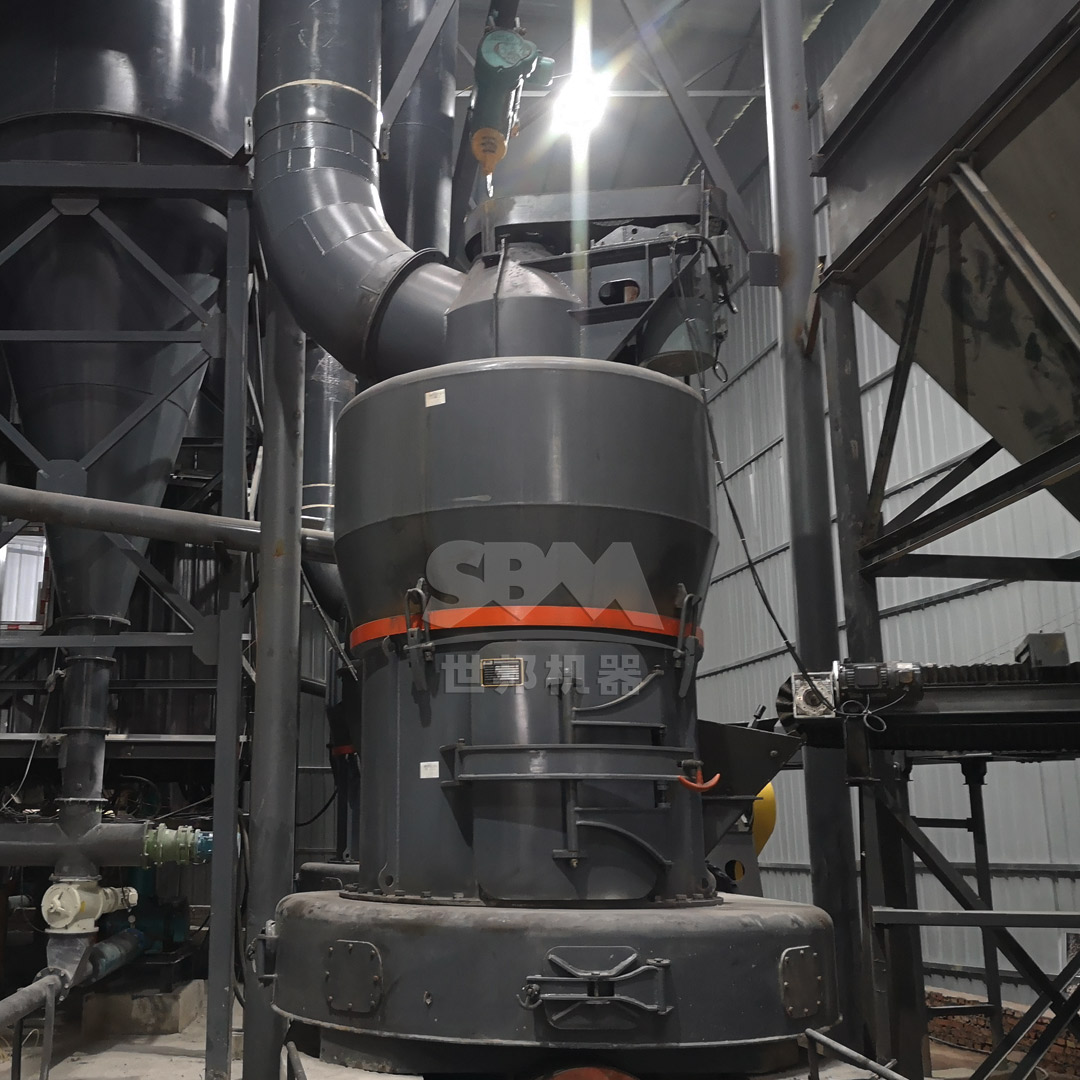
Dolomite, a calcium magnesium carbonate mineral (CaMg(CO3)2), serves as a vital additive in both the petroleum refining and steelmaking industries. In refineries, calcined dolomite is employed as a cost-effective agent for desulfurization and as a catalyst support. In steelmaking, it functions as a fluxing agent in sintering plants and basic oxygen furnaces (BOF), aiding in slag formation, sulfur removal, and lining protection. The efficacy of dolomite in these demanding applications is intrinsically linked to its physical and chemical properties—specifically particle size distribution (PSD), fineness, and purity. Achieving the precise specifications required for modern industrial processes necessitates advanced, reliable, and efficient comminution technology. This article explores the key production equipment for processing dolomite into high-value additives, focusing on the technological requirements and optimal machinery solutions.
The transformation of raw dolomite ore into a functional industrial additive involves several critical stages: primary crushing, secondary crushing, and fine/ultrafine grinding. Each stage has distinct requirements:
The selection of grinding equipment must balance these technical requirements with operational factors like energy efficiency, maintenance footprint, environmental compliance (dust and noise), and overall cost of ownership.
| Application Area | Required Fineness Range | Key Quality Parameter |
|---|---|---|
| Steelmaking Sinter Flux | 30-150 mesh (600-100μm) | Consistent PSD, Low Moisture |
| BOF Slag Former | 100-325 mesh (150-45μm) | High Chemical Purity, Reactivity |
| Refinery Desulfurization Agent | 200-400 mesh (75-38μm) | High Surface Area, Porosity |
| Advanced Catalyst Support | >800 mesh (<18μm) | Ultrafine & Narrow PSD |
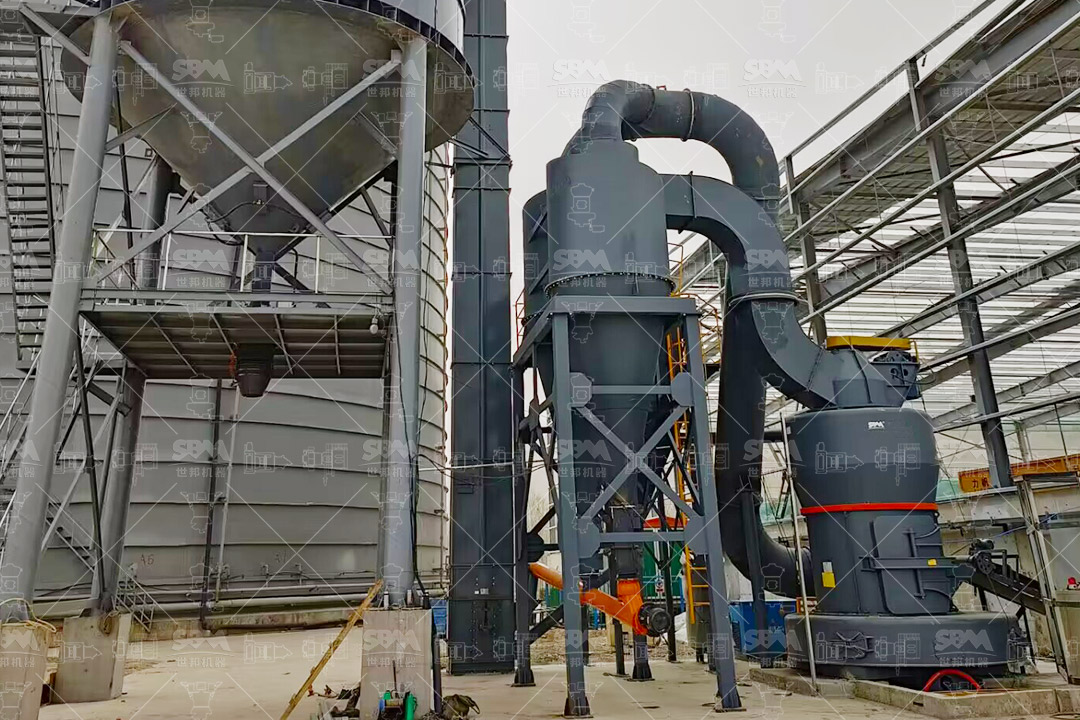
For high-volume production of dolomite additives in the fine grinding range, vertical roller mills and advanced trapezium mills represent the state-of-the-art, offering superior efficiency over traditional ball mills.
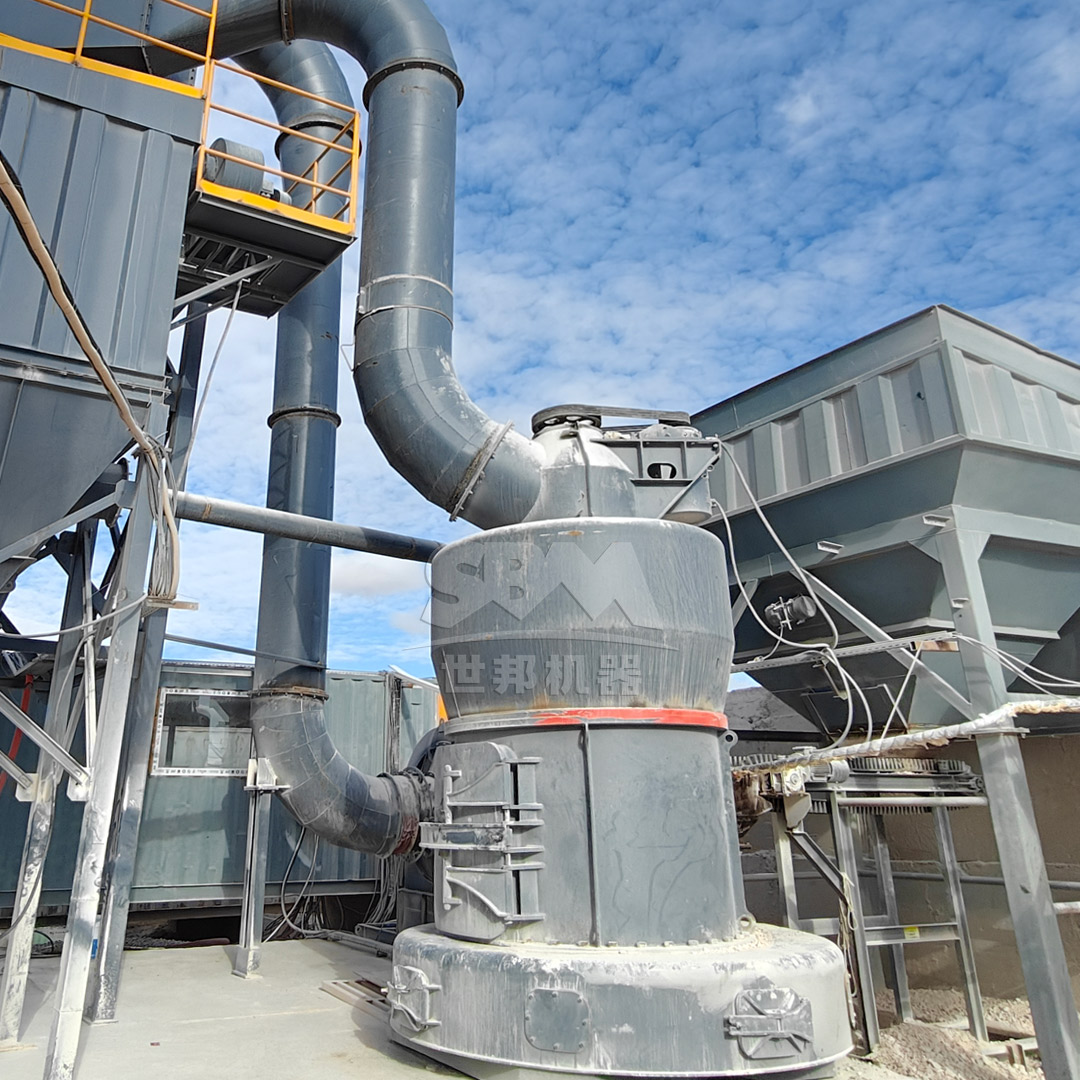
Vertical Roller Mills (VRM), such as the LM Series, are particularly well-suited for large-scale dolomite processing. Their integrated design combines drying, grinding, and classification in a single unit, significantly reducing plant footprint and energy consumption. The principle involves material being ground between rollers and a rotating table, with immediate classification by an integrated dynamic classifier. This allows for precise control over the top particle size and a steep PSD curve. For a steel plant requiring 20-50 tons per hour of 200-mesh dolomite flux, a model like the LM190K offers an ideal solution. Its advantages include a 30-40% lower energy consumption compared to ball mill systems, reduced infrastructure cost due to possible outdoor installation, and intelligent control systems for stable, automated operation ensuring product consistency.
European Trapezium Mills, exemplified by the MTW Series, are another excellent choice for fine grinding. They feature an innovative bevel gear integral transmission with up to 98% efficiency, curved wear-resistant shovel blades, and an optimized arc air duct. These design elements contribute to high grinding efficiency, reduced wear part consumption, and lower maintenance costs. The MTW series is renowned for its stability and reliability when processing medium-hard minerals like dolomite. For refinery applications needing a steady supply of 100-325 mesh material, the MTW175G model, with a capacity of 9.5-25 t/h, provides a robust and economical production line core.
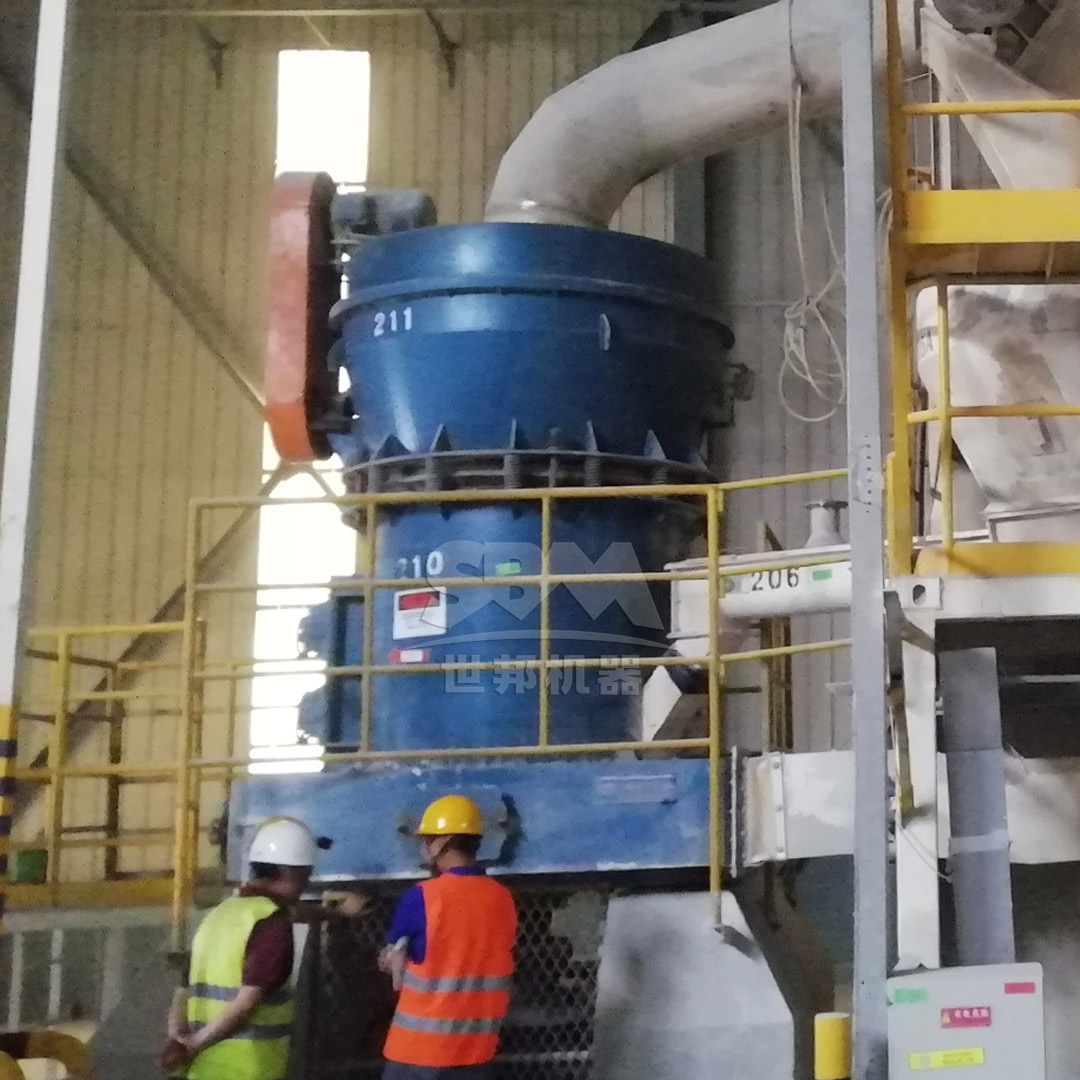
Producing ultrafine dolomite powders presents a greater technical challenge, where grinding efficiency and classification precision are paramount. Here, Ultrafine Vertical Roller Mills and specialized Ultrafine Ring Roller Mills come to the fore.
For projects demanding the highest fineness levels up to 2500 mesh, the SCM Series Ultrafine Mill is a standout recommendation. This mill is engineered specifically for producing fine and ultrafine powders with high efficiency and precision. Its core advantages directly address the needs of high-value dolomite additive production:
The working principle involves material being crushed by roller pressure on multiple layered grinding rings, followed by immediate precision classification. A model like the SCM1250, with a capacity range of 2.5-14 t/h (depending on fineness), is perfectly capable of establishing a dedicated line for premium ultrafine dolomite additives.
A complete dolomite processing line relies on robust auxiliary equipment. Primary crushing is typically handled by jaw crushers, while secondary crushing may employ cone crushers or impact crushers to achieve the sub-50mm feed for grinding mills. For pre-grinding or producing coarse sand-sized products, Hammer Mills (producing 0-3mm output) offer a high-capacity, cost-effective solution.
For integrated facilities looking to produce both sand and fine powder, or to significantly increase the throughput of an existing ball mill circuit, Vertical Pre-grinding Roller Mills like the LM-Y Series are revolutionary. They utilize a bed grinding principle to pre-crush clinker or limestone (and by extension, dolomite), reducing specific energy consumption by 30-50% and boosting overall system capacity.
| Equipment Type | Recommended Series | Typical Output Range | Primary Advantage for Dolomite |
|---|---|---|---|
| Fine Grinding Mill | LM Vertical Roller Mill | 30-325 mesh | Lowest Total Cost of Ownership, High Capacity |
| Fine Grinding Mill | MTW Trapezium Mill | 30-325 mesh | High Transmission Efficiency, Stable Operation |
| Ultrafine Grinding Mill | SCM Ultrafine Mill | 325-2500 mesh | Precision Classification, Energy Efficient for Ultrafine Range |
| Pre-Grinding / Sand Making | LM-Y Vertical Pre-grinder | ≤20mm to fine powder | Dramatic Energy Saving for Composite Lines |
The production of high-quality dolomite additives is a precision engineering task. The choice of key production equipment directly determines product quality, operational efficiency, and economic viability. For high-volume fine grinding applications in steel and refinery contexts, the LM Series Vertical Roller Mill and MTW Series Trapezium Mill offer industry-leading performance and reliability.
For the technologically demanding and high-value segment of ultrafine dolomite powders, the SCM Series Ultrafine Mill emerges as the specialized equipment of choice. Its unparalleled combination of high-precision classification, energy efficiency, and environmental performance makes it an indispensable asset for producers aiming to supply premium-grade additives to the most advanced refinery and specialty steelmaking processes. Investing in the correct milling technology is not merely an equipment purchase but a strategic decision to secure product superiority and long-term market competitiveness.