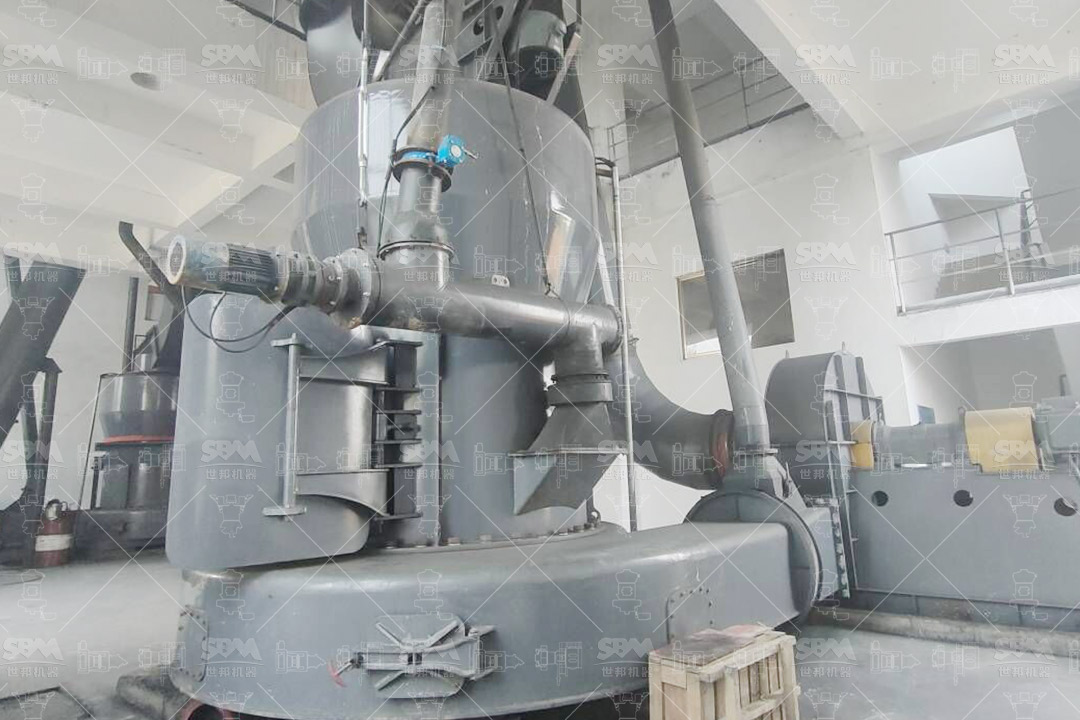
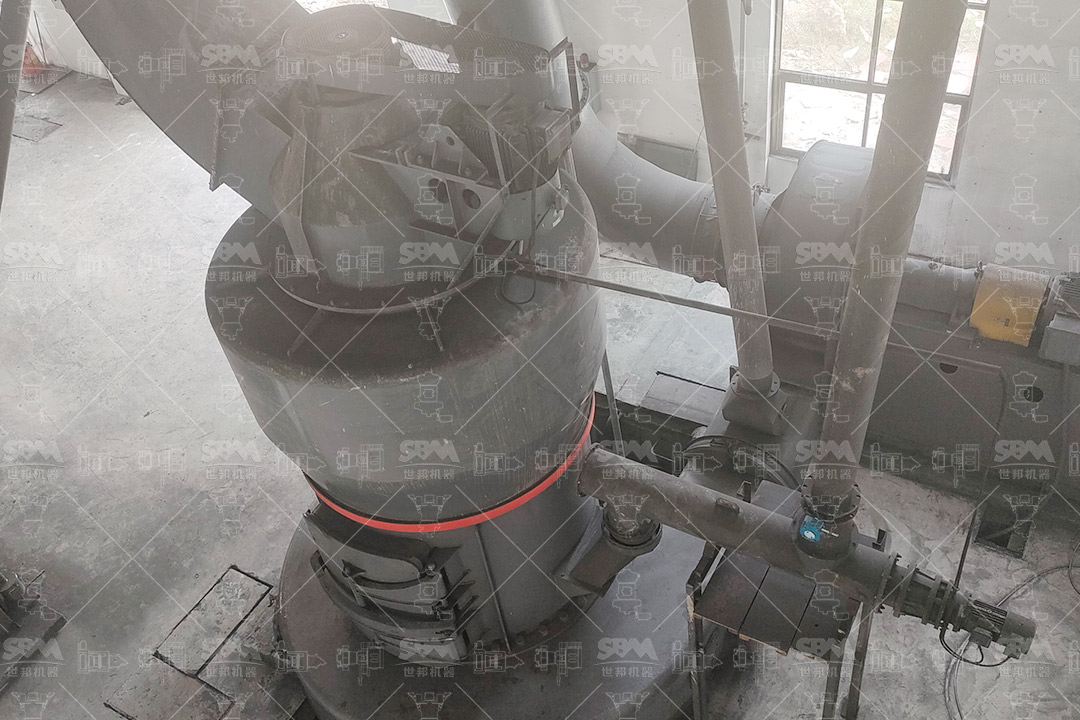
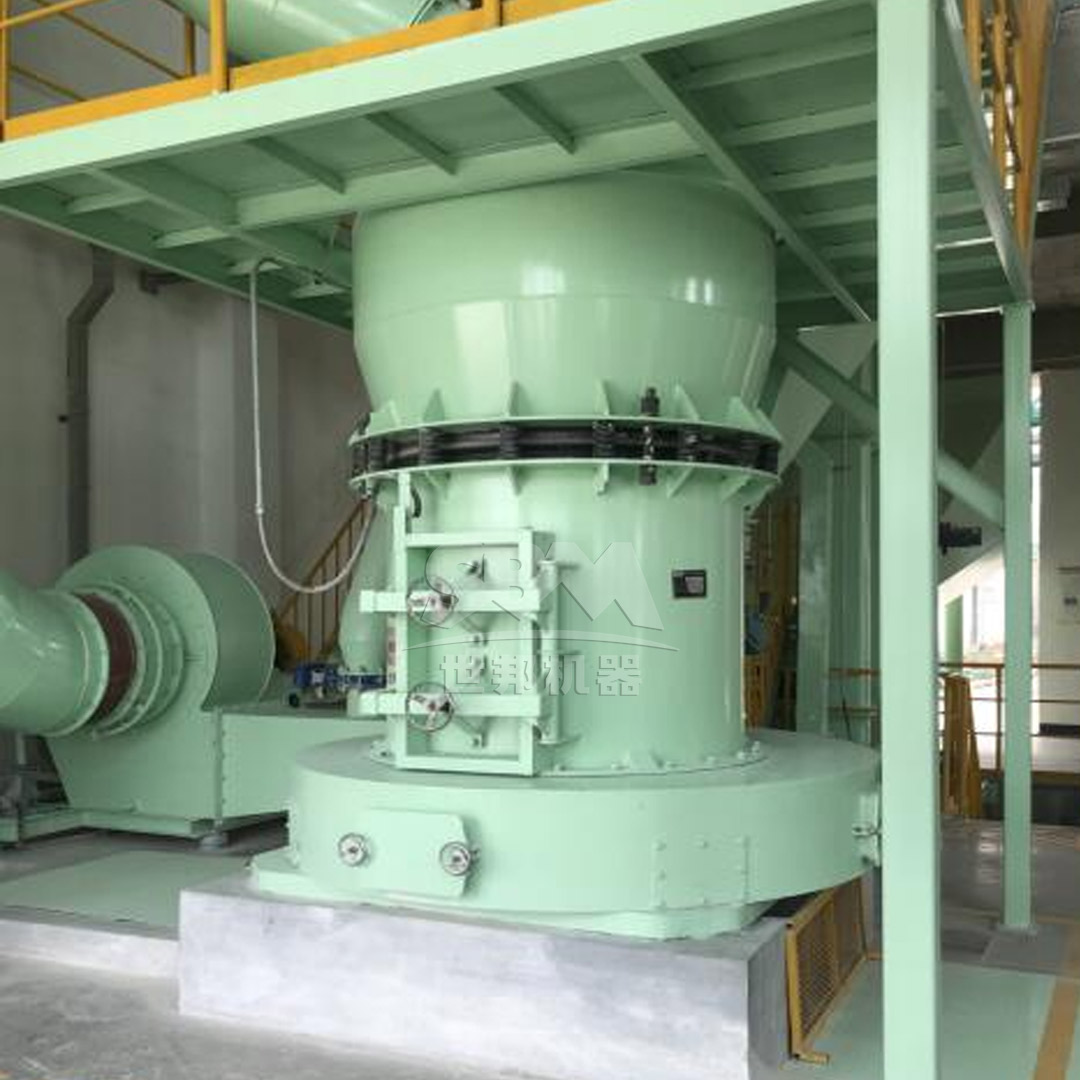
The performance of modern coatings is profoundly influenced by the quality and characteristics of their functional additives. Among these, talc, a hydrated magnesium silicate, is a cornerstone mineral filler and extender. Its plate-like structure contributes to improved suspension, reduced settling, enhanced barrier properties, and modified rheology in paint and coating formulations. However, the efficacy of talc is intrinsically linked to its particle size distribution (PSD), fineness, and purity, which are directly determined by the grinding and classification technology employed in its processing. Selecting the appropriate production equipment is therefore not merely a matter of cost but a critical strategic decision impacting final product quality, production efficiency, and operational sustainability. This article explores the key equipment considerations for manufacturing high-grade talc additives for the coating industry and highlights advanced technological solutions.
Talc’s lamellar particles act as reinforcing platelets within the coating film. Key benefits include:
To fully realize these benefits, the talc must be processed to a specific fineness range. For most coating applications, a top cut below 45μm (325 mesh) is standard, with high-performance applications demanding ultrafine grades down to 5μm or even finer. The process must achieve this with narrow PSD to ensure uniformity, high brightness (whiteness), and minimal contamination from grinding media wear.
| Coating Type | Typical Talc Fineness Requirement | Key Functional Role |
|---|---|---|
| Architectural Paints | 45-10μm (325-1250 mesh) | Sheen control, suspension, durability |
| Industrial Primers | 15-5μm (800-2500 mesh) | Barrier properties, corrosion resistance |
| Powder Coatings | 20-5μm (600-2500 mesh) | Flow control, film smoothness |
| Specialty & Marine Coatings | <10μm (>1250 mesh) | Ultra-high barrier, reinforcement |
The journey from raw talc ore to a precision coating additive involves several stages, with grinding and classification being the most critical. The evolution from traditional ball mills to modern, energy-efficient vertical and ultrafine mills represents a significant leap in capability.
Before fine grinding, raw talc lumps (often 200mm or larger) must be reduced to a feed size suitable for grinding mills. Jaw crushers and hammer mills are typically employed here. For instance, a Hammer Mill with high manganese steel liners can efficiently reduce 0-40mm feed to 0-3mm, providing an ideal pre-crushed product for subsequent fine grinding circuits, ensuring stable feed and optimal mill performance.
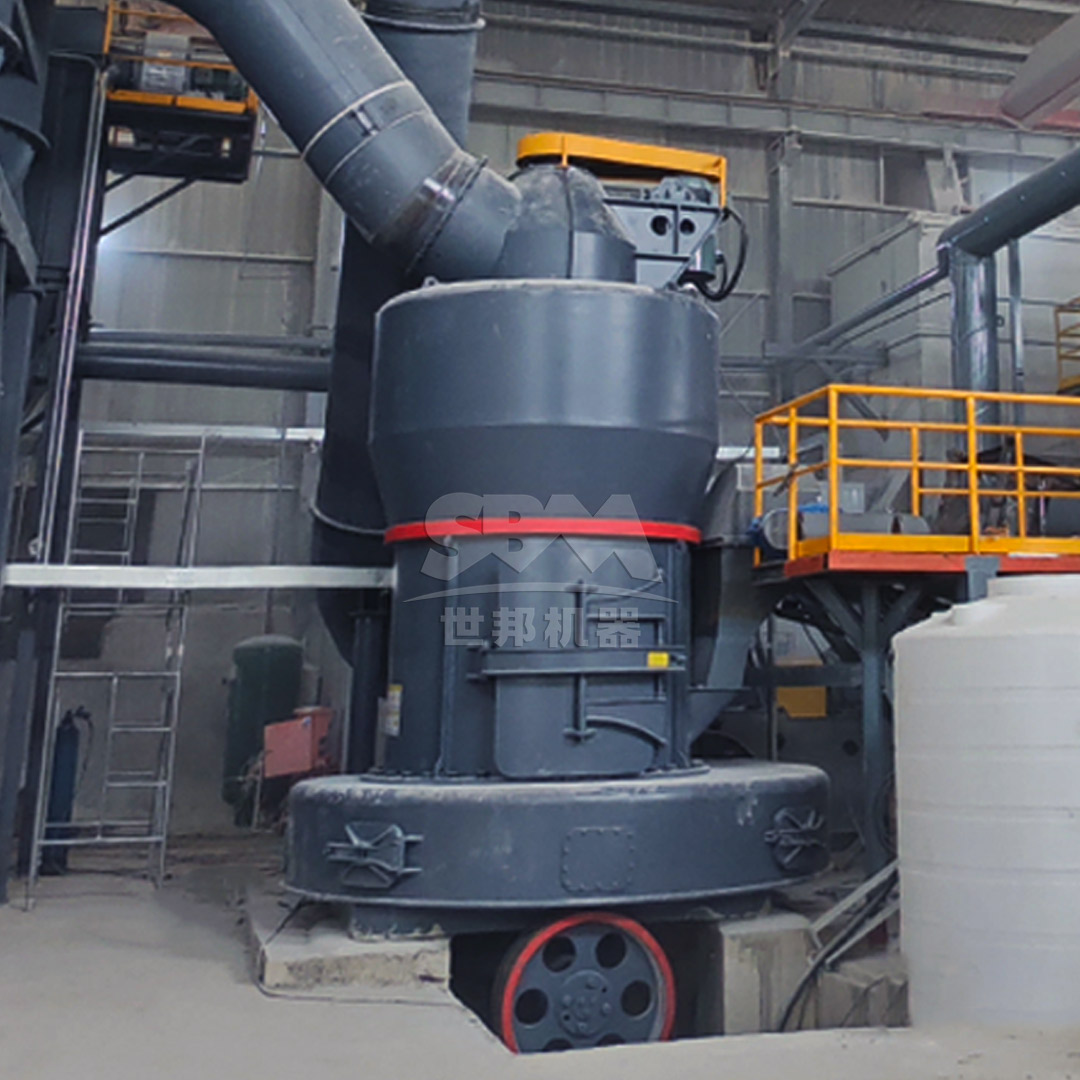
This is the heart of talc processing. The choice of mill dictates the final product’s characteristics.
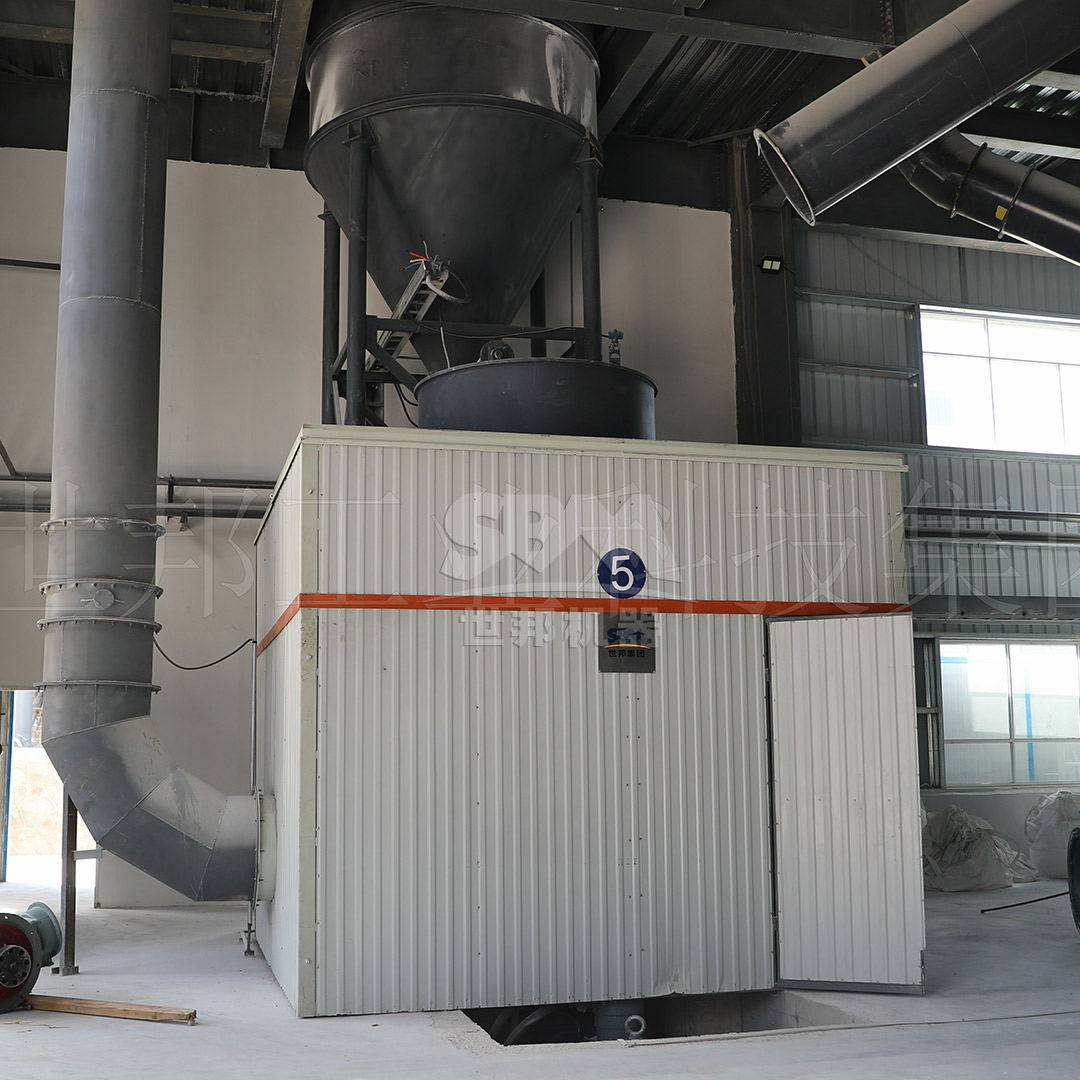
| Mill Type | Output Fineness (Talc) | Key Advantage for Coatings | Energy Efficiency |
|---|---|---|---|
| Ball Mill | 0.8-0.074mm | High capacity, simplicity | Lower |
| LM Vertical Roller Mill | 45-30μm (325-600 mesh) | Integrated process, low contamination, high efficiency | High |
| SCM Ultrafine Mill | 5-45μm (2500-325 mesh) | Narrow PSD, superior product uniformity, intelligent control | Very High |
Precise particle size cutting is as important as grinding. Internal or external dynamic classifiers (like those integrated into the LM and SCM mills) use adjustable rotor speeds to achieve exact top-cut control. Efficient collection via cyclone separators and pulse-jet baghouse filters (with efficiency >99.9%) is mandatory to ensure high yield, clean operation, and compliance with environmental standards—a feature robustly designed into modern mill systems.
When investing in talc processing equipment for coating additives, manufacturers must evaluate:
The transition towards high-performance, sustainable coatings is driving demand for precisely engineered talc additives. Meeting this demand requires moving beyond conventional milling technology. Advanced equipment like the LM Series Vertical Roller Mill for high-volume, efficient production of standard grades, and the SCM Series Ultrafine Mill for premium ultrafine products, embody the technological progress necessary in this field. These systems deliver not only the requisite fineness and purity but do so with superior energy efficiency, automated control, and environmental stewardship. For coating manufacturers and talc processors aiming to secure a competitive advantage, partnering with technology providers offering such advanced, reliable, and efficient grinding solutions is a strategic imperative for future success.