December 03, 2025
Optimizing Batch Sizes for Hammer Mill Coal Processing: A Guide to Efficiency and Throughput
In the realm of coal processing, achieving the delicate balance between product quality, throughput, and operational cost is paramount. The hammer mill, a cornerstone of size reduction in this industry, is particularly sensitive to how it is fed and operated. Batch size optimization is not merely a matter of filling the hopper; it is a critical operational parameter that directly influences grinding efficiency, particle size distribution, energy consumption, and equipment longevity. This guide delves into the principles of batch size optimization for hammer mill coal processing, offering actionable strategies to maximize efficiency and throughput.
The Critical Role of Batch Size in Hammer Mill Performance
Batch size refers to the quantity of coal introduced into the hammer mill’s grinding chamber per unit of time or per processing cycle. It is intrinsically linked to the mill’s loading and the residence time of material within the grinding zone. An improperly sized batch can lead to a cascade of inefficiencies:
- Underloading: Feeding too little material results in excessive hammer-to-hammer and hammer-to-liner contact. This causes unnecessary wear on critical components, increases specific energy consumption (kWh/ton), and generates excessive heat and fines beyond the target specification.
- Overloading: Feeding too much material overwhelms the grinding mechanism. Hammers cannot effectively impart energy to the densely packed coal, leading to reduced throughput, clogging, increased motor amperage (risking tripping), and a coarser, less uniform product as material is pushed through the chamber unprocessed.
- Inconsistent Feeding: Fluctuating batch sizes create an unstable grinding environment, preventing the mill from reaching a steady-state equilibrium. This instability manifests in variable product quality, erratic power draw, and accelerated mechanical stress.
The optimal batch size creates a dense, yet fluid, “material curtain” within the grinding chamber. This curtain allows hammers to impact coal particles with maximum kinetic energy transfer, promoting efficient fracture while cushioning the mill internals from metal-on-metal wear.
| Batch Condition |
Effect on Throughput |
Effect on Particle Size |
Effect on Energy Use |
Effect on Wear |
| Optimal Load |
Maximized, Stable |
Consistent, On-target |
Minimized (kWh/ton) |
Normal, Predictable |
| Underloaded |
Reduced |
Excessively Fine |
High (kWh/ton) |
Accelerated (hammer/liner) |
| Overloaded |
Reduced, Unstable |
Too Coarse, Ununiform |
High (risk of overload) |
Increased (bearings, drive) |
Key Factors Determining Optimal Batch Size
Determining the ideal batch size is a multivariate equation. Key factors include:
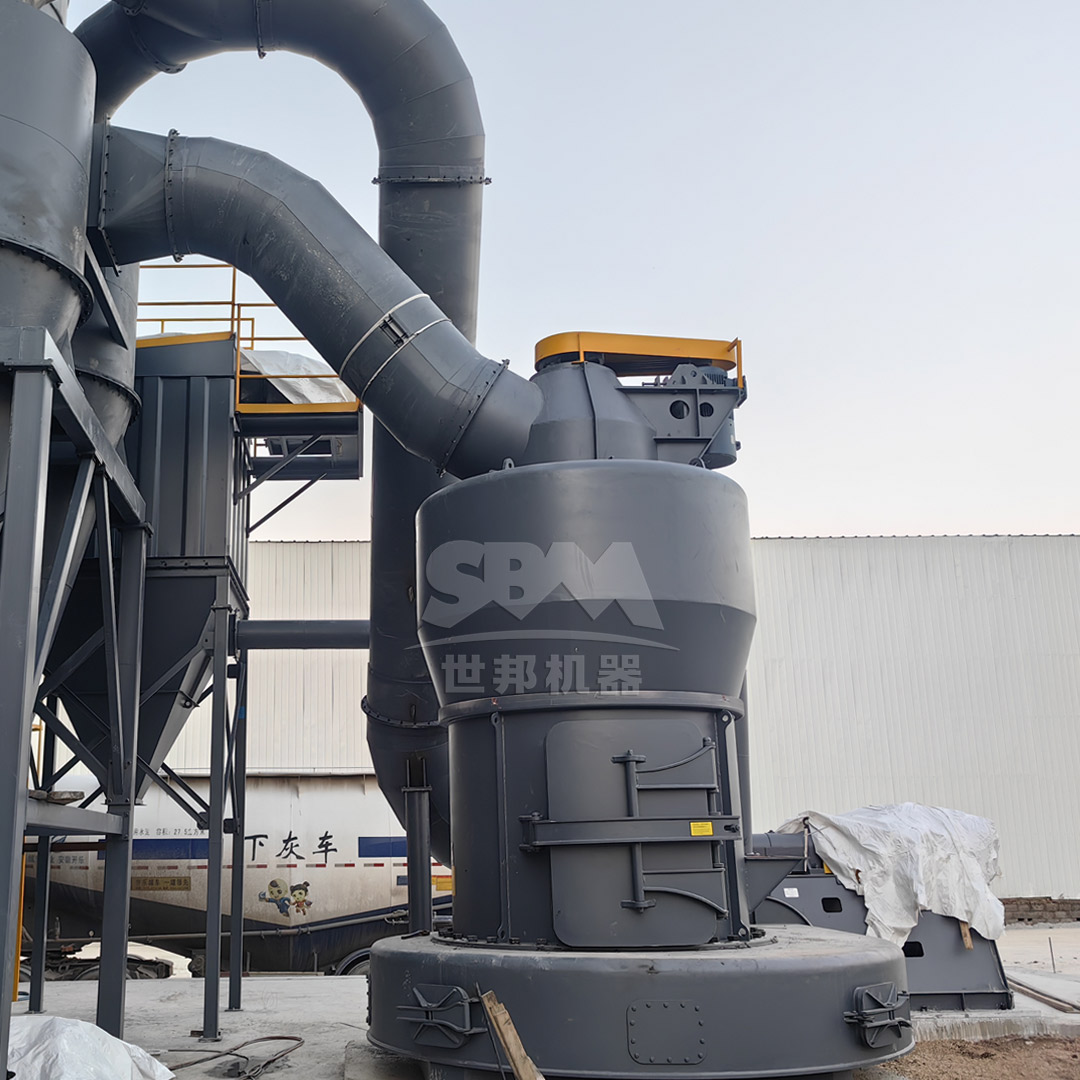
- Hammer Mill Design & Power: The mill’s physical dimensions, hammer configuration (number, weight, arrangement), rotor speed, and installed motor power define its capacity ceiling. A model like the PC4012-90 hammer mill, with its 90kW motor, 900mm rotor diameter, and 32 hammer configuration, is engineered for a specific optimal throughput range (15-40 TPH). Operating consistently at the lower or upper extremes of this range requires batch size adjustment.
- Coal Characteristics:
- Feed Size (Top Size): Larger lumps require more energy and residence time to break. Batch sizes may need to be slightly reduced for very coarse feed to prevent choking.
- Hardness & Abrasiveness (HGI – Hardgrove Grindability Index): Lower HGI (harder coal) grinds slower. Smaller, consistent batches help maintain grinding efficiency without overloading.
- Moisture Content: High moisture can cause coal to agglomerate and stick, impeding flow through the grinding chamber and screen. Smaller batches and potentially pre-drying are necessary.
- Target Product Fineness: Producing a finer product (e.g., pulverized coal for injection) requires more grinding events and longer effective residence time. This often necessitates a reduction in batch size to allow for more repeated impacts within the chamber before ejection.
- Feeder Type & Control: The consistency of batch delivery is crucial. Vibrating feeders, belt feeders, or rotary valves must be tuned to deliver a steady, metered flow that matches the mill’s instantaneous capacity, avoiding surges.
Strategies for Optimization and Control
Moving from theory to practice involves implementing control strategies:
- Monitor Power Draw: The amperage of the main drive motor is the most direct indicator of mill load. The optimal batch size will correspond to a stable power draw at 80-95% of the motor’s rated amperage. Install ammeters with trend logging and set alarms for underload and overload conditions.
- Implement Automated Feed Control: Integrate the feeder speed with the motor amperage signal using a PLC (Programmable Logic Controller). A simple feedback loop can increase feeder speed if power drops (indicating underfeeding) and decrease it if power rises too high (indicating overfeeding), creating a self-optimizing system.
- Conduct Systematic Testing: Perform controlled tests. Hold all variables constant (coal type, screen size) and incrementally adjust feeder rate (batch size). Record throughput, product sieve analysis, and power consumption for each step. The peak of the throughput vs. energy efficiency curve indicates the optimal operating point.
- Audit and Maintain Equipment: Worn hammers, damaged screens, and clogged air passages drastically alter mill dynamics. A mill with worn hammers will require a slightly larger batch size to maintain the same material curtain, but at the cost of product size control. Regular maintenance is a prerequisite for consistent optimization.
Advanced Solutions: Integrating Pre-Crushing and Fine Grinding
For comprehensive plant optimization, consider the entire size reduction circuit. Hammer mills excel at middle-range reduction but can be inefficient for very coarse feed or ultra-fine final products. A holistic approach often yields the greatest gains.
For operations requiring a final product in the coarse to medium-fine range (e.g., 0-3mm for certain industrial fuels), optimizing the hammer mill batch process as described is key. However, for applications demanding a superfine coal powder (325-2500 mesh) for advanced combustion or material science applications, a dedicated fine-grinding system is essential. Hammer mills are not suitable for this duty.
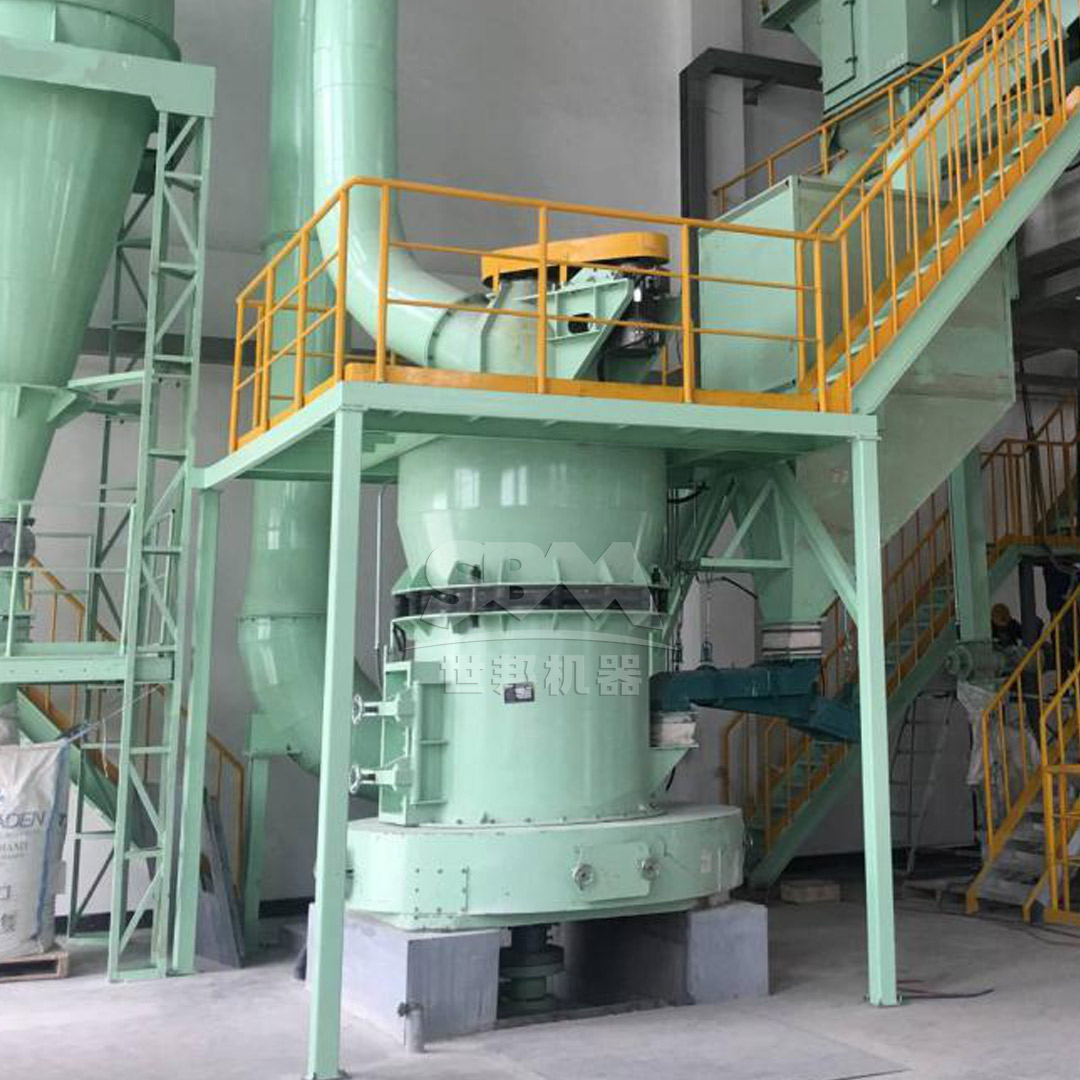
This is where integrating specialized grinding technology becomes critical. For instance, feeding a pre-crushed, consistent feedstock from your hammer mill into an SCM Ultrafine Mill can unlock exceptional efficiency for producing superfine coal powders. The SCM series is engineered for this precise task, offering significant advantages for the final grinding stage:
- Efficient & Energy-Saving: With a capacity reportedly twice that of jet mills and energy consumption reduced by 30%, it directly addresses the high-cost pain points of fine grinding.
- High-Precision Classification: Its vertical turbine classifier ensures precise particle size cuts (D97 ≤5µm) with no coarse powder contamination, guaranteeing a uniform final product that a hammer mill cannot achieve.
- Robust & Stable: Features like special-material grinding rollers and rings and a bearingless screw grinding chamber ensure stable, long-lasting operation crucial for continuous processing.
Models like the SCM1250 (2.5-14 TPH, 185kW) or SCM1680 (5-25 TPH, 315kW) can be perfectly matched to the output of an optimized hammer mill line, creating a seamless, high-efficiency circuit from raw coal to ultrafine powder.
Conclusion: A Continuous Journey
Optimizing batch sizes for hammer mill coal processing is not a one-time setup but a continuous process of monitoring, adjustment, and integration. By understanding the interplay between feed rate, mill load, and product goals, operators can significantly boost throughput, improve product consistency, and reduce operating costs. The core strategy lies in achieving and maintaining the optimal “material curtain” within the grinding chamber through precise feed control.
Furthermore, recognizing the limits of hammer mill technology and integrating complementary equipment like the SCM Ultrafine Mill for superfine applications represents a strategic upgrade. It allows each machine to operate within its most efficient range, transforming a standalone crushing operation into a sophisticated, high-yield mineral processing circuit. In an industry where margins are tight and efficiency is king, mastering these optimization principles is the key to sustainable and profitable operations.