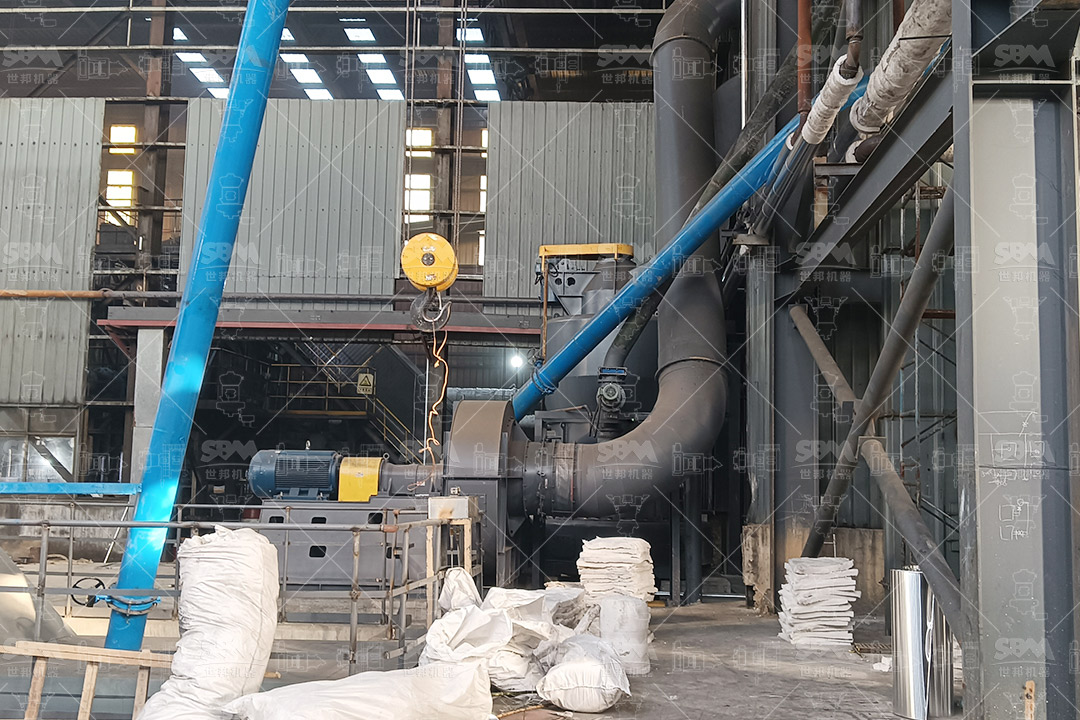
The production of high-performance refractory cement requires precise control over raw material processing, particularly in the grinding of bauxite. Bauxite, as a primary aluminum-bearing mineral, must be ground to specific particle size distributions to achieve optimal refractory properties including thermal stability, mechanical strength, and corrosion resistance. This article explores the technical considerations for optimizing bauxite grinding processes and introduces advanced grinding solutions that can significantly enhance refractory cement performance.
Particle size distribution directly influences the packing density, sintering behavior, and final microstructure of refractory cement products. For bauxite-based refractories, achieving a bimodal or trimodal particle size distribution is crucial for maximizing density while maintaining adequate porosity for thermal shock resistance. The optimal fineness range for bauxite in refractory applications typically falls between 200 mesh (74μm) and 325 mesh (45μm), with specific requirements for the proportion of ultra-fine particles (below 5μm) to enhance reactivity during the cement hydration process.
| Particle Size Range | Function in Refractory Matrix | Optimal Percentage |
|---|---|---|
| 45-75μm | Structural skeleton | 40-50% |
| 10-45μm | Packing efficiency | 30-40% |
| <5μm | Reactive component | 10-20% |
Traditional grinding systems often struggle to achieve this precise distribution while maintaining energy efficiency and production throughput. The limitations of conventional ball mills include broad particle size distributions, high energy consumption, and inadequate control over ultra-fine fraction generation.
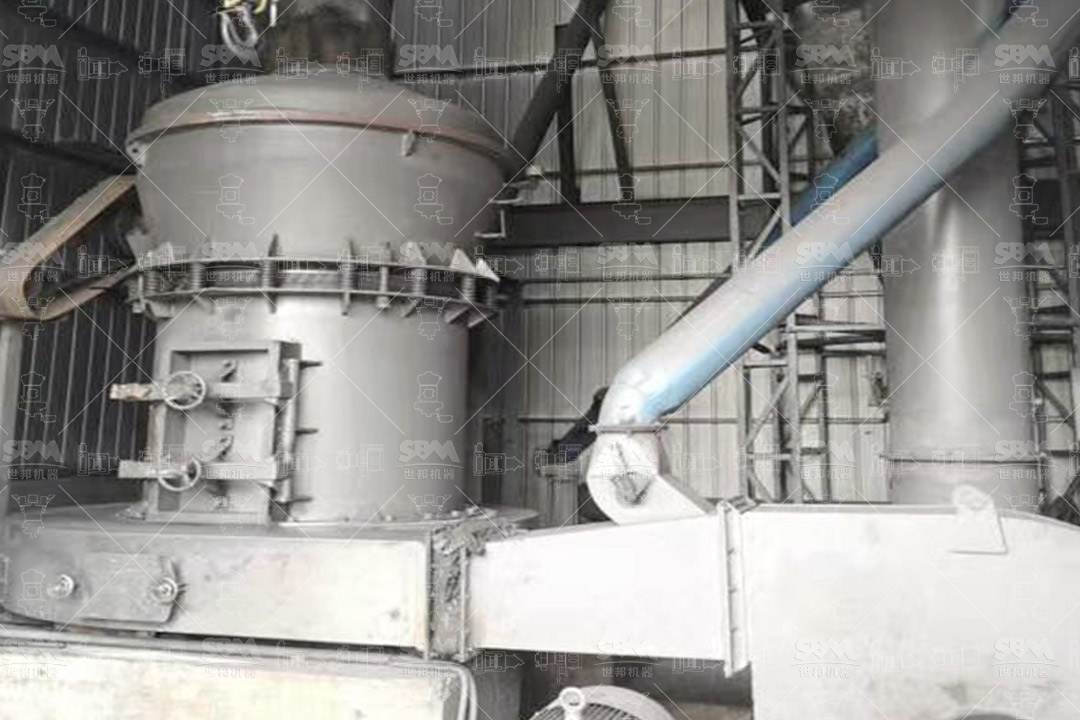
Vertical roller mills (VRMs) have emerged as the preferred technology for bauxite grinding in modern refractory cement plants. These systems offer significant advantages over traditional ball mills, including higher grinding efficiency, lower energy consumption, and better particle size control. The fundamental working principle involves material being ground between the grinding table and rollers, with simultaneous drying when equipped with hot gas generators.
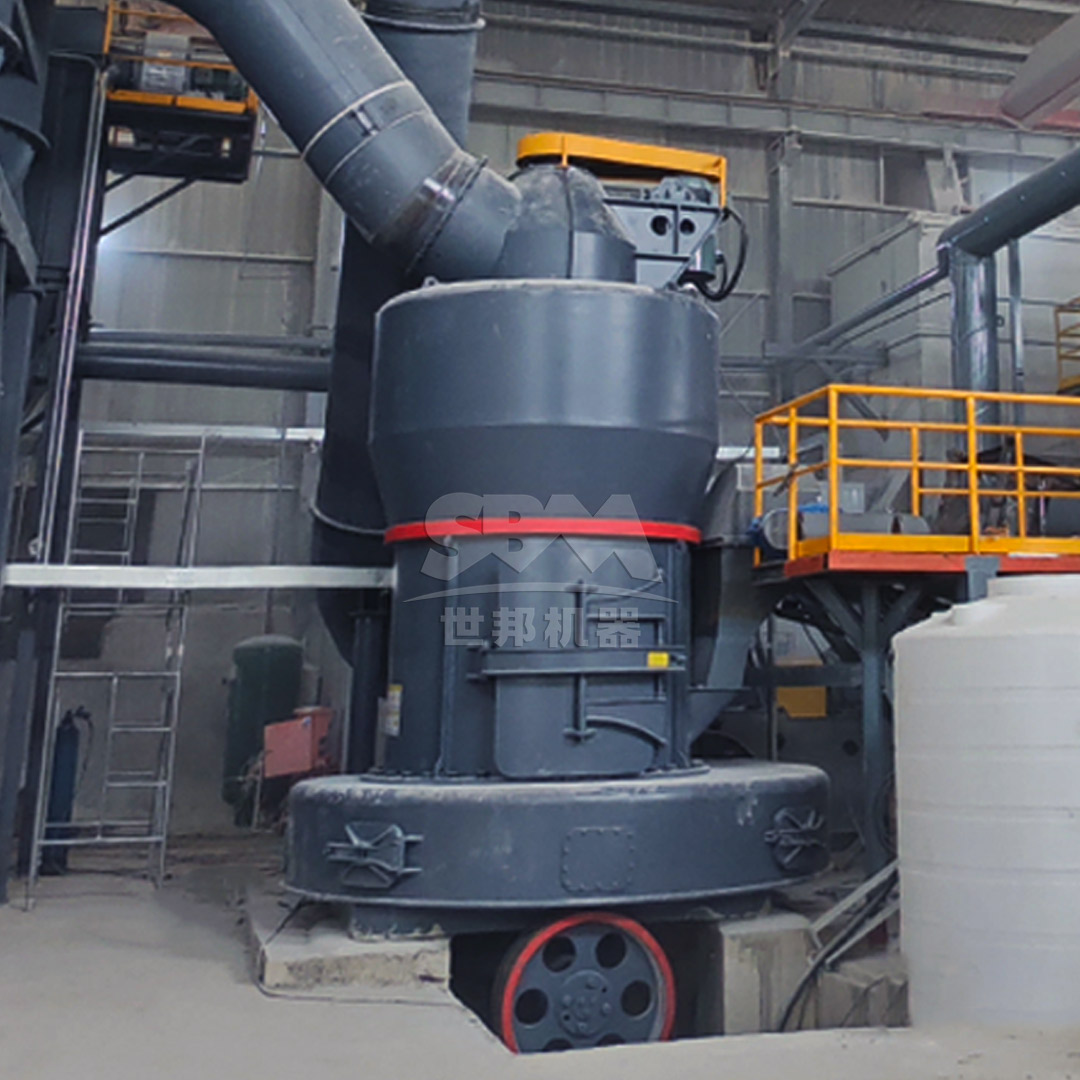
For bauxite applications with specific requirements for particle distribution control, we recommend our LM Series Vertical Roller Mill. This advanced grinding system features integrated crushing, grinding, and separation functions in a compact design that reduces footprint requirements by 50%. With output fineness ranging from 30-325 mesh (special models achieving 600 mesh) and capacity from 3-250 tons per hour depending on configuration, the LM Series provides exceptional flexibility for refractory cement production.
The technological advantages particularly relevant to bauxite grinding include:
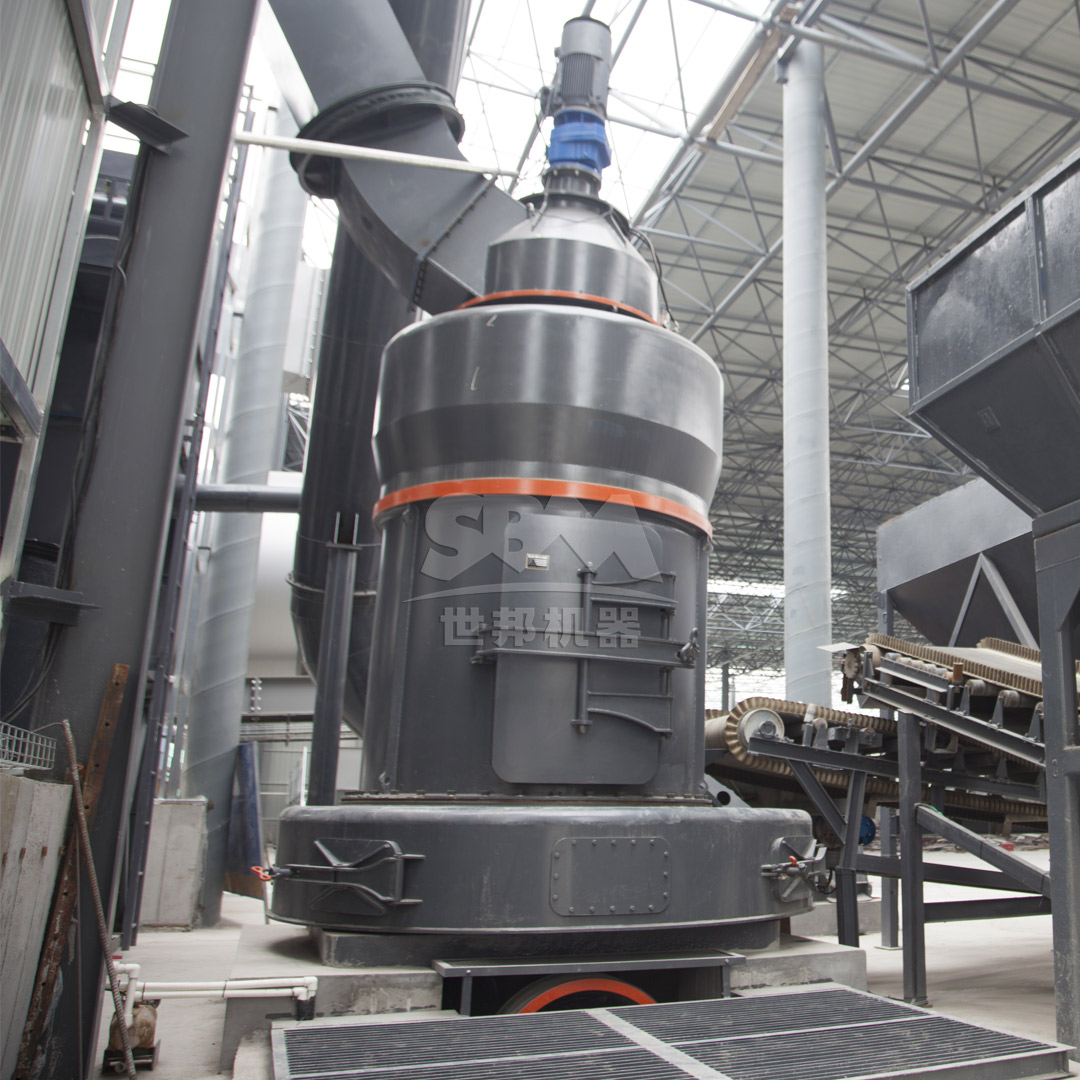
For applications requiring ultra-fine bauxite fractions to enhance the reactivity of refractory cement, specialized ultra-fine grinding systems are necessary. These systems must achieve consistent production of particles in the 5-10μm range while maintaining stable operation and reasonable energy consumption.
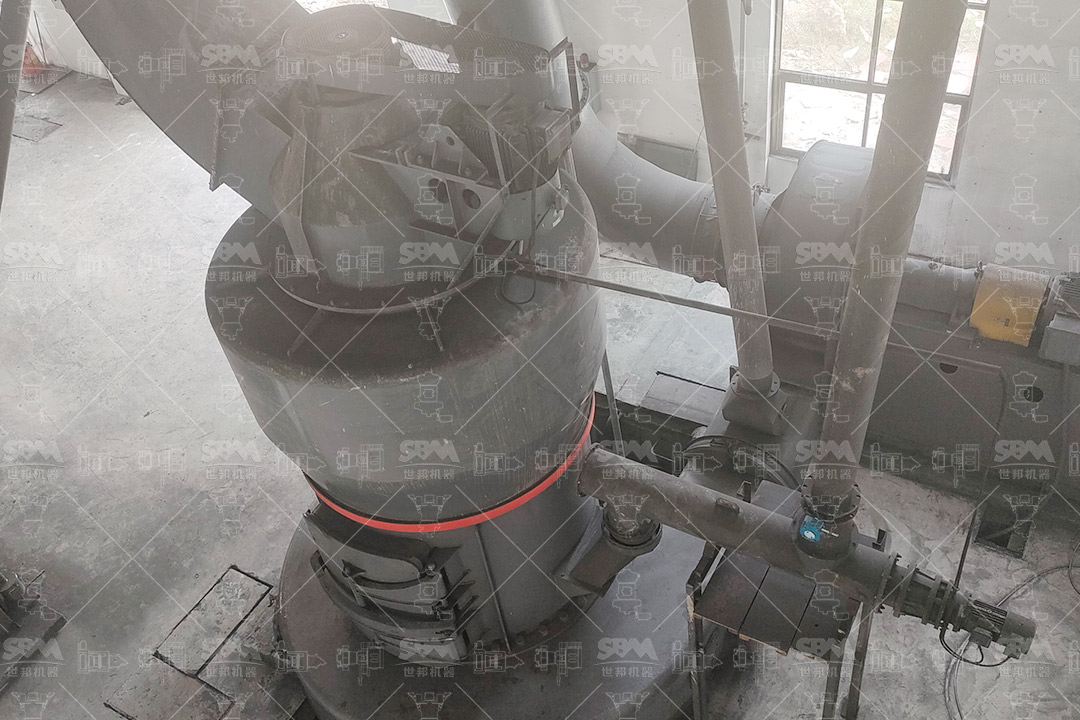
Our SCM Series Ultrafine Mill represents the cutting edge in ultra-fine grinding technology for refractory raw materials. With output fineness reaching 325-2500 mesh (D97≤5μm) and processing capacity of 0.5-25 tons per hour depending on model, this system delivers unparalleled performance for producing the reactive fraction of bauxite necessary for high-performance refractory cement.
The technical advantages of the SCM Series for bauxite processing include:
| Model | Processing Capacity (ton/h) | Main Motor Power (kW) | Output Fineness (mesh) |
|---|---|---|---|
| SCM800 | 0.5-4.5 | 75 | 325-2500 |
| SCM900 | 0.8-6.5 | 90 | 325-2500 |
| SCM1000 | 1.0-8.5 | 132 | 325-2500 |
| SCM1250 | 2.5-14 | 185 | 325-2500 |
| SCM1680 | 5.0-25 | 315 | 325-2500 |
For optimal results in bauxite processing for refractory cement, a multi-stage grinding approach often delivers superior performance compared to single-stage systems. This typically involves primary crushing followed by intermediate grinding to achieve the basic particle size distribution, with final ultra-fine grinding to generate the reactive fraction. The combination of our MTW Series Trapezium Mill for intermediate grinding and SCM Series Ultrafine Mill for final processing creates an optimized system that balances production efficiency with precise particle size control.
Bauxite moisture content significantly impacts grinding efficiency and product quality. Integrated drying systems within grinding equipment, such as the hot air generation capability of the LM Series Vertical Roller Mill, enable simultaneous drying and grinding operations. This integrated approach reduces overall energy consumption compared to separate drying and grinding processes while ensuring consistent feed material conditions for stable grinding operation.
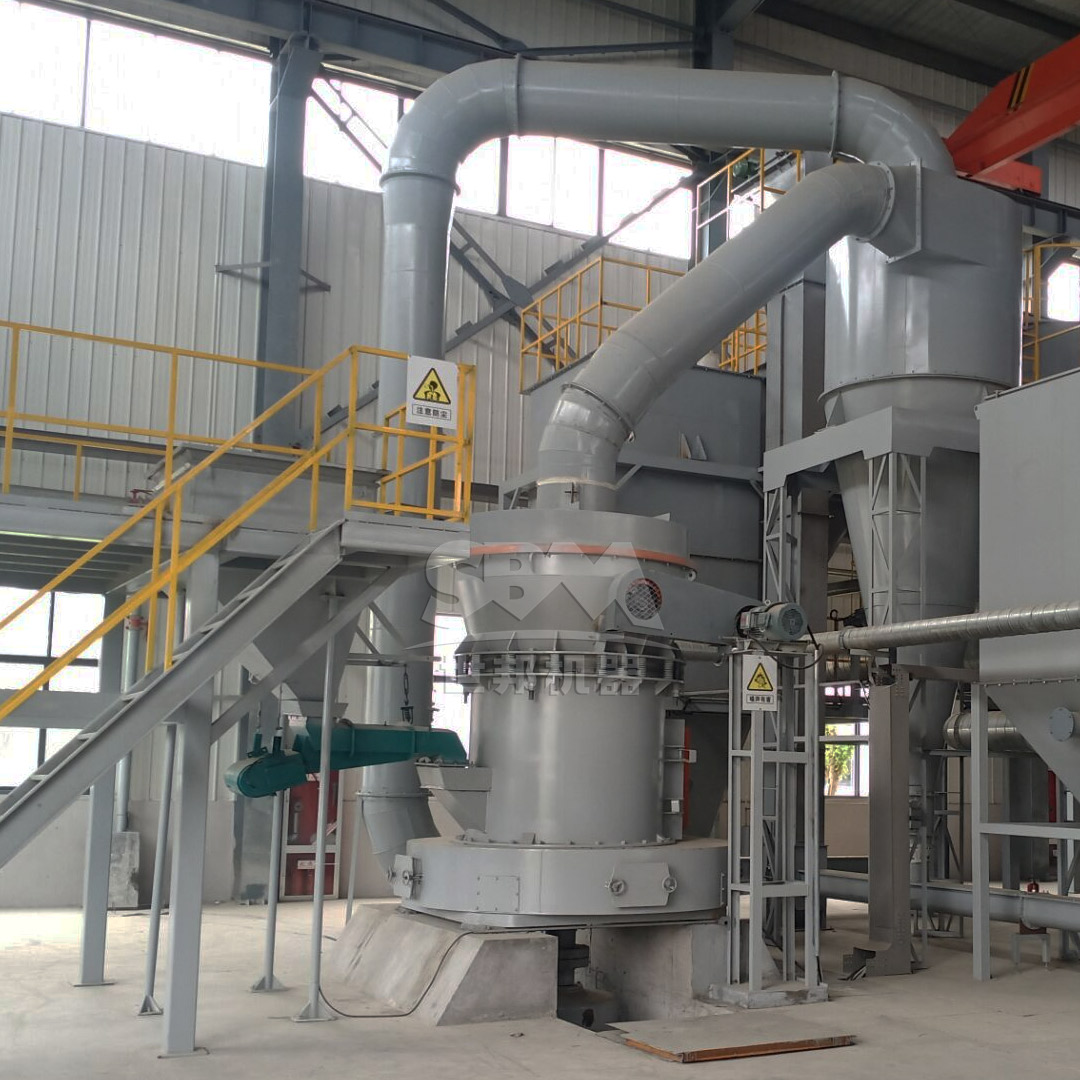
Implementing rigorous quality control measures throughout the grinding process is essential for producing consistent refractory cement raw materials. Key parameters to monitor include:
Advanced grinding systems with integrated control and monitoring capabilities, such as the intelligent control systems in our LM and SCM series mills, provide real-time data on these critical parameters, enabling immediate adjustments to maintain product quality.
While advanced grinding systems represent significant capital investment, their operational advantages deliver compelling economic benefits over the equipment lifecycle. For bauxite grinding in refractory cement production, the combination of reduced energy consumption (30-40% savings compared to traditional ball mills), lower maintenance requirements, and improved product quality typically results in payback periods of 18-36 months, depending on production scale and local energy costs.
Optimizing bauxite grinding processes is essential for producing high-performance refractory cement with consistent quality and superior technical properties. Advanced grinding technologies, particularly vertical roller mills and ultra-fine grinding systems, offer significant advantages over traditional approaches in terms of energy efficiency, particle size control, and operational stability. By implementing these technologies with proper process optimization and quality control measures, refractory cement manufacturers can achieve substantial improvements in both product performance and production economics.
The selection of appropriate grinding equipment should be based on specific production requirements, desired product characteristics, and economic considerations. Our technical team can provide comprehensive support in evaluating your bauxite grinding needs and recommending the optimal equipment configuration for your refractory cement production facility.