The cement manufacturing industry faces increasing pressure to optimize energy consumption and reduce operational costs while maintaining product quality and environmental compliance. Among the most critical processes in cement production is the preparation of coal powder for kiln fuel, where the efficiency and reliability of pulverizing equipment directly impact overall plant performance. This comprehensive analysis explores the technological advancements in coal pulverization systems and their significance in modern cement manufacturing operations.
Coal remains a primary fuel source for cement kilns worldwide, providing the high temperatures necessary for clinker formation. The pulverization process transforms raw coal into fine powder, creating optimal conditions for efficient combustion in the kiln system. Proper coal preparation directly influences several key aspects of cement production:
| Parameter | Impact on Cement Production | Optimal Range |
|---|---|---|
| Coal Fineness | Combustion efficiency, flame stability | 10-20% R0.08mm |
| Moisture Content | Grinding efficiency, transport properties | <2% |
| Particle Distribution | Burnout rate, NOx formation | Uniform distribution |
| System Reliability | Production continuity, maintenance costs | >95% availability |
Modern cement plants require pulverizing systems that can handle varying coal qualities while maintaining consistent output specifications. The transition from traditional ball mill systems to advanced vertical roller mills represents a significant technological evolution in this field.
The development of coal pulverization technology has progressed through several distinct phases, each bringing improvements in efficiency, reliability, and operational flexibility. Early systems relied primarily on ball mills, which, while robust, suffered from high energy consumption and limited control over product fineness. The introduction of vertical spindle mills in the late 20th century marked a turning point, offering better energy efficiency and more precise particle size control.
Contemporary pulverizing systems incorporate advanced features such as dynamic classifiers, hydraulic grinding pressure control, and intelligent automation systems. These innovations enable real-time adjustment of operational parameters to accommodate changes in coal characteristics and production requirements. The integration of digital monitoring and predictive maintenance technologies further enhances system reliability and reduces unplanned downtime.

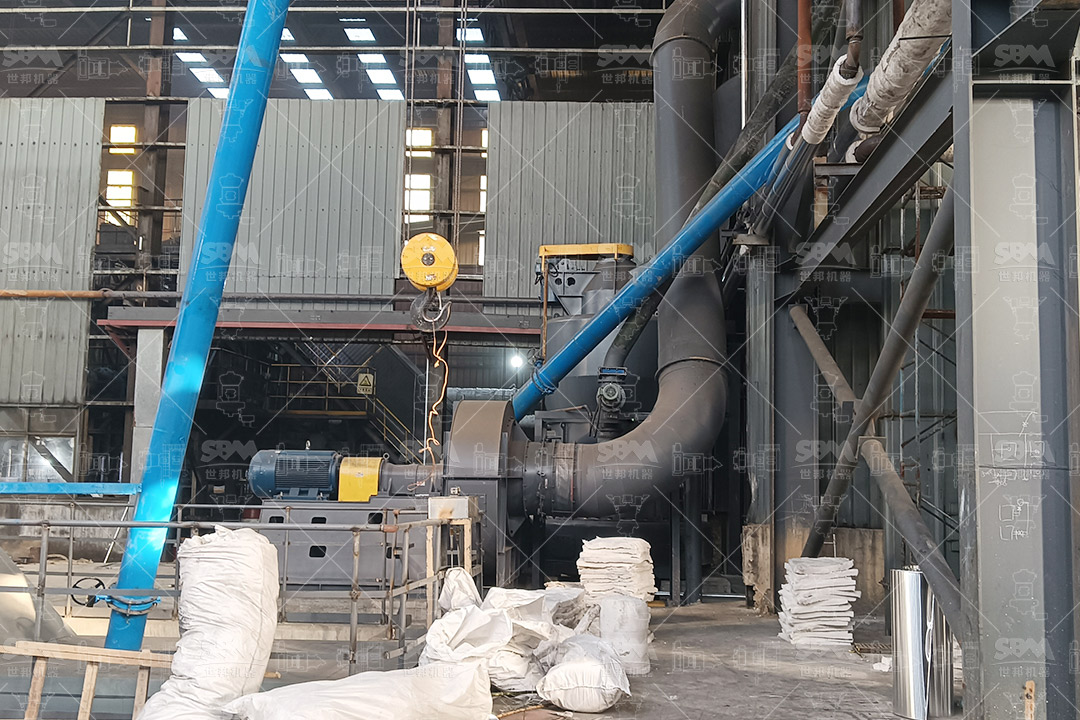
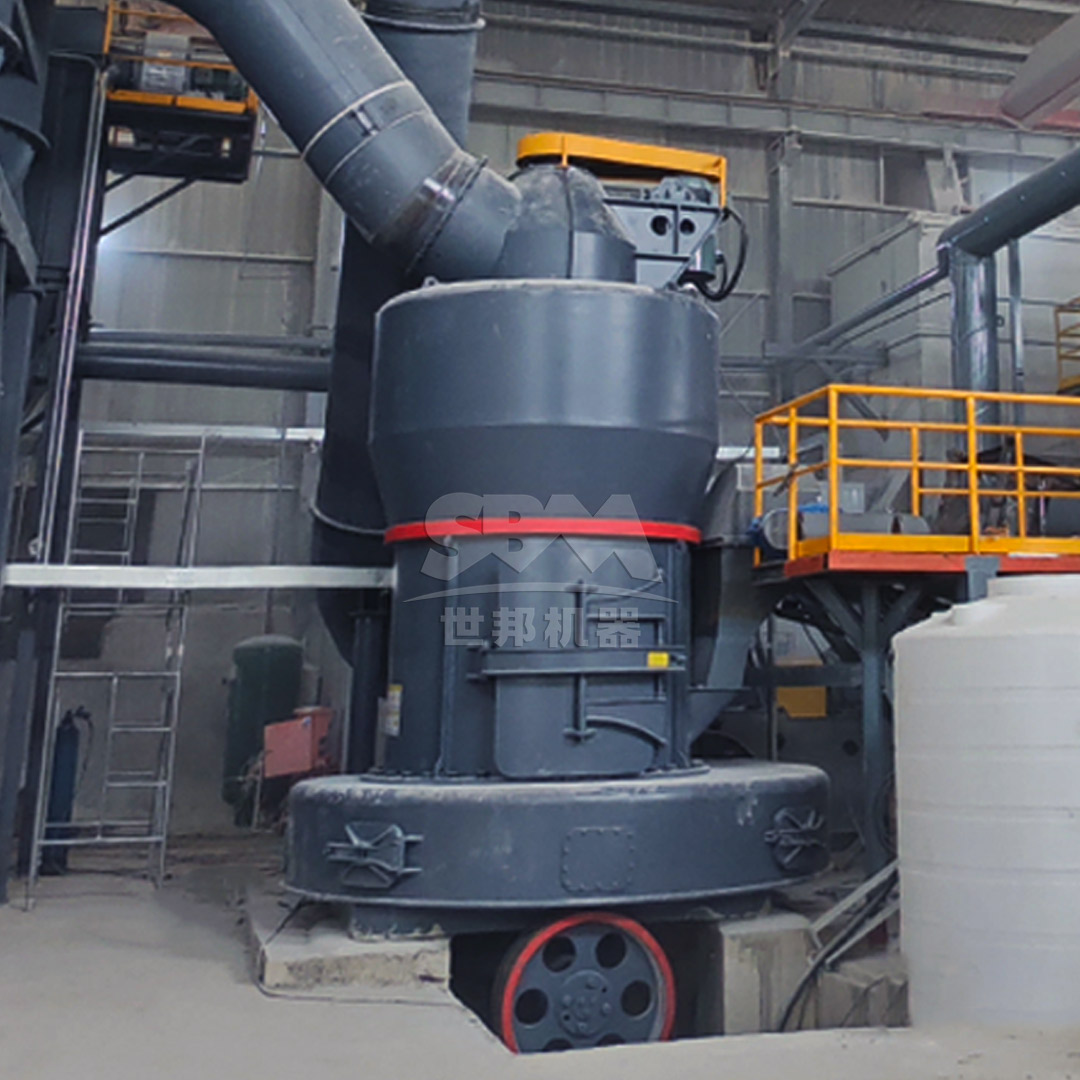
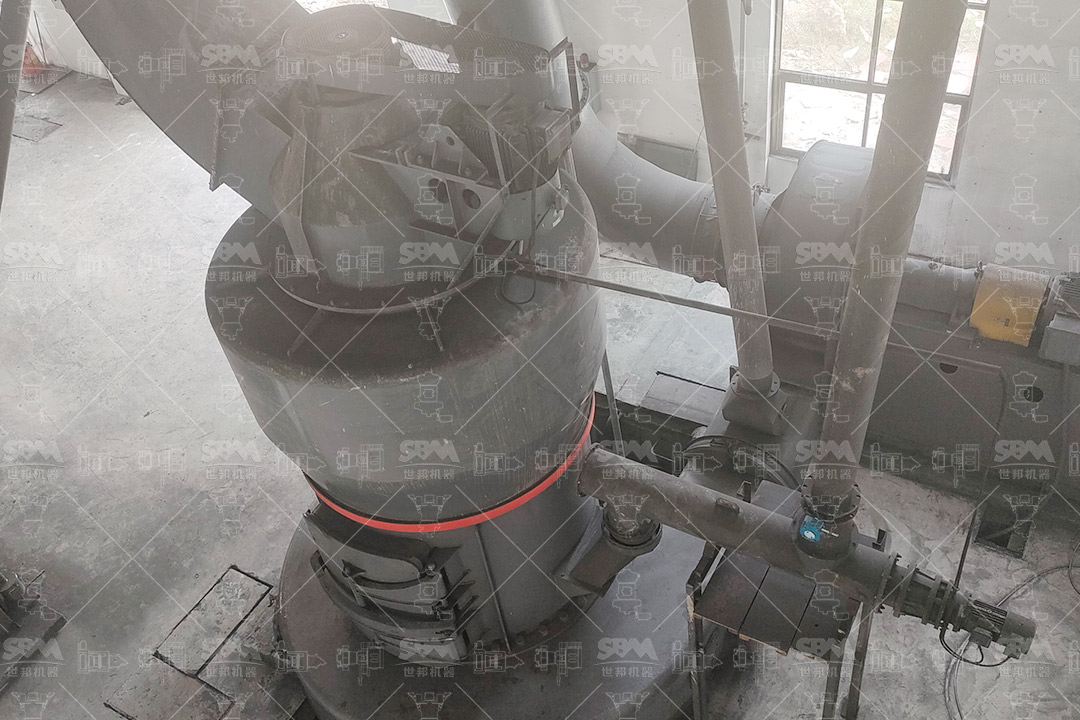
Modern cement plants benefit from specialized pulverizing equipment designed specifically for the demanding requirements of kiln fuel preparation. Among the most effective solutions available today is the LM Series Vertical Roller Mill, which represents the cutting edge in coal pulverization technology.
The LM Series Vertical Roller Mill offers exceptional performance characteristics specifically tailored for cement production applications. With input sizes up to 50mm and output fineness adjustable between 30-325 mesh (special models reaching 600 mesh), these systems provide the flexibility needed to optimize combustion characteristics for different kiln configurations. The handling capacity ranging from 3-250 tons per hour accommodates the requirements of both small-scale and large-scale cement production facilities.
Key technological advantages of the LM Series include:
The operational principle involves the main motor driving the grinding table through a reduction gear, with material fed through the central feed chute. Centrifugal force distributes the material evenly across the grinding track, where grinding rollers apply compression force to achieve bed comminution. Qualified fine powder is carried by hot gas to the separator, while coarse material returns to the grinding table for further processing.
| Model | Grinding Table Diameter (mm) | Capacity (t/h) | Main Motor Power (kW) | Output Fineness |
|---|---|---|---|---|
| LM130M | 1300 | 10-17 | 185 | R0.08mm 5-20% |
| LM150M | 1500 | 16-22 | 250 | R0.08mm 5-20% |
| LM170M | 1700 | 20-30 | 315 | R0.08mm 5-20% |
| LM190M | 1900 | 26-40 | 400 | R0.08mm 5-20% |
| LM220M | 2200 | 35-50 | 500 | R0.08mm 5-20% |
For operations requiring ultra-fine pulverization capabilities, the SCM Series Ultrafine Mill provides an excellent complementary solution. With the ability to produce powder in the range of 325-2500 mesh (D97≤5μm), this equipment delivers exceptional fineness control for specialized applications where superior combustion characteristics are required.
Maximizing the performance of coal pulverization systems requires comprehensive operational strategies and maintenance protocols. Proper system operation begins with raw coal preparation, where consistent feed size and moisture control significantly impact grinding efficiency. Modern systems incorporate advanced drying capabilities, allowing them to handle coal with moisture content up to 15% while maintaining output moisture below 1%.
Maintenance optimization represents another critical aspect of pulverizer management. The modular roller assembly quick replacement system featured in advanced mills like the LM Series reduces maintenance downtime by enabling rapid wear part replacement without extensive disassembly. Regular monitoring of grinding pressure, classifier speed, and system airflow allows operators to maintain optimal performance while identifying potential issues before they escalate into major failures.

Predictive maintenance technologies, including vibration analysis, thermal imaging, and lubricant condition monitoring, further enhance equipment reliability. These approaches enable maintenance teams to schedule interventions during planned shutdowns, minimizing production disruptions and extending equipment service life.
The energy intensity of coal pulverization makes efficiency optimization a priority for cement producers seeking to reduce operating costs and environmental impact. Advanced pulverizing systems achieve significant energy savings through multiple mechanisms:
Environmental performance extends beyond energy efficiency to include dust emissions control, noise reduction, and overall system footprint. Modern pulverizers incorporate multiple-stage dust collection systems, typically combining cyclone separators with pulse-jet bag filters to achieve emission levels below 20mg/m³. Acoustic insulation and vibration damping technologies maintain noise levels within regulatory limits, contributing to improved working conditions.
The effectiveness of coal pulverization systems depends not only on their standalone performance but also on their integration with other cement production processes. Successful integration requires careful consideration of several factors:
Material handling systems must provide consistent feed to the pulverizer while accommodating fluctuations in raw coal characteristics. Intermediate storage silos with proper aeration and discharge systems prevent bridging and ensure steady material flow. Pneumatic conveying systems transport pulverized coal to the kiln burners, with design considerations including transport velocity, line sizing, and wear protection.
Control system integration enables coordinated operation between the pulverizer, kiln, and other process units. Modern distributed control systems (DCS) allow operators to adjust coal fineness and feed rate in response to kiln conditions, optimizing combustion performance while maintaining stable operation. Data exchange between systems facilitates comprehensive performance monitoring and historical analysis.

The evolution of coal pulverization technology continues, driven by the cement industry’s ongoing pursuit of efficiency improvements, cost reduction, and environmental compliance. Emerging trends include:
Digitalization and Industry 4.0 technologies are transforming pulverizer operation and maintenance. Advanced sensors provide comprehensive real-time monitoring of equipment condition and performance, while machine learning algorithms optimize operational parameters and predict maintenance requirements. Digital twin technology creates virtual replicas of physical systems, enabling simulation-based optimization and troubleshooting.
Alternative fuel compatibility represents another important development direction. As cement producers increasingly incorporate alternative fuels alongside coal, pulverizers must handle diverse material characteristics while maintaining performance. Equipment modifications include enhanced wear protection for abrasive materials, improved drying capabilities for high-moisture fuels, and flexibility to adjust grinding characteristics for different fuel blends.
Carbon reduction technologies are gaining prominence, with systems being developed to integrate with carbon capture processes. These developments may influence pulverizer design through requirements for oxygen-enriched combustion compatibility, modified particle size specifications for optimal capture efficiency, and integration with new burner technologies.
Coal pulverization remains a critical process in cement manufacturing, with significant implications for energy efficiency, product quality, and environmental performance. The advancement from traditional grinding systems to sophisticated vertical roller mills like the LM Series represents substantial progress in addressing the industry’s evolving requirements. These systems deliver improved efficiency, enhanced reliability, and greater operational flexibility while reducing environmental impact.
As cement producers face increasing pressure to optimize costs and reduce emissions, continued innovation in pulverization technology will play a vital role in maintaining competitiveness. The integration of digital technologies, compatibility with alternative fuels, and adaptation to carbon reduction initiatives will shape the next generation of coal preparation systems, ensuring their continued relevance in the evolving cement industry landscape.