The cement industry stands at a critical juncture, facing increasing pressure to reduce its environmental footprint while maintaining production efficiency. Clinker grinding represents one of the most energy-intensive processes in cement manufacturing, accounting for approximately 30-40% of total electrical energy consumption in a typical cement plant. As global demand for cement continues to grow, optimizing this crucial stage has become paramount for both economic and environmental sustainability.
Traditional grinding technologies, particularly ball mills, have served the industry for decades but suffer from significant limitations in energy efficiency, particle size distribution control, and environmental performance. The emergence of advanced pulverizing technologies has revolutionized clinker grinding, offering substantial improvements in energy consumption, product quality, and operational flexibility while significantly reducing the carbon footprint of cement production.
Clinker presents unique grinding challenges due to its complex mineralogical composition and physical properties. The material consists primarily of alite (tricalcium silicate), belite (dicalcium silicate), tricalcium aluminate, and tetracalcium aluminoferrite, each with distinct hardness and grindability characteristics. This heterogeneity creates difficulties in achieving uniform particle size distribution, which directly impacts cement quality and performance.
The primary technical challenges in clinker grinding include:
The comminution process is inherently inefficient, with only 1-2% of the input energy actually utilized for size reduction. The remainder dissipates as heat, noise, and equipment vibration. Advanced grinding systems address this fundamental limitation through optimized grinding mechanics, improved classification efficiency, and reduced system resistance.
Modern grinding technologies have evolved significantly from traditional ball mills, offering substantial improvements in energy efficiency, operational flexibility, and environmental performance. The most impactful developments have come from vertical roller mills and high-efficiency classifiers that work in closed-circuit configurations.
Vertical roller mills (VRMs) represent the current state-of-the-art in clinker grinding technology. These systems operate on the principle of bed comminution, where material is ground between a rotating table and rollers pressed against it. This mechanism is significantly more energy-efficient than the impact and attrition grinding predominant in ball mills.
The key advantages of VRM technology include:
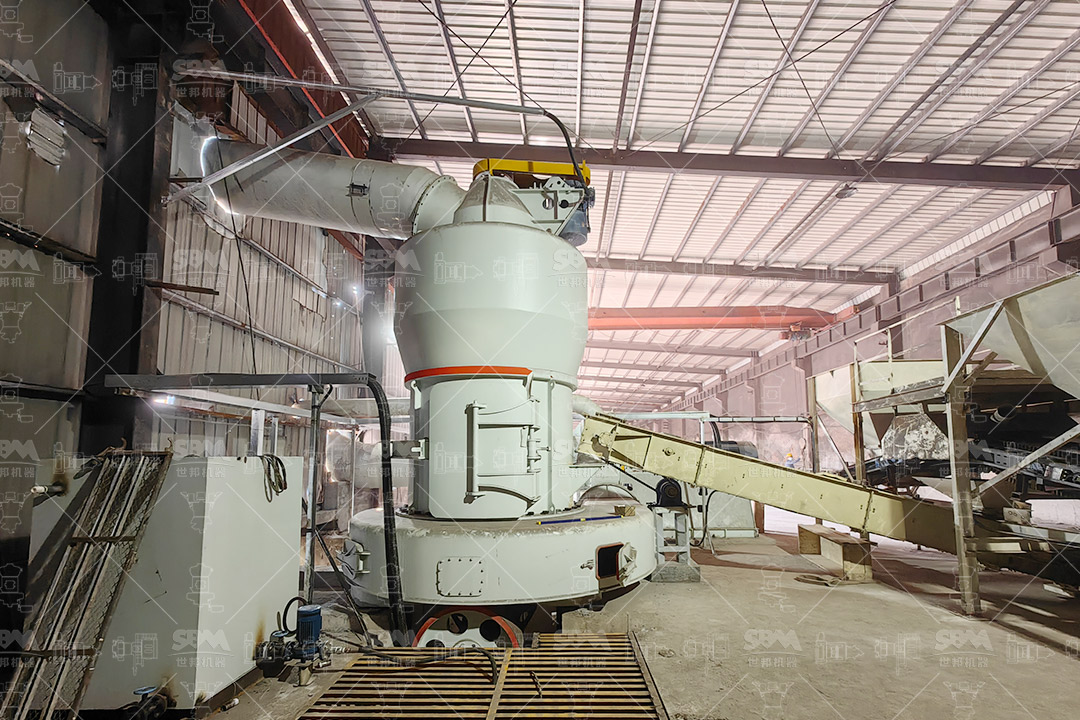
Modern classification technology plays a crucial role in grinding circuit optimization. High-efficiency separators, particularly those with multiple rotor stages, enable precise cut-point control and reduced circulating loads. This results in narrower particle size distributions, improved product quality, and reduced overgrinding.
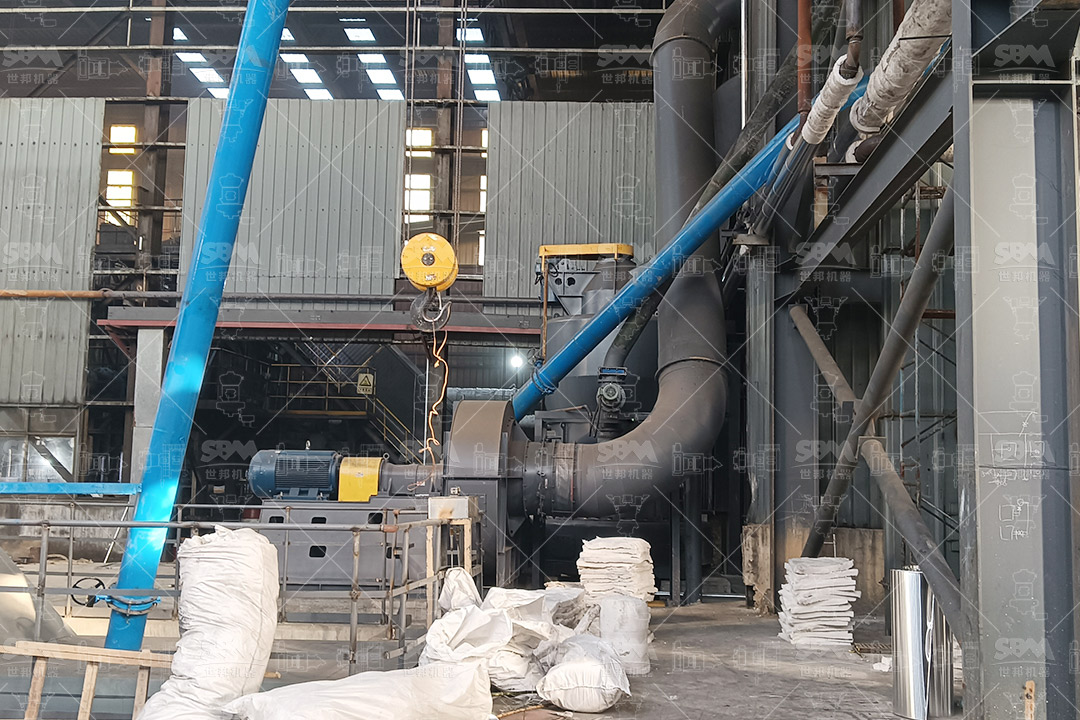
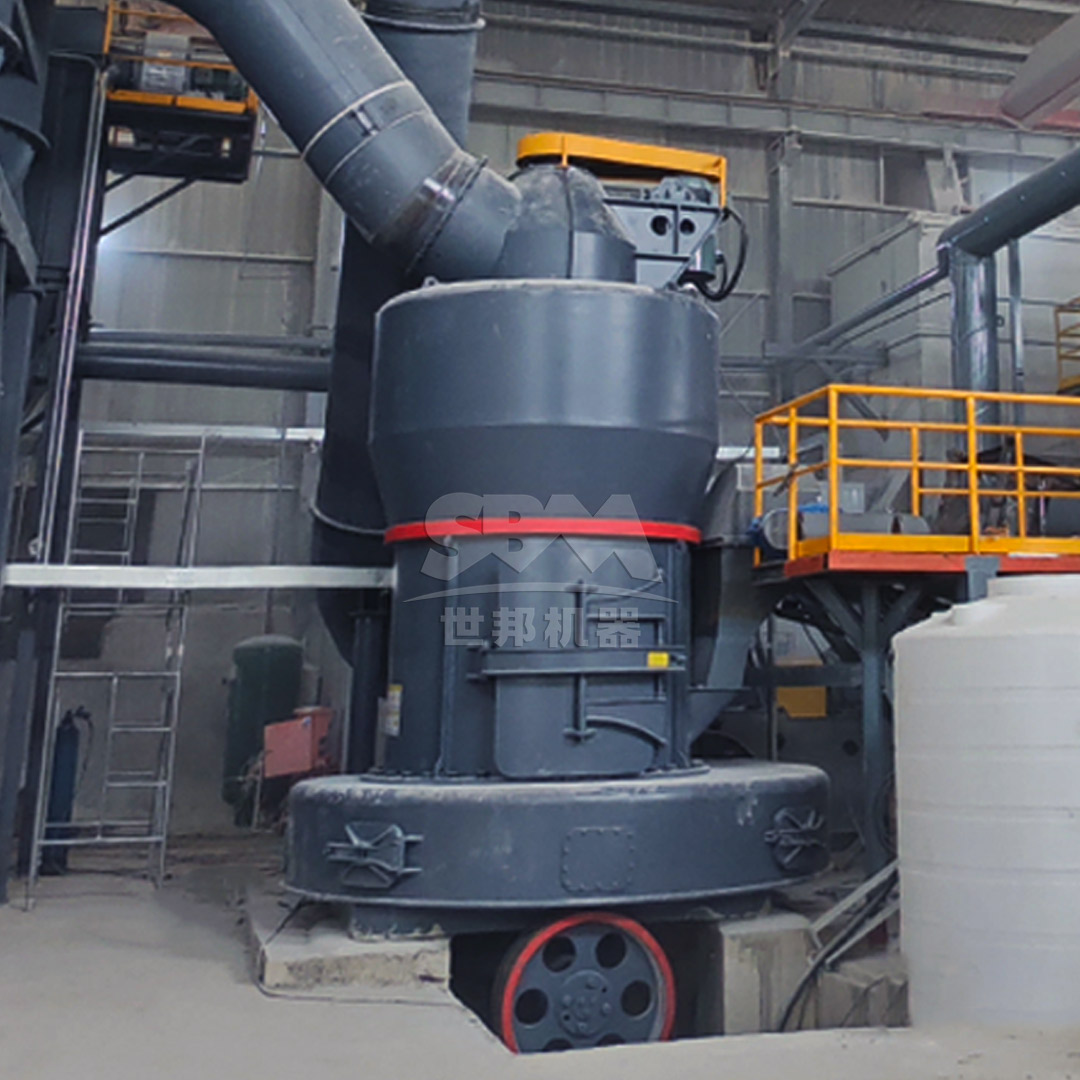
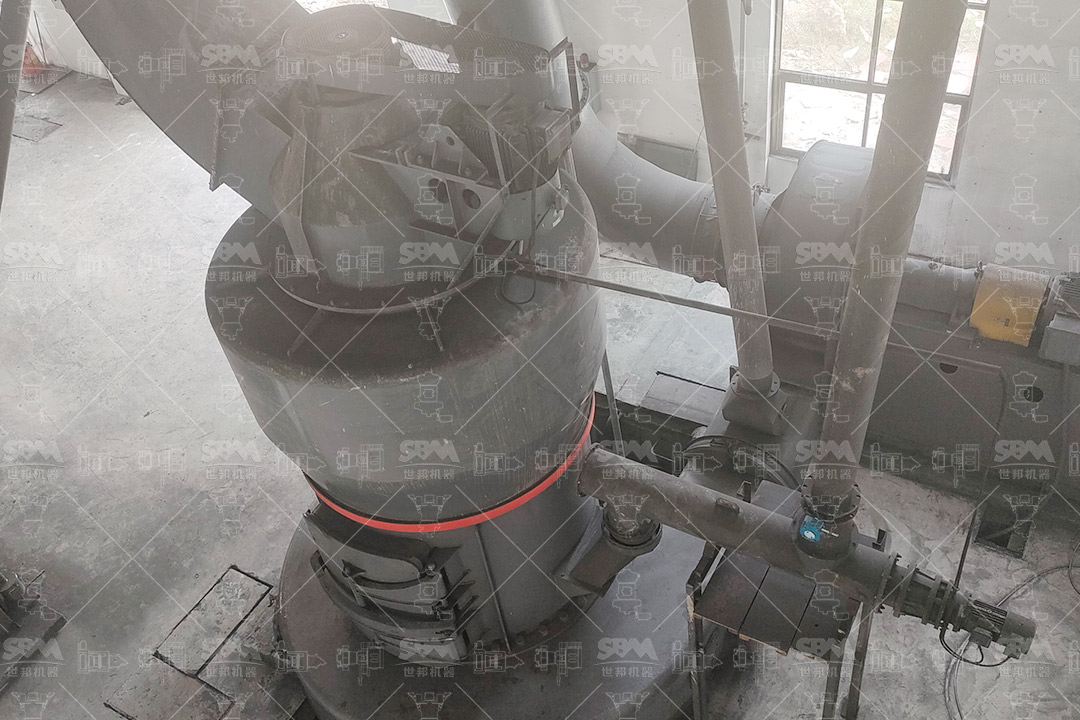
Among the advanced grinding solutions available today, the LM Series Vertical Roller Mill stands out as a particularly effective technology for clinker grinding applications. This system integrates multiple functions—including crushing, grinding, drying, and classification—within a single compact unit, offering unprecedented efficiency and operational flexibility.
The LM Series Vertical Roller Mill features several innovative design elements that contribute to its superior performance:
The operational benefits of the LM Series translate directly to economic and environmental advantages. Energy consumption reductions of 30-40% compared to ball mill systems represent substantial cost savings while simultaneously reducing the carbon footprint of cement production. The system’s ability to handle varying feed materials and product specifications makes it particularly valuable in modern cement plants that must adapt to changing market demands and raw material availability.
| Model | Grinding Table Diameter (mm) | Capacity (t/h) | Output Fineness | Main Motor Power (kW) |
|---|---|---|---|---|
| LM130K | 1300 | 10-28 | 170-40μm (80-400 mesh) | 200 |
| LM150K | 1500 | 13-38 | 170-40μm (80-400 mesh) | 280 |
| LM170K | 1700 | 18-48 | 170-40μm (80-400 mesh) | 400 |
| LM190K | 1900 | 23-68 | 170-40μm (80-400 mesh) | 500 |
| LM220K | 2200 | 36-105 | 170-45μm (80-325 mesh) | 800 |
| LM280K | 2800 | 50-170 | 170-45μm (80-325 mesh) | 1250 |
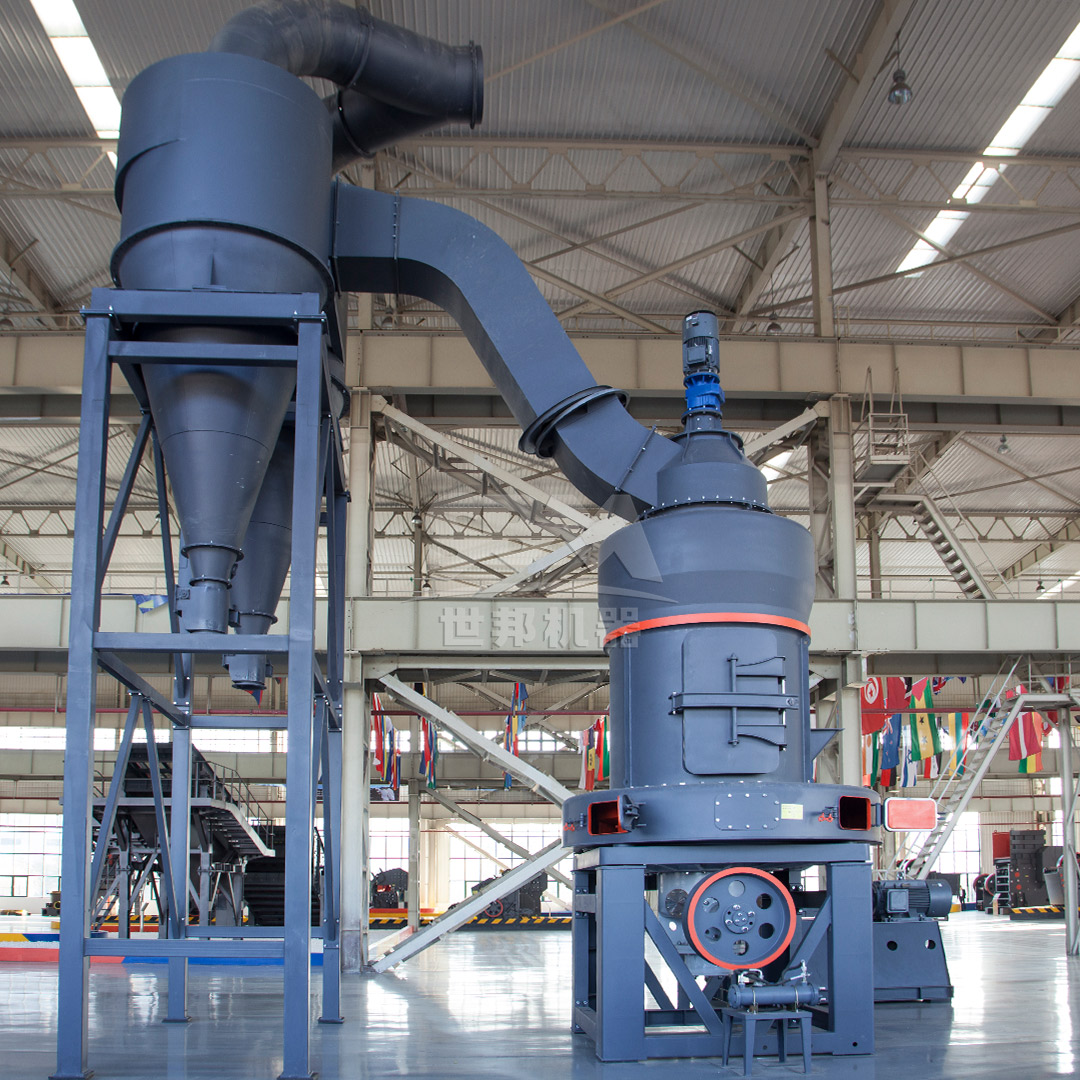
For applications requiring ultra-fine cement products or those involving supplementary cementitious materials, the SCM Ultrafine Mill offers unparalleled performance in the sub-45μm range. This advanced pulverizing system achieves remarkable fineness levels up to 2500 mesh (D97≤5μm) while maintaining exceptional energy efficiency.
The technological advantages of the SCM Ultrafine Mill make it particularly suitable for producing high-value cement products:
The SCM Ultrafine Mill operates on a multi-layer grinding principle, where material is dispersed into the grinding path by centrifugal force and undergoes progressive size reduction through multiple grinding stages. The final product collection through cyclone separators and pulse dust collection systems ensures maximum product recovery with minimal environmental impact.
| Model | Capacity (ton/h) | Main Motor Power (kW) | Feed Size (mm) | Product Fineness (mesh) |
|---|---|---|---|---|
| SCM800 | 0.5-4.5 | 75 | 0-20 | 325-2500 |
| SCM900 | 0.8-6.5 | 90 | 0-20 | 325-2500 |
| SCM1000 | 1.0-8.5 | 132 | 0-20 | 325-2500 |
| SCM1250 | 2.5-14 | 185 | 0-20 | 325-2500 |
| SCM1680 | 5.0-25 | 315 | 0-20 | 325-2500 |
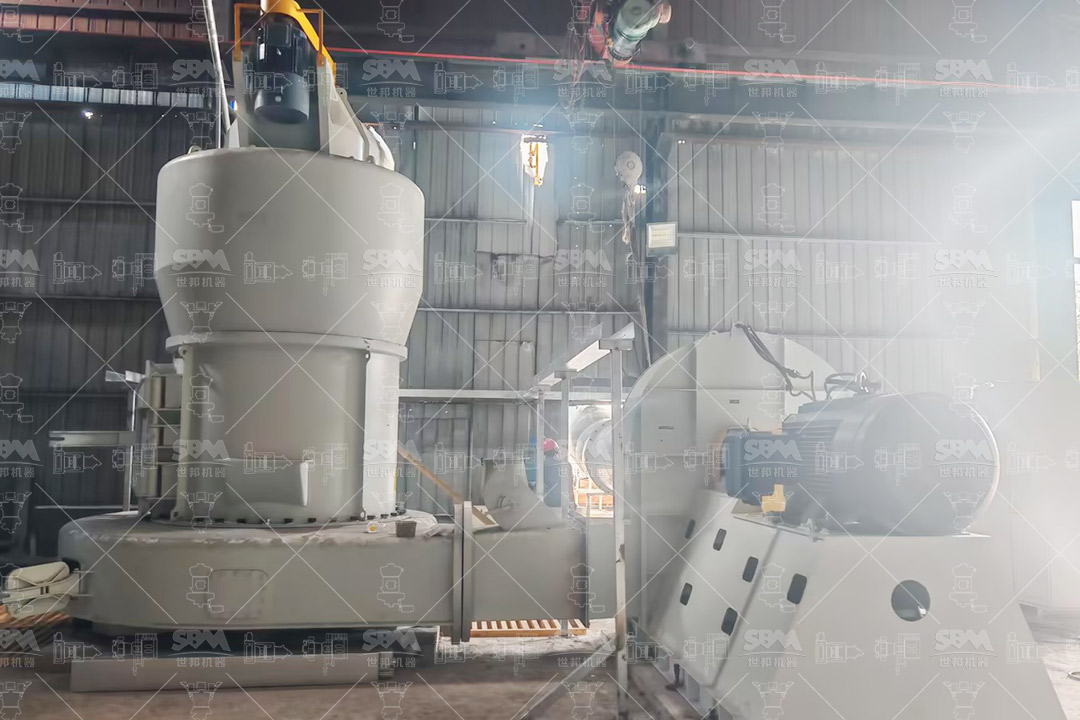
The adoption of advanced pulverizing technologies delivers substantial benefits across multiple dimensions of cement production. From operational efficiency to environmental compliance, modern grinding systems represent a significant advancement over traditional approaches.
The economic case for advanced grinding technology is compelling. With energy typically representing 30-40% of cement production costs, the 30-50% reduction in specific energy consumption offered by systems like the LM Series Vertical Roller Mill translates to substantial operational cost savings. Additionally, reduced maintenance requirements, longer wear part life, and higher availability contribute to lower overall cost per ton of cement produced.
Modern grinding systems directly address the cement industry’s environmental challenges. Beyond reduced energy consumption and associated CO2 emissions, advanced pulverizers feature integrated dust collection systems that typically achieve collection efficiencies exceeding 99.9%, ensuring compliance with the most stringent environmental regulations. Noise reduction technologies create better working conditions while minimizing the plant’s impact on surrounding communities.
The precise control over particle size distribution achievable with advanced grinding and classification systems directly enhances cement performance characteristics. Optimized particle packing and reduced ultrafine content improve workability, strength development, and durability of the final concrete product. This enables cement producers to develop specialized products for specific applications while maximizing the efficiency of clinker utilization.
Successful implementation of advanced grinding technology requires careful consideration of several factors. Plant-specific conditions, including raw material characteristics, product portfolio, and existing infrastructure, must inform technology selection and system design. The transition from traditional to advanced grinding systems typically involves not only equipment replacement but also adjustments to operational philosophy and maintenance practices.
Looking forward, the evolution of clinker grinding technology continues, with several promising developments on the horizon:
The ongoing digital transformation of the cement industry will further enhance the performance of advanced grinding systems, with increased connectivity, data analytics, and predictive maintenance capabilities contributing to higher availability, better product consistency, and lower operating costs.
The optimization of clinker grinding through advanced pulverizing technologies represents one of the most significant opportunities for improving both the economic and environmental performance of cement manufacturing. Technologies like the LM Series Vertical Roller Mill and SCM Ultrafine Mill demonstrate that substantial improvements in energy efficiency, product quality, and environmental compliance are achievable with current technology.
As the cement industry continues its journey toward carbon neutrality, the role of efficient grinding technology will only increase in importance. The integration of advanced comminution systems with other innovative approaches—including alternative raw materials, carbon capture, and digitalization—will define the next generation of sustainable cement production. For forward-thinking cement producers, investment in modern grinding technology represents not only an economic imperative but a strategic commitment to long-term sustainability and competitiveness in an increasingly challenging market environment.