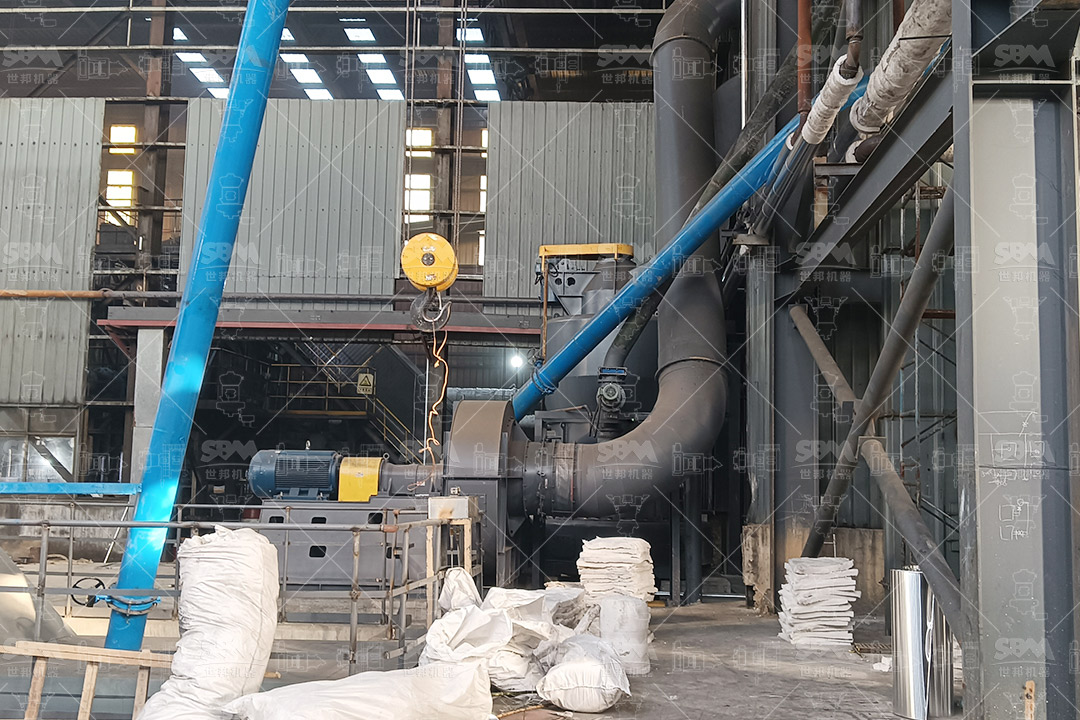
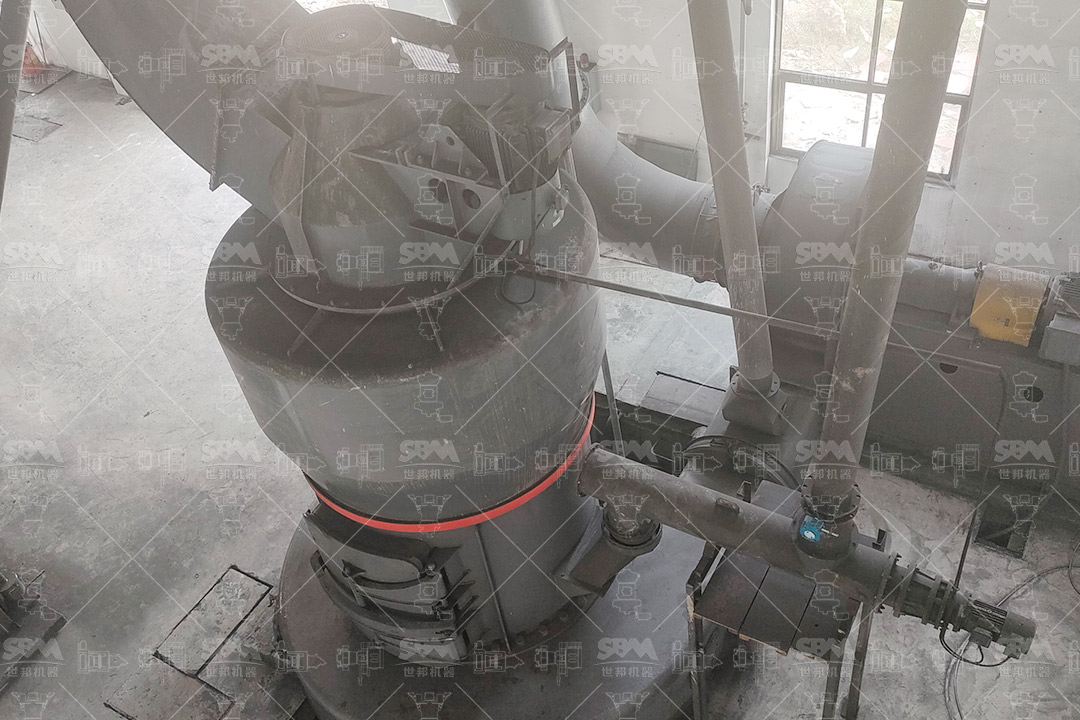
The manufacturing of high-strength drywall represents one of the most demanding applications for gypsum processing technology. As construction standards evolve and building codes become more stringent, the relationship between gypsum particle characteristics and final product performance has become increasingly apparent. Modern drywall production requires precisely controlled particle size distribution to achieve optimal crystal formation during the calcination process, which directly impacts the mechanical strength, fire resistance, and dimensional stability of the finished panels.
Traditional grinding approaches often fail to deliver the consistency required for premium drywall manufacturing, resulting in variations in setting time, inadequate crystal interlocking, and compromised mechanical properties. This technical paper examines the critical parameters for gypsum grinding optimization and presents advanced milling solutions specifically engineered for high-performance drywall production.
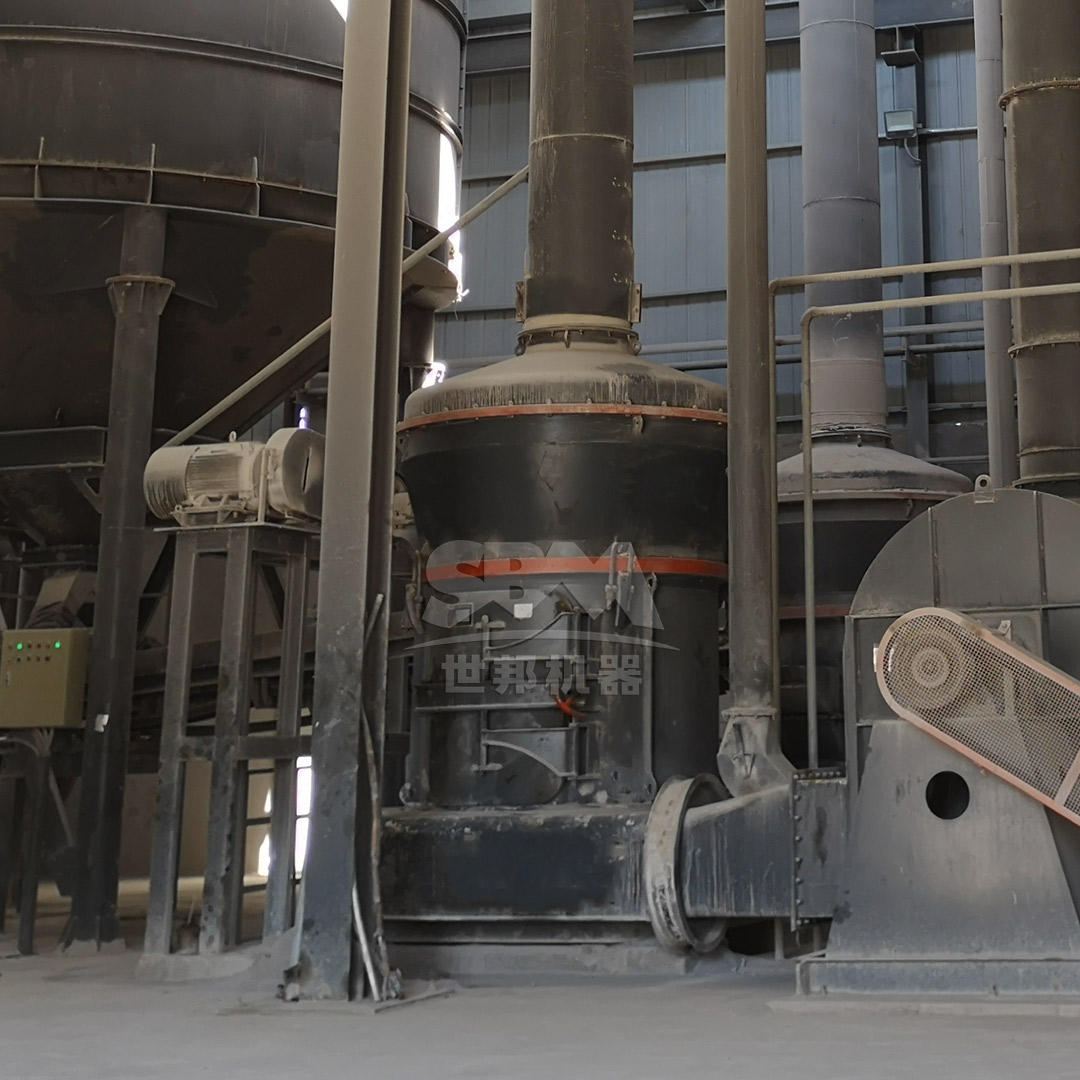
The transformation of raw gypsum rock into a consistent, high-quality powder suitable for drywall manufacturing involves meeting several critical technical specifications. These requirements extend beyond simple fineness measurements to encompass the complete particle size distribution profile and morphological characteristics.
Optimal drywall performance requires a carefully balanced particle size distribution that promotes complete and uniform calcination while ensuring proper water demand and crystal formation during the rehydration process. The ideal distribution includes:
Deviation from this optimal distribution can lead to inconsistent setting times, reduced mechanical strength, and surface defects in the finished drywall panels.
Beyond particle size, the shape and surface characteristics of gypsum particles significantly impact the manufacturing process and final product quality. Angular particles with high surface area promote better interlocking during crystal formation, while spherical particles may reduce water demand but compromise mechanical strength. Advanced grinding systems must therefore control not only particle size but also particle morphology through precise grinding mechanics and classification.
| Parameter | Standard Drywall | High-Strength Drywall | Fire-Rated Drywall |
|---|---|---|---|
| D50 (μm) | 45-65 | 35-50 | 25-40 |
| D97 (μm) | 75-100 | 60-80 | 45-65 |
| Specific Surface Area (cm²/g) | 2800-3500 | 3500-4500 | 4500-5500 |
| 325 Mesh Residue (%) | 8-12 | 5-8 | 3-5 |
The evolution of gypsum grinding technology has progressed from simple crushing and hammer milling to sophisticated systems capable of precise particle size control and morphology optimization. Modern drywall manufacturers have several technological options available, each with distinct advantages for specific production requirements.
Vertical roller mills (VRMs) represent the current state-of-the-art in high-capacity gypsum grinding for drywall manufacturing. These systems utilize a bed compression grinding principle where material is ground between a rotating table and stationary rollers. The inherent drying capability of VRMs makes them particularly suitable for natural gypsum processing where moisture content can vary significantly.
Key advantages of VRM technology for gypsum grinding include:
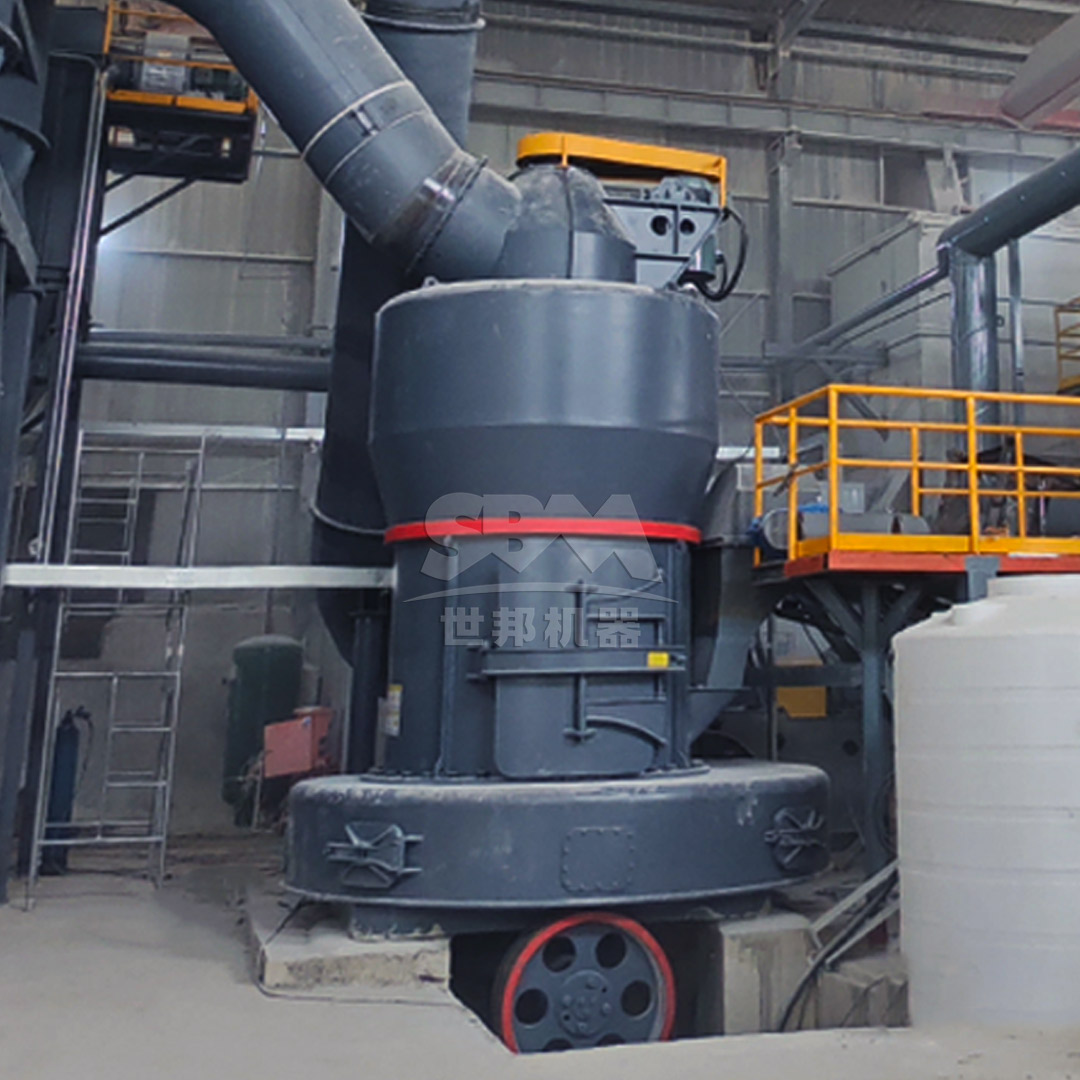
For manufacturers seeking to optimize their gypsum grinding operations for high-strength drywall production, the LM Series Vertical Roller Mill offers an exceptional combination of precision, efficiency, and reliability. With output fineness ranging from 30-325 mesh (special models achieving 600 mesh) and capacity spanning 3-250 tons per hour, this system provides the flexibility needed for modern drywall manufacturing facilities.
The LM Series incorporates several proprietary technologies specifically beneficial for gypsum processing, including modular roller assemblies for quick maintenance, dynamic classifiers for precise particle size control, and heat circulation systems that optimize energy utilization. The system’s ability to maintain consistent product quality despite variations in feed material characteristics makes it particularly valuable for drywall manufacturers operating with multiple gypsum sources.
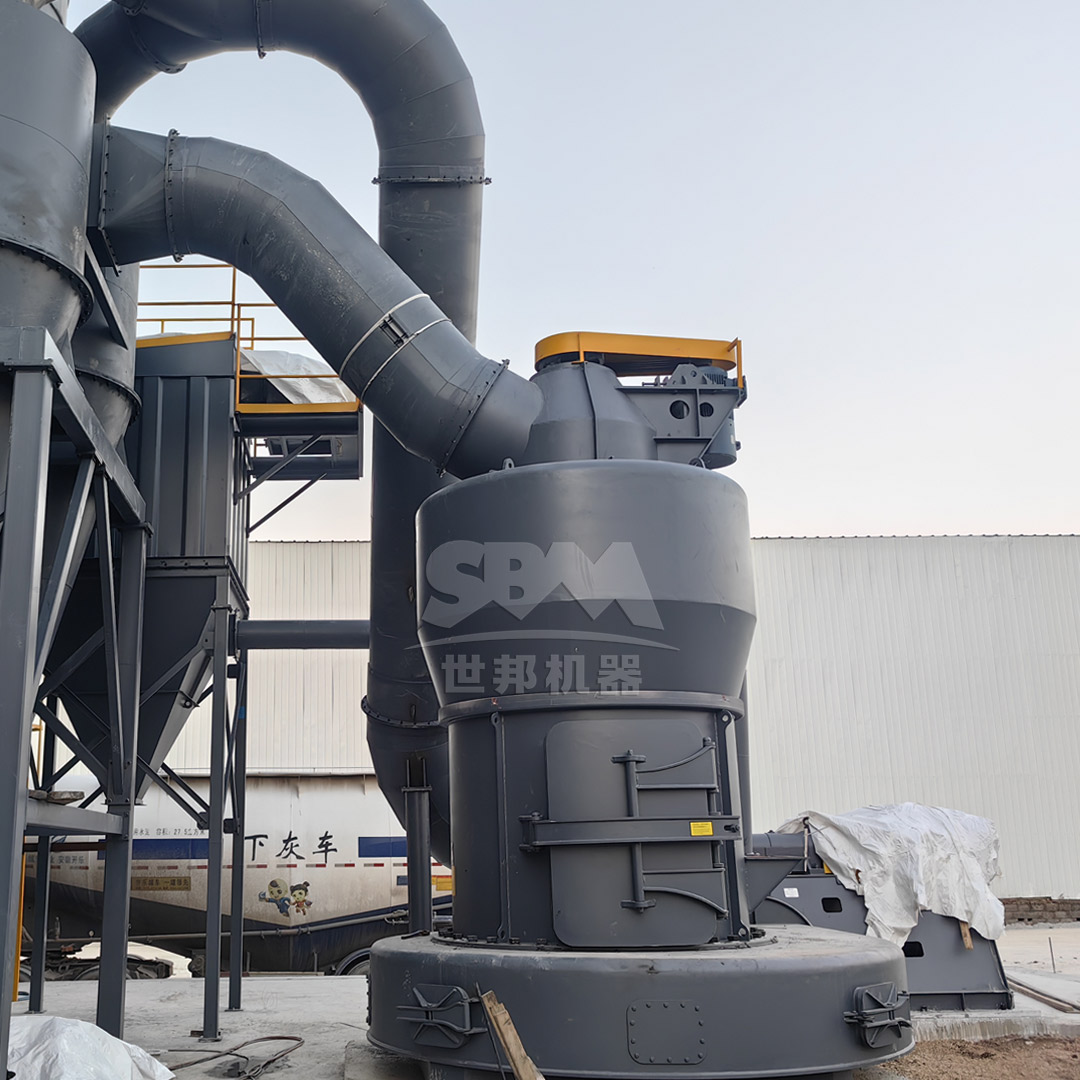
For specialized applications requiring exceptionally fine gypsum powders or precise particle morphology control, ultrafine grinding systems offer unique advantages. These mills typically employ impact, attrition, or a combination of both to achieve particle sizes down to 5μm (D97) with narrow size distribution.
The SCM Ultrafine Mill represents the pinnacle of ultrafine grinding technology for premium drywall applications. With output fineness ranging from 325-2500 mesh (D97≤5μm) and capacity from 0.5-25 tons per hour depending on model, this system delivers unparalleled control over gypsum particle characteristics.
Technical advantages of the SCM Ultrafine Mill for high-performance drywall manufacturing include:
The grinding mechanism of the SCM series involves a main motor driving multiple grinding rings in layered rotation. Material is dispersed into the grinding path by centrifugal force, undergoing progressive compression and shearing forces that produce consistently shaped particles ideal for drywall crystal formation. The integrated cyclone collector and pulse dust removal system ensure maximum product recovery with minimal environmental impact.
| Model | Capacity (ton/h) | Main Motor Power (kW) | Output Fineness (mesh) | Recommended Application |
|---|---|---|---|---|
| SCM800 | 0.5-4.5 | 75 | 325-2500 | Premium Fire-Rated Drywall |
| SCM1000 | 1.0-8.5 | 132 | 325-2500 | High-Strength Drywall |
| SCM1250 | 2.5-14 | 185 | 325-2500 | Standard & Moisture Resistant |
| SCM1680 | 5.0-25 | 315 | 325-2500 | Large-Scale Production |
The economic viability of drywall manufacturing depends significantly on grinding efficiency, with energy consumption typically representing 50-70% of total processing costs. Advanced grinding systems must therefore balance precision particle control with optimized energy utilization.
Comparative analysis of grinding technologies reveals substantial differences in specific energy consumption (kWh/ton). Traditional ball mills typically consume 35-45 kWh/ton for gypsum grinding to drywall specifications, while modern vertical roller mills reduce this to 22-30 kWh/ton. The SCM Ultrafine Mill achieves even greater efficiency at 18-25 kWh/ton for comparable output fineness, representing potential energy savings of 30-45% compared to conventional systems.
Beyond direct energy consumption, operational economics must consider maintenance requirements, component lifetime, and system availability. The durable design of advanced grinding systems with specialized wear materials extends maintenance intervals and reduces replacement part costs. For instance, the SCM series utilizes specially formulated roller and ring assemblies that provide 2-3 times the service life of conventional components, significantly reducing operating costs over the equipment lifecycle.
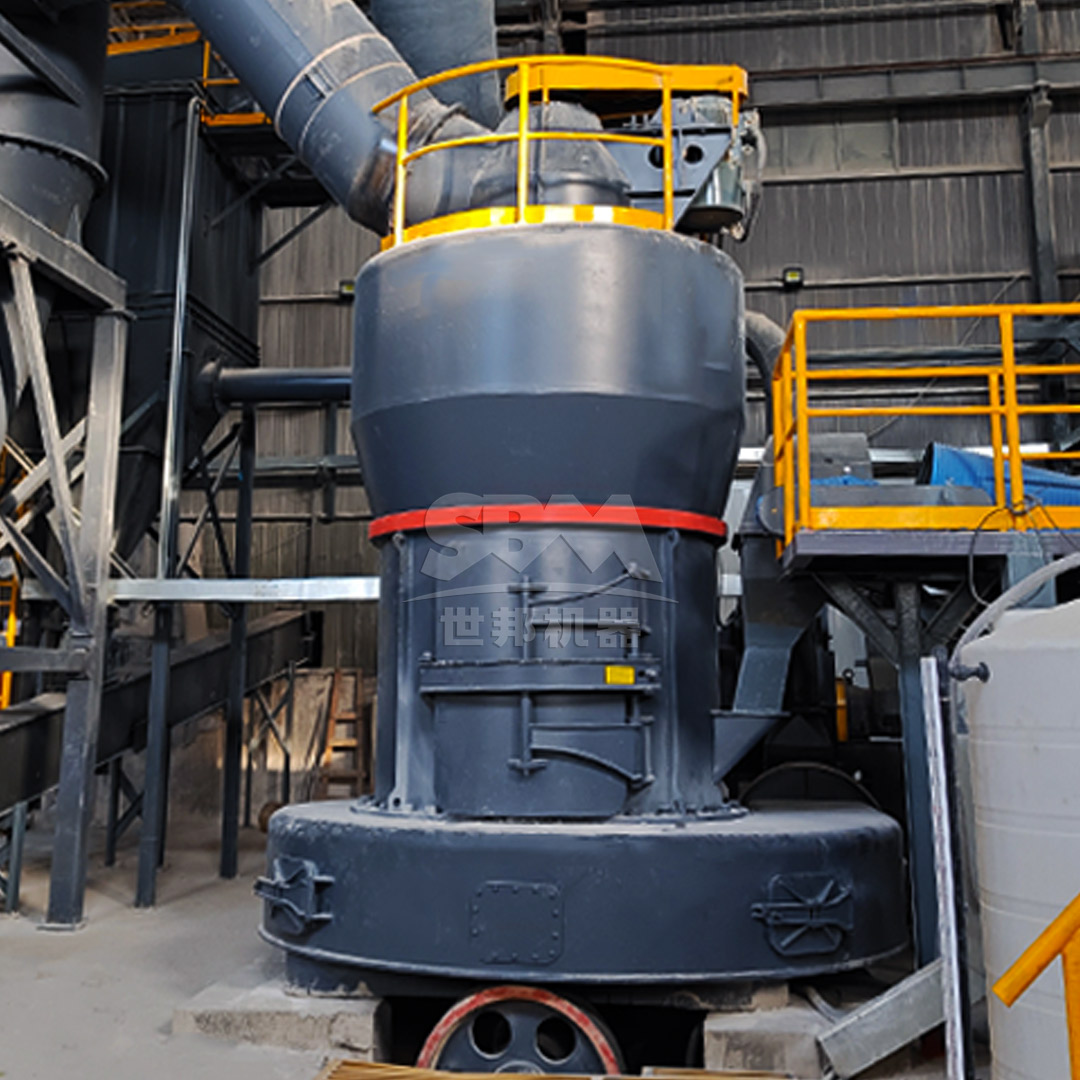
Optimizing gypsum grinding cannot be considered in isolation from the complete drywall manufacturing process. The grinding system must be seamlessly integrated with calcination, formulation, and board formation operations to maximize final product quality.
The relationship between gypsum particle characteristics and calcination efficiency is critical for drywall manufacturing. Finely ground gypsum with controlled particle size distribution calcines more uniformly and completely, resulting in consistent stucco quality. Advanced grinding systems that produce narrow particle size distributions enable shorter calcination times and lower calcination temperatures, reducing energy consumption and improving product consistency.
Modern drywall formulations incorporate various additives including accelerators, retarders, foam control agents, and reinforcing fibers. The particle morphology and surface characteristics produced by the grinding system significantly impact additive dispersion and effectiveness. Angular particles with high surface area typically provide better additive retention and distribution, enhancing formulation performance.
The continuing evolution of drywall products and manufacturing processes drives ongoing innovation in gypsum grinding technology. Several emerging trends are likely to shape future system designs and capabilities.
The integration of advanced process control systems with real-time particle size analysis represents the next frontier in grinding optimization. These systems continuously monitor product quality and automatically adjust operating parameters to maintain consistency despite variations in feed material characteristics. The SCM Ultrafine Mill’s intelligent control system with automatic feedback for product particle size exemplifies this approach, enabling unprecedented consistency in gypsum powder quality.
Environmental considerations increasingly influence grinding system selection, with emphasis on dust control, noise reduction, and energy efficiency. Modern systems must achieve emissions below 20mg/m³ and noise levels under 80dB while maximizing energy utilization. The comprehensive environmental performance of advanced grinding technologies, including pulse dust collection exceeding international standards and integrated noise reduction measures, addresses these evolving requirements.
The optimization of gypsum grinding represents a critical success factor for manufacturers of high-strength drywall. Advanced grinding technologies such as the LM Series Vertical Roller Mill and SCM Ultrafine Mill provide the precision, efficiency, and reliability needed to meet the exacting requirements of modern drywall production. By delivering precisely controlled particle size distributions with optimal morphology, these systems enable manufacturers to produce drywall panels with enhanced mechanical properties, consistent performance, and superior surface characteristics.
The selection of appropriate grinding technology must consider the specific requirements of the intended drywall products, available gypsum sources, production scale, and economic objectives. With continuous innovation driving improvements in energy efficiency, operational reliability, and product quality, advanced grinding systems will remain at the forefront of drywall manufacturing technology, enabling producers to meet evolving market demands while optimizing manufacturing economics.