Ornamental plasterwork has been an essential element in architectural design for centuries, from classical cornices and ceiling roses to modern decorative panels and 3D wall features. The quality of gypsum powder used in these applications directly impacts the final product’s workability, strength, and surface finish. As architectural trends evolve toward more intricate designs and higher quality standards, the demand for precisely controlled gypsum powders has never been greater.
This comprehensive guide explores the critical factors in selecting the right grinding equipment for ornamental plasterwork applications, with particular focus on achieving the fine particle size distribution necessary for premium decorative elements.
Unlike construction-grade gypsum products, ornamental plasterwork demands exceptionally tight control over particle size distribution. The ideal powder should have:
This level of control ensures that the plaster mixture has optimal water demand, setting characteristics, and final strength – all crucial factors when creating delicate ornamental features.
Ornamental plasterwork manufacturers typically operate at medium production scales, requiring equipment that can deliver:
The ability to consistently produce gypsum powder in the 325-2500 mesh range (D97 ≤ 5μm) separates premium ornamental-grade mills from standard industrial equipment. Key considerations include:
| Fineness Range | Application | Technical Challenge |
|---|---|---|
| 325-800 mesh | Base plaster compounds | Maintaining narrow distribution |
| 800-1500 mesh | Surface coatings | Achieving D97 ≤ 5μm consistently |
| 1500-2500 mesh | Premium decorative elements | Energy efficiency at ultra-fine ranges |
With energy costs representing up to 40% of operational expenses in powder production, selecting equipment with optimized power consumption is crucial. Advanced mills should demonstrate:
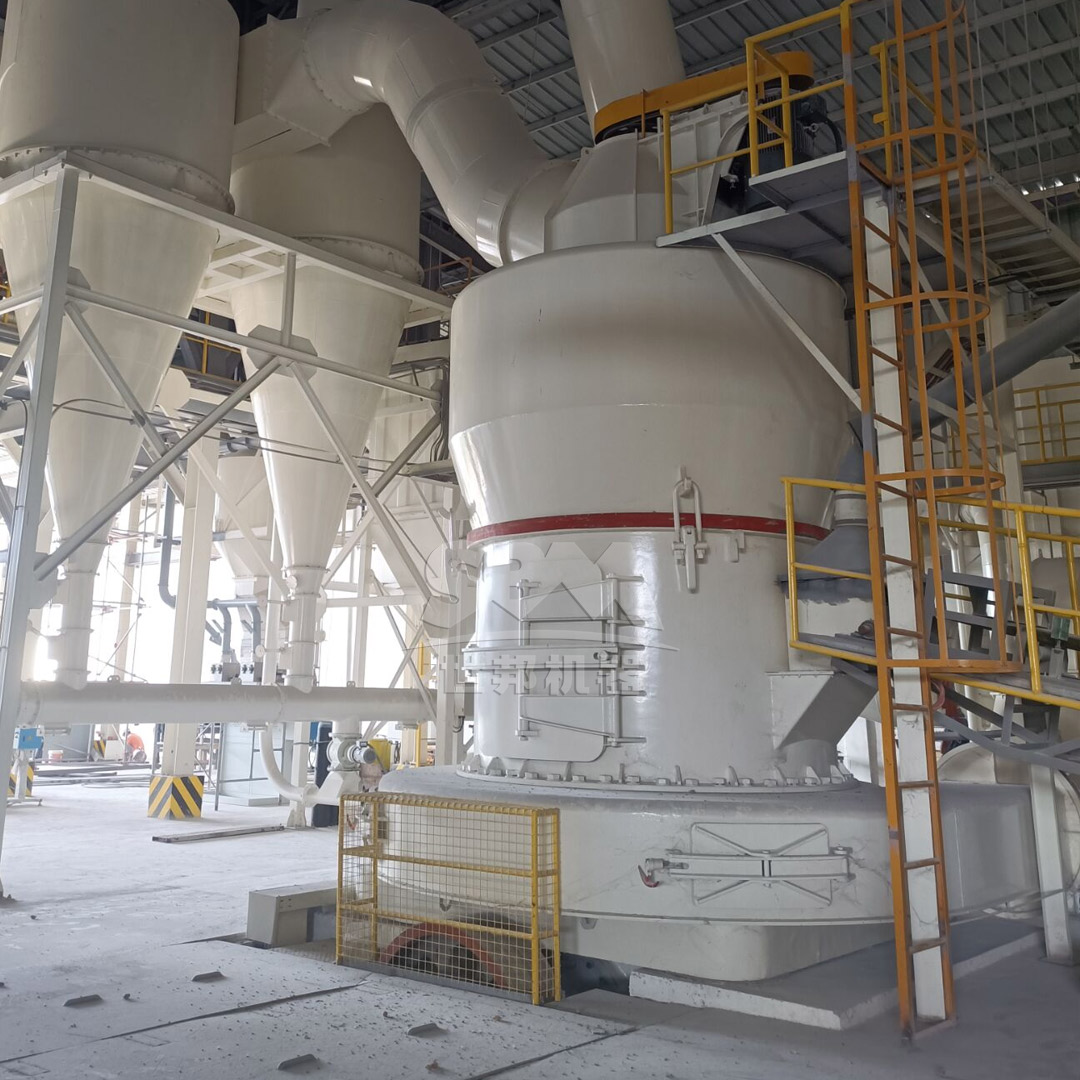
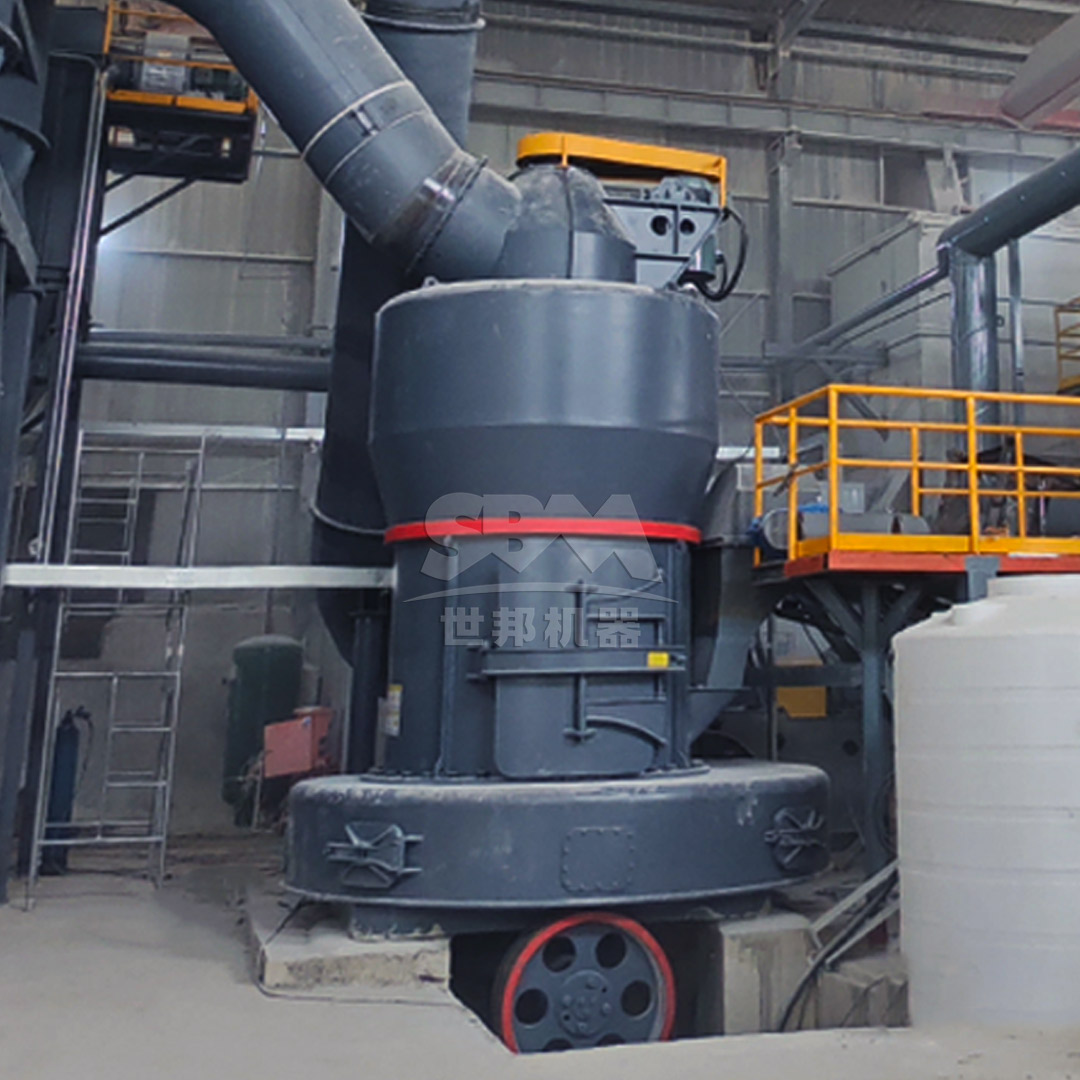
For the most demanding ornamental applications requiring powders in the 1500-2500 mesh range, ultrafine mill systems offer unparalleled performance. The SCM Ultrafine Mill series represents the cutting edge in this category, specifically engineered for applications where particle size control is paramount.
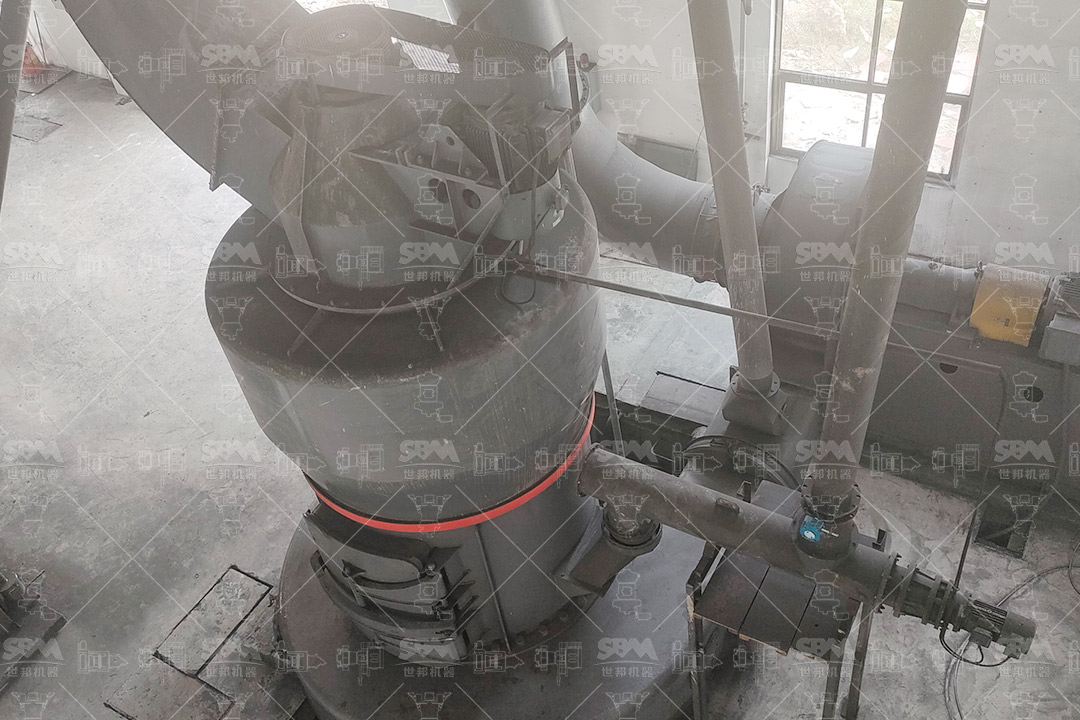
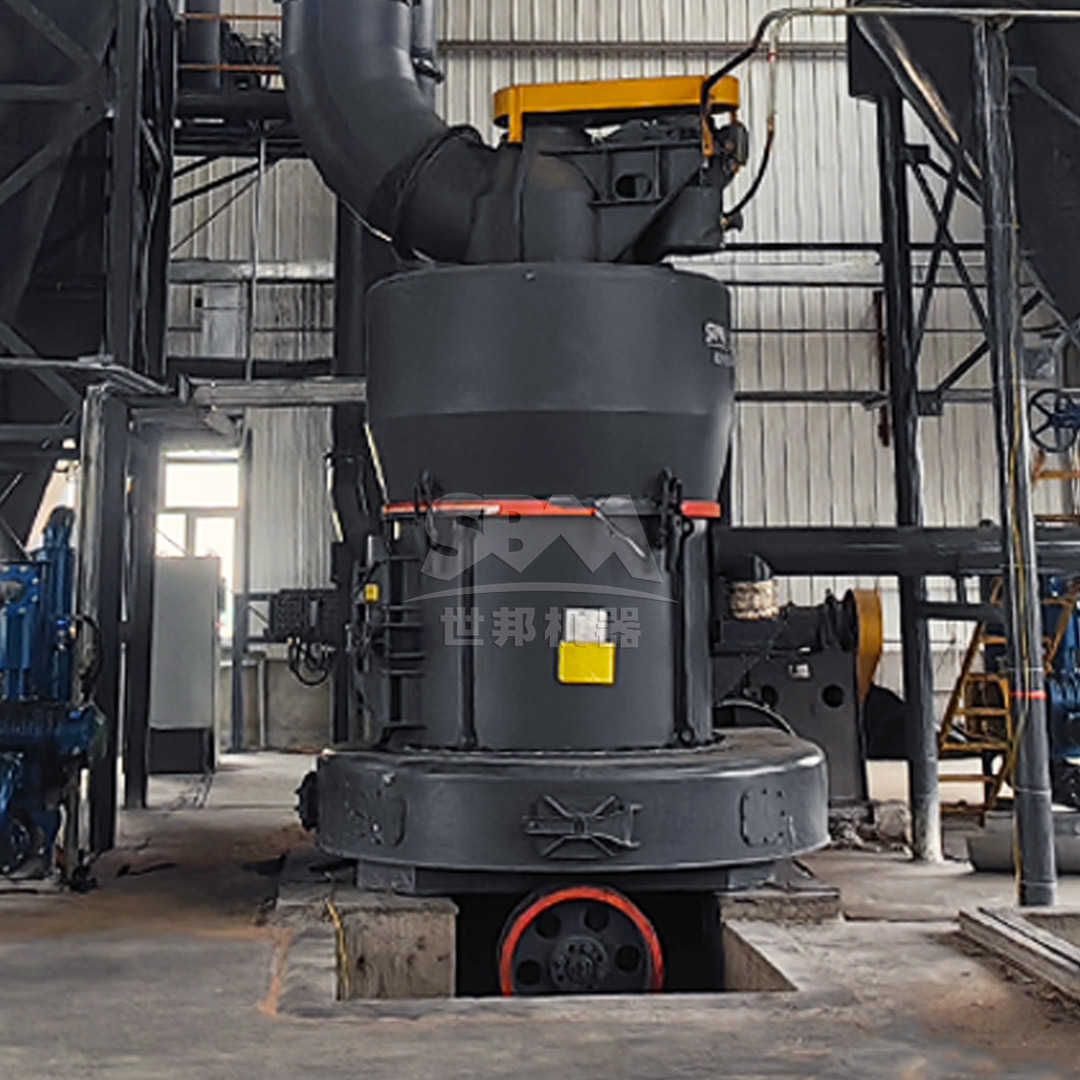
Our SCM Ultrafine Mill delivers exceptional performance for ornamental plasterwork with its ability to produce powders in the 325-2500 mesh range (D97 ≤ 5μm). The vertical turbine classifier ensures precise particle size control, eliminating coarse particle contamination that can mar delicate decorative surfaces. With capacity ranging from 0.5-25 ton/h across different models, these mills can be matched to specific production requirements while maintaining energy efficiency that reduces operating costs by 30% compared to conventional systems.
The SCM series’ intelligent control system automatically maintains target fineness by adjusting operational parameters in real-time, ensuring batch-to-batch consistency crucial for color matching in decorative applications. The special material roller and grinding ring design extends service life significantly, reducing maintenance frequency and costs.
For operations requiring broader fineness ranges or higher capacity production, the MTW Series Trapezium Mill offers robust performance from 30-325 mesh. This technology is particularly well-suited for manufacturers producing both construction and ornamental plaster products from the same facility.
The curved air channel design minimizes energy loss during material transport, while the combined blade system reduces maintenance costs. With capacities from 3-45 ton/h, these mills can handle significant production volumes while maintaining the precision necessary for quality ornamental products.
Vertical roller mills, particularly the LM Series Vertical Roller Mill, offer advantages for integrated operations where space optimization is important. The compact design reduces footprint by up to 50% compared to traditional systems, while the intelligent control system minimizes operator intervention.
These mills excel in applications requiring flexibility across multiple fineness ranges, with the ability to produce powders from 30-600 mesh depending on configuration. The non-contact grinding roller design extends wear part life up to three times, significantly reducing operating costs for high-volume producers.
Based on the specific requirements of ornamental plasterwork, the SCM Ultrafine Mill series stands out as the optimal solution for manufacturers focused on premium decorative products. The technical advantages most relevant to ornamental applications include:
The vertical turbine classification system in the SCM mill provides unparalleled control over particle size distribution. This ensures that decorative plasters have consistent working properties and surface quality, with no coarse particles that could create imperfections in delicate moldings or carved elements.
With energy consumption 30% lower than conventional mills and twice the production capacity of jet mills, the SCM series offers significant operational advantages. The intelligent control system maintains consistent quality even with variations in raw material characteristics, reducing waste and reprocessing.
| SCM Model | Capacity (ton/h) | Power (kW) | Recommended Application |
|---|---|---|---|
| SCM800 | 0.5-4.5 | 75 | Small specialty workshops |
| SCM1000 | 1.0-8.5 | 132 | Medium ornamental manufacturers |
| SCM1250 | 2.5-14 | 185 | Large decorative element producers |
| SCM1680 | 5.0-25 | 315 | High-volume industrial operations |
The integrated pulse dust collection system exceeds international environmental standards, with noise levels below 75dB – an important consideration for facilities located in mixed-use areas. The fully enclosed negative pressure operation prevents dust escape, maintaining clean working conditions essential for quality control in ornamental plaster production.
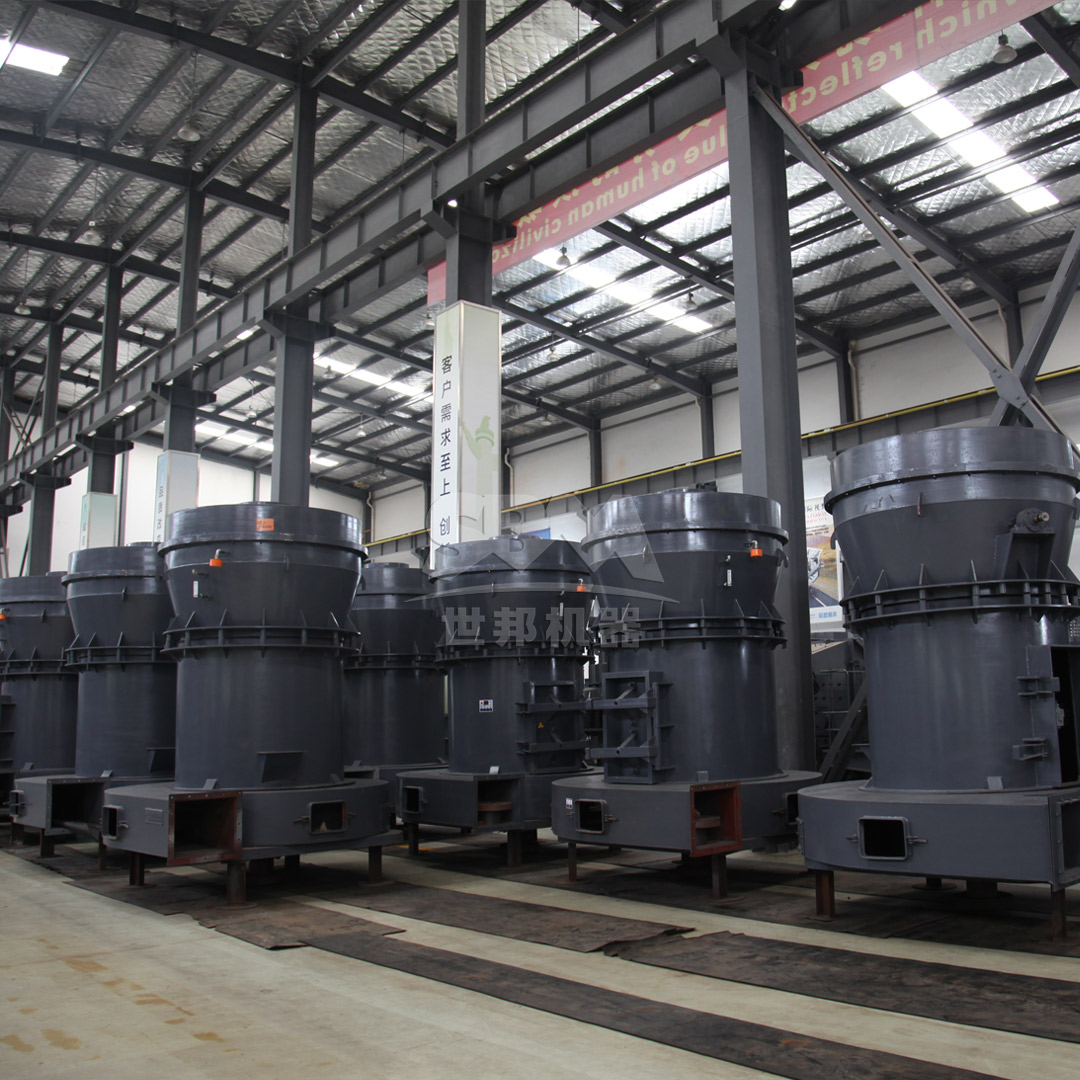
Successful integration of gypsum milling equipment requires careful consideration of:
Modern milling systems require specialized knowledge for optimal operation. Key training areas should include:
Selecting the appropriate grinding technology is crucial for ornamental plasterwork manufacturers seeking to produce premium decorative elements. The ability to consistently generate gypsum powders with tightly controlled particle size distribution directly impacts product quality, workability, and final appearance.
For operations focused exclusively on high-end ornamental applications, the SCM Ultrafine Mill series provides the precision, efficiency, and reliability necessary to compete in this demanding market. The technology’s ability to produce powders from 325-2500 mesh (D97 ≤ 5μm) with exceptional consistency makes it particularly well-suited for decorative plasterwork where surface quality is paramount.
By matching mill selection to specific production requirements and quality objectives, manufacturers can optimize their operations for both technical performance and economic viability in the competitive ornamental plasterwork market.