The efficient combustion of petroleum coke (petcoke) in power generation is critically dependent on achieving the optimal particle size distribution. As a byproduct of oil refining, petcoke possesses high calorific value but presents unique grinding challenges due to its hardness, abrasiveness, and variable moisture content. Selecting the appropriate grinding technology is not merely an operational decision but a strategic one, directly impacting fuel preparation costs, combustion efficiency, emissions control, and overall plant profitability. This article explores the key considerations in mill selection and highlights advanced technological solutions for maximizing petcoke grinding efficiency.

Unlike coal, petroleum coke is harder and more difficult to pulverize. The goal of grinding is to increase the surface area exposed to oxygen during combustion, ensuring complete burnout and maximizing energy yield. An excessively coarse grind leads to unburned carbon losses, increased slagging, and higher particulate matter emissions. Conversely, an overly fine grind consumes excessive energy, increasing operational costs and potentially creating dust handling and explosion hazards. The target fineness for most utility boilers is typically 70-80% passing 200 mesh (74 microns). Achieving this consistently requires a mill capable of handling petcoke’s specific properties with precision and reliability.
Several milling technologies are employed in power plants, each with distinct advantages and limitations for petcoke application.
| Mill Type | Typical Output Fineness | Key Advantages | Considerations for Petcoke |
|---|---|---|---|
| Ball Mill | 0.074 – 0.8mm | Robust, reliable, wide size range | High energy consumption, high wear, noisy |
| Vertical Roller Mill (VRM) | 30 – 325 mesh | High energy efficiency, low noise, integrated drying | High initial investment, skilled maintenance |
| Hammer Mill | 0 – 3mm | Simple design, high capacity, good for pre-crushing | Limited fineness control, high wear on hammers |
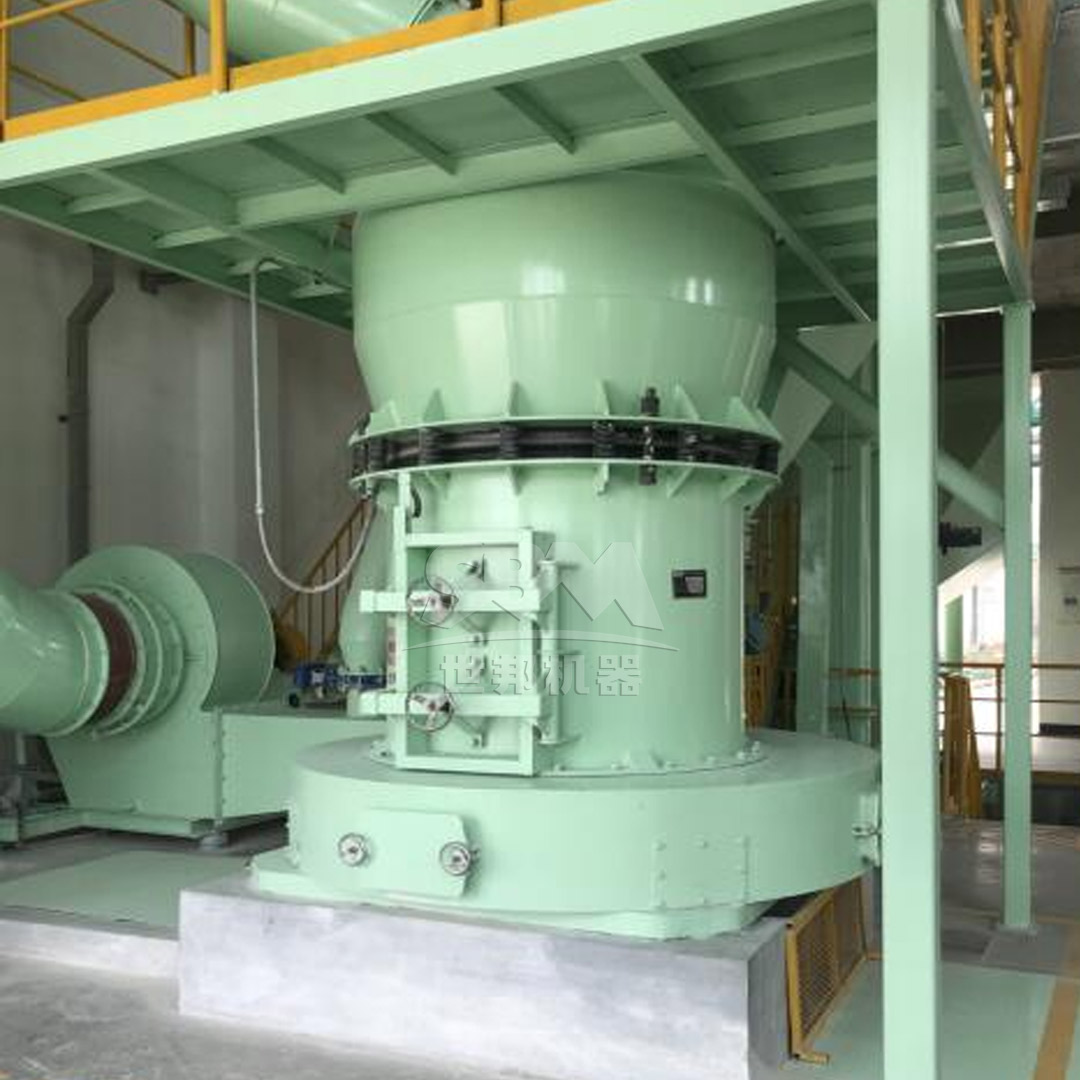
For modern power plants seeking the best balance of efficiency, product quality, and operational cost, Vertical Roller Mills (VRMs) and advanced Ultrafine Mills have emerged as the preferred technologies.
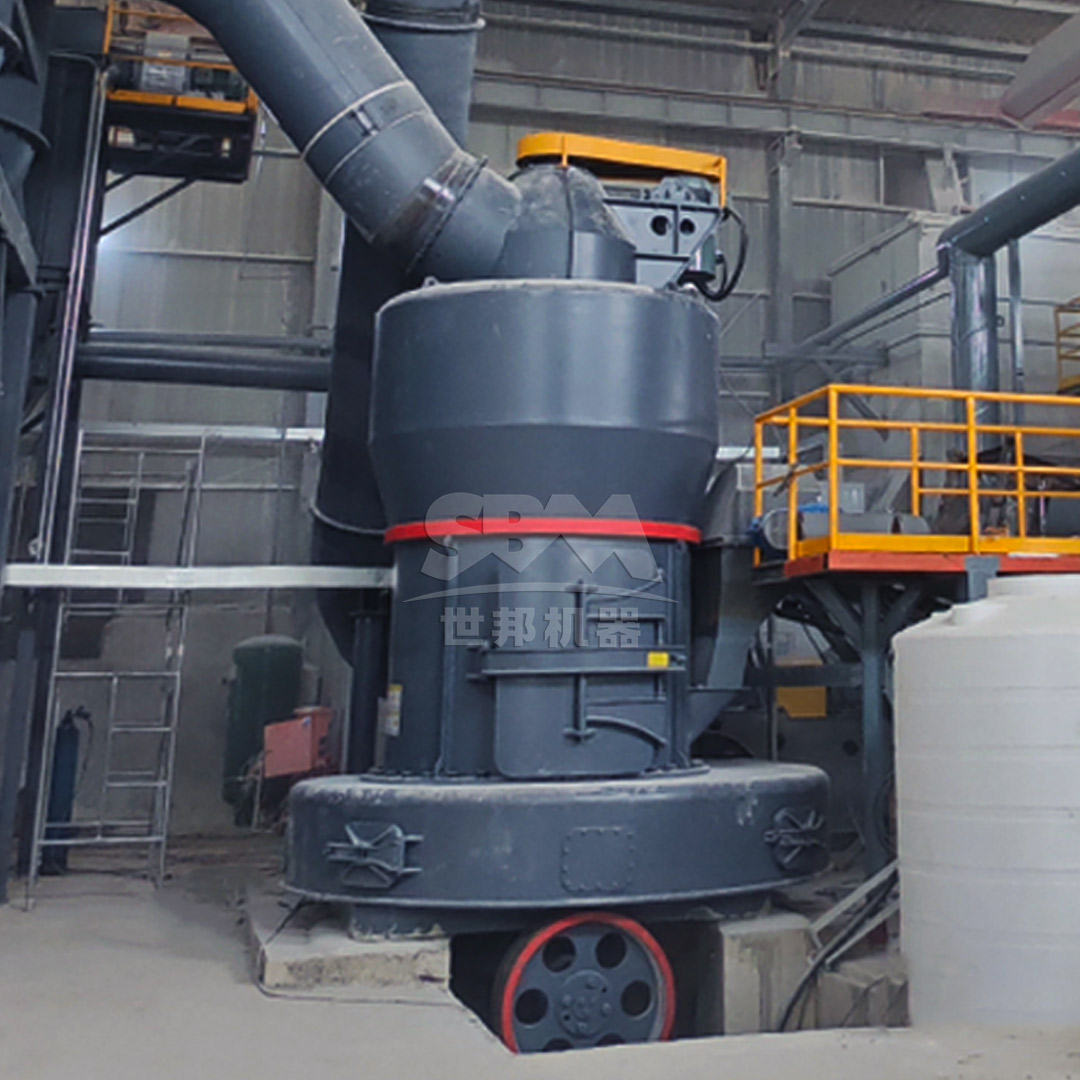
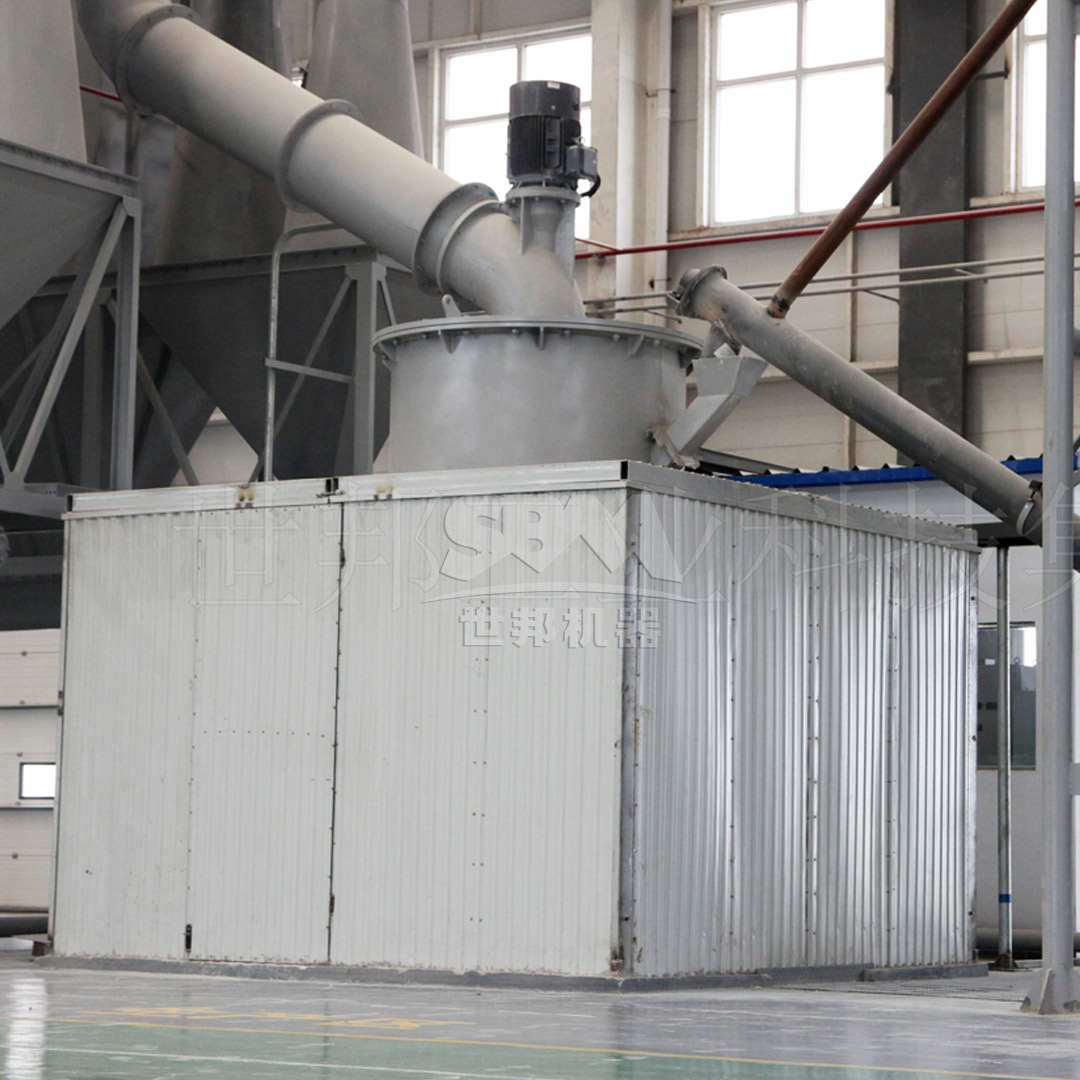
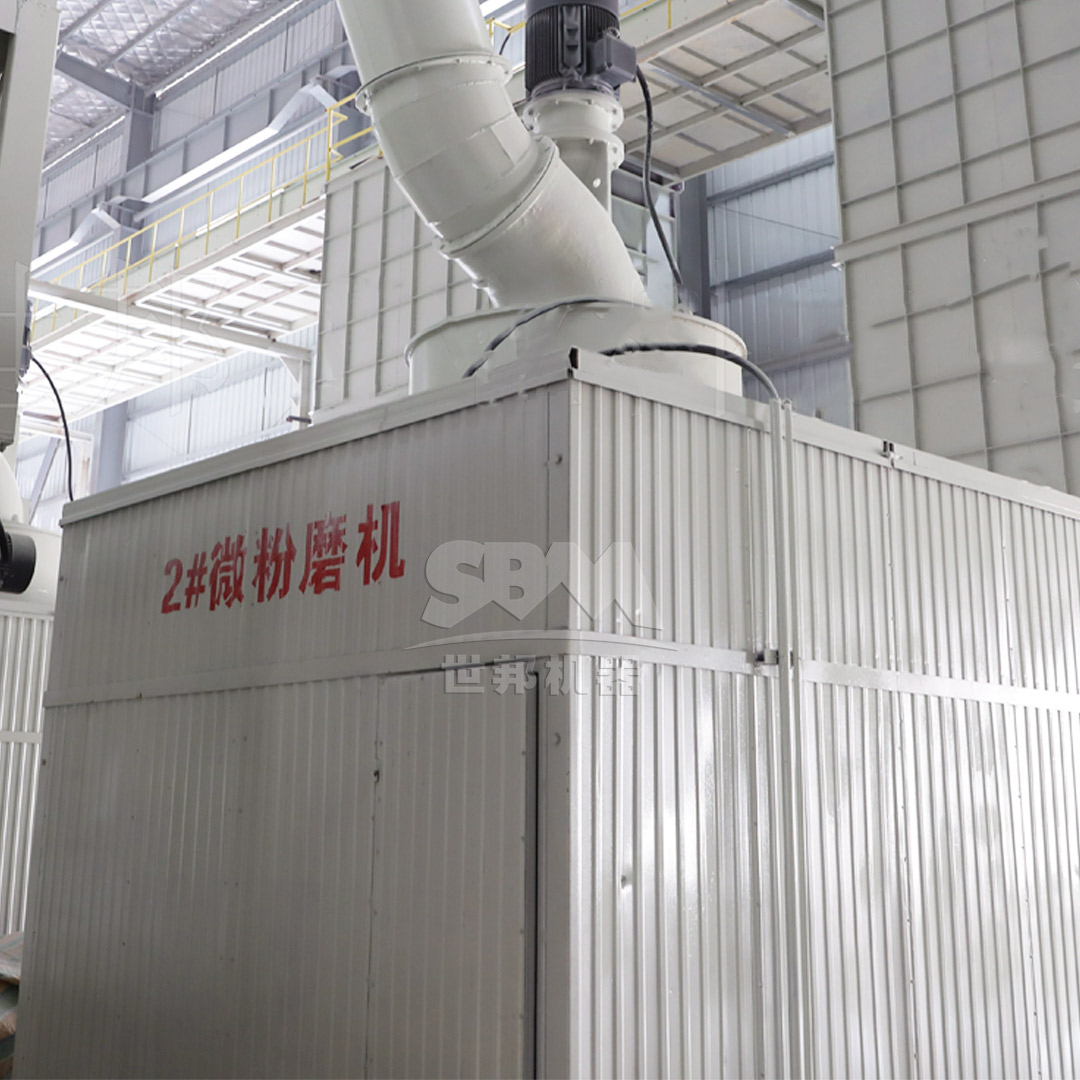
For power plants aiming to achieve the highest levels of efficiency and control in petcoke preparation, specialized mills offer significant advantages. Our SCM Ultrafine Mill is engineered to meet these demanding requirements.
This mill is specifically designed for processing hard, abrasive materials like petroleum coke to very fine and consistent particle sizes, which is crucial for enhancing combustion efficiency and reducing emissions.
Technical Advantages for Petcoke Grinding:
Model Recommendation: For medium to large-scale power plant applications, the SCM1250 model is an ideal choice. With a handling capacity of 2.5-14 tons per hour and powered by a 185kW motor, it efficiently processes feed sizes up to 20mm, delivering a finely tuned product between 325 and 2500 mesh.
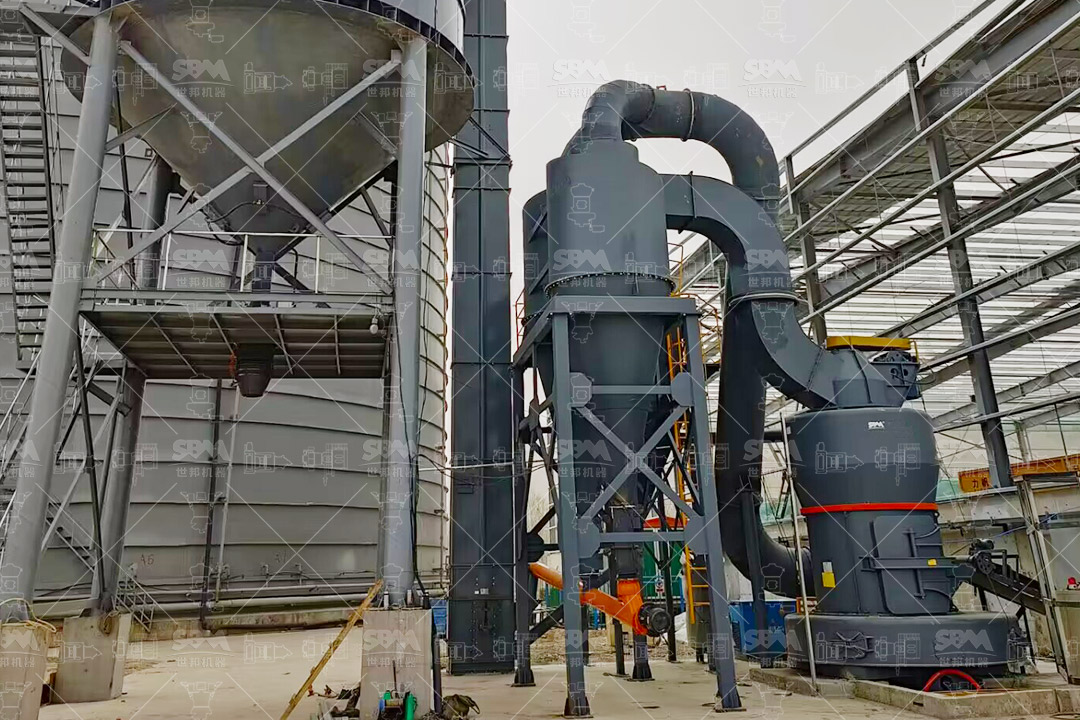
For power plants with very high capacity requirements or those looking for a solution that integrates coarse crushing with fine grinding, our MTW Series Trapezium Mill presents a robust alternative. Its curved air duct and wear-resistant shovel design minimize energy loss and maintenance costs, handling feed sizes up to 50mm with capacities ranging from 3 to 45 tons per hour. The MTW215G model, with a 280kW main motor and 45-ton/hour capacity, is particularly suited for large-scale fuel preparation circuits.
The selection of a grinding mill for petroleum coke is a decisive factor in the operational and economic performance of a power plant. It requires a careful analysis of petcoke properties, desired product fineness, capacity requirements, and total cost of ownership. While traditional technologies like ball mills are still in use, the shift towards more efficient, intelligent, and durable solutions like Vertical Roller Mills and advanced Ultrafine Mills is unmistakable. Investing in the right technology, such as the SCM Ultrafine Mill, pays dividends through significantly lower energy consumption, reduced maintenance downtime, superior combustion performance, and compliance with environmental standards, ultimately securing a more efficient and sustainable power generation operation.