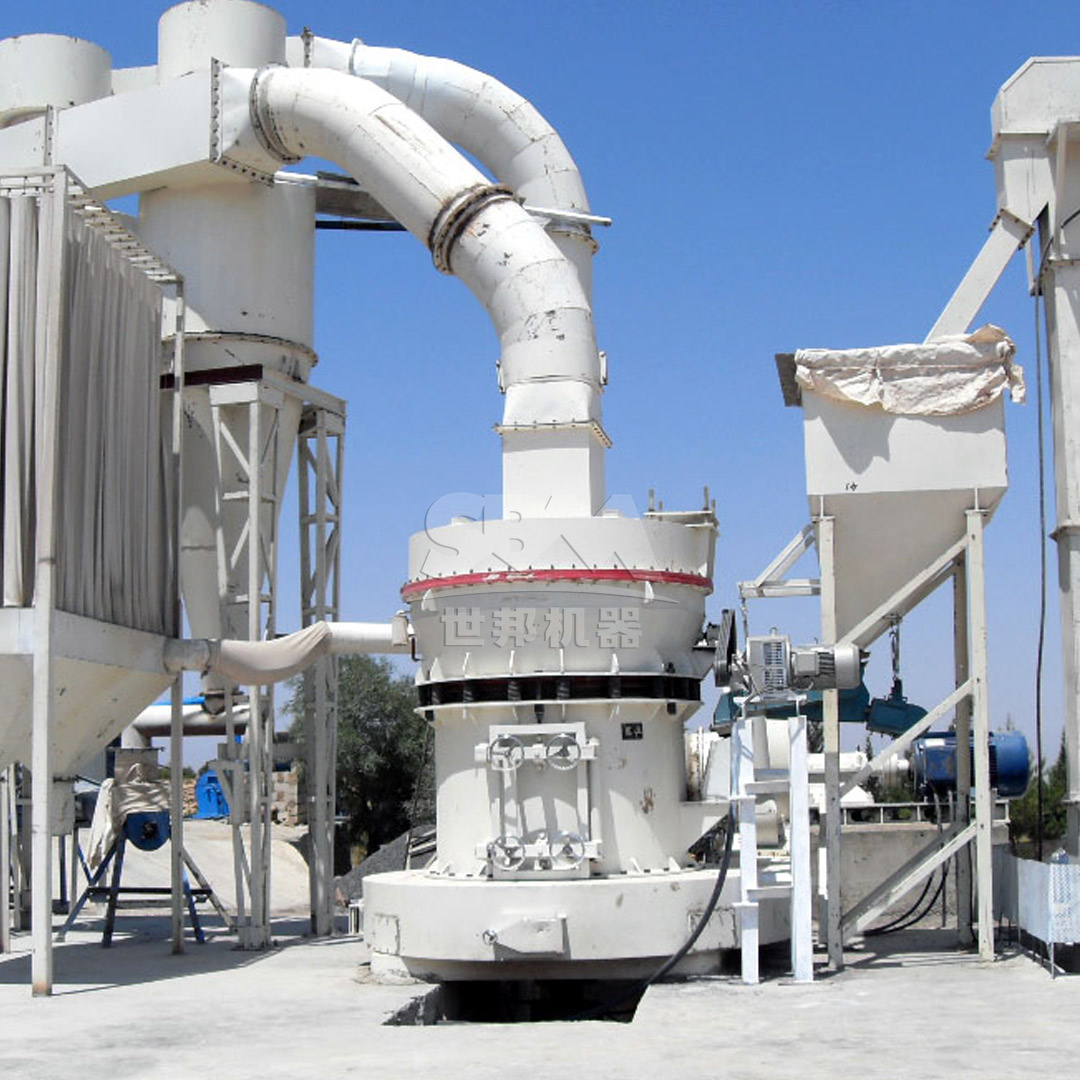
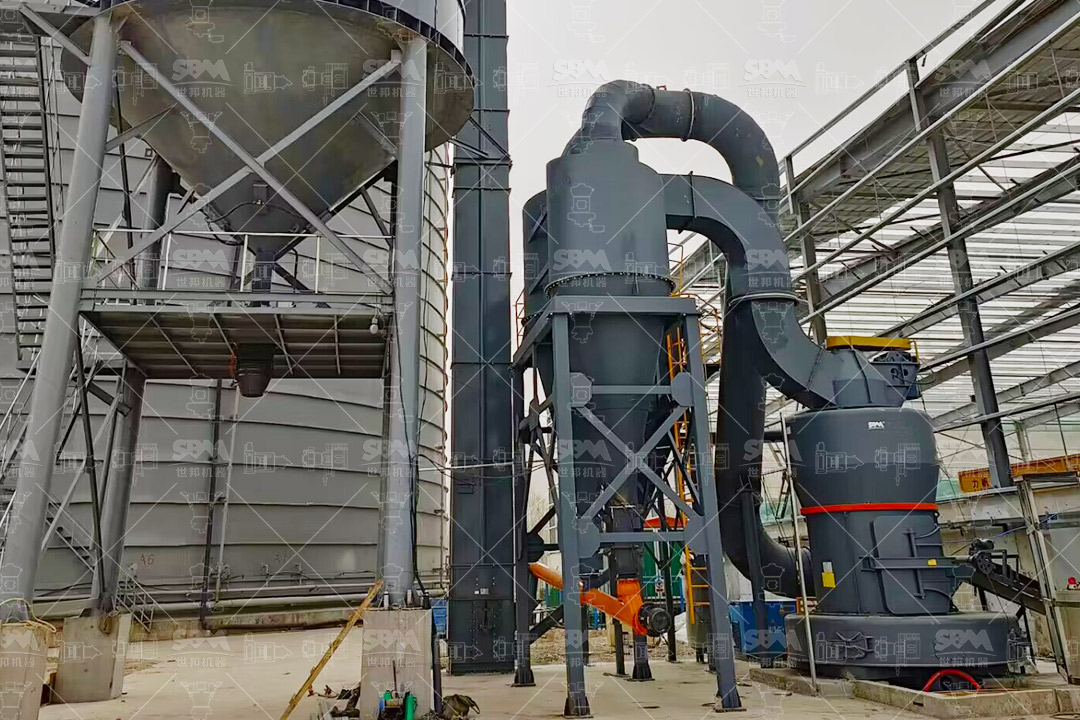
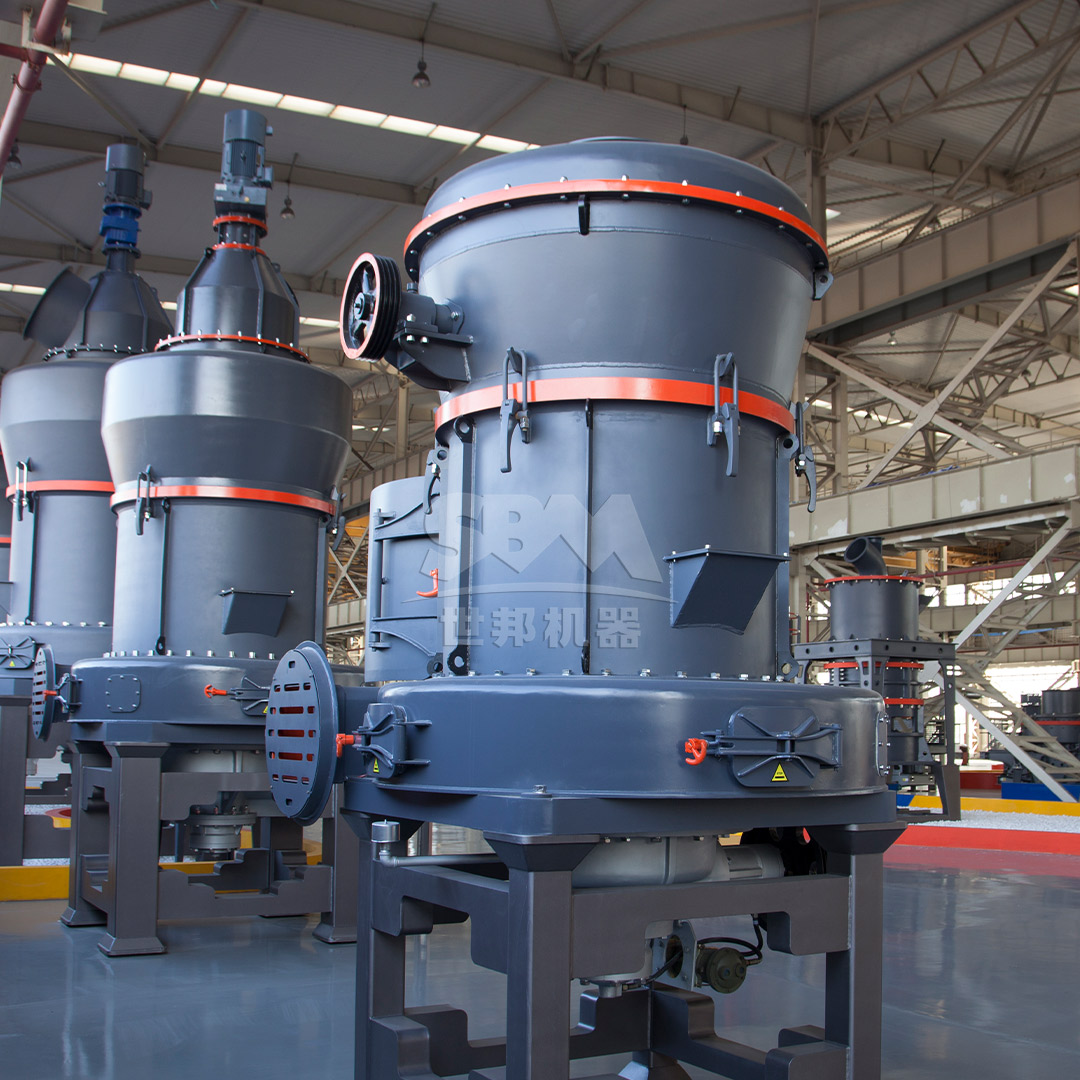
The production of high-purity quartz powder is a cornerstone of numerous advanced industries, including electronics, optics, solar photovoltaics, and high-performance composites. Achieving the stringent requirements for particle size distribution, purity, and consistency in these applications demands more than just a grinding mill; it requires a meticulously optimized system. This guide delves into the critical aspects of configuring a quartz grinding system for peak performance, focusing on process flow, equipment selection, and operational parameters to maximize efficiency, yield, and product quality.
Quartz (SiO₂) is a hard, abrasive mineral with a Mohs hardness of 7. Its crystalline structure makes it resistant to fracture, leading to high energy consumption during comminution. The primary challenges in quartz grinding include:
A well-designed system must address these challenges through robust equipment design, intelligent process layout, and precise control.
A complete and efficient quartz processing line typically consists of several key stages: primary crushing, secondary crushing/coarse grinding, fine/ultra-fine grinding, classification, and dust collection.
| Processing Stage | Target Size | Key Equipment Function | System Integration Focus |
|---|---|---|---|
| Primary Crushing | <50mm | Reduce raw ore to manageable size. | Feed consistency, dust suppression. |
| Secondary Crushing / Coarse Grinding | 0-3mm / 30-100 mesh | Prepare feedstock for fine grinding. | Efficiency, minimizing over-grinding. |
| Fine / Ultra-fine Grinding | 325-2500 mesh (45-5μm) | Achieve final product fineness. | Energy efficiency, particle shape control, contamination prevention. |
| Precision Classification | D97 control | Separate on-spec powder; return oversize. | Cut-point accuracy, system stability. |
| Dust Collection & Product Conveying | – | Capture product, ensure clean operation. | Collection efficiency, system pressure balance. |
Stage 1 & 2: Pre-Grinding Preparation
Efficient fine grinding starts with optimally sized feed. A jaw crusher followed by a hammer mill or an efficient coarse grinder like the MTW Series Trapezium Mill is ideal. The MTW mill, with its robust construction and high capacity (up to 45 TPH), can efficiently reduce quartz to below 3mm or even directly to coarse powder, providing a uniform and consistent feed for the downstream ultra-fine mill. Its curved duct design minimizes air resistance and energy loss, while the integral gear transmission ensures stable, high-efficiency operation.
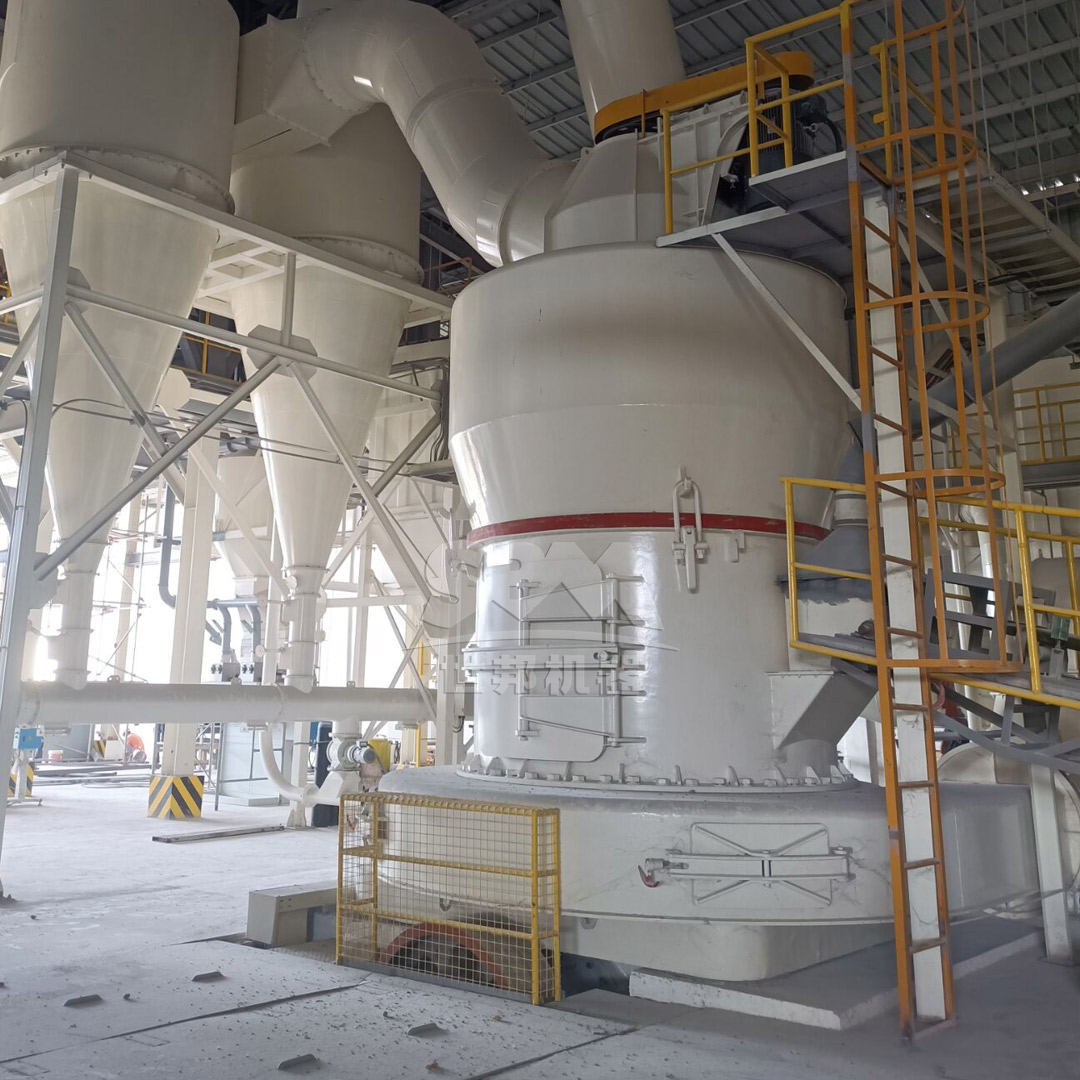
Stage 3: The Heart of the System – Fine/Ultra-fine Grinding
This is the most critical and energy-intensive stage. For producing high-value quartz powder in the 325 to 2500 mesh range (5μm), traditional ball mills are inefficient and prone to contamination. The modern solution is an advanced vertical roller mill designed for ultra-fine applications.
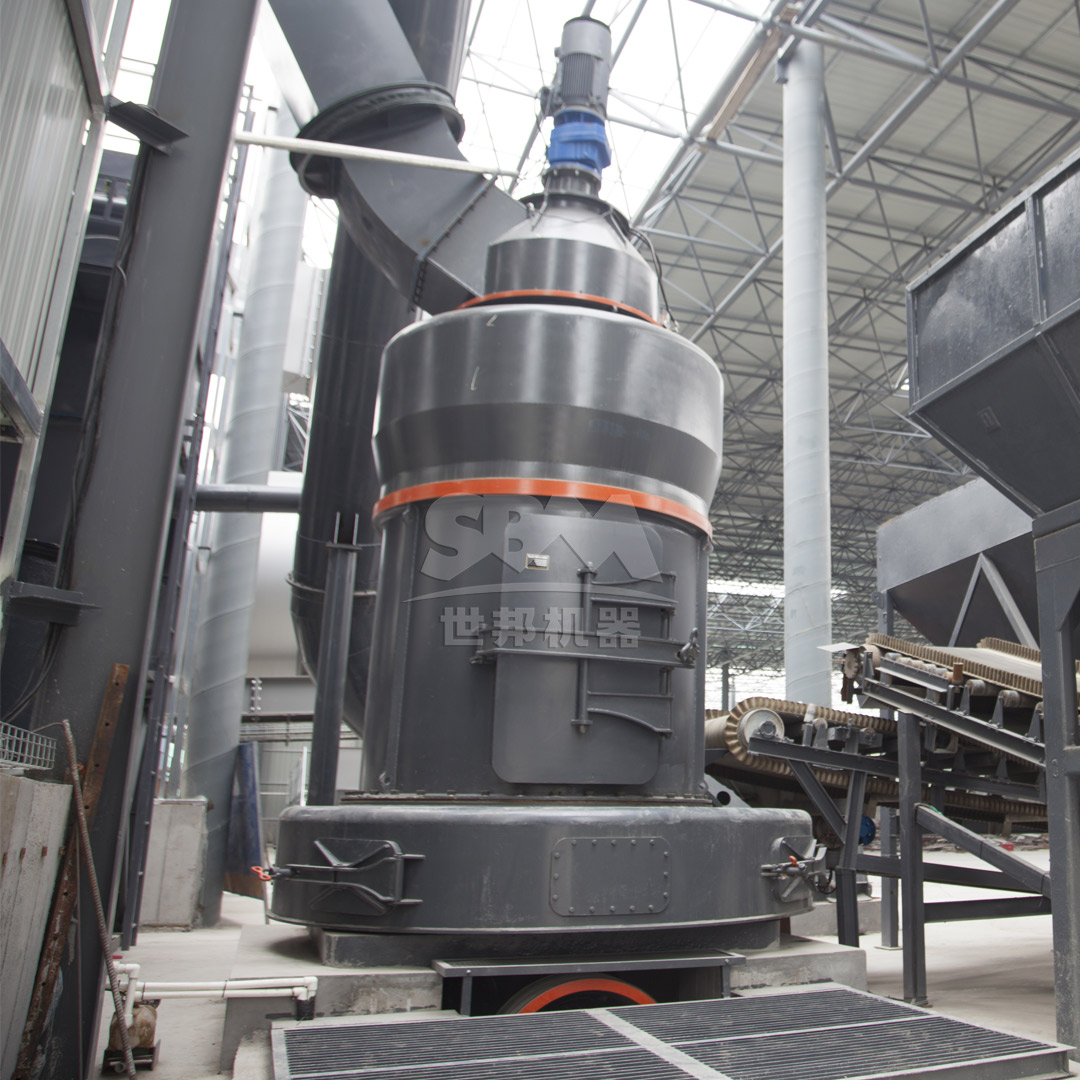
For this purpose, we highly recommend our flagship SCM Series Ultrafine Mill. Engineered specifically for materials like quartz, it represents a leap in grinding technology. Its core advantages directly tackle quartz grinding challenges:
Stage 4 & 5: Classification and Collection
The classifier is not a separate unit but an integral part of the SCM mill’s closed-circuit design. Ground powder is carried by airflow to the classifier, where oversized particles are rejected and returned for further grinding. The on-spec fine powder is then efficiently collected by a high-efficiency cyclone and final bag filter. This closed-loop system is crucial for maximizing yield and controlling the top-size of the product.
Configuring the equipment is only half the battle. Optimizing the process parameters is essential for sustained efficiency.
| Parameter | Influence on Process | Optimization Goal |
|---|---|---|
| Feed Rate & Size | Determines load on mill, affects product fineness and output. | Maintain consistent, optimal feed within mill specification (e.g., ≤20mm for SCM). |
| Grinding Pressure (for roller mills) | Directly impacts grinding force, energy use, and wear rate. | Adjust to find balance between target fineness, throughput, and roller life. |
| Classifier Speed | Controls the cut-point (D97) of the final product. | Fine-tune to achieve exact particle size distribution; higher speed = finer product. |
| System Airflow | Carries powder, affects internal circulation and classification efficiency. | Balance to ensure proper material transport without excessive energy use or poor classification. |
| Cooling | Manages heat generated from grinding. | Implement air or water cooling to protect product quality and equipment. |
An optimized system is also a maintainable one. Regular inspection of wear parts like grinding rollers and classifier blades is vital. The modular design of mills like the SCM and MTW allows for easier replacement, minimizing downtime. Furthermore, the system’s inherent energy efficiency and low waste generation contribute directly to sustainable production goals, reducing both operational costs and environmental footprint.
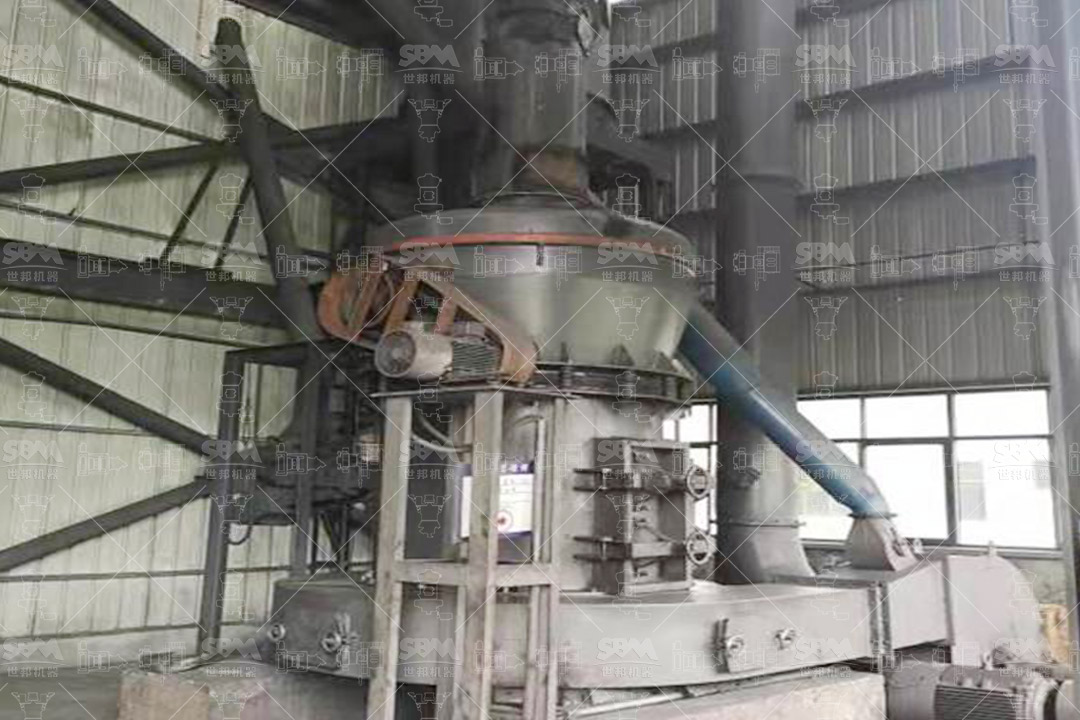
Maximizing efficiency in quartz grinding is a systematic endeavor. It begins with selecting the right equipment that matches your target product specifications and capacity needs. A two-stage grinding approach using a robust MTW Series Trapezium Mill for coarse preparation followed by the precision and efficiency of the SCM Series Ultrafine Mill for final refinement provides an unbeatable combination for producing high-quality quartz powder. By integrating these mills into a well-designed system and carefully controlling operational parameters, producers can achieve significant gains in productivity, product quality, and cost-effectiveness, securing a competitive edge in the advanced materials market.