In the modern mineral processing and powder production industries, operational efficiency and profitability are intrinsically linked to the seamless integration of material handling, pre-processing, and grinding. While much attention is rightfully given to the core grinding equipment, the upstream logistics of raw material supply—encompassing transportation, storage, pre-crushing, and feeding—constitute a critical, yet often under-optimized, component of the production chain. Inefficiencies in this area can lead to bottlenecks, inconsistent feed quality, increased energy consumption, and accelerated wear on downstream equipment, ultimately eroding profit margins. This article explores a holistic approach to optimizing raw material logistics, with a focus on creating a stable, controlled, and efficient feed stream for grinding plants, and highlights how selecting the right grinding technology can amplify these benefits.
A typical raw material logistics chain for a grinding plant involves several key stages:
Disruptions or variability at any of these stages directly impact the grinding circuit. For instance, inconsistent feed size or moisture content forces the mill to operate sub-optimally, leading to power spikes, reduced throughput, and off-spec product.
| Logistics Stage | Common Challenges | Impact on Grinding | Optimization Goal |
|---|---|---|---|
| Pre-Crushing | Wide feed size distribution, occasional oversize, high wear on crushers | Unstable mill load, inefficient grinding action, potential blockages | Consistent, controlled feed size (e.g., <30-50mm) |
| Storage & Feeding | Segregation, bridging/ratholing in silos, erratic feed rates | Fluctuating mill power draw, poor product uniformity, manual intervention required | Steady, metered flow of homogeneous material |
| Material Characteristics | Variable hardness, moisture, abrasiveness | Unpredictable wear rates, changing energy consumption, fineness control issues | Stable feed properties through blending and pre-processing |
The choice of grinding mill is not independent of the upstream logistics. In fact, a mill designed to handle a degree of feed variability and larger input sizes can significantly simplify and reduce the cost of the preceding crushing and handling stages. This is where the concept of integrated system design becomes paramount.
For large-scale operations processing materials like limestone, slag, or clinker, a robust primary crusher (like a jaw or gyratory crusher) is essential. However, the secondary crushing stage can often be optimized or its requirements relaxed by selecting a grinding mill with a generous feed size tolerance.
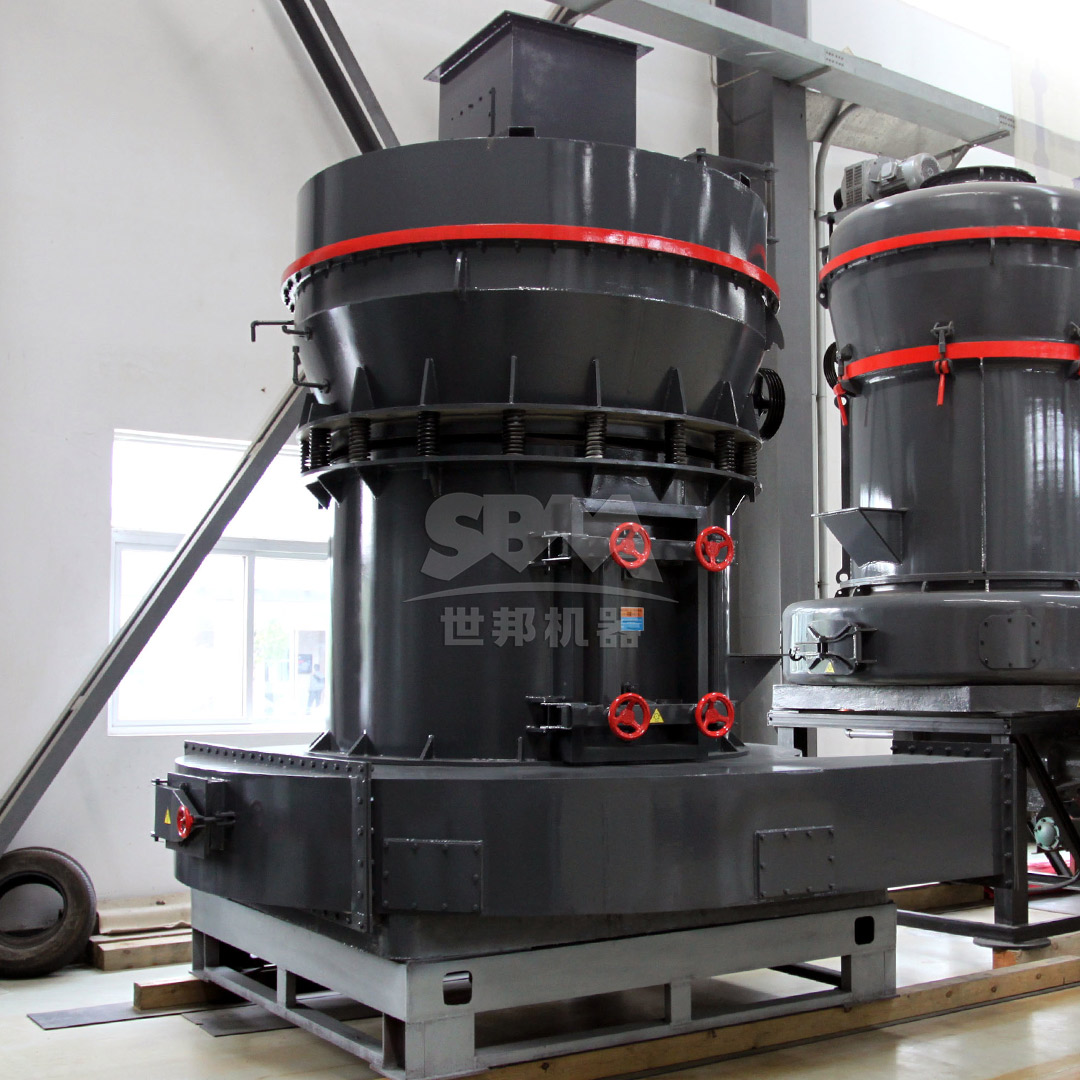
Consider a plant targeting a final product in the range of 30-325 mesh (45-600μm). A traditional approach might require a multi-stage crushing circuit to achieve a very fine feed (<10mm) for a ball mill. A more efficient, modern approach leverages advanced vertical roller mill technology that can accept a coarser feed, thereby streamlining logistics.
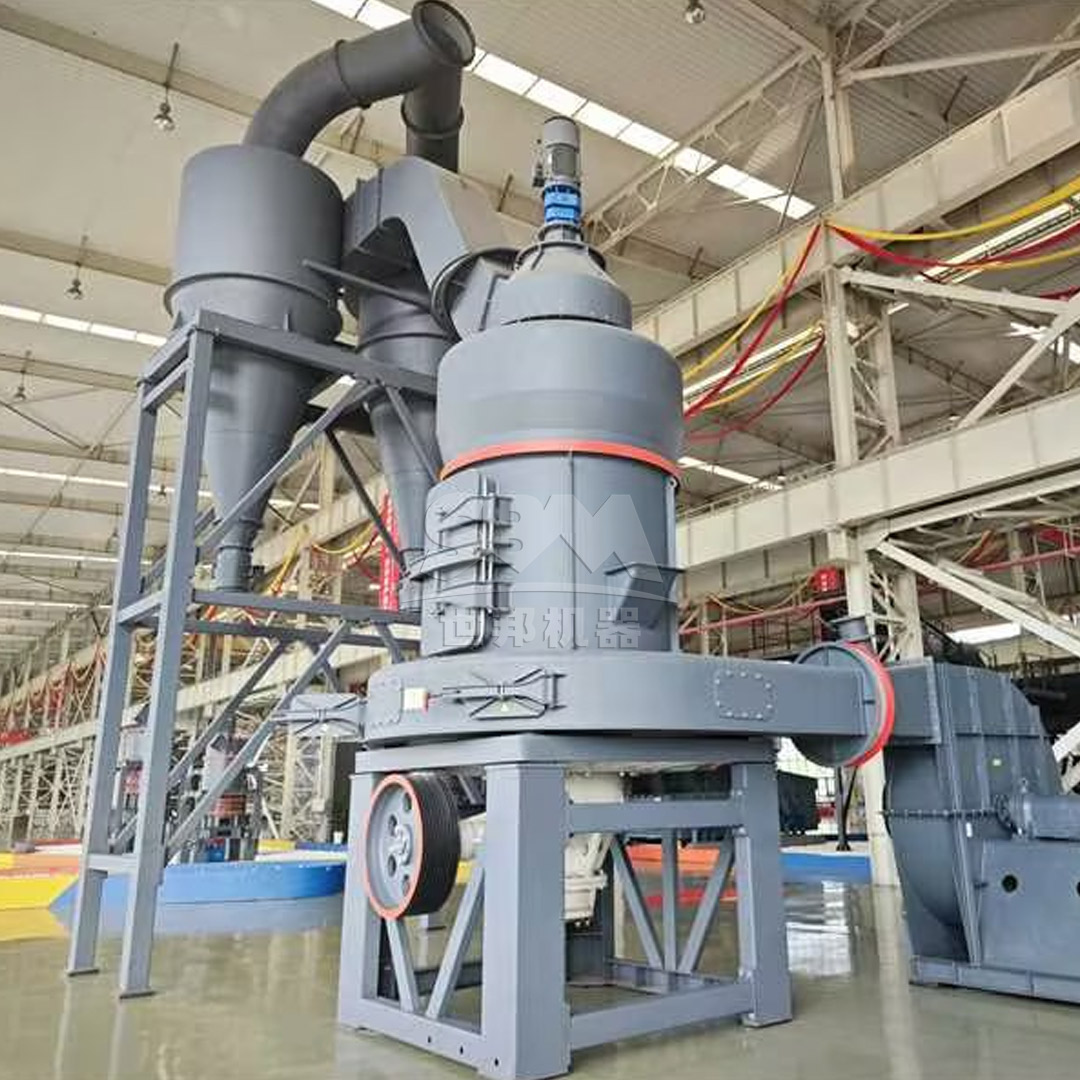
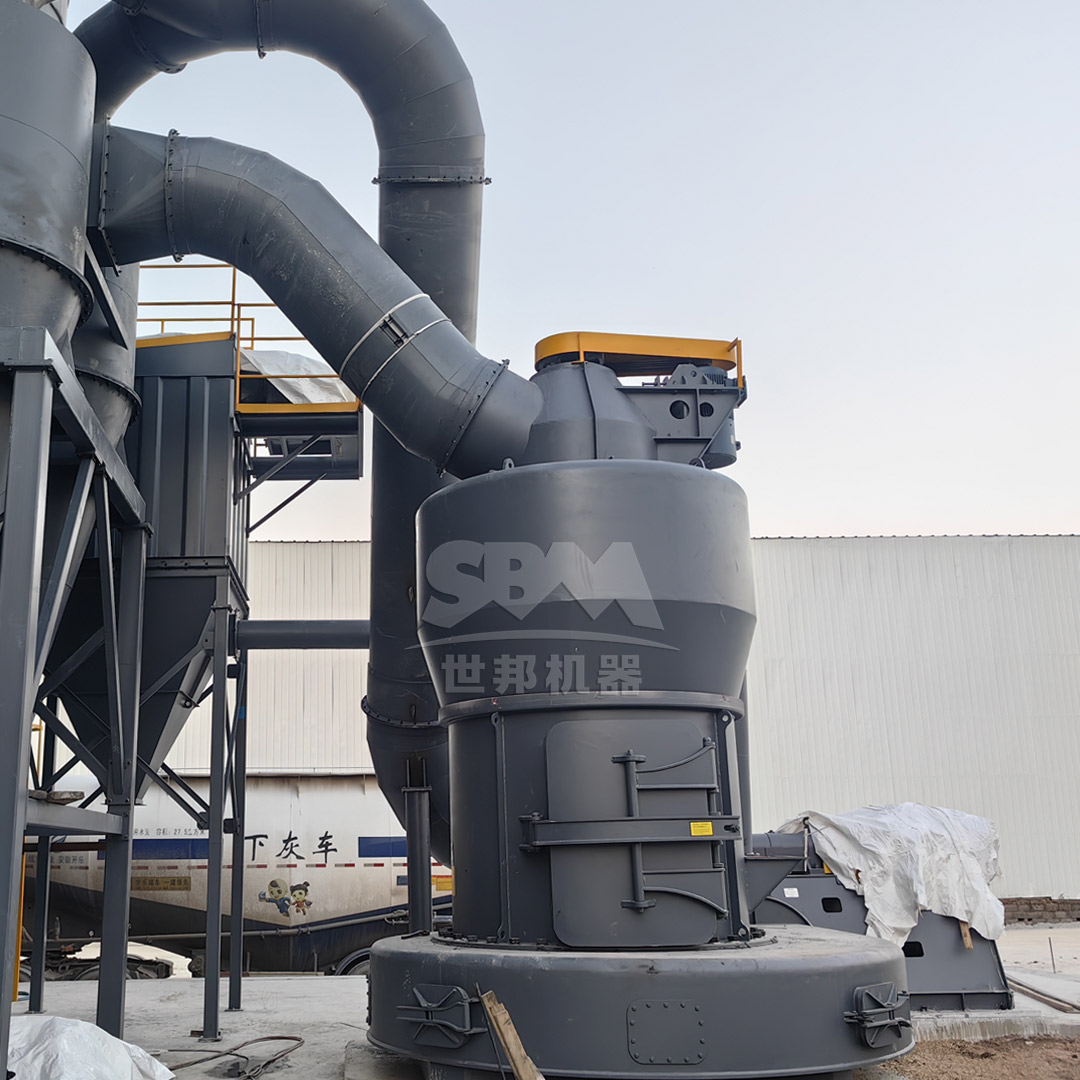
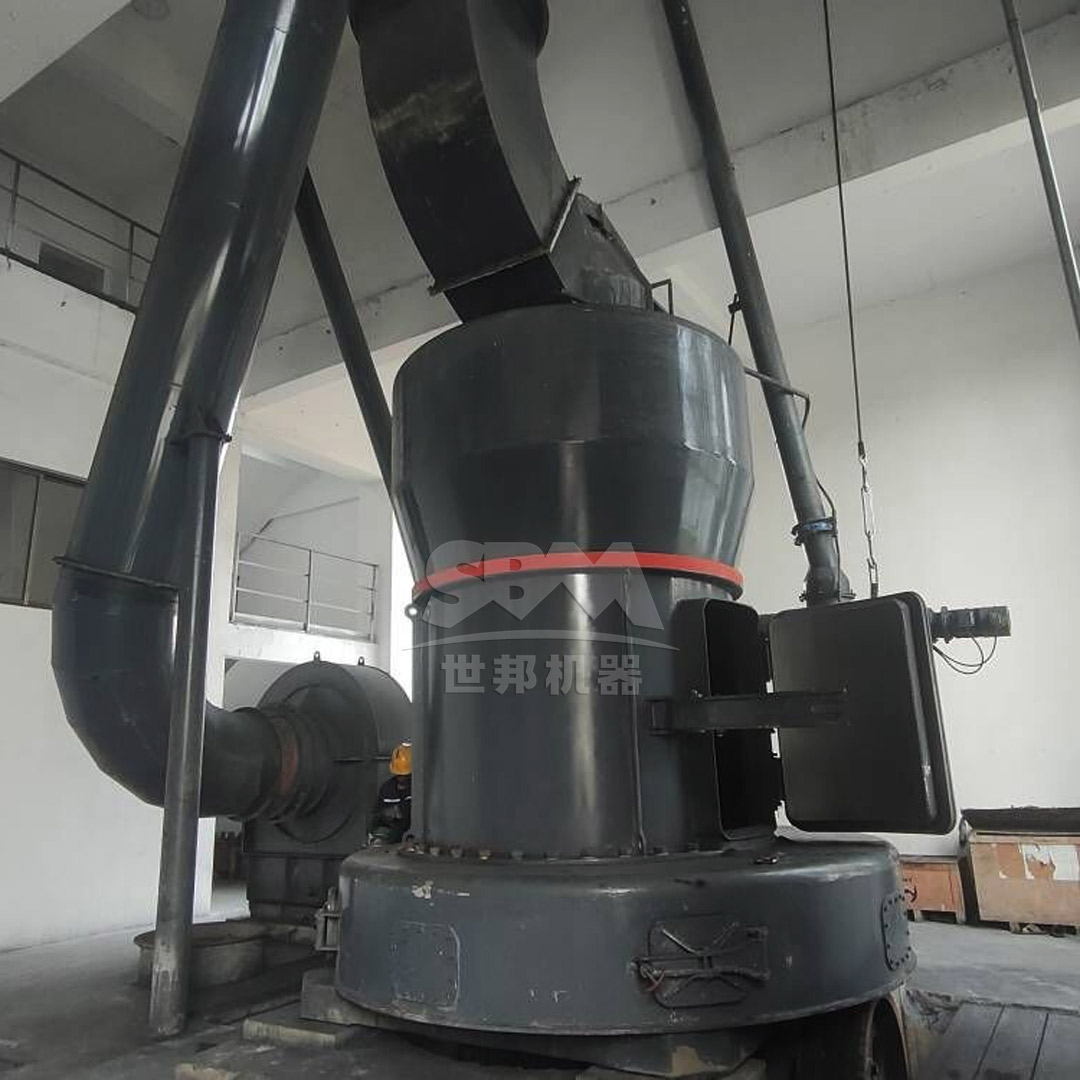
Our LM Series Vertical Roller Mill exemplifies this principle of logistics-friendly design. Its core advantages directly address and mitigate upstream challenges:
For example, the LM220K model, with a capacity of 36-105 t/h, accepting feed up to 50mm, and producing powder in the 80-325 mesh range, is an ideal centerpiece for a mid-to-large-scale plant. It transforms the logistics requirement from \”deliver perfectly sized, dry fines\” to \”deliver crushed, reasonably sized material,\” a far less demanding and costly objective.
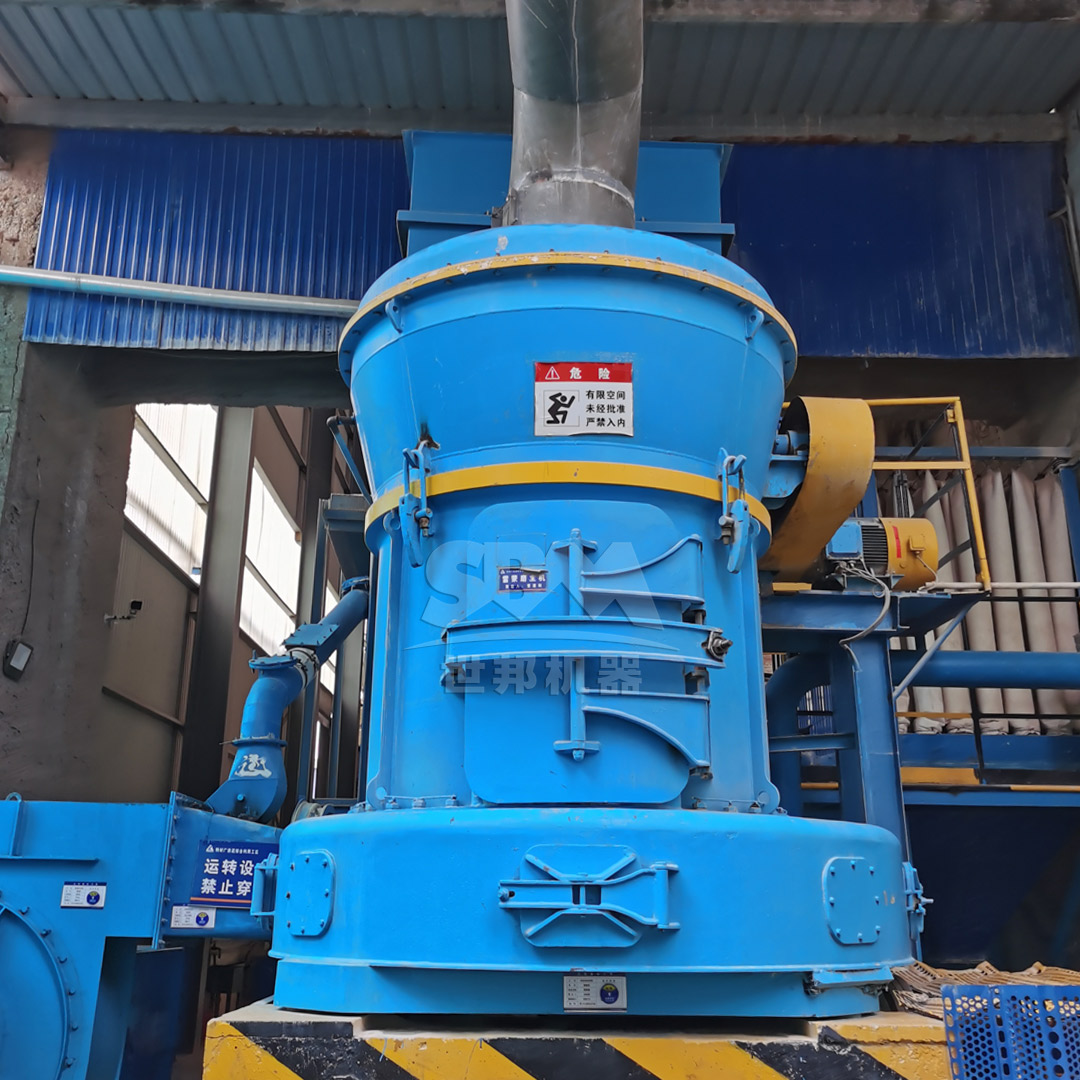
For ultra-high-capacity circuits, particularly in cement production, a specialized solution exists to drastically reduce the load on the downstream finishing ball mills. Our LM-Y Series Vertical Pre-grinding Roller Mill is designed for this exact purpose. It is installed upstream of ball mills to perform initial size reduction on clinker or other hard materials.
From a logistics perspective, this introduces a powerful tool:
Optimizing raw material logistics is not merely about moving material faster; it is about creating a stable, predictable, and appropriately conditioned feed stream tailored to the capabilities of the grinding heart of the plant. Investing in advanced grinding technology with forgiving feed characteristics, such as our LM Series Vertical Roller Mill, can yield a double return: it reduces the complexity and cost of the upstream logistics chain while simultaneously boosting grinding efficiency, product quality, and system reliability.
The most successful operations are those designed as integrated systems from the ground up. By considering the interplay between logistics and grinding technology during the planning phase, plant managers and engineers can unlock significant gains in productivity, sustainability, and profitability. The goal is a seamless flow where robust logistics enable optimal mill performance, and intelligent mill design, in turn, simplifies logistical demands.