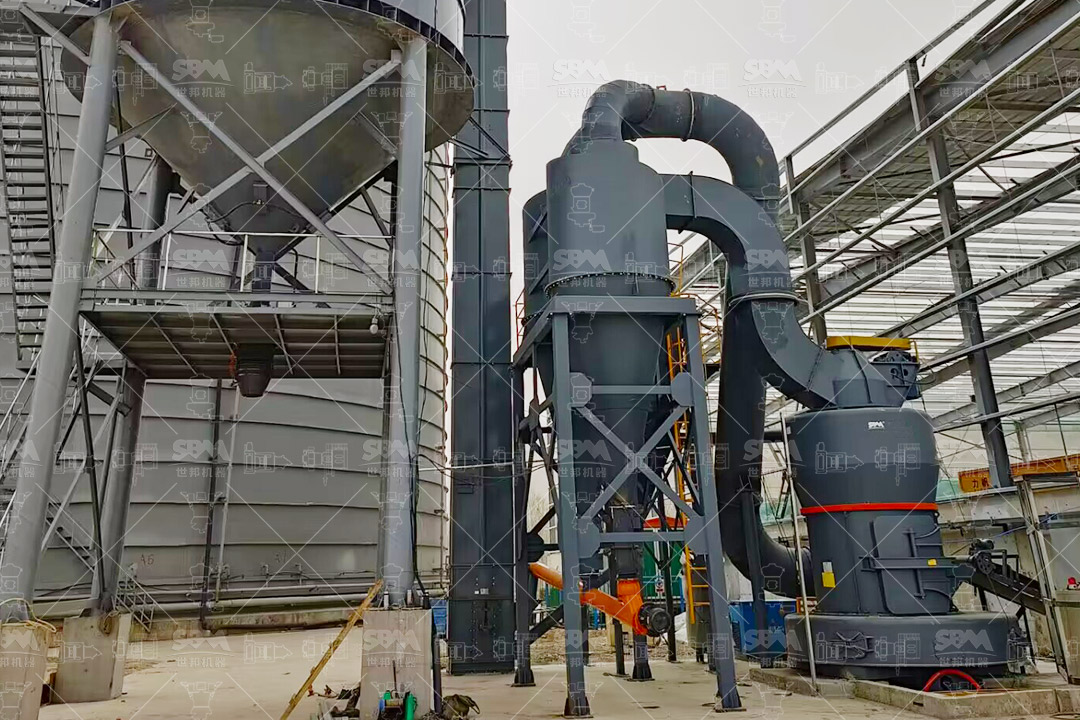
The production of high-quality glass powder, a critical raw material for industries ranging from construction and automotive to electronics and specialty glass, demands precision, efficiency, and consistency. The grinding process is central to achieving the desired particle size distribution, chemical purity, and physical properties. Among various grinding technologies, Vertical Roller Mills (VRMs) have emerged as a superior solution, offering significant advantages in energy efficiency, product quality control, and operational flexibility. This article explores the key optimization strategies for VRMs in glass powder production and highlights advanced equipment solutions that can elevate production standards.
Glass powder fineness directly influences its reactivity, sintering behavior, packing density, and the final properties of the composite materials it forms. For most applications, a fine and tightly controlled particle size distribution (PSD) is paramount. Traditional ball mills, while capable, often suffer from high energy consumption, broad PSD, and limited control over the top particle size. VRMs address these shortcomings through their unique grinding mechanism, which applies pressure to a material bed rather than relying on impact and attrition alone. This results in a more energy-efficient process and a product with a steeper PSD curve, meaning fewer oversized particles.
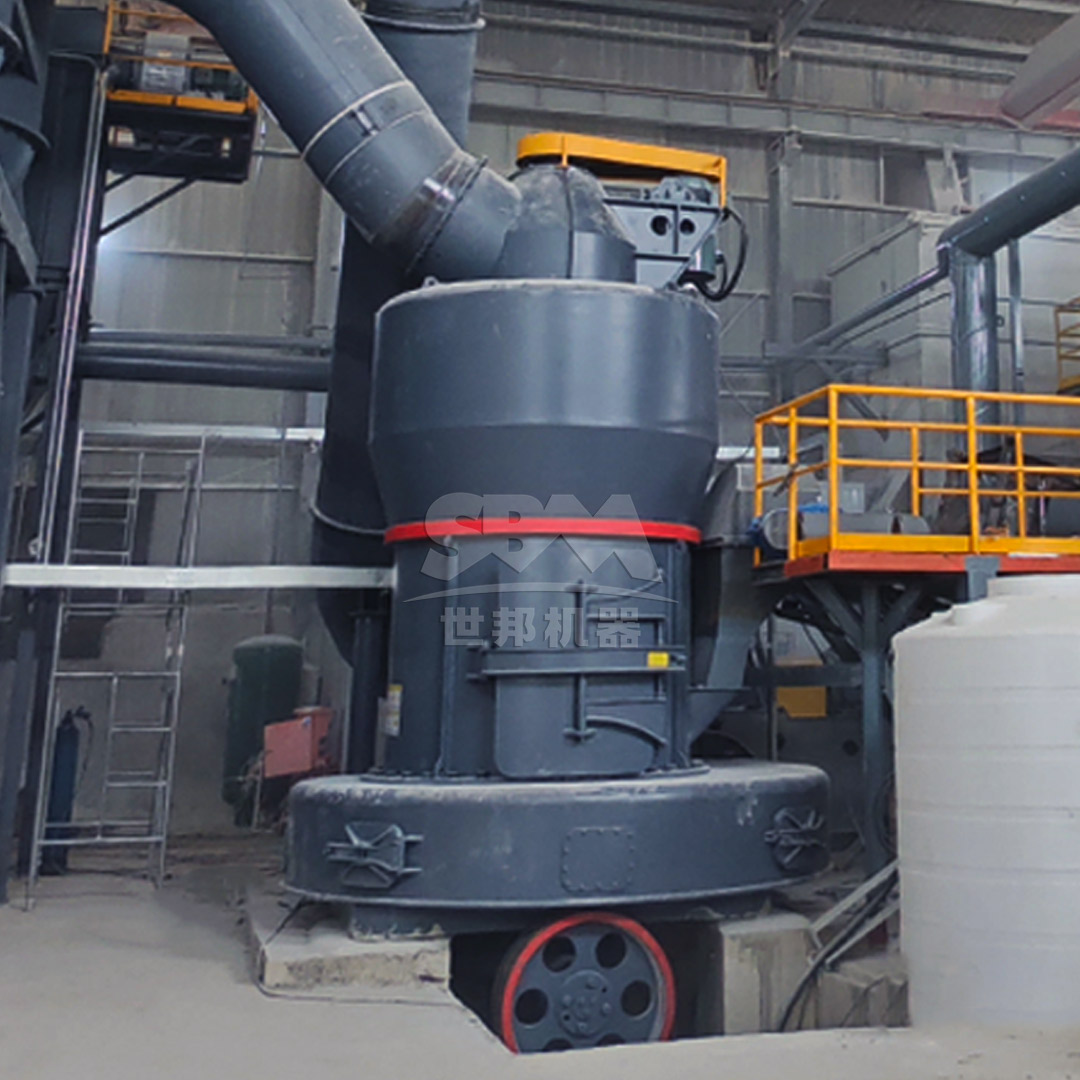
Optimizing a VRM for glass involves fine-tuning several interconnected parameters:
The hydraulic pressure applied to the grinding rollers is a primary control variable. For brittle materials like glass, an optimal pressure must be found—too low leads to insufficient breakage and recirculation, while too high can cause vibration (“mill chatter”) and excessive wear. A stable, well-compacted material bed is crucial for smooth operation and efficient power transmission.
The internal air classifier is the brain of the VRM for fineness control. The rotor speed dictates the cut point: finer products require higher speeds. Airflow volume must be balanced to ensure adequate material transport from the grinding zone to the classifier without causing excessive pressure drop or carrying coarse particles. Modern VRMs feature high-efficiency, forced vortex classifiers with adjustable rotor blades for precise separation.
A consistent and controlled feed rate is essential to maintain a stable grinding bed. The feed size should be pre-crushed to a suitable top size (typically <20-50mm). The moisture content of the glass feed must be minimal, as moisture can lead to agglomeration, clogging, and reduced classification efficiency. Often, a hot gas generator is integrated to provide drying capacity within the mill if needed.
Glass is abrasive. Optimizing the metallurgy and geometry of grinding rollers and table liners is critical for longevity and consistent product quality. Advanced VRMs use composite wear materials like high-chromium cast iron or ceramic inserts. Furthermore, the grinding curve profile is designed to maintain performance even as wear progresses.
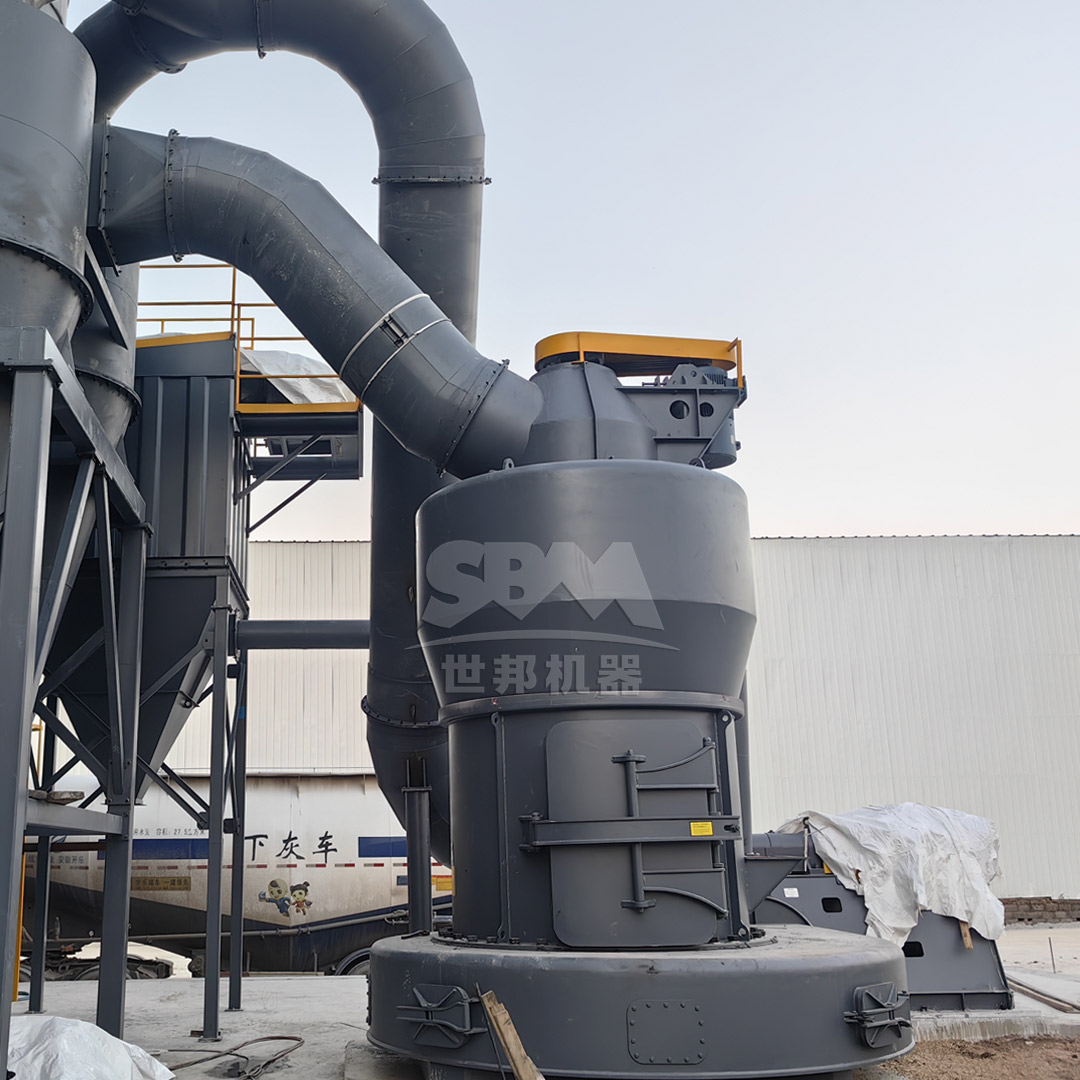
To meet the stringent demands of modern glass powder production, selecting a VRM built with the latest technological advancements is key. Our company’s LM Series Vertical Roller Mill embodies these optimizations, making it an ideal choice for high-volume, high-quality glass powder production.
The LM series excels through its integrated design, combining crushing, grinding, drying, and classification in a single unit, reducing footprint and energy losses. Its intelligent control system allows for expert-level automation, enabling real-time monitoring and adjustment of grinding pressure, classifier speed, and feed rate to maintain optimal conditions. This ensures a consistent product fineness, often ranging from 30 to 325 mesh (45-600μm), with special configurations capable of even finer outputs.
A standout feature for abrasive applications like glass is its low operating cost. The non-contact design between the roller and table during start-up and its use of ultra-durable wear parts extend service life significantly. Compared to traditional ball mill systems, the LM VRM can reduce energy consumption by 30-40%, a major factor in operational expenditure. Furthermore, its environmental performance is exemplary, operating under full negative pressure with dust emissions consistently below 20mg/m³ and noise levels under 80dB(A).
| Model Example | Grinding Disc Diameter | Max. Feed Size | Output Fineness | Capacity Range | Main Motor Power |
|---|---|---|---|---|---|
| LM190K | 1900mm | ≤45mm | 170-40μm (80-400 mesh) | 23-68 t/h | 500 kW |
| LM220K | 2200mm | ≤50mm | 170-45μm (80-325 mesh) | 36-105 t/h | 800 kW |
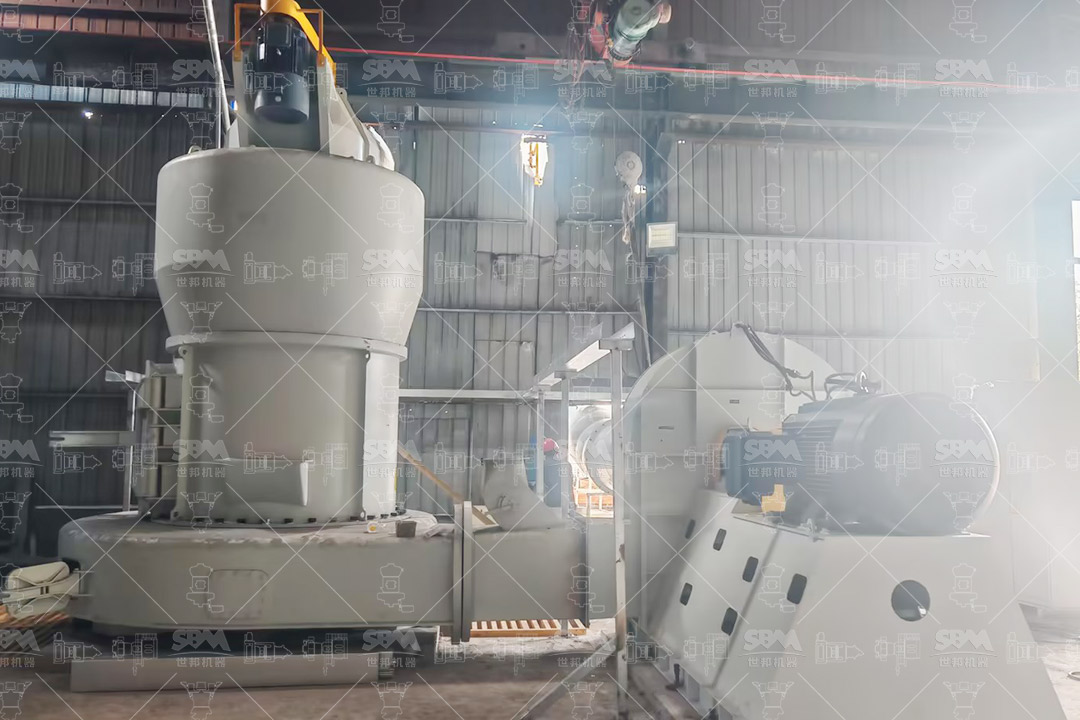
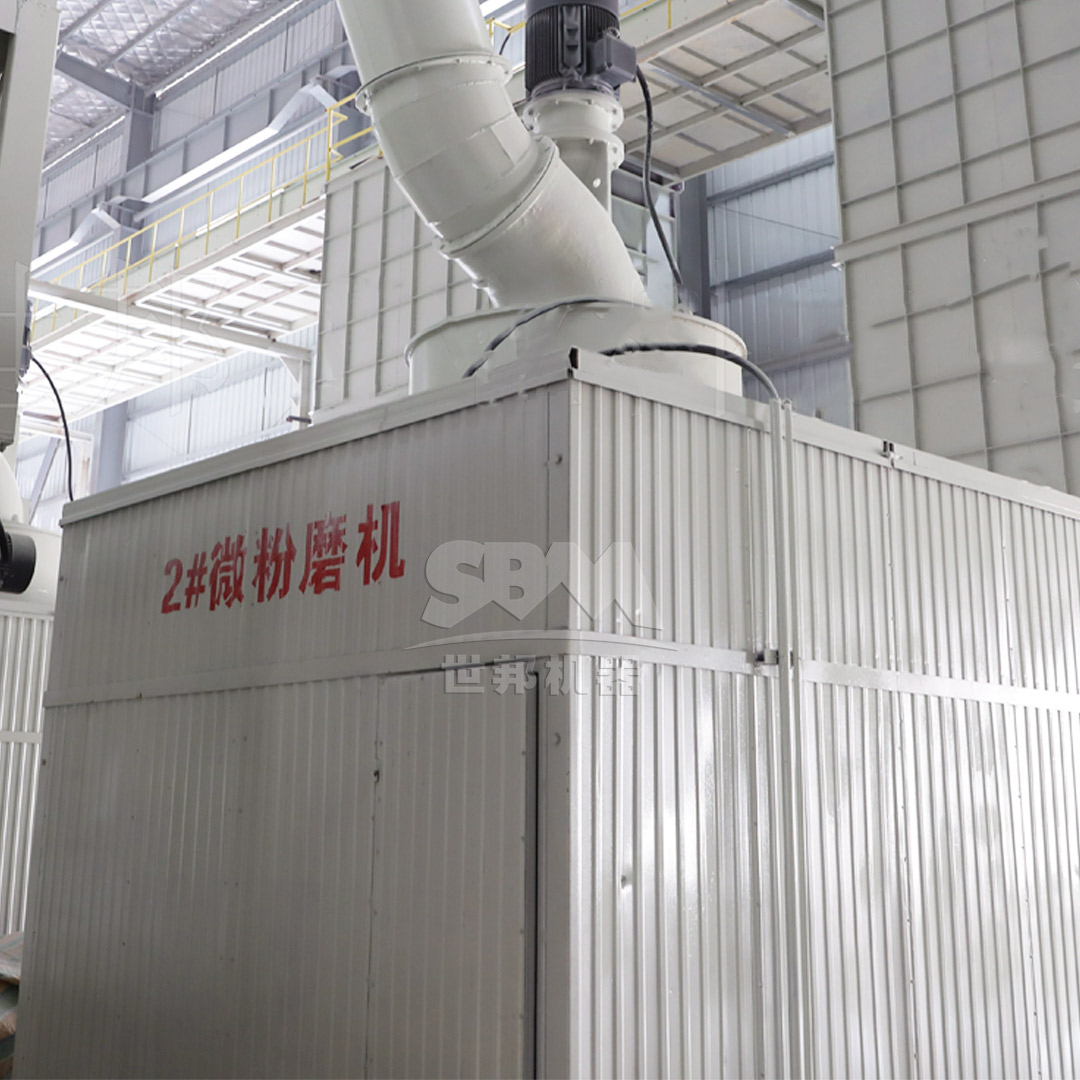
For applications requiring ultra-fine glass powder (e.g., for electronic substrates, high-performance coatings, or advanced composites), standard VRMs may reach their limit. In this domain, dedicated ultra-fine grinding technology is required. Our SCM Series Ultrafine Mill is specifically engineered for this purpose, capable of producing powders in the range of 325 to 2500 mesh (45-5μm D97).
The SCM mill’s superiority lies in its high-precision grading system. A vertical turbine classifier ensures sharp particle size cuts, eliminating coarse powder contamination and delivering a highly uniform product. Its efficient and energy-saving design offers twice the capacity of jet mills while reducing energy consumption by approximately 30%. The grinding chamber utilizes a special wear-resistant material for rollers and rings, and its innovative bearing-less screw design enhances operational stability for continuous ultra-fine production. For sensitive glass powder applications, its eco-friendly and low-noise operation, with pulse dust collection exceeding international standards and noise levels below 75dB, provides an excellent working environment.
Optimization extends beyond the mill itself. A well-designed system includes:
Regular maintenance based on condition monitoring (vibration, pressure differential, wear measurement) is crucial to prevent unplanned downtime and maintain product quality.
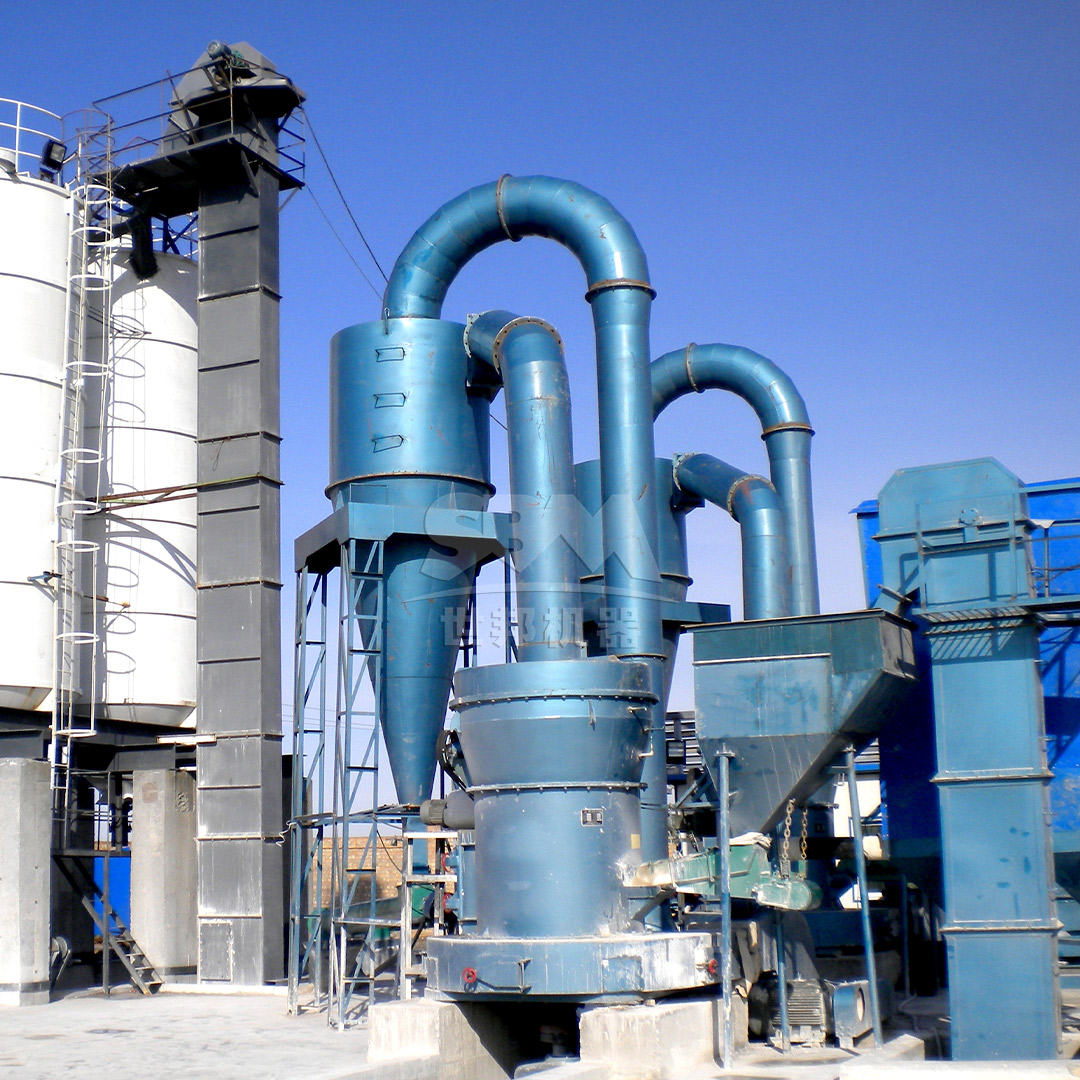
The optimization of Vertical Roller Mills for glass powder production is a multi-faceted endeavor focusing on grinding mechanics, classification accuracy, system stability, and wear management. By leveraging advanced VRM technology, such as our LM Series for high-capacity fine grinding and the SCM Ultrafine Mill for specialized ultra-fine applications, producers can achieve remarkable gains in energy efficiency, product quality, and environmental compliance. Investing in such optimized grinding solutions is not merely an equipment upgrade but a strategic move towards sustainable, cost-effective, and high-performance glass powder manufacturing.