
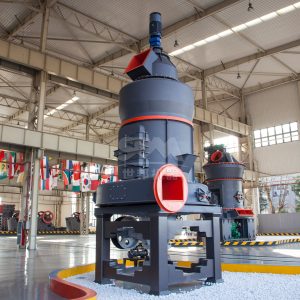
Introduction Coal gangue, a byproduct of coal mining and washing, represents a significant environmental and disposal challenge. However, with the advancement of processing technology, it has been transformed into a valuable resource for construction materials, power generation, and soil amendment. The key to unlocking this value lies in efficient and reliable processing equipment. This article […]
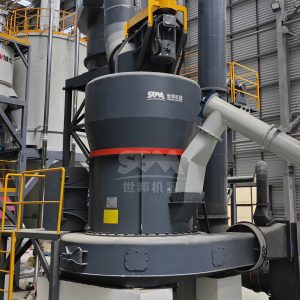
Lignite Processing Equipment: Key Machines for Drying and Size Reduction The efficient utilization of lignite, a low-rank coal with high moisture content and relatively low calorific value, hinges on effective preprocessing. Unlike higher-rank coals, lignite’s inherent properties—typically containing 25% to 60% moisture by weight—necessitate specialized equipment for drying and size reduction to enhance its handling, […]
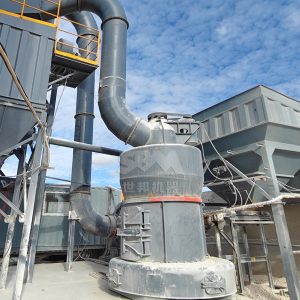
Introduction: The Critical Role of Grinding in Bituminous Coal Utilization Bituminous coal, a vital energy resource and industrial feedstock, requires precise size reduction to unlock its full potential. Whether for pulverized coal injection (PCI) in blast furnaces, combustion in power plants, or as a precursor for carbon materials, the efficiency of the grinding process directly […]
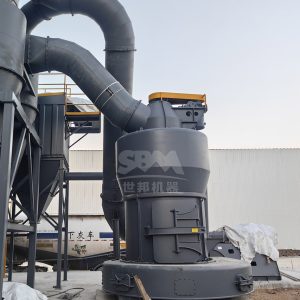
Introduction: The Critical Role of Coal Preparation In the modern power generation landscape, the efficiency, reliability, and environmental compliance of coal-fired power plants are paramount. While advancements in boiler technology and emissions control often capture the spotlight, the foundational process of coal preparation remains a critical determinant of overall plant performance. Efficient coal processing—crushing, grinding, […]
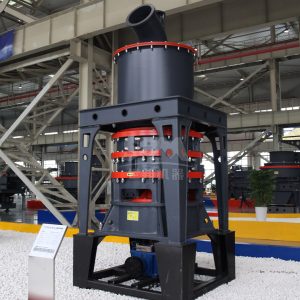
Introduction The processing of quartz stone, from raw mineral to the high-purity powders essential for industries like engineered stone, glass, ceramics, and electronics, demands a sophisticated array of specialized equipment. A well-designed production line is not merely a collection of machines; it is an integrated system where each stage—from primary crushing to ultra-fine grinding and […]
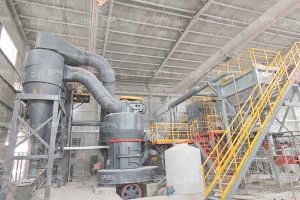
Introduction Water slag, a by-product of the iron and steel industry, has evolved from an industrial waste into a valuable resource, primarily as a supplementary cementitious material (SCM) in concrete. Its utilization not only reduces the environmental footprint of cement production but also enhances concrete properties such as durability, workability, and long-term strength. The key […]
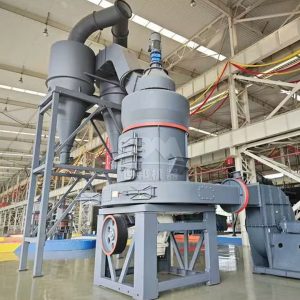
Introduction: The Imperative for Ceramic Waste Valorization The global ceramics industry, encompassing tiles, sanitaryware, tableware, and technical ceramics, generates substantial volumes of waste at various stages—from manufacturing rejects and off-cuts to post-consumer demolition debris. Traditionally landfilled, this inert yet bulky material represents a significant environmental burden and a lost economic opportunity. Modern recycling paradigms, however, […]
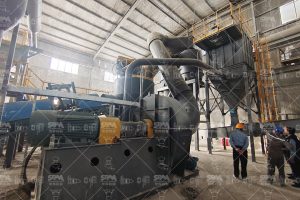
Introduction Pyrophyllite, a versatile aluminosilicate mineral prized for its low thermal expansion, high chemical inertness, and excellent dielectric properties, is a critical raw material for ceramics, refractories, paints, and polymers. Unlocking its full commercial potential hinges on efficient processing to achieve the desired fineness and purity. The selection of appropriate grinding technology is paramount, directly […]
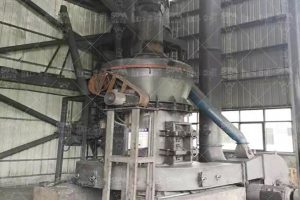
Introduction Feldspar, a group of rock-forming tectosilicate minerals, is one of the most abundant constituents of the Earth’s crust. Its widespread applications in the ceramics, glassmaking, and filler industries demand efficient and precise processing from raw ore to fine powder. The journey from mined feldspar to a market-ready product involves several critical stages: primary crushing, […]