
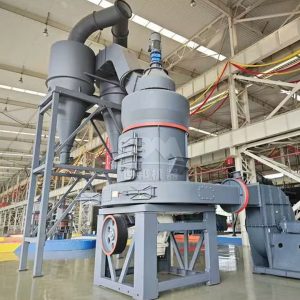
Introduction In the rubber manufacturing industry, the quality and performance of end products such as tires, seals, hoses, and industrial belts are heavily influenced by the fillers and additives used. Quartz stone powder, valued for its hardness, chemical stability, and reinforcing properties, has become a critical additive for improving the wear resistance, tensile strength, and […]
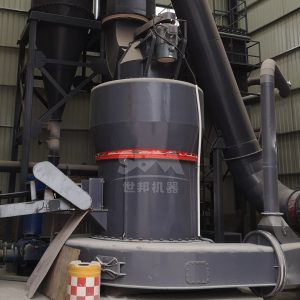
Introduction: The Rise of Quartz Additives in Plastics The modern plastics industry is increasingly turning to mineral additives to enhance product performance, reduce costs, and meet stringent environmental standards. Among these, quartz powder (silicon dioxide, SiO₂) stands out as a versatile and highly effective filler. When processed to the correct fineness and purity, quartz additives […]
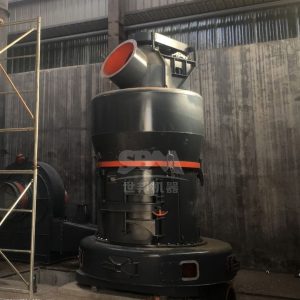
Introduction: The Growing Demand for 400 Mesh Quartz Powder Quartz powder with a fineness of 400 mesh (approximately 38 microns) is a critical raw material in industries ranging from electronics and ceramics to glass manufacturing and construction. Achieving this specific particle size consistently and efficiently requires specialized grinding equipment. As a leading manufacturer of industrial […]
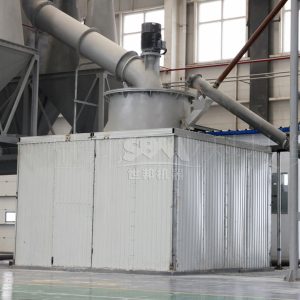
Introduction Quartz powder is a critical industrial mineral used extensively in glassmaking, ceramics, paints, electronics, and construction materials. For applications requiring a fineness of 300 mesh (approximately 48 microns), selecting the correct grinding mill is paramount to achieving product quality, operational efficiency, and cost-effectiveness. This article provides a professional guide to choosing the right grinding […]
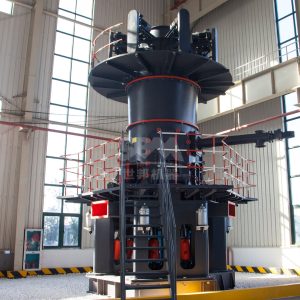
Introduction to 200 Mesh Quartz Powder Production In the mineral processing industry, 200 mesh quartz powder holds significant value across various sectors, including glass manufacturing, ceramics, foundry, construction, and electronics. Achieving consistent fineness of 200 mesh (approximately 74 microns) requires specialized grinding equipment that balances efficiency, precision, and durability. The production of high-quality quartz powder […]
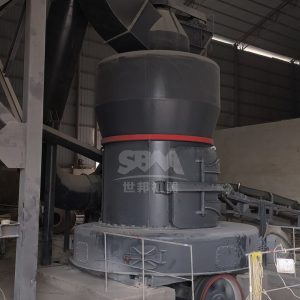
Introduction: The Evolution of Pulverized Coal Production In the modern industrial landscape, pulverized coal has become an indispensable fuel and raw material for industries ranging from power generation and cement production to metallurgy and chemical processing. The demand for high-efficiency, low-emission, and cost-effective milling solutions has never been greater. Industrial-grade pulverized coal production equipment must […]
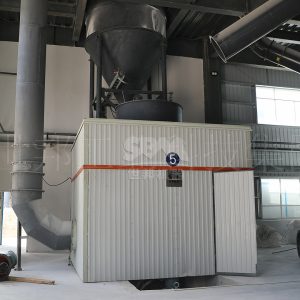
Introduction Hydrogenation liquefaction is a pivotal technology in the clean utilization of coal, transforming solid coal into high-quality liquid fuels and chemicals. A critical prerequisite for the efficiency and economy of this process is the production of ultra-fine coal powder with precise particle size distribution. The fineness, uniformity, and moisture content of the coal powder […]
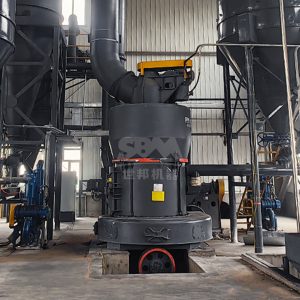
Introduction to Coking Coal Grinding Coking coal, also known as metallurgical coal, is a critical raw material in the steelmaking process. To produce high-quality coke, the coal must be ground to a precise and uniform particle size, typically ranging from 45 micrometers to 600 micrometers, depending on the specific requirements of the coke oven. Selecting […]
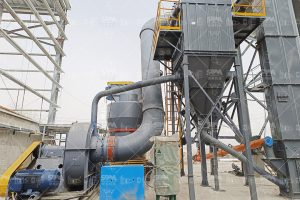
Introduction Coal gasification is a pivotal technology in the modern chemical and energy industries, converting solid coal into synthesis gas (syngas) for use in power generation, chemical synthesis, and fuel production. A critical prerequisite for efficient gasification is the production of high-quality coal powder with precise particle size distribution and uniform moisture content. The grinding […]