Coal gasification is a pivotal technology in the modern chemical and energy industries, converting solid coal into synthesis gas (syngas) for use in power generation, chemical synthesis, and fuel production. A critical prerequisite for efficient gasification is the production of high-quality coal powder with precise particle size distribution and uniform moisture content. The grinding and classification equipment used in this process directly impacts gasifier performance, carbon conversion rates, and overall operational costs. This article provides a comprehensive guide to the key technologies involved in coal powder production for gasification, offering a detailed selection guide for engineers and plant managers.
In entrained-flow gasifiers, which are the most common type for large-scale applications, coal must be ground into a fine powder (typically 70-90% passing through 200 mesh, or <74 μm) to maximize the surface area for rapid gasification reactions. Finer particles increase the reaction rate, improve carbon conversion, and reduce the amount of unreacted char. However, over-grinding can lead to excessive energy consumption and handling difficulties. Therefore, the selection of appropriate coal powder production equipment is a balance between achieving the required fineness, capacity, and energy efficiency.
The process generally involves primary crushing, feeding, grinding, classification, and collection. The heart of the system is the mill, which must withstand the abrasive nature of coal while providing consistent output. Key considerations include the coal’s Hardgrove Grindability Index (HGI), moisture content, and required throughput.
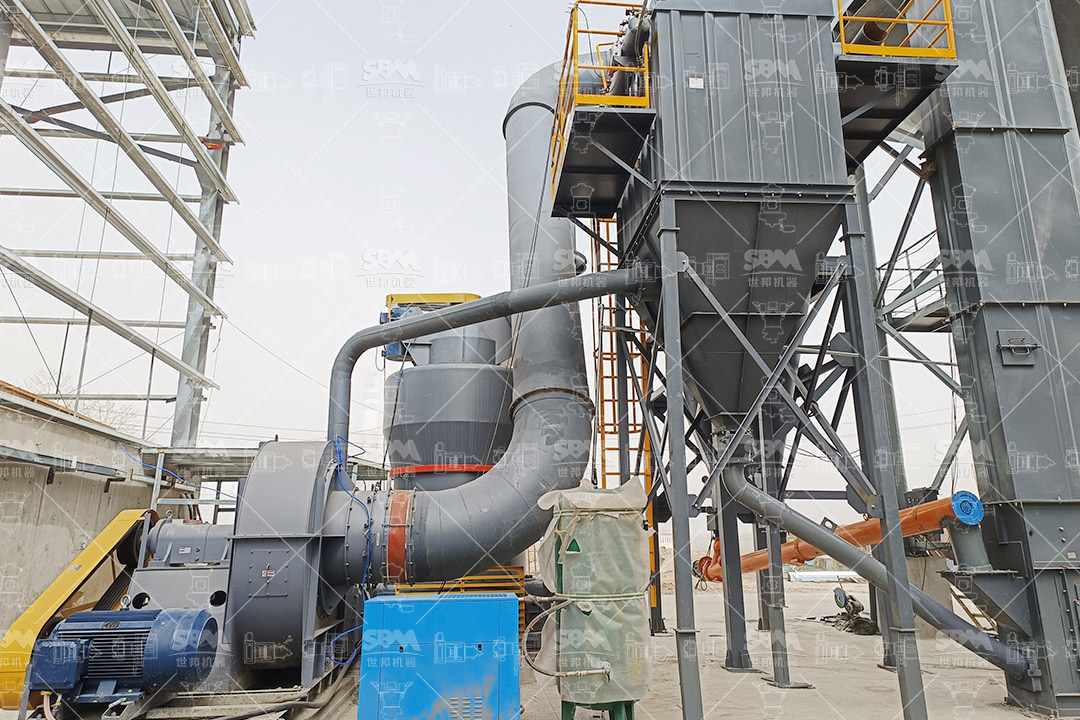
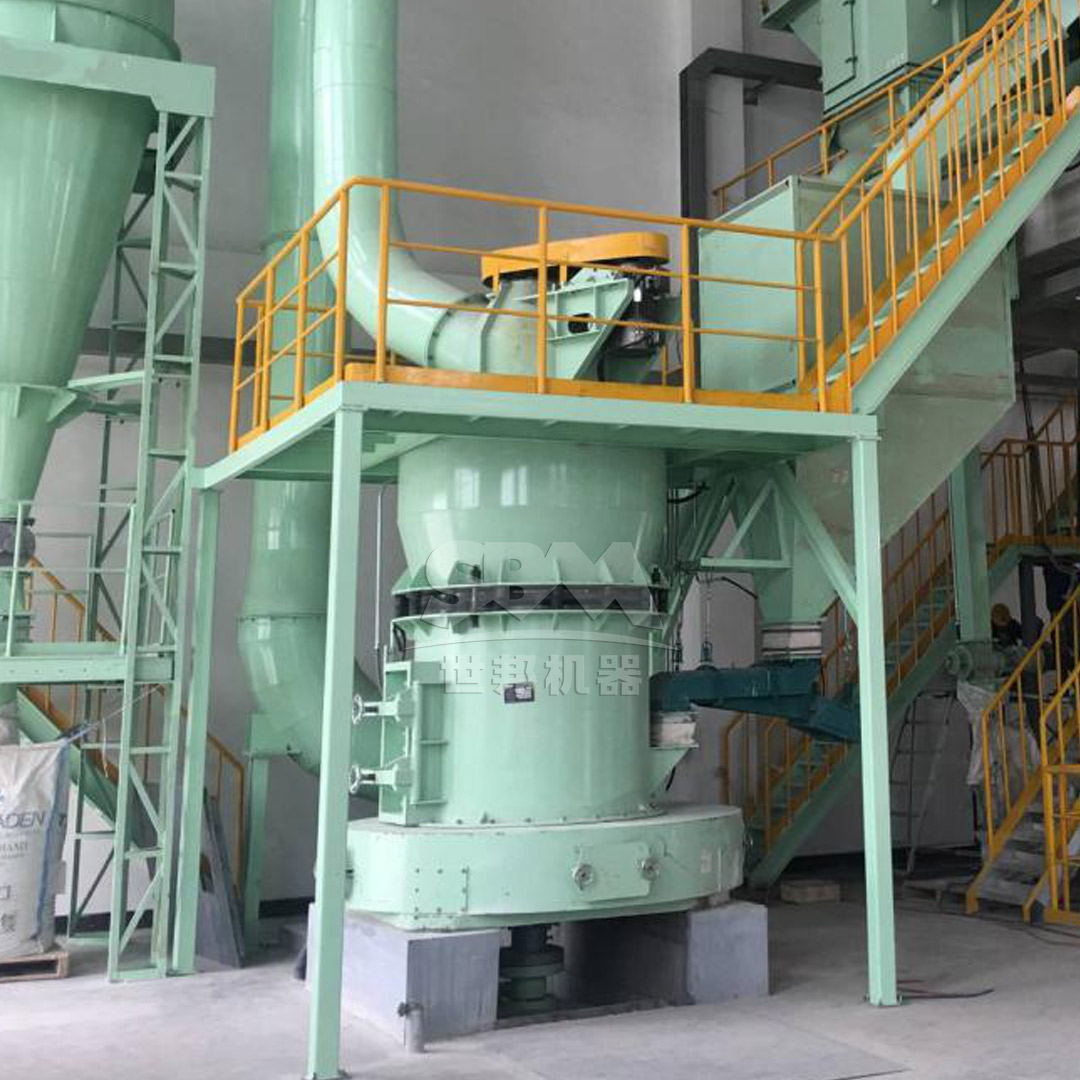
Modern coal mills utilize several grinding principles. Vertical roller mills (VRMs) employ a rotating table and stationary grinding rollers, crushing coal through a combination of compression and shear. They are popular due to their high efficiency, low noise, and ability to handle high moisture coals by utilizing hot air for drying. Ball mills use rotating cylinders with steel balls to impact and grind the coal. While robust and reliable, they are generally less energy-efficient and noisier than VRMs. Medium-speed mills, such as trapezium mills and roller mills, offer a compromise between the two, using spring or hydraulic pressure to force rollers against a grinding ring.
An integral part of any coal mill is the classifier. Dynamic classifiers, which use rotating vanes, are now standard for modern installations. They provide precise control over the cut point and can adjust the fineness on the fly to match gasifier requirements. The high-precision classification ensures minimal coarse powder in the final product, which is critical for preventing slagging and incomplete combustion in the gasifier. Advanced classifiers can also separate out harder, less grindable particles like pyrites, protecting downstream equipment.
Coal dust is explosive, making safety a paramount concern. Modern mills are equipped with inerting systems (e.g., using nitrogen or flue gas), explosion vents, and fire suppression systems. The entire system, from feeding to collection, is typically operated under negative pressure to prevent dust leakage. Pulse-jet dust collectors are essential for meeting stringent emission standards, ensuring that the mill exhaust contains less than 10 mg/Nm³ of particulate matter. Soundproofing and vibration damping technologies are also critical for ensuring a safe and compliant working environment.
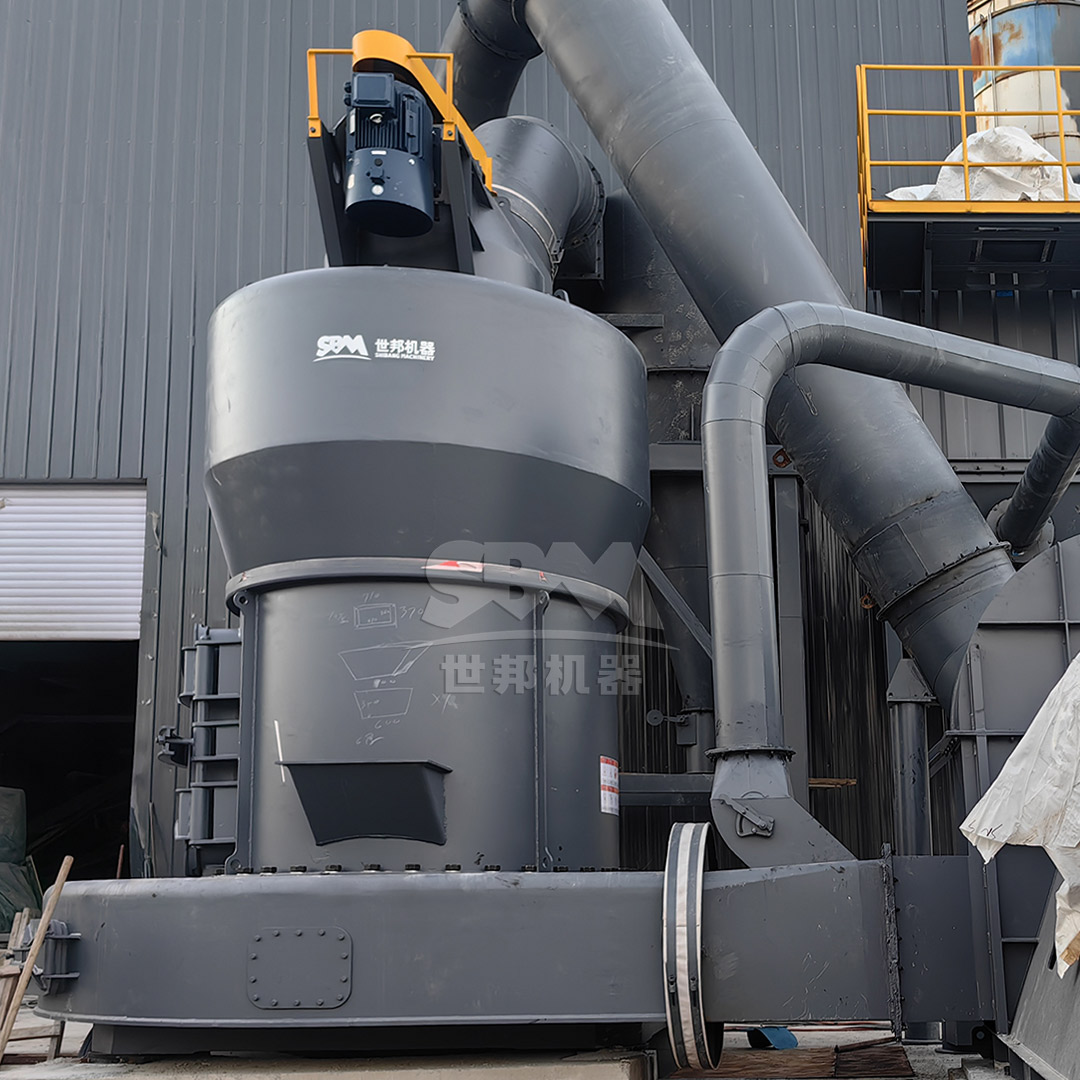
Selecting the right equipment depends on several critical parameters. Below is a guide to matching mill types to project requirements.
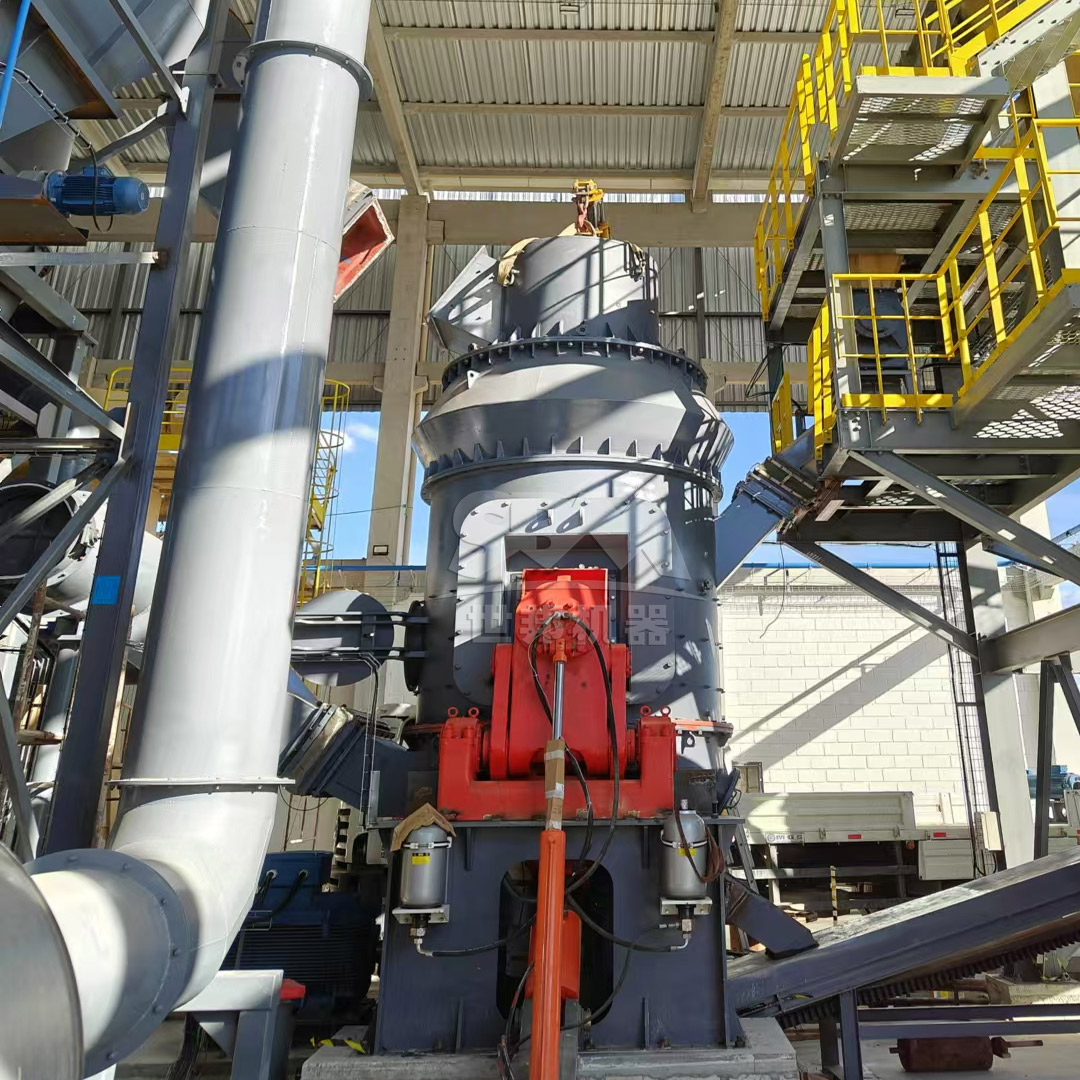
For large-scale gasification plants (e.g., 2000+ tons of coal per day), the mill must have a high single-unit capacity to minimize the number of machines. Vertical roller mills (VRMs) excel here, with the LM series from our company offering capacities from 3 to 250 tons per hour. For smaller, modular gasification units, medium-speed mills or even high-capacity ball mills may be more cost-effective.
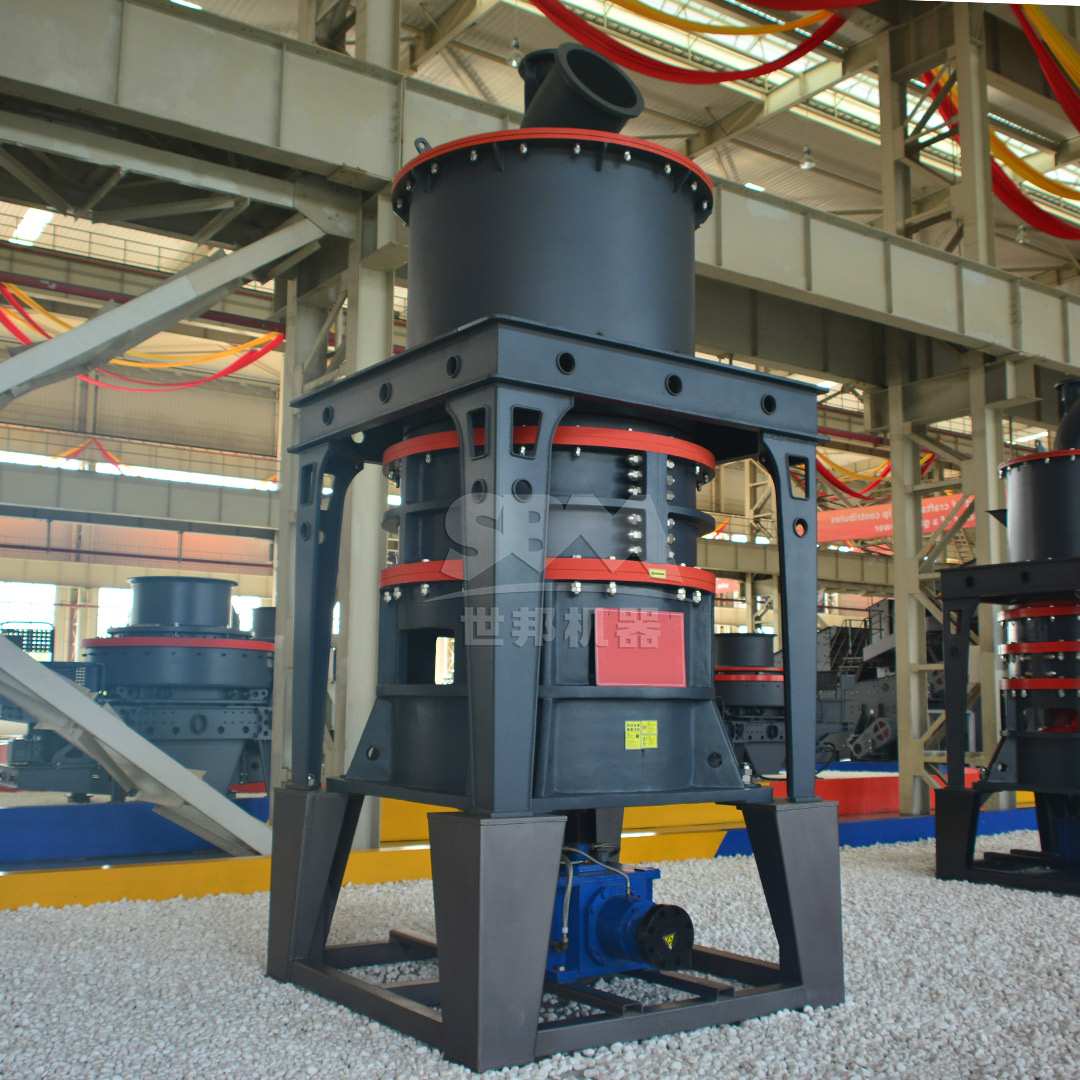
Entrained-flow gasifiers typically require a fineness of 70-90% < 74 μm. For this, a mill with an efficient dynamic classifier is non-negotiable. For applications requiring ultra-fine coal (e.g., for slurry preparation or specific chemical looping processes), an ultrafine mill is necessary. Our SCM Series Ultrafine Mill, for example, can achieve finenesses down to 5 μm (2500 mesh), providing a significant advantage for advanced gasification concepts.
| Application | Target Fineness | Recommended Mill Type |
|---|---|---|
| Coarse Grinding (Power Boilers) | < 200 μm | Ball Mill, MTM Trapezium Mill |
| Standard Gasification (Entrained Flow) | 70-90% < 74 μm | LM Vertical Roller Mill, MTW Trapezium Mill |
| Ultra-Fine Coal (Slurry/Chemical) | < 30 μm | SCM Ultrafine Mill, LUM Ultrafine Vertical Mill |
Coals with a low HGI (hard coals) require more robust machinery with higher grinding pressure. The reinforced roller and ring designs in our MTW Series European Trapezium Mill provide the durability needed for such applications. For coals with high moisture content (>15%), the mill must be capable of simultaneous drying and grinding. The LM Series VRM is ideal for this, as its system design allows for the introduction of hot air directly into the grinding chamber, achieving rapid moisture removal.
Energy consumption is a major operational expense. Modern VRMs can be 30-40% more efficient than traditional ball mills. Additionally, the cost of wear parts (rollers, rings, liners) must be considered. Technologies like the anti-wear shovel system in our MTW Series or the special material rollers in the SCM Series significantly extend service life and reduce maintenance downtime. We recommend that clients request a Lifecycle Cost (LCC) analysis when comparing bids.
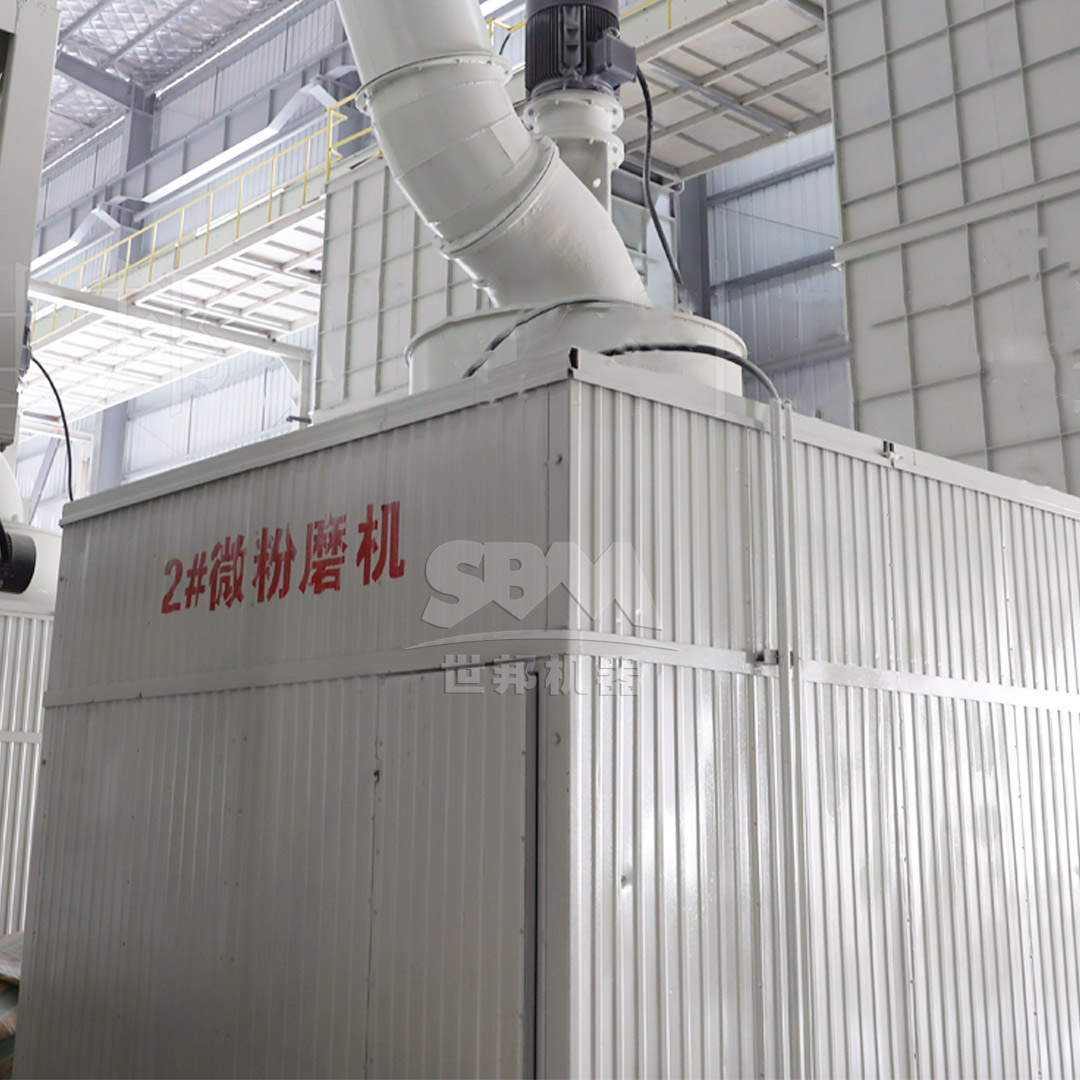
Based on decades of experience in the powder processing industry, we have developed a suite of machines specifically optimized for the coal gasification sector. We recommend two of our most advanced solutions for different capacity and fineness demands.
Our LM Series Vertical Roller Mill is the workhorse of the industry, designed for large-scale operations requiring high throughput and reliability.
For advanced gasification technologies that require finer feed or the production of coal-water slurry, the SCM Series Ultrafine Mill is the ideal choice.
Investing in the correct coal powder production equipment is crucial for the success of any coal gasification project. The key technologies—efficient grinding, precise classification, and robust safety systems—must be carefully evaluated against the specific coal properties and gasifier requirements. By selecting a high-efficiency, durable mill with intelligent controls, operators can significantly improve carbon conversion rates, lower energy consumption, and reduce overall operational costs. Our comprehensive range of mills, including the high-capacity LM Series and the precision SCM Series, provides tailored solutions to meet the diverse challenges of modern coal gasification, helping our clients achieve their goals in a sustainable and profitable manner.