Quartz powder is a critical industrial mineral used extensively in glassmaking, ceramics, paints, electronics, and construction materials. For applications requiring a fineness of 300 mesh (approximately 48 microns), selecting the correct grinding mill is paramount to achieving product quality, operational efficiency, and cost-effectiveness. This article provides a professional guide to choosing the right grinding mill for 300 mesh quartz powder production, analyzing key technical parameters, equipment types, and operational considerations.
The production of 300 mesh quartz powder demands precise control over particle size distribution, consistent throughput, and low contamination levels. Different mill types offer varying advantages depending on feed size, capacity requirements, and energy efficiency goals. Below, we explore the most suitable equipment options and their comparative benefits.
300 mesh corresponds to a particle size of approximately 48 microns. This specification requires grinding equipment capable of achieving fine yet uniform particles without over-grinding, which wastes energy and may degrade product quality. Key factors to consider include:
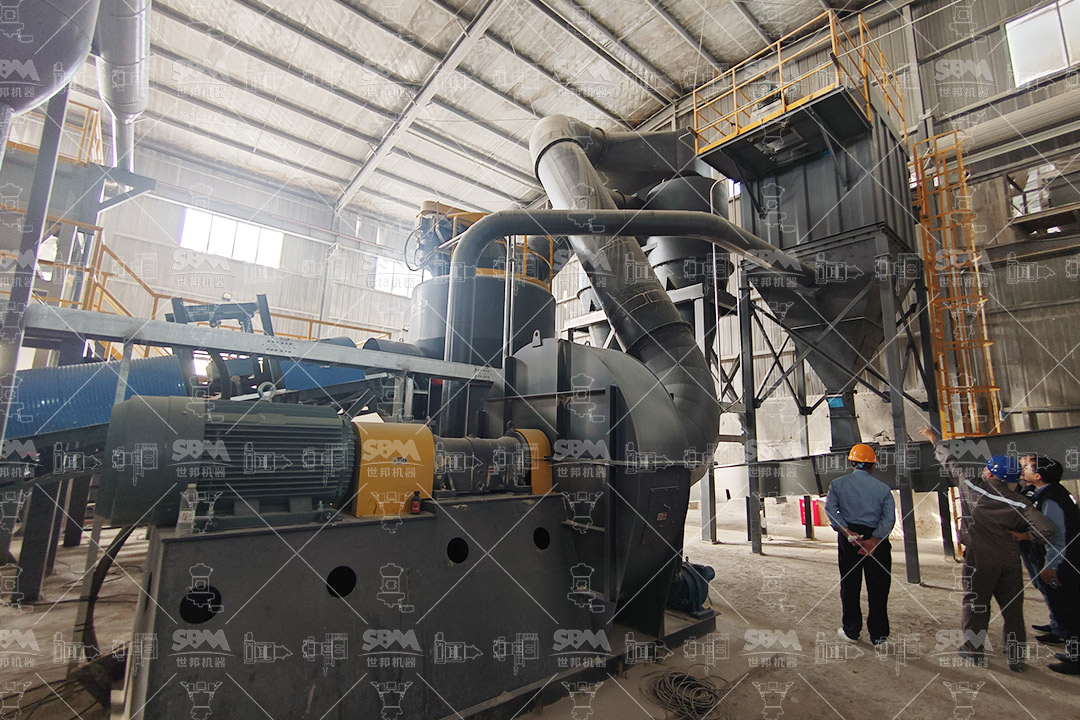
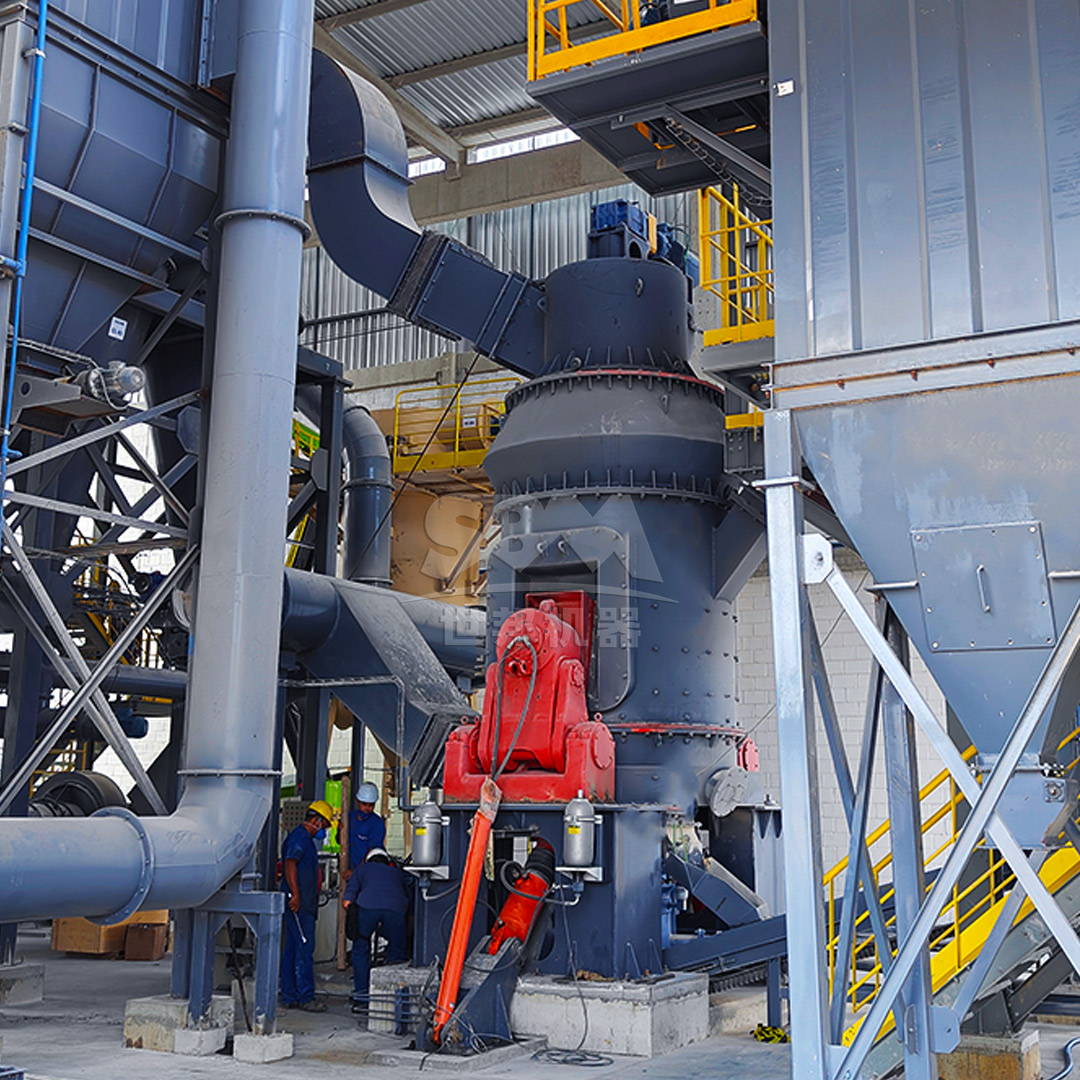
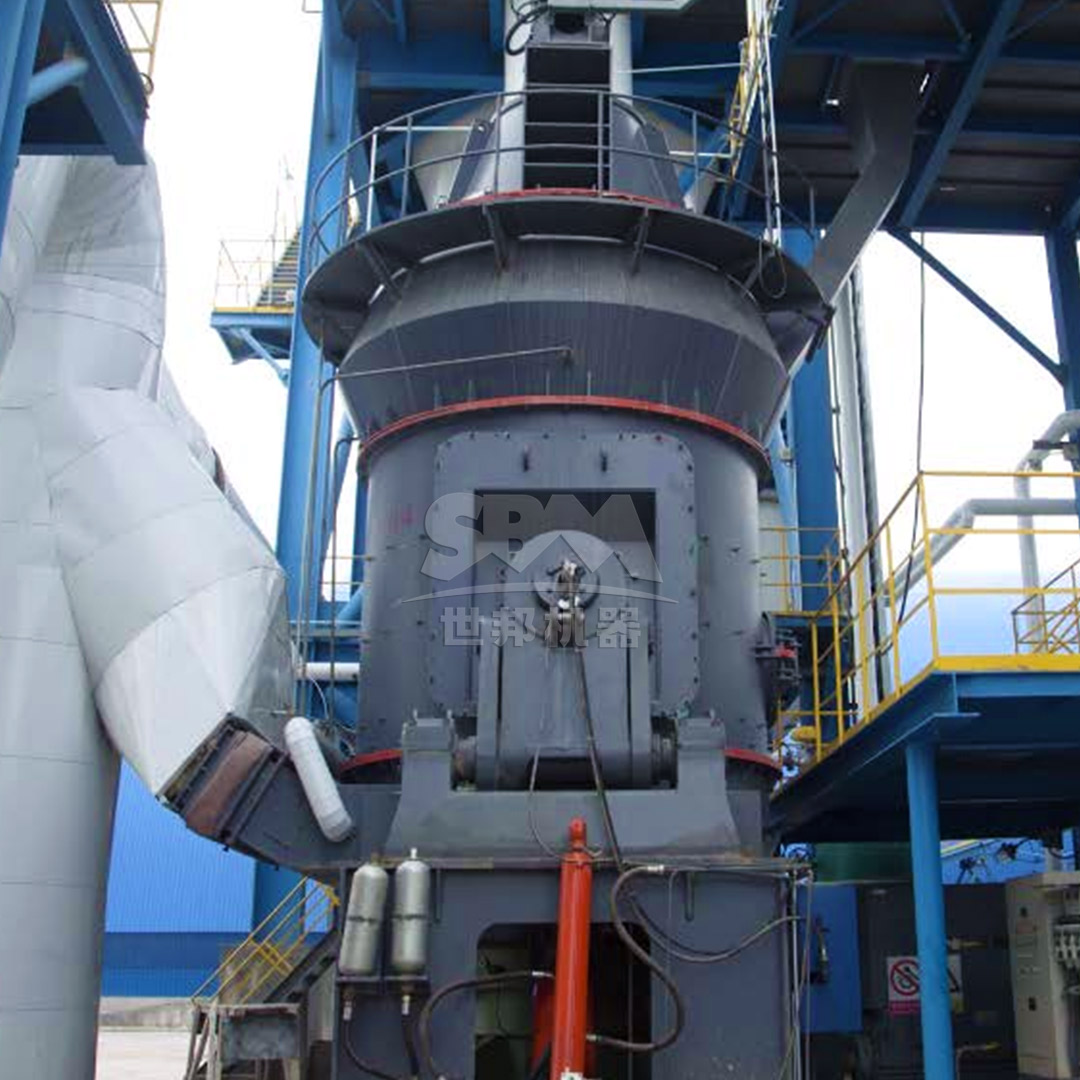
Vertical roller mills have become the preferred choice for many large-scale quartz grinding operations due to their high capacity and energy efficiency. LM Series Vertical Roller Mills integrate crushing, grinding, and classification in one unit, significantly reducing floor space and capital investment. They achieve fineness from 30-325 mesh with capacities up to 250 tons per hour. The non-contact design between rollers and grinding table reduces wear, extending service life by up to three times compared to traditional mills. Additionally, the fully sealed negative pressure system ensures dust-free operation, meeting stringent environmental standards.
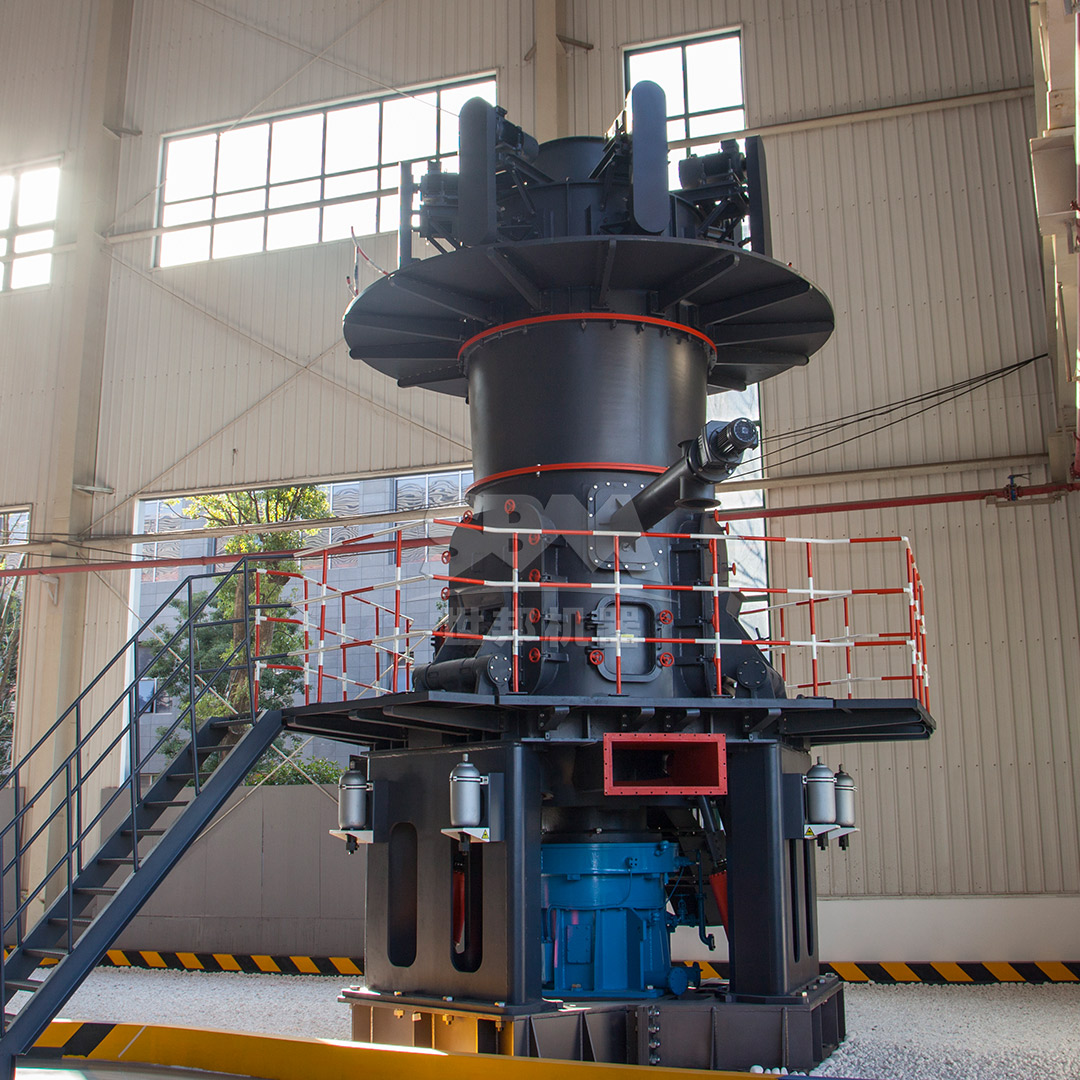
MTW Series European Trapezium Mills offer an excellent balance between performance and cost for medium-capacity operations. With a feed size of up to 50mm and fineness down to 325 mesh, these mills are highly suitable for 300 mesh quartz powder. Their integral bevel gear drive achieves transmission efficiency up to 98%, while the curved shovel design reduces wear and maintenance costs. Capacities range from 3 to 45 tons per hour, making them ideal for mid-sized production lines.
While 300 mesh is achievable with standard mills, some operations may require flexibility for finer powders. SCM Series Ultrafine Mills can grind quartz to 325-2500 mesh (5-45 microns) with capacities from 0.5 to 25 tons per hour. Their vertical turbine classifier ensures precise particle size cutting, eliminating coarse powder contamination. Although primarily designed for ultra-fine applications, they perform excellently at 300 mesh with higher energy efficiency than traditional ball mills.
| Parameter | LM Vertical Roller Mill | MTW Trapezium Mill | SCM Ultrafine Mill |
|---|---|---|---|
| Feed Size | ≤50mm | ≤50mm | ≤20mm |
| Fineness Range | 30-325 mesh | 10-325 mesh | 325-2500 mesh |
| Capacity (t/h) | 3-250 | 3-45 | 0.5-25 |
| Energy Efficiency | 30-40% lower than ball mill | High (98% transmission) | 30% less than jet mill |
| Typical Application | Large-scale production | Medium-scale production | Fine/ultrafine powder |
For most 300 mesh quartz powder production lines, we recommend two outstanding solutions:
LM Series Vertical Roller Mill – Ideal for large capacity operations (10-250 t/h). Models like LM130K to LM280K deliver consistent 300 mesh fineness with exceptionally low energy consumption. The integrated design reduces installation costs by 40% and floor space by 50%, making it the most economical choice for industrial-scale producers.
MTW Series European Trapezium Mill – Perfect for medium throughput (3-45 t/h). The MTW138Z or MTW175G models offer excellent durability and precise classification. The anti-wear shovel design and optimized arc air duct ensure stable long-term operation with reduced maintenance intervals.
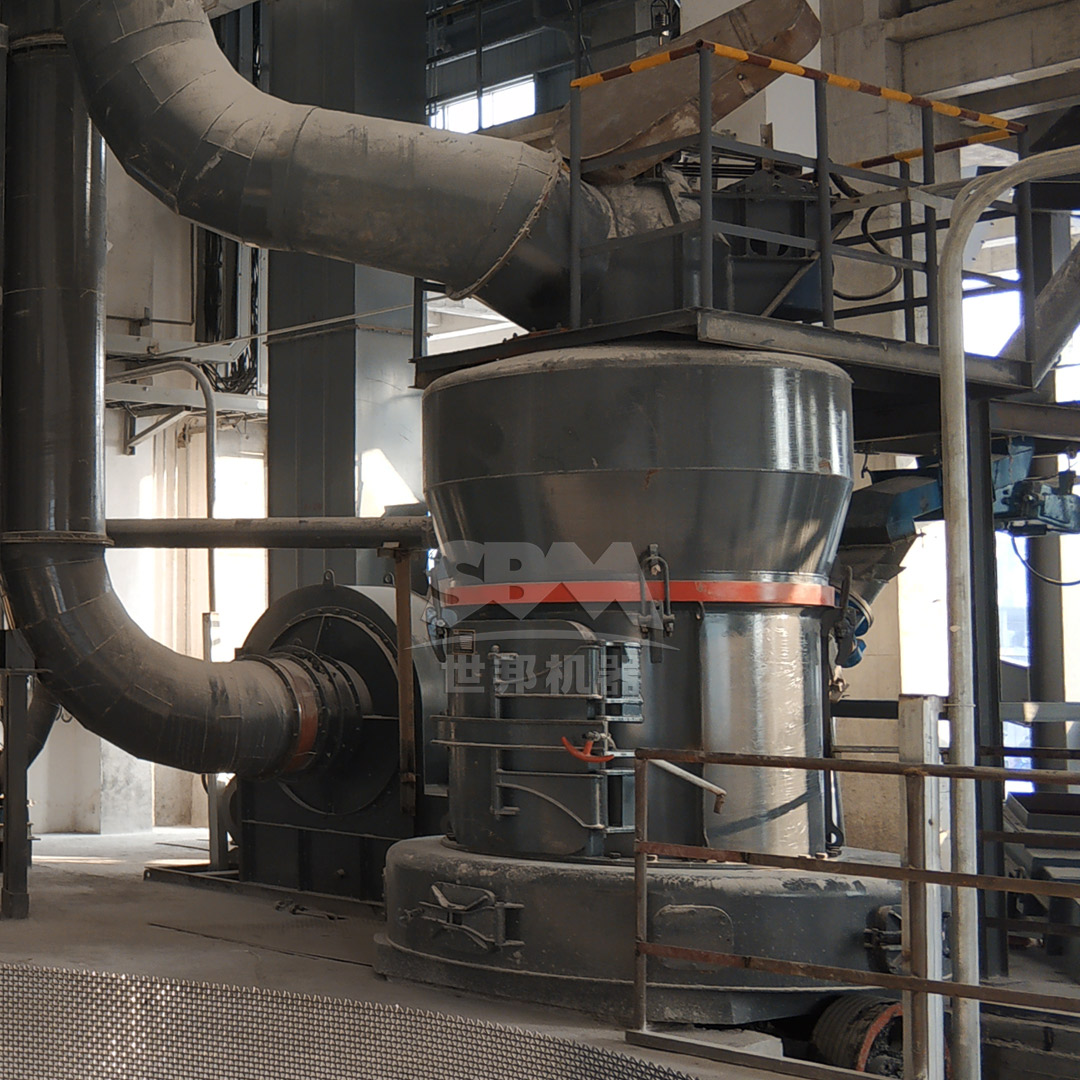
Energy typically represents 40-60% of total grinding costs. Vertical roller mills consume 30-40% less energy than conventional ball mills. For 300 mesh quartz, the bed grinding principle in VRMs minimizes energy waste from over-grinding. MTW mills also offer high efficiency through their bevel gear drive and curved air ducts.
Quartz is highly abrasive (Mohs hardness 7). Mills with special wear-resistant materials significantly reduce replacement frequency. LM series utilizes high-chrome rollers and segmented liners, extending life by 3x. MTW mills feature combined shovel blades that lower maintenance costs and extend roller service life.
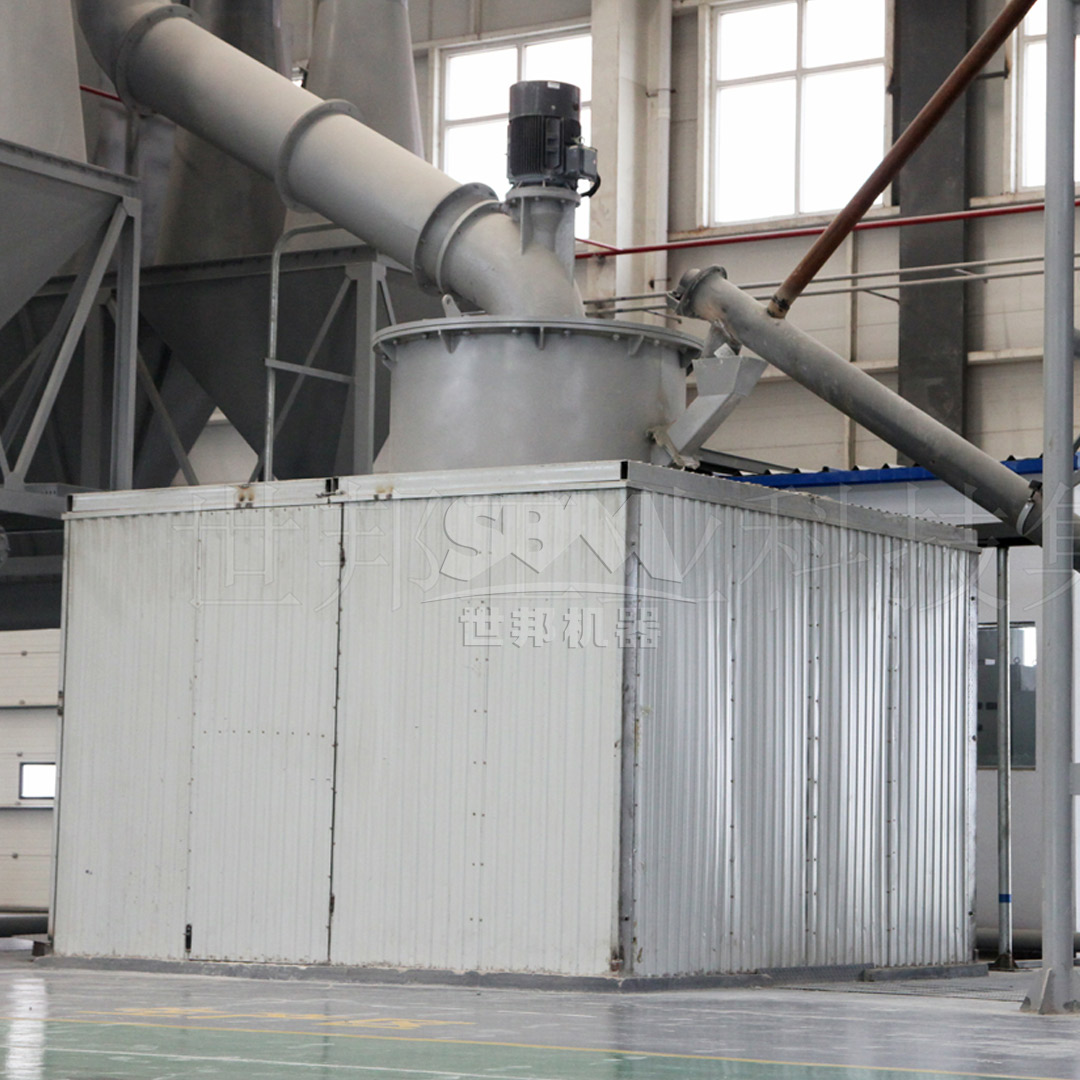
Modern grinding operations must meet strict dust emission standards. Both LM and MTW series incorporate advanced pulse dust collection systems. LM mills operate under fully sealed negative pressure with noise levels below 85dB, while MTW mills include soundproof room designs and multi-stage filtration options.
Understanding how each mill operates helps in selecting the right equipment:
Choosing the right grinding mill for 300 mesh quartz powder production requires balancing capacity, energy efficiency, maintenance costs, and product quality. For large-scale operations, the LM Series Vertical Roller Mill offers unmatched throughput and low operating costs. For medium-scale producers, the MTW Series European Trapezium Mill provides excellent reliability and value. Both solutions incorporate advanced classification, intelligent control, and environmental compliance features essential for modern quartz powder manufacturing. By aligning mill selection with your specific production goals and budget, you can achieve optimal performance and return on investment.