In the mineral processing industry, 200 mesh quartz powder holds significant value across various sectors, including glass manufacturing, ceramics, foundry, construction, and electronics. Achieving consistent fineness of 200 mesh (approximately 74 microns) requires specialized grinding equipment that balances efficiency, precision, and durability. The production of high-quality quartz powder at this specification demands machinery capable of handling the inherent hardness of quartz (Mohs hardness 7) while maintaining operational economy. Advances in grinding technology have revolutionized this process, offering solutions that significantly reduce energy consumption, improve throughput, and ensure uniform particle size distribution.
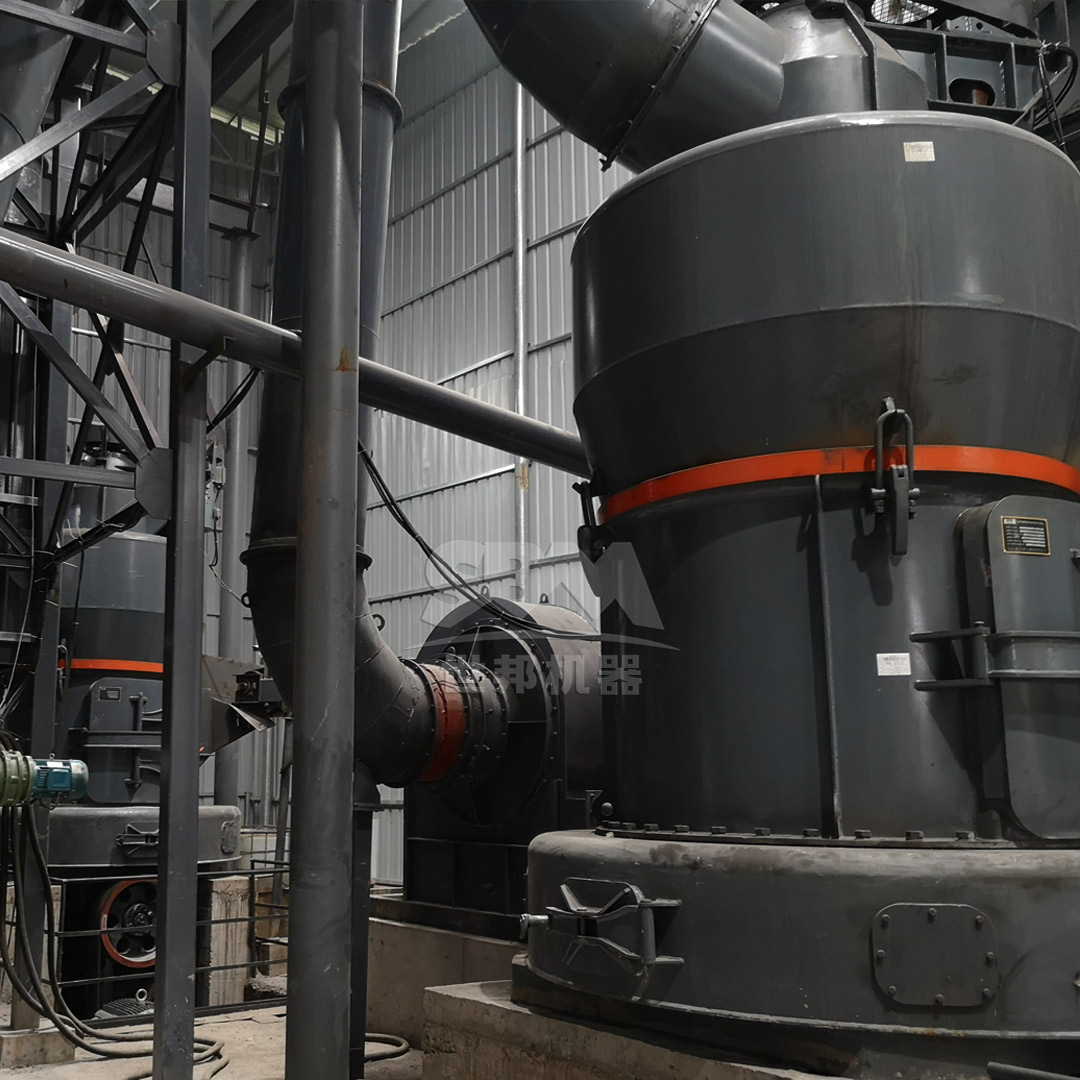
Quartz grinding typically involves three stages: primary crushing, intermediate grinding, and fine powder classification. The goal is to reduce quartz lumps (often up to 50mm in size) into a fine powder with over 95% passing 200 mesh. The key challenges in this process include energy efficiency, wear resistance due to quartz’s abrasive nature, and precise classification to avoid oversized particles. Modern grinding mills address these challenges through innovative design principles such as layer grinding, dynamic classification, and intelligent control systems.
When selecting equipment for 200 mesh quartz powder production, several factors must be considered: feed size capacity, output fineness range, throughput requirements, power consumption, and total cost of ownership. The machinery must provide consistent performance with minimal downtime, especially when processing abrasive materials like quartz. Among the various mill types available, vertical roller mills, trapezium mills, and ultrafine mills have proven particularly effective for this application.
Modern grinding technology has evolved to offer several critical advantages for quartz powder production. High-efficiency classification systems ensure that the final product meets strict particle size specifications, while intelligent control systems automatically adjust operating parameters to maintain consistent quality. Energy-saving designs, such as optimized grinding curves and efficient transmission systems, significantly reduce power consumption compared to traditional ball mills. Additionally, advanced wear protection materials extend the service life of critical components, reducing maintenance frequency and operational costs.
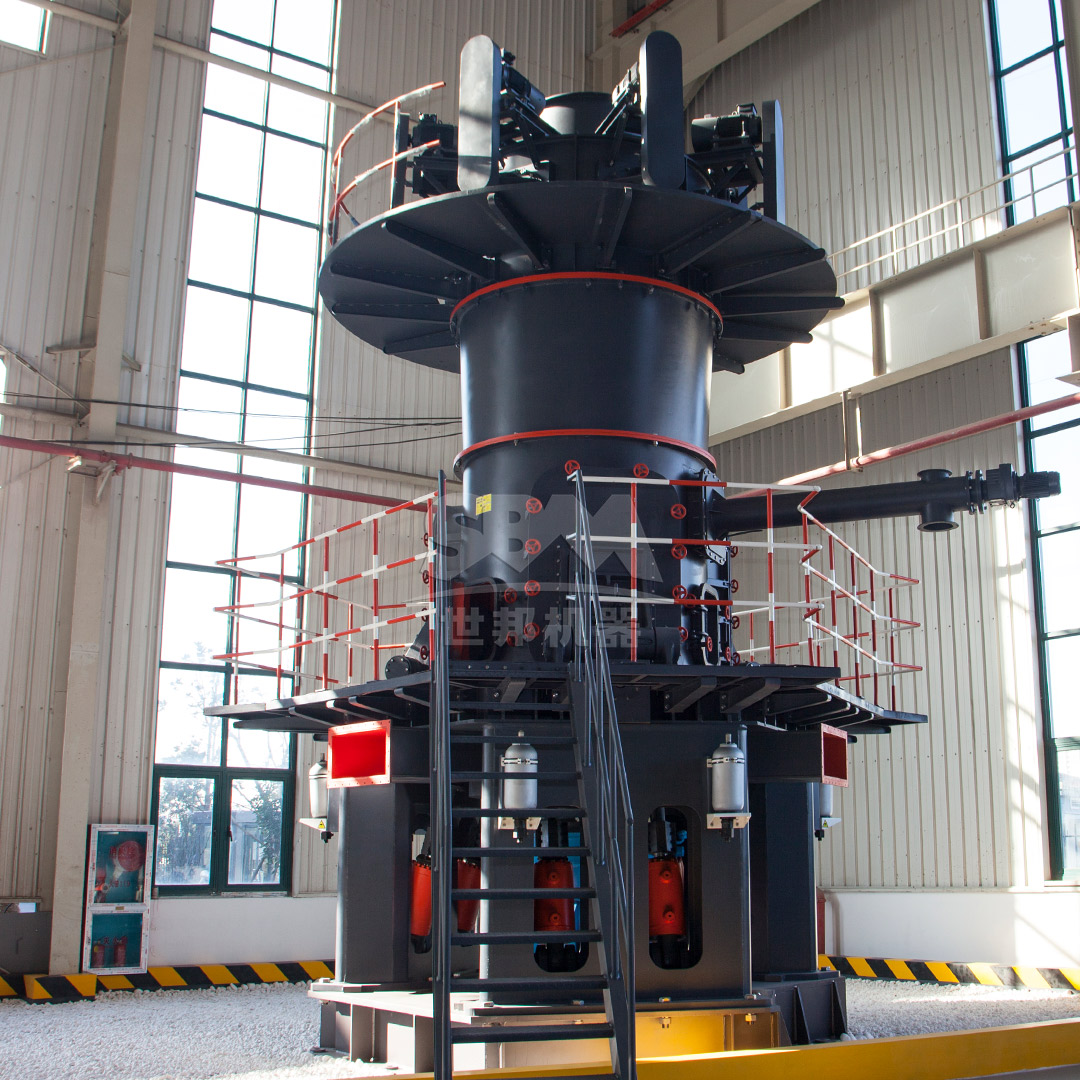
Based on extensive field experience and technical capabilities, we strongly recommend two mill models that are particularly well-suited for producing 200 mesh quartz powder with optimal efficiency and cost-effectiveness.
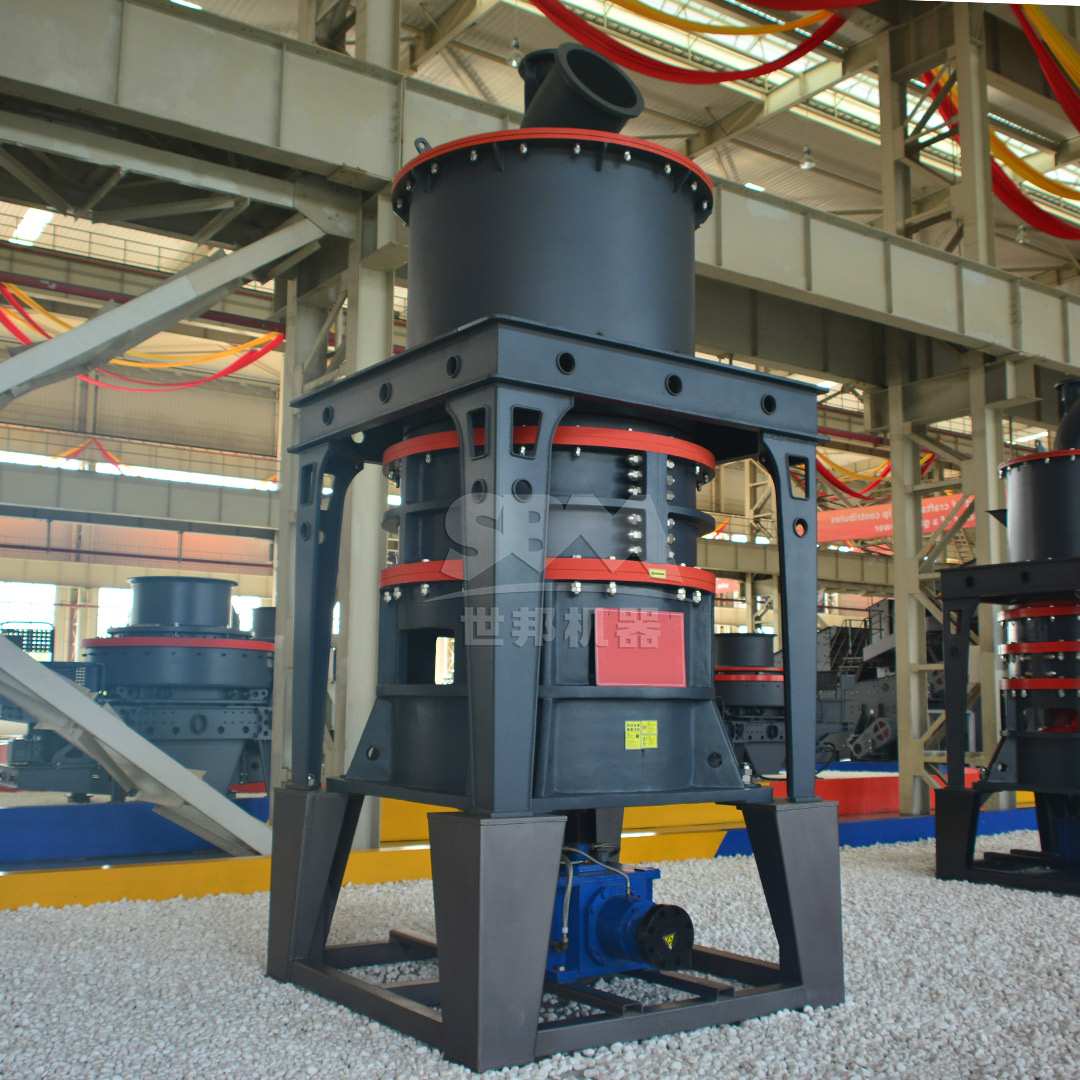
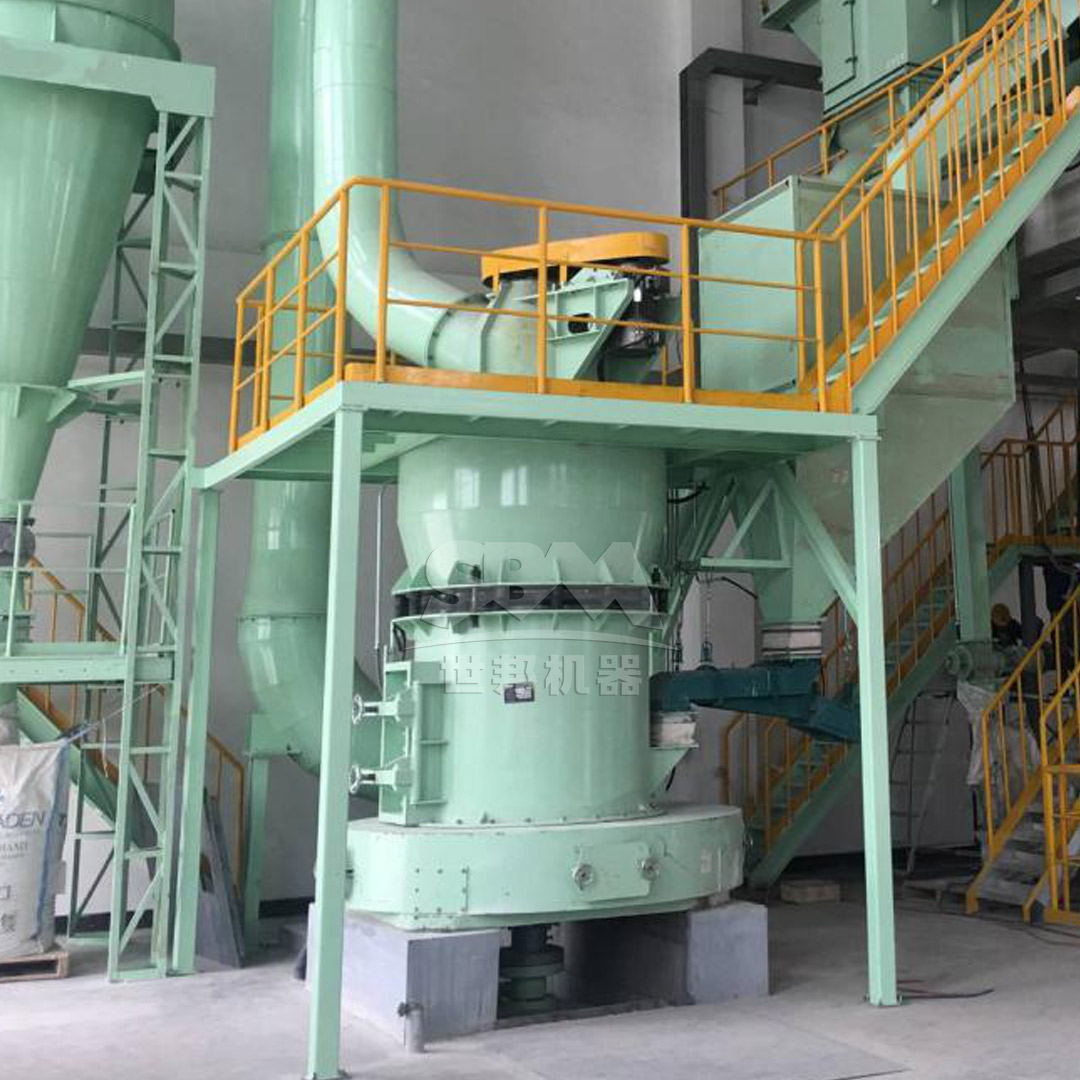
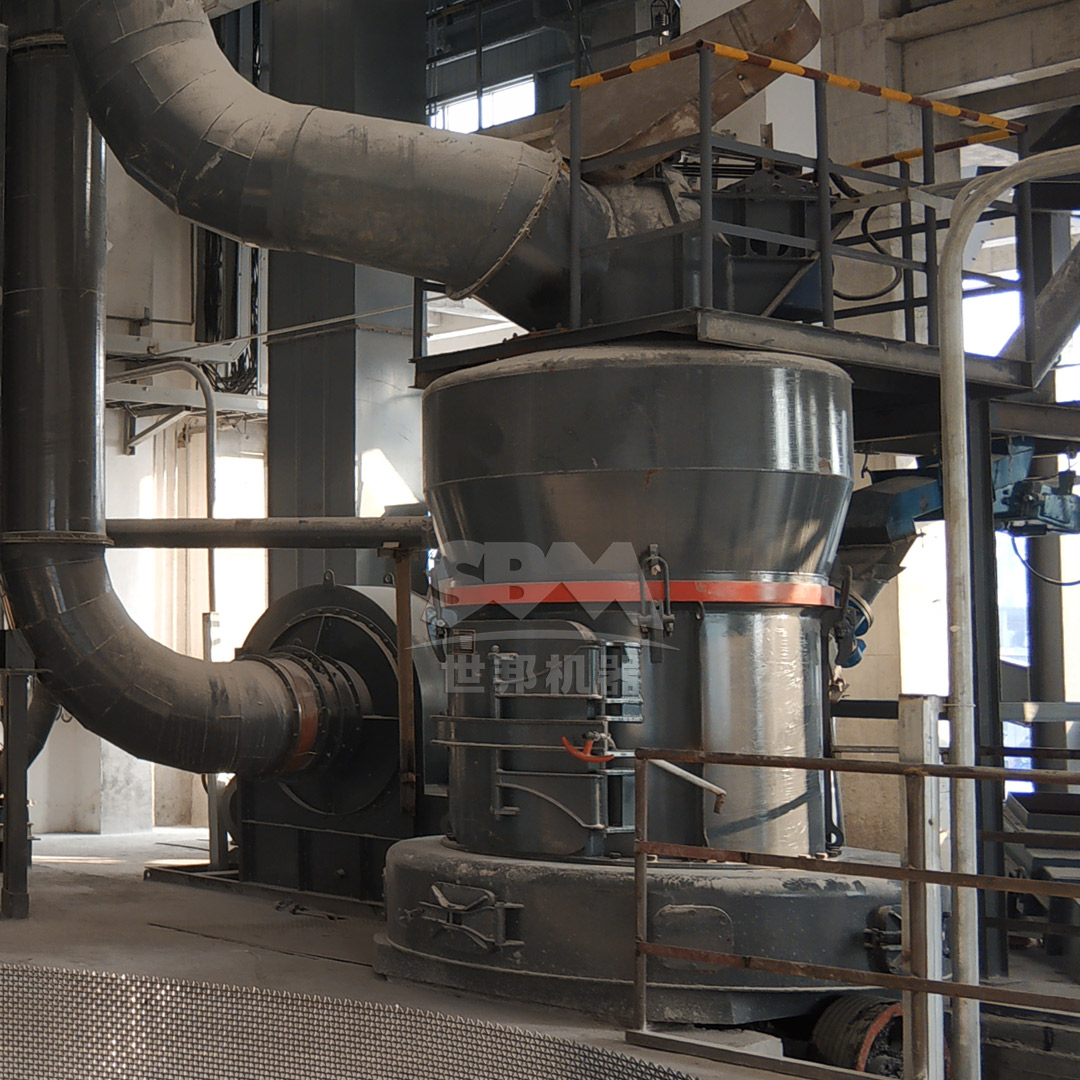
Our MTW Series European Trapezium Mill is an exceptional choice for quartz grinding in the 30-325 mesh range. With an input size of up to 50mm and capacity ranging from 3 to 45 ton/h depending on the model, this mill offers unmatched versatility. Its patented technologies, including the integral bevel gear drive with 98% transmission efficiency and wear-resistant volute structure, make it ideal for processing hard materials like quartz. The MTW175G model, with a main power of 160kW and capacity of 9.5-25 t/h, represents the perfect balance between throughput and energy consumption for medium to large-scale operations. The anti-wear shovel design and optimized arc air duct ensure minimal maintenance costs while maintaining high grinding efficiency.
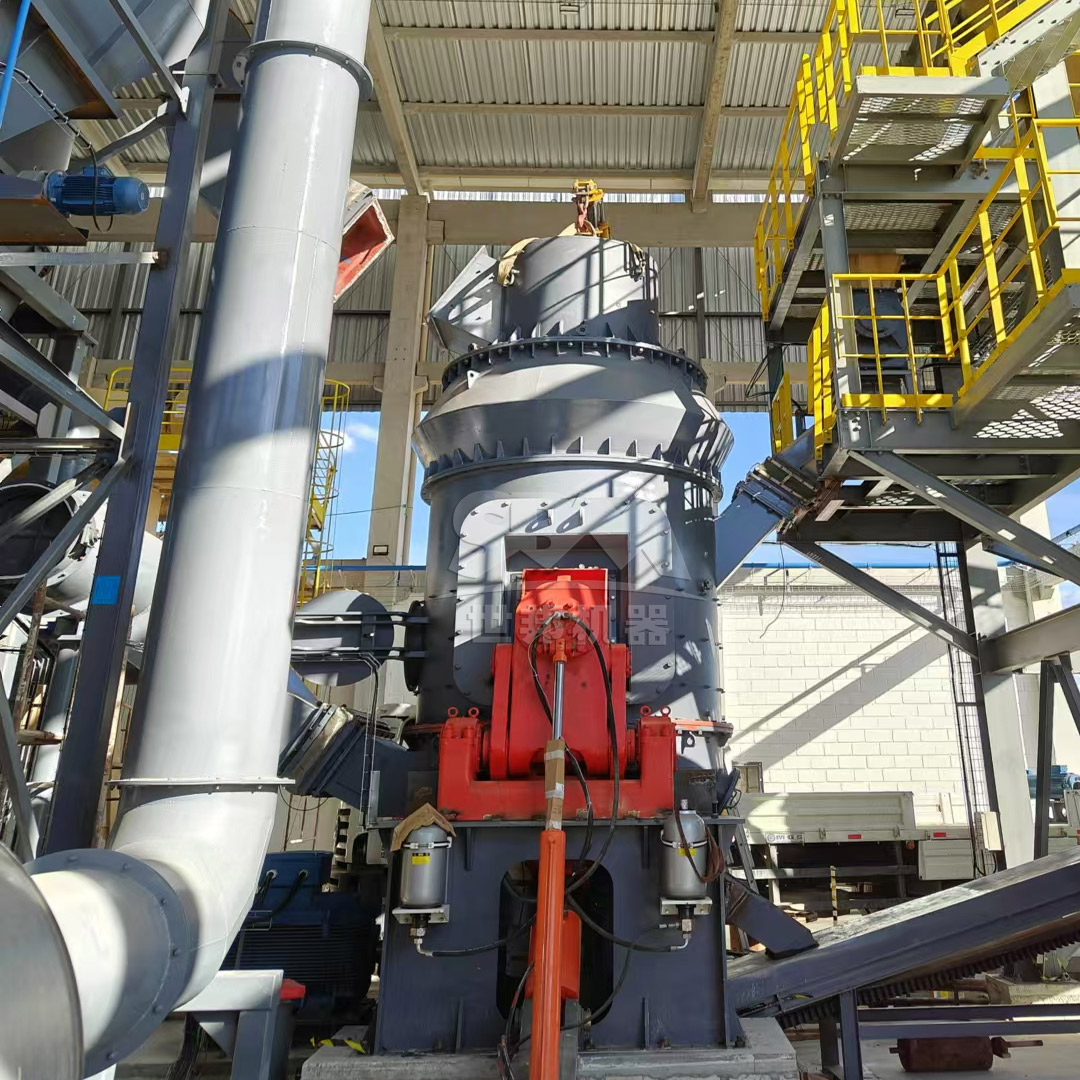
For applications requiring finer control and higher capacity, the LM Series Vertical Roller Mill provides an integrated solution for crushing, grinding, and classification in a single system. The LM170K vertical mill, with a table diameter of 1700mm and capacity up to 48 t/h, is specifically engineered for industrial mineral processing. Its non-contact design between rollers and table extends wear part life by 3 times compared to traditional mills, while energy consumption is 30-40% lower than ball mill systems. The fully sealed negative pressure operation ensures environmental compliance with dust emission below 20mg/Nm³, making it an excellent choice for facilities prioritizing sustainability. The LM190K vertical mill offers even greater capacity at 23-68 t/h, suitable for large-scale quartz powder production lines.
| Parameter | MTW Trapezium Mill | LM Vertical Roller Mill |
|---|---|---|
| Feed Size | ≤50mm | ≤50mm |
| Output Fineness | 30-325 mesh | 30-325 mesh |
| Capacity Range | 3-45 t/h | 3-250 t/h |
| Main Power (Typical) | 55-280 kW | 200-1250 kW |
| Energy Efficiency | High (bevel gear drive) | Very High (bed grinding) |
| Wear Life | Extended (anti-wear design) | 3x longer (non-contact) |
| Floor Space | Moderate | Reduced by 50% |
The main motor drives the grinding rollers to revolve around the central axis while self-rotating to generate centrifugal force. Shovels feed materials between the ring and rollers, forming a material layer that achieves efficient crushing through extrusion and grinding. The classification system precisely controls the finished product size, ensuring that 200 mesh particles are consistently produced without oversize contamination. The integral bevel gear drive minimizes energy loss, while the optimized arc air duct reduces airflow resistance.
The main motor drives the grinding table via a reducer. Materials enter through the central feed port and spread evenly across the table via centrifugal force. Grinding rollers apply pressure to crush the material layer through the bed grinding principle. Qualified fines are carried by air flow to the dynamic classifier, which precisely separates particles at the desired cut point. Coarse powder returns to the grinding table for re-grinding, creating a closed-loop system that ensures product consistency. The intelligent control system provides expert-level automation with real-time monitoring of all critical parameters.
Quartz’s hardness necessitates robust construction and wear-resistant components. Our recommended mills feature special material rollers and rings that extend service life several times over conventional designs. The MTW mill’s anti-wear shovel design reduces maintenance costs through combined shovel blades that withstand abrasive wear. The LM mill’s non-contact grinding design eliminates metal-to-metal contact during operation, significantly reducing wear rates. Shaftless screw grinding chambers in both designs ensure stable operation even under heavy load conditions.
Both mill series incorporate pulse dust collection technology that exceeds international environmental standards. The MTW series features square pipe collectors that reduce system resistance, while the LM series uses fully sealed negative pressure operation with dust emission below 20mg/Nm³. Soundproof room designs ensure noise levels remain below 85dB(A), meeting workplace safety requirements. These features make the equipment suitable for installation in environmentally sensitive areas and urban industrial zones.
Producing high-quality 200 mesh quartz powder requires sophisticated grinding equipment that can handle abrasive materials while maintaining efficiency and consistency. Our MTW Series European Trapezium Mill and LM Series Vertical Roller Mill offer proven solutions with advanced features such as intelligent control, high-precision classification, and durable construction. These machines have demonstrated excellent performance in numerous quartz grinding applications worldwide, delivering reliable operation and superior product quality. By selecting the appropriate model based on capacity requirements and specific operational conditions, processors can achieve optimal grinding efficiency and return on investment for their quartz powder production operations.