Hydrogenation liquefaction is a pivotal technology in the clean utilization of coal, transforming solid coal into high-quality liquid fuels and chemicals. A critical prerequisite for the efficiency and economy of this process is the production of ultra-fine coal powder with precise particle size distribution. The fineness, uniformity, and moisture content of the coal powder directly impact the reaction rate, conversion efficiency, and catalyst performance in the slurry bed reactor. Therefore, selecting the right grinding equipment is a strategic decision for any coal-to-liquid (CTL) project.
This guide provides a comprehensive overview of the key machines used in coal powder preparation for hydrogenation liquefaction, focusing on technical parameters, working principles, and selection criteria. We will delve into the most suitable mill types, highlighting their advantages in achieving the required micron-level fineness while maintaining high throughput and energy efficiency.
In the hydrogenation liquefaction process, coal is first ground into a fine powder and then mixed with a solvent and catalyst to form a slurry. This slurry is then reacted with hydrogen at high temperatures and pressures. The quality of the coal powder is paramount:
Traditional crushing equipment (e.g., hammer mills) can only reduce coal to a few millimeters, which is insufficient. This necessitates the use of advanced milling technologies capable of achieving micron-level precision.
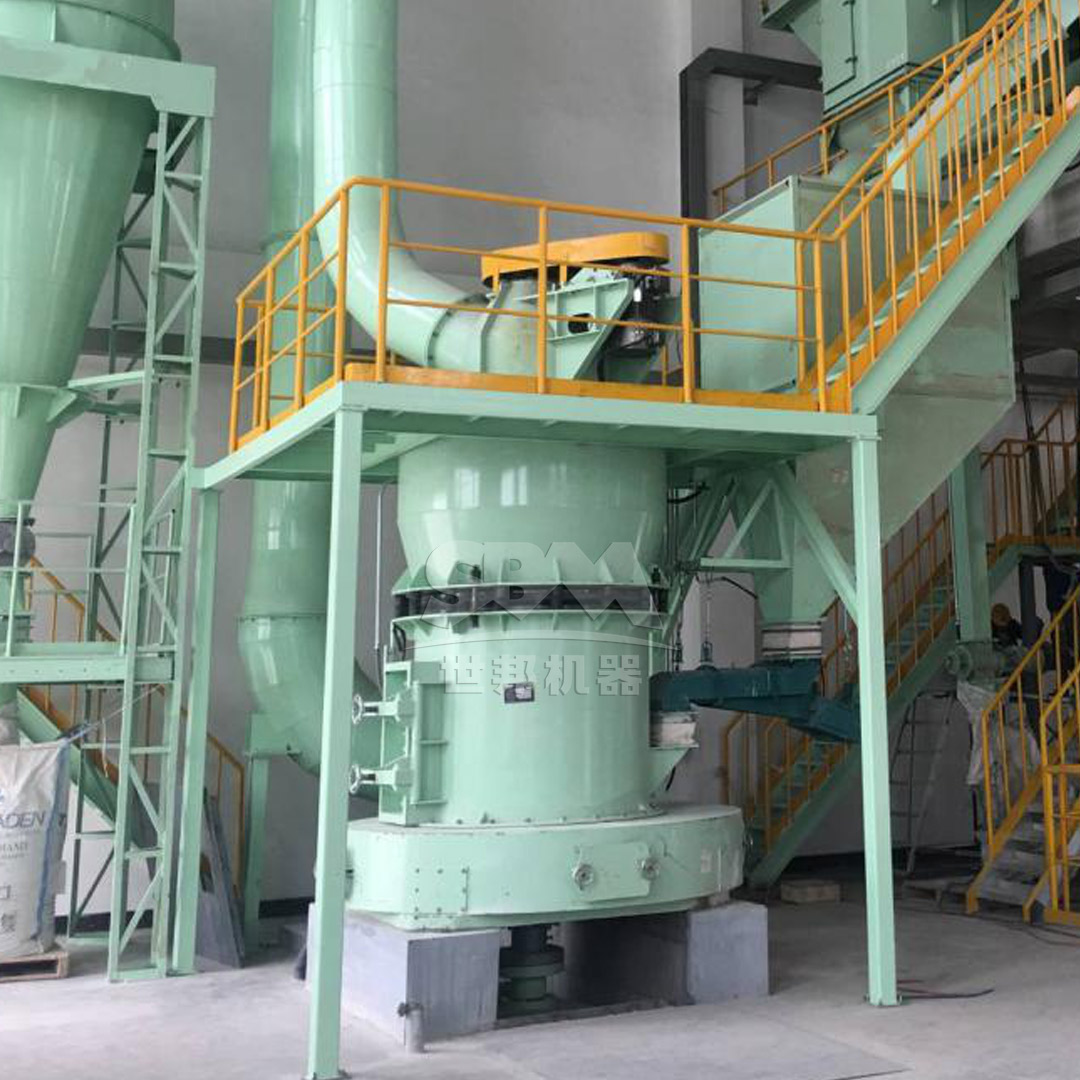
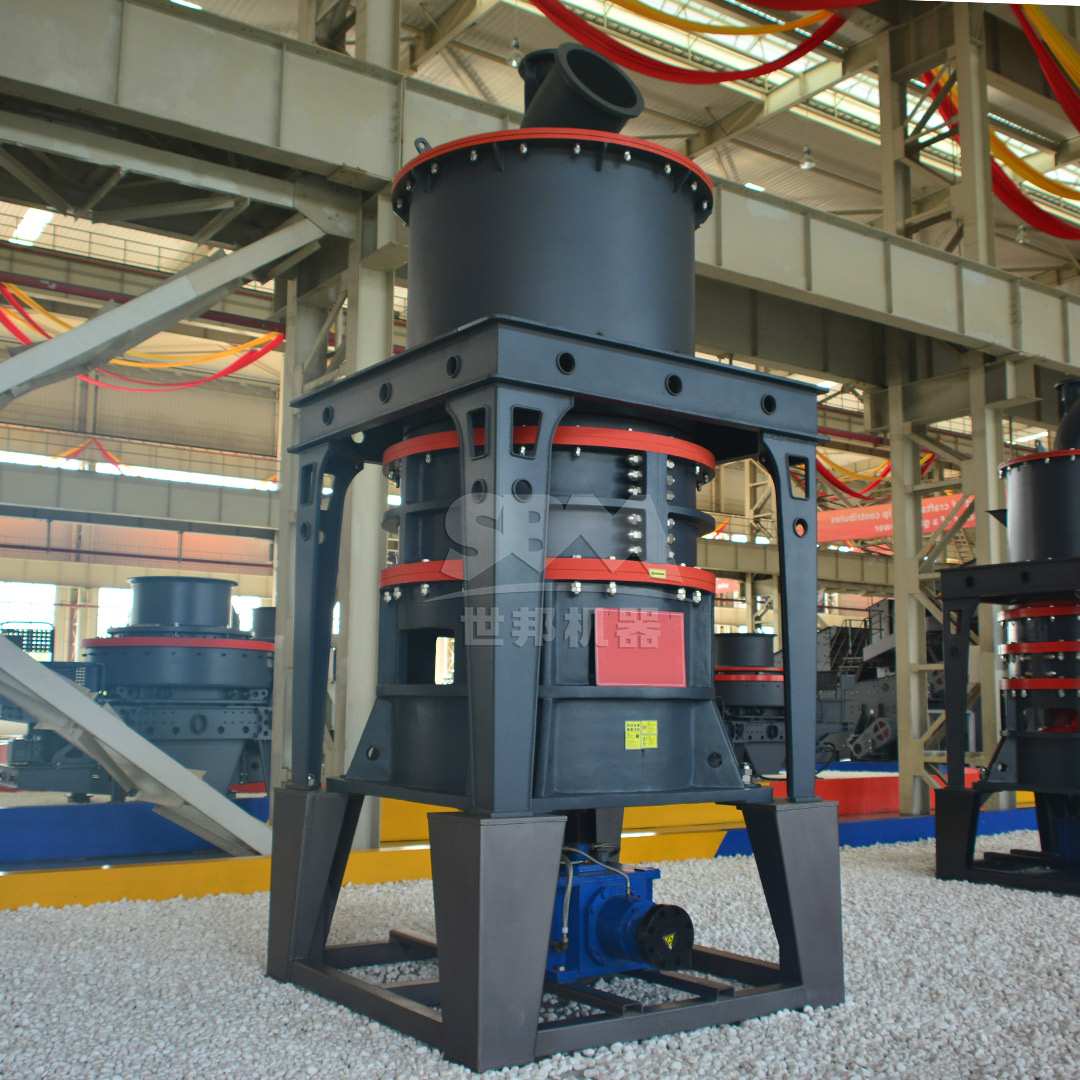
Based on the stringent requirements of hydrogenation liquefaction, the most suitable equipment falls into the category of ultra-fine grinding mills. The two most prominent technologies are the Ultrafine Vertical Roller Mill and the Ultrafine Ring-Roller Mill (like the SCM Series).
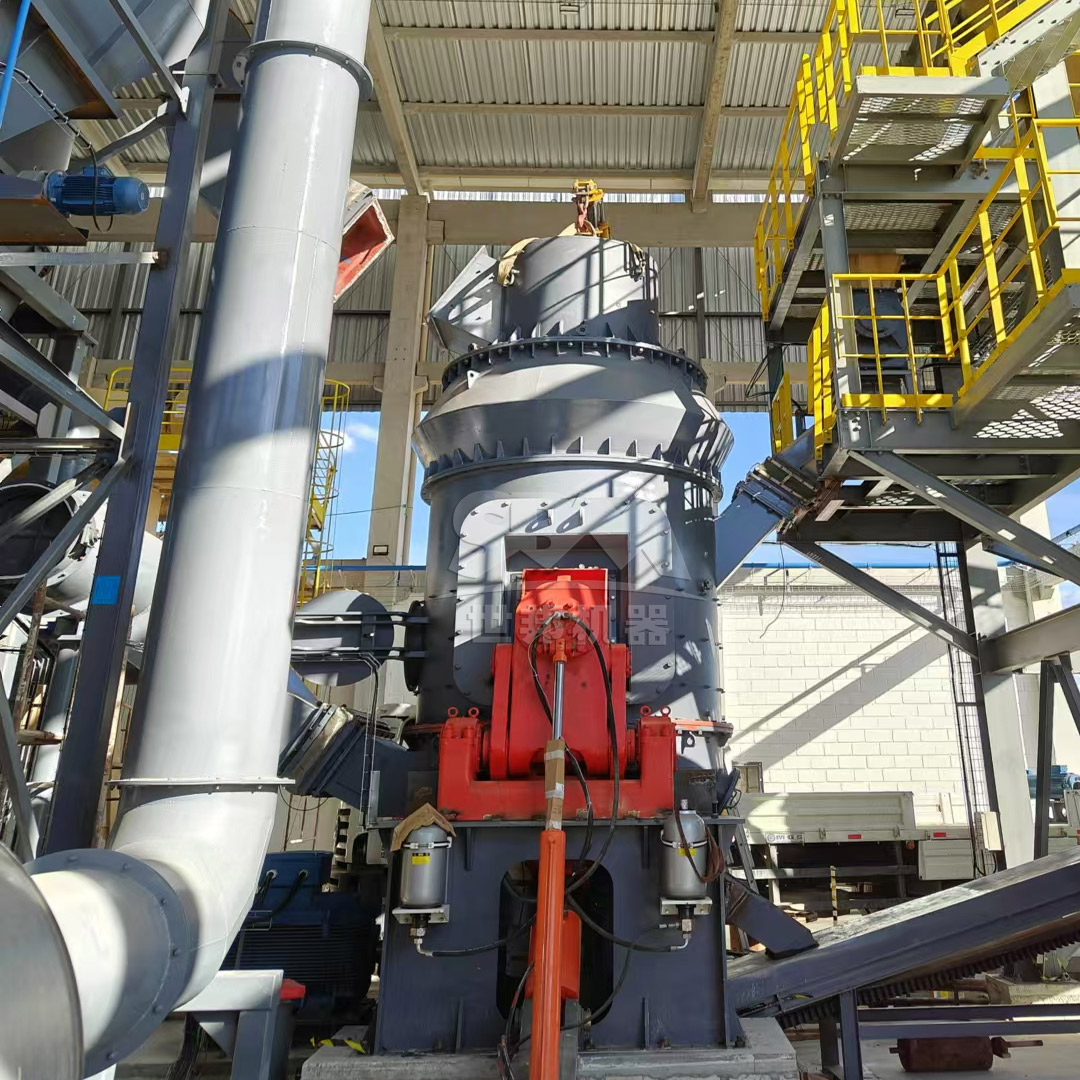
This type of mill is an evolution of the vertical roller mill (VRM), designed specifically for producing powders with a fineness of 325-2500 mesh (45-5 μm). It integrates crushing, grinding, classifying, and drying in a single unit.
Working Principle: The motor drives the grinding table to rotate. Raw coal falls through the feed chute and is spread evenly across the table by centrifugal force. Grinding rollers, pressed hydraulically or pneumatically against the material bed, crush and grind the coal. High-velocity hot air (if drying is needed) or airflow enters the mill from below, carrying the ground particles upward to a dynamic classifier. Coarse particles are rejected and fall back to the table for further grinding, while fine particles pass through the classifier and are collected.
Advantages for Hydrogenation Liquefaction:
This technology is a high-pressure, multi-stage grinding system. It is particularly renowned for its ability to produce extremely fine and uniform powders consistently.
Working Principle: The main motor drives multiple grinding rings to rotate. Raw material is fed into the machine and dispersed by centrifugal force into the grinding path between the rings and a large number of rollers. The rollers are pressed against the ring by centrifugal force, crushing the material layer by layer. A high-precision turbine classifier ensures that only particles of the desired size exit the mill.
Advantages for Hydrogenation Liquefaction:
Recommended Product for Ultrafine Grinding:
For production lines requiring the highest fineness and uniform particle distribution for optimal hydrogenation reactions, we recommend the SCM Series Ultrafine Mill. Its ability to consistently produce coal powder in the 45-5μm range with high energy efficiency makes it an ideal choice. The SCM1680 model, with a capacity of up to 25 t/h, is perfectly suited for large-scale coal liquefaction plants.
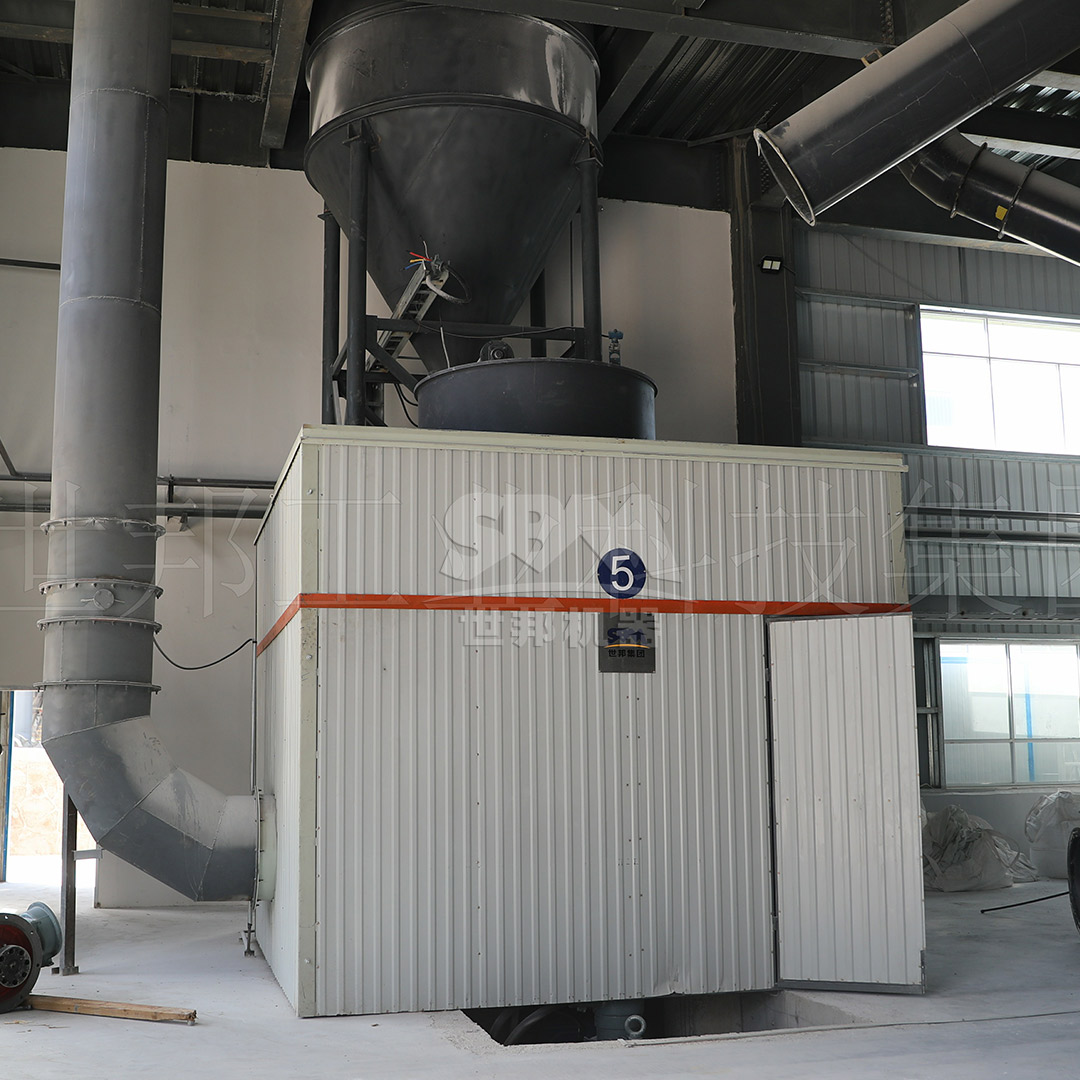
Choosing the right mill involves analyzing several key factors specific to your project.
The input size from the upstream crusher (e.g., hammer mill or jaw crusher) should match the mill’s maximum allowable feed size.
A pre-crusher like a Hammer Mill (producing 0-3mm) is often used as a primary stage to reduce coal from run-of-mine size to feed size for the ultra-fine mill.
This is the primary driver of mill selection. For hydrogenation liquefaction, the target is ultra-fine (325-2500 mesh). The SCM and LUM series excel in this domain. The required capacity (tons per hour) will determine the specific model.
| Fineness Required | Suitable Mill Type(s) | Typical Model Examples |
|---|---|---|
| 45-5 μm (325-2500 mesh) | SCM Ultrafine Mill, LUM Ultrafine Vertical Mill | SCM1680, LUM1836 |
| 74-45 μm (200-325 mesh) | LM Vertical Mill, MTW Trapezium Mill | LM220K, MTW215G |
| 45-200 μm (80-325 mesh) | MTM Trapezium Mill, MRN Pendulum Mill | MTM160, MRN218 |
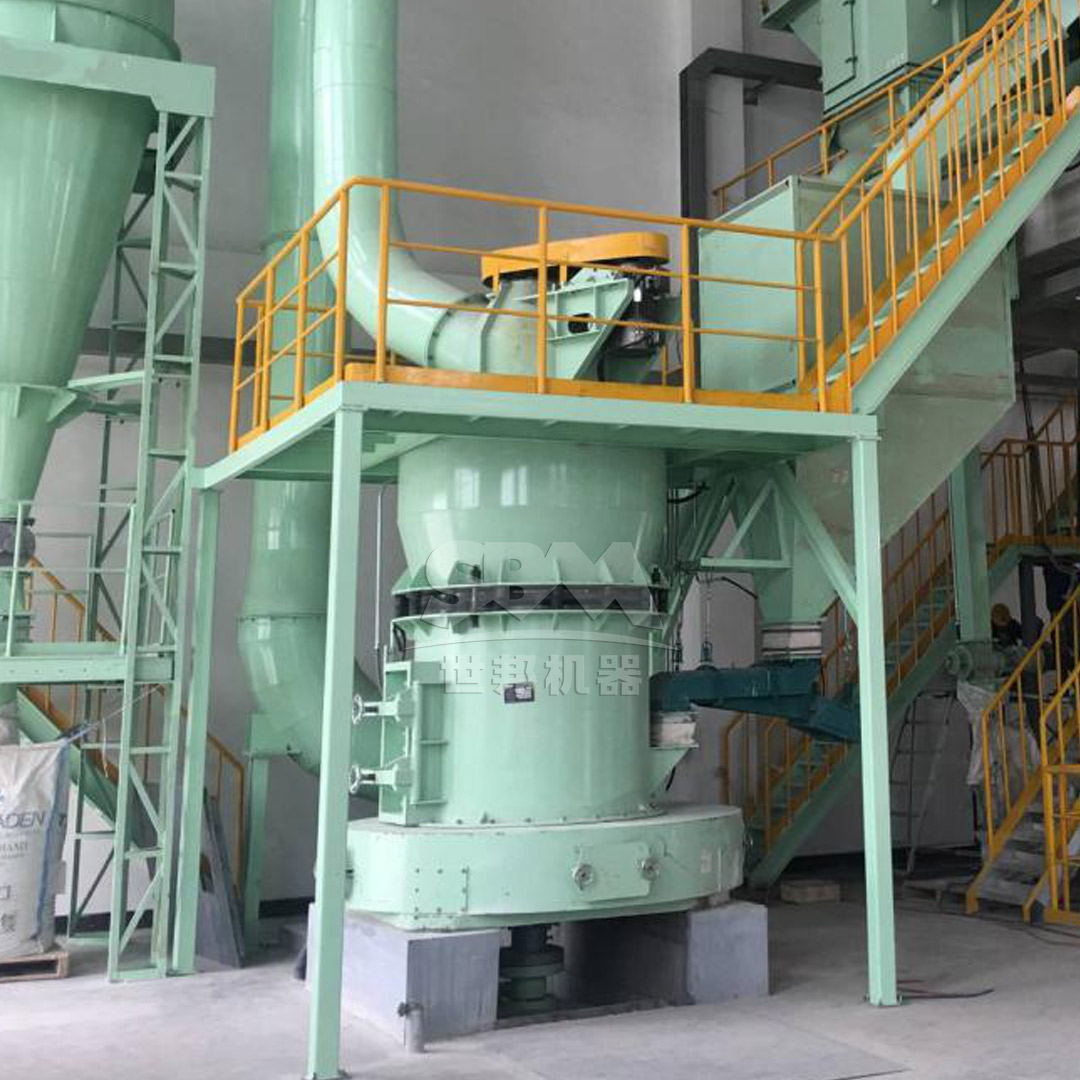
The total cost of ownership includes capital investment, energy consumption, and maintenance. The SCM Ultrafine Mill boasts 30% lower energy consumption than jet mills and a capacity that is 2x higher. Its durable wear parts also reduce long-term maintenance costs. For large capacities, the LM Series Vertical Roller Mill is also an excellent choice with 30-40% lower energy consumption than ball mill systems.
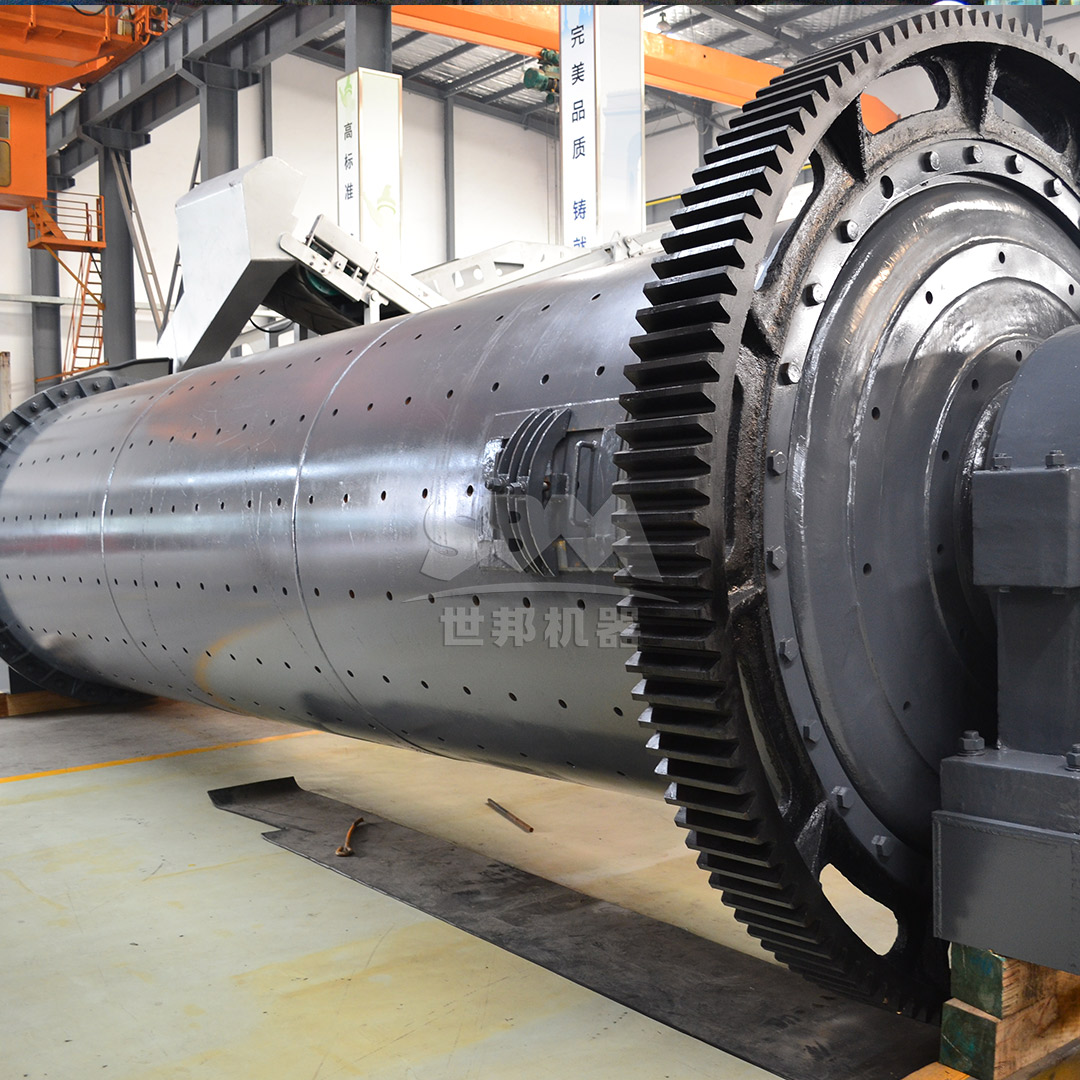
A typical pre-processing line for a 500,000 ton/year hydrogenation liquefaction plant might be configured as follows:
The success of a coal hydrogenation liquefaction project heavily relies on the efficiency of the upstream coal powder preparation system. Achieving the ultra-fine, uniform, and consistent particle size required demands specialized milling technology. While several solutions exist, the SCM Series Ultrafine Mill stands out as a premier choice due to its high-precision classification, energy efficiency, and ability to consistently reach the 5-45μm range. For operators focusing on a combination of high capacity and very fine grinding, we also recommend evaluating the LM Series Vertical Roller Mill, particularly its fine-powder variants.
To make the optimal selection, it is essential to conduct a material test using your specific coal sample. This will provide the definitive data on achievable fineness, capacity, and energy consumption, ensuring you invest in the right machine for your specific application and maximize the return on your project.