In the modern industrial landscape, pulverized coal has become an indispensable fuel and raw material for industries ranging from power generation and cement production to metallurgy and chemical processing. The demand for high-efficiency, low-emission, and cost-effective milling solutions has never been greater. Industrial-grade pulverized coal production equipment must not only achieve precise fineness but also deliver consistent throughput, minimal energy consumption, and long-term operational reliability. This article explores the key technologies driving high-efficiency mills, provides a comprehensive selection guide, and highlights advanced solutions that set new benchmarks in the industry.

Modern high-efficiency mills utilize advanced grinding principles such as bed-of-material grinding or layer crushing. Unlike traditional ball mills that rely on point contact impact, vertical roller mills and trapezium mills take advantage of a material bed formed between grinding rollers and a rotating table or ring. In this process, the material is ground under controlled pressure, resulting in more efficient particle size reduction. The grinding rollers apply force directly onto the material layer, and the centrifugal force or mechanical pressure ensures uniform crushing. This method significantly reduces metal-to-metal contact, thereby extending the service life of wear parts.
Particle size classification is a critical factor in pulverized coal production. Advanced classifiers, such as vertical turbine classifiers or dynamic rotor classifiers, enable precise control over finished product fineness. These systems can separate fine particles from coarse ones with high efficiency, ensuring that no coarse powder mixes into the final product. For applications requiring ultrafine powders, multi-rotor classification technology allows cut points down to 5-30 microns. The integration of automatic feedback control with the classifier adjusts the rotor speed in real-time, maintaining consistent quality even when feed conditions vary.
Industry 4.0 has made its way into milling technology. Modern mills are equipped with PLC-based expert control systems that monitor key parameters such as motor current, grinding pressure, classifier speed, and dust collector differential pressure. These systems support remote operation, automatic start-stop sequences, and adaptive grinding pressure regulation. For example, when the mill detects a decrease in throughput due to material moisture variation, it automatically adjusts the hot air temperature or grinding force to maintain production targets. This level of intelligence reduces manual intervention, stabilizes operations, and minimizes downtime.
Environmental compliance is no longer optional but mandatory. Leading mills integrate pulse dust collection systems with filtration efficiencies exceeding international standards. The entire grinding system operates under negative pressure, preventing dust leakage into the atmosphere. Additionally, soundproof room designs and damping technologies keep noise levels below 85 dB, making these mills suitable for urban or noise-sensitive areas. Energy efficiency is also a key environmental benefit; for instance, certain mills achieve energy savings of 30% compared to traditional jet mills while delivering double the capacity.
Choosing the right mill for pulverized coal production depends on several critical factors. Below is a structured selection guide based on fineness requirements, capacity needs, and material characteristics.
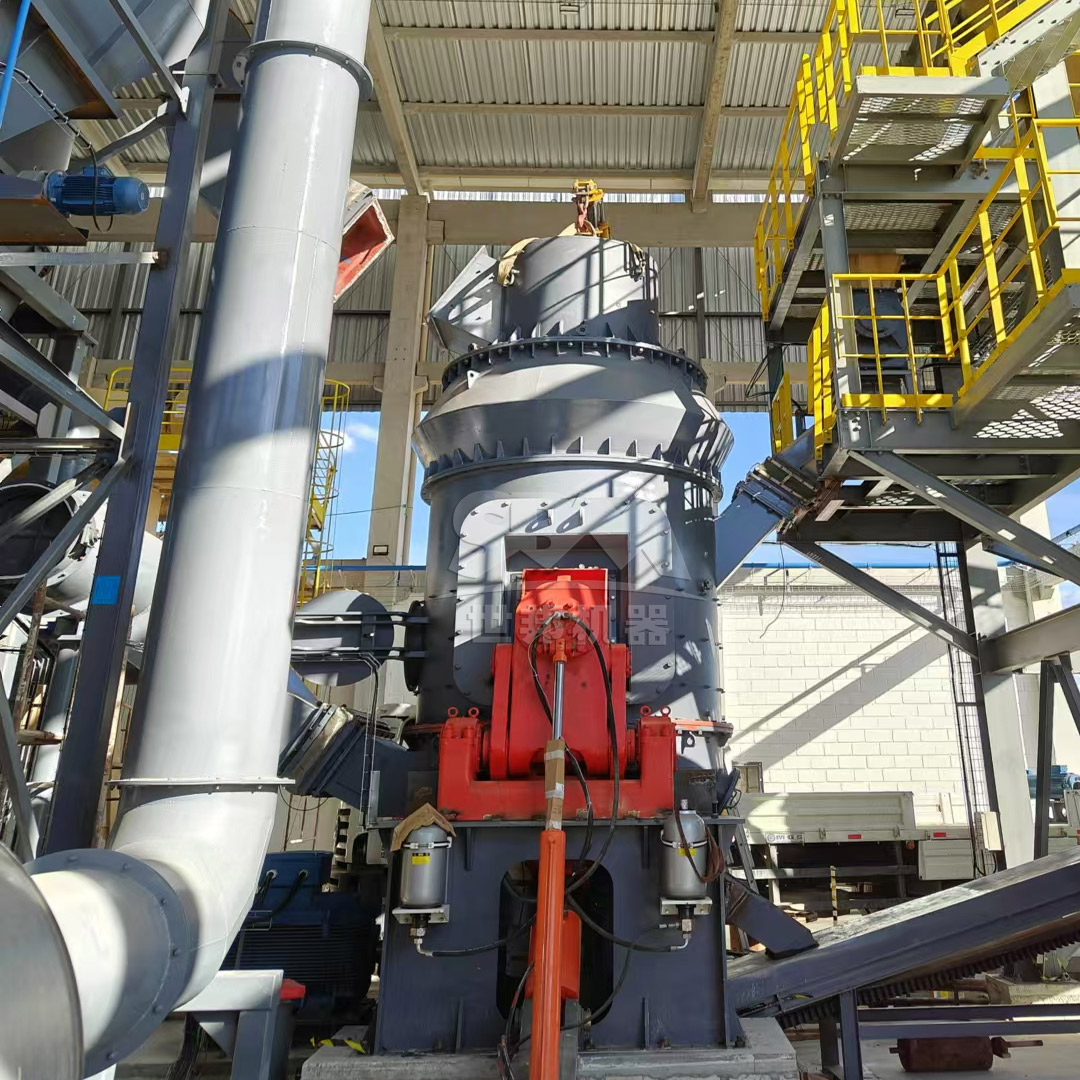
For coarse to medium fineness (30-325 mesh, or 600-45 microns), MTW Series European Trapezium Mills and LM Series Vertical Roller Mills are optimal choices. These mills, with integral bevel gear drives and optimized air ducts, offer high transmission efficiency and low operating costs. For ultrafine applications (325-2500 mesh, or 45-5 microns), the SCM Series Ultrafine Mill or LUM Ultrafine Vertical Roller Mill is recommended. These mills feature special roller and ring materials and vertical turbine classifiers to achieve precise particle size cutting.
Throughput requirements dictate the physical size and motor power of the mill. For small to medium capacities (0.5-25 tons per hour), the SCM Series offers a range of models from SCM800 to SCM1680. For large-scale industrial applications requiring up to 250 tons per hour, LM Series Vertical Roller Mills (LM130K to LM280K) or MTW Series mills (MTW175G to MTW215G) are recommended. It is important to consider the feed size as well; mills with larger feed openings (up to 50mm) can accept coarser materials, reducing the need for pre-crushing.
Coal with high moisture content (up to 15%) or high abrasiveness requires mills with specialized designs. LM Series Vertical Roller Mills feature hot air circulation systems that enable simultaneous drying and grinding, while their wear-resistant volute structures and non-contact roller/table designs reduce maintenance costs by up to 30%. For coal with high hardness, the MTM Series Medium-speed Trapezium Mill with spring pressure compensation ensures stable grinding force even as rollers wear.
| Selection Parameter | Recommendation for Coarse Grinding (30-325 mesh) | Recommendation for Ultrafine Grinding (325-2500 mesh) |
|---|---|---|
| Feed Size | ≤50mm (MTW, LM) | ≤20mm (SCM, LUM) |
| Capacity Range | 3-250 t/h (LM series) | 0.5-25 t/h (SCM series) |
| Key Feature | Integral bevel gear drive (MTW) | Vertical turbine classifier (SCM) |
| Energy Efficiency | 30-40% lower than ball mills | 2x capacity of jet mills |
| Ideal for | Power plants, cement kilns | Chemical industry, high-value additives |
Our company offers a comprehensive portfolio of industrial-grade pulverized coal production equipment. We highly recommend two models that cater to different but overlapping application needs.
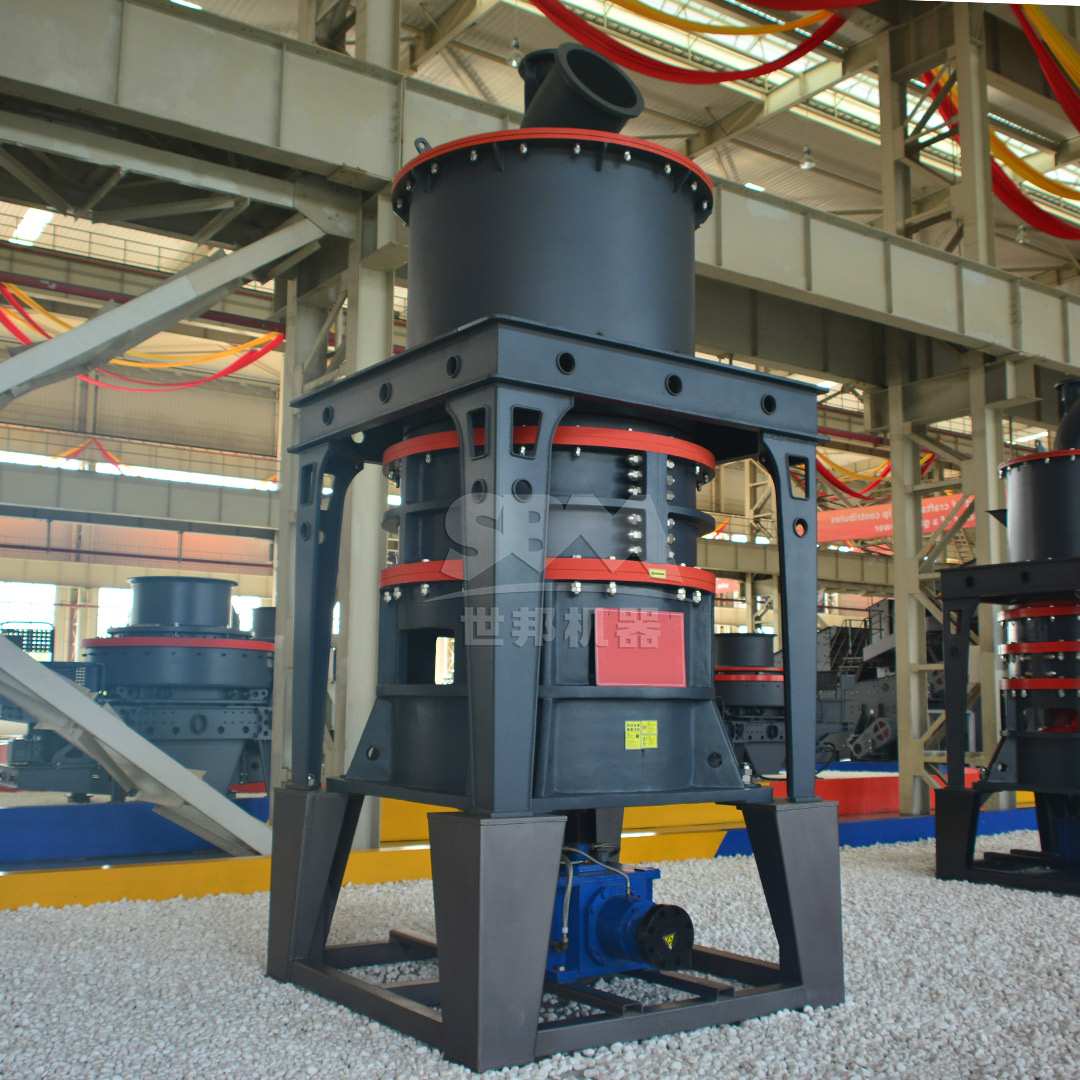
SCM Series Ultrafine Mill (Fineness: 325-2500 mesh, or 45-5μm)
The SCM Series is designed for applications requiring extremely fine powders. Its capacity ranges from 0.5 to 25 tons per hour, depending on the model (SCM800 to SCM1680). The mill features a unique three-layer grinding ring structure and a vertical turbine classifier that ensures no coarse powder contamination. With intelligent control and automatic feedback for product granularity, the SCM Series offers twice the capacity of jet mills while consuming 30% less energy. The shaftless screw grinding chamber and special material rollers guarantee long service life and stable operation. This mill is ideal for producing pulverized coal for specialized chemical applications or high-value additives where precise particle size distribution is critical.
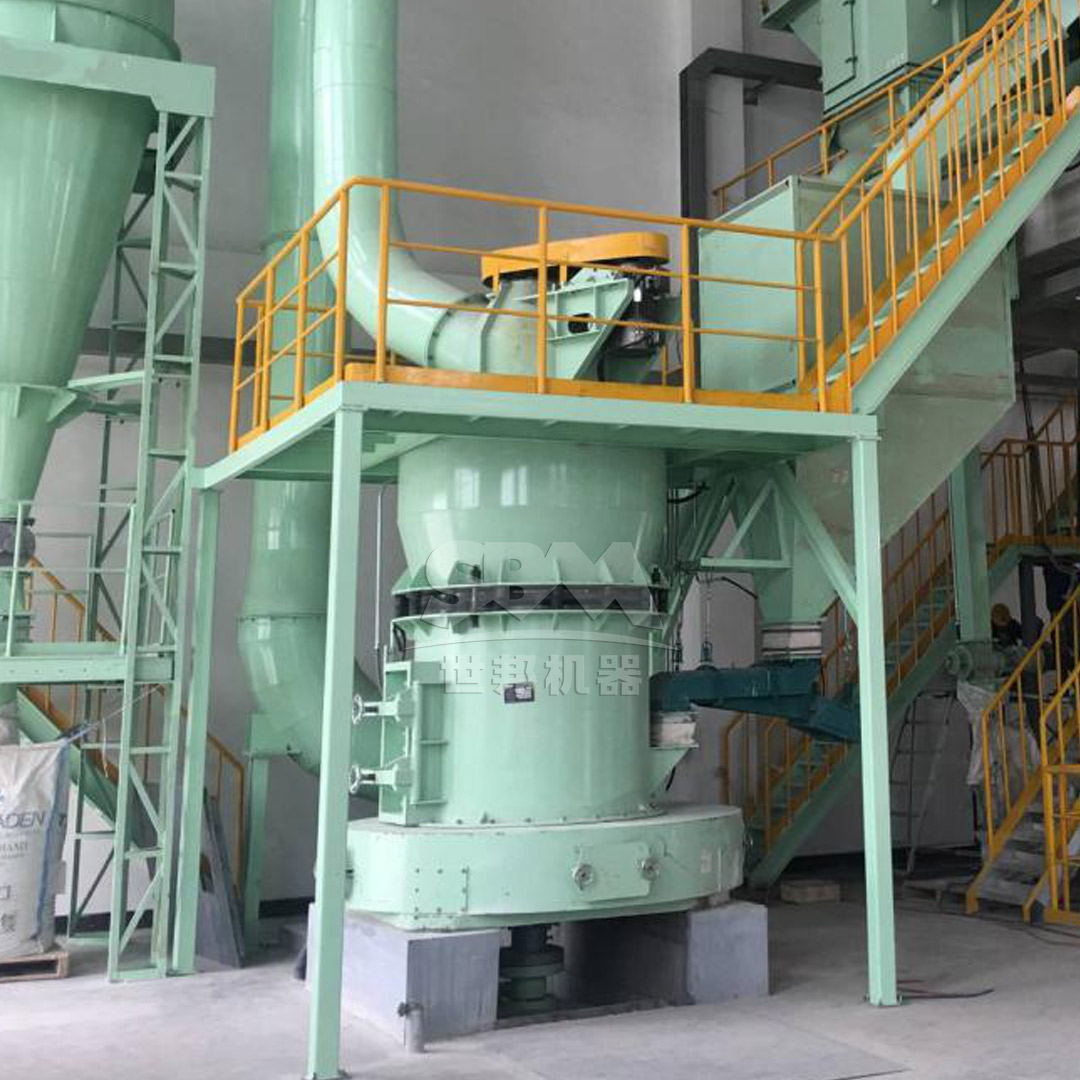
MTW Series European Trapezium Mill (Fineness: 30-325 mesh, or 600-45μm)
For general industrial pulverized coal production, the MTW Series stands out. With a capacity of 3 to 45 tons per hour and models like MTW110, MTW138Z, and MTW215G, this series is built for robustness. Its anti-wear shovel design and optimized arc air duct reduce maintenance costs and energy loss. The integral bevel gear drive achieves transmission efficiency up to 98%. The MTW Series also incorporates wear-resistant volute structures that improve air selection efficiency. It is particularly suited for power plants, cement plants, and coal-fired boilers that require consistent quality and high throughput. Both series are backed by patented technologies and rigorous quality control.
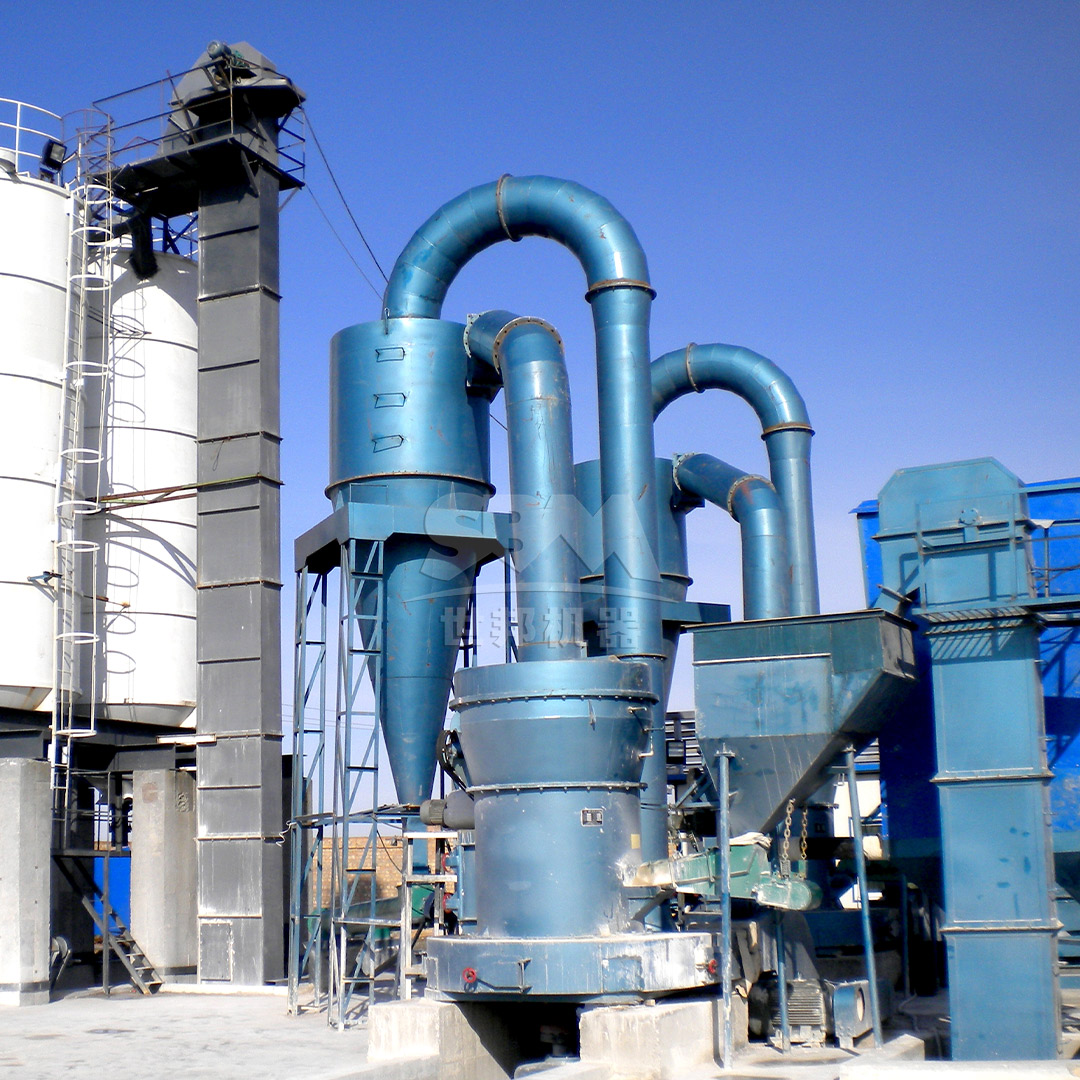
Selecting the right pulverized coal production equipment is a strategic decision that impacts operational costs, product quality, and environmental compliance. High-efficiency mills incorporating intelligent control, precise classification, and durable construction are the foundation of a cost-effective production line. Whether your priority is ultrafine fineness for specialty markets or high-capacity grinding for energy generation, the SCM and MTW Series offer proven solutions. We invite you to explore our complete range of mills, including LM Vertical Roller Mills and LUM Ultrafine Vertical Roller Mills, to find the perfect match for your industrial needs.