Bentonite is a versatile clay mineral that plays a critical role in various industries, from civil engineering and soil improvement to drilling fluids and environmental remediation. Processing this mineral effectively requires specialized equipment designed to handle its unique physical properties—high moisture content, swelling capacity, and abrasive nature. This guide provides a comprehensive overview of bentonite processing equipment, focusing on machinery systems that optimize grinding efficiency, classification accuracy, and output quality. We will explore key processing stages, technological innovations, and how modern solutions like vertical roller mills and ultrafine grinding systems can enhance your bentonite production line.
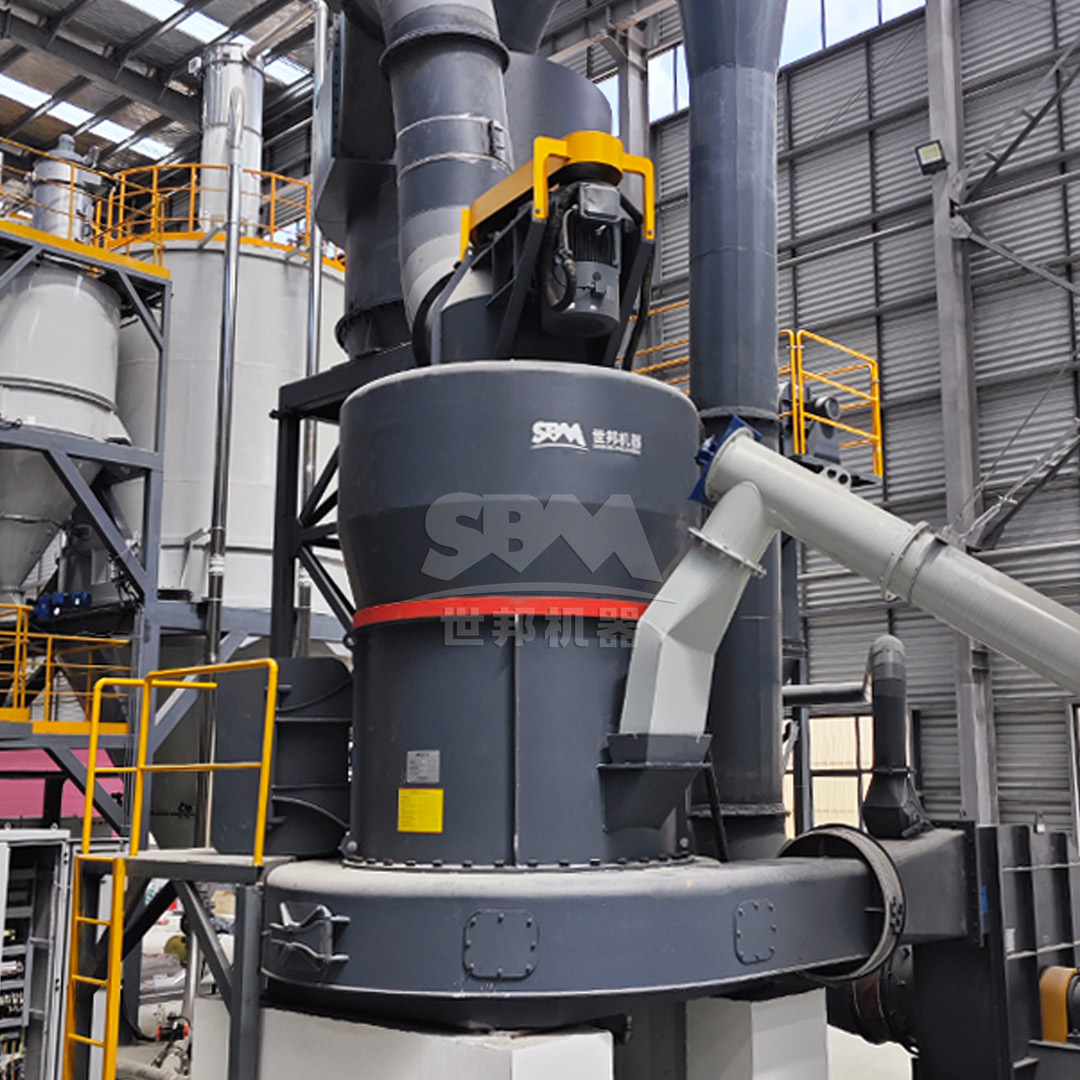
Raw bentonite, typically extracted in large chunks with a moisture content of 20-30%, must first undergo size reduction before entering the grinding circuit. Primary crushing equipment such as jaw crushers or hammer mills reduces the ore to a manageable size of ≤20mm to ≤50mm, depending on downstream requirements. For instance, the PC Series Hammer Mill from SBM can efficiently crush bentonite to 0-3mm with capacities up to 70 t/h, ensuring continuous feed for subsequent drying or grinding stages. A key consideration here is the handling of sticky material; therefore, our hammer mills feature optimized crushing cavities and high-manganese steel liners to withstand abrasion and prevent clogging.
Grinding is the heart of any bentonite processing operation. The choice of grinding equipment determines not only the particle size distribution (PSD) but also the swelling properties and rheological characteristics of the final product. Bentonite is typically processed to a fineness ranging from 45μm (325 mesh) for foundry and drilling applications to ultra-fine 5μm (2500 mesh) for premium products like cat litter and pharmaceuticals. Based on our extensive experience, we recommend two primary types of milling systems:
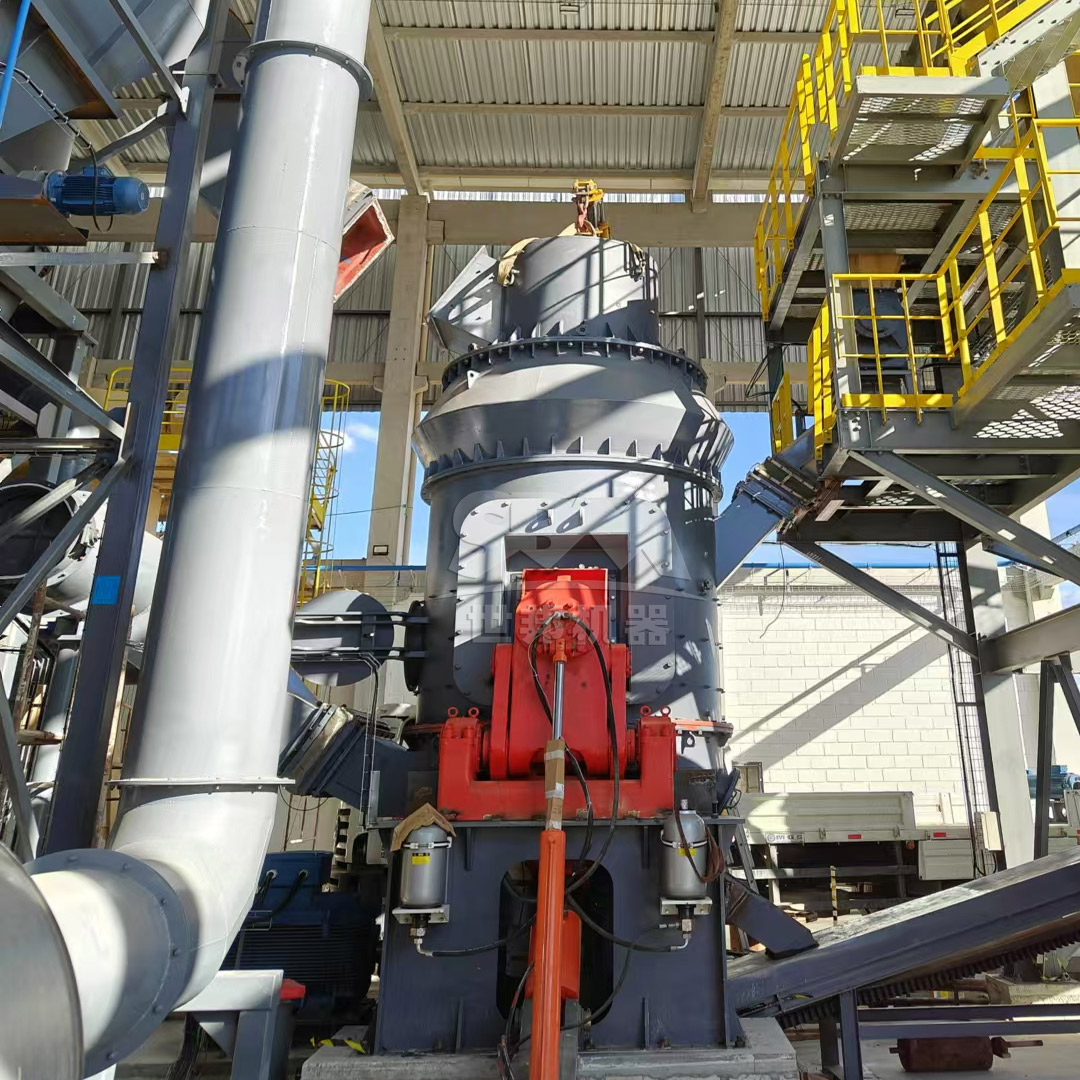
For large-scale operations, the LM Series Vertical Roller Mill is the optimal solution. Its integrated design can simultaneously grind and dry high-moisture bentonite (up to 15-20% moisture) using hot air, eliminating the need for a separate drying unit. The material is crushed between a rotating grinding table and stationary rollers, pulverizing material under bed pressure. This method is highly energy-efficient, consuming 30-40% less power than a traditional ball mill. The VRM also features an integrated classifier, allowing precise control of the finished product fineness—from 170μm down to 45μm. With capacities reaching up to 250 t/h, the LM Series significantly reduces the footprint and infrastructure costs, making it a preferred choice for large bentonite producers.
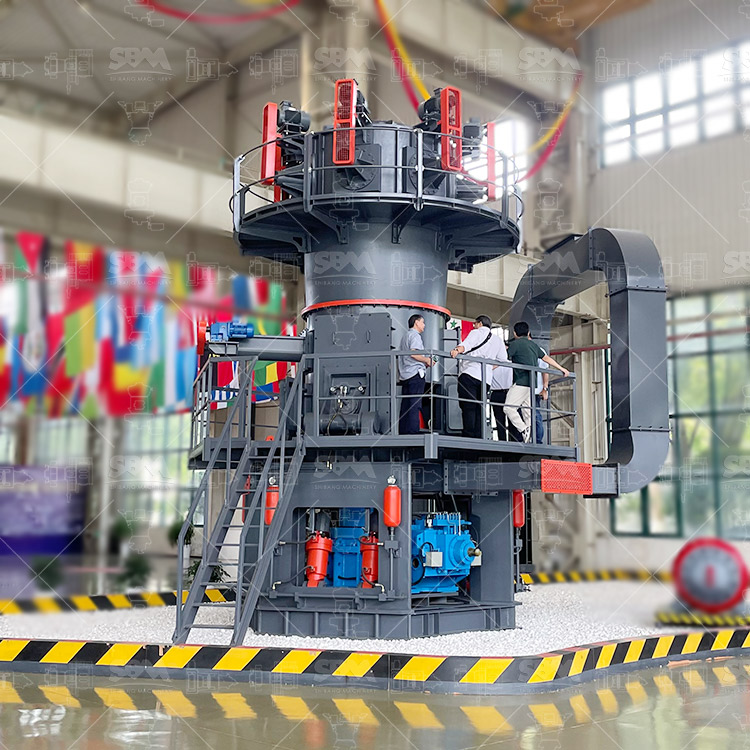
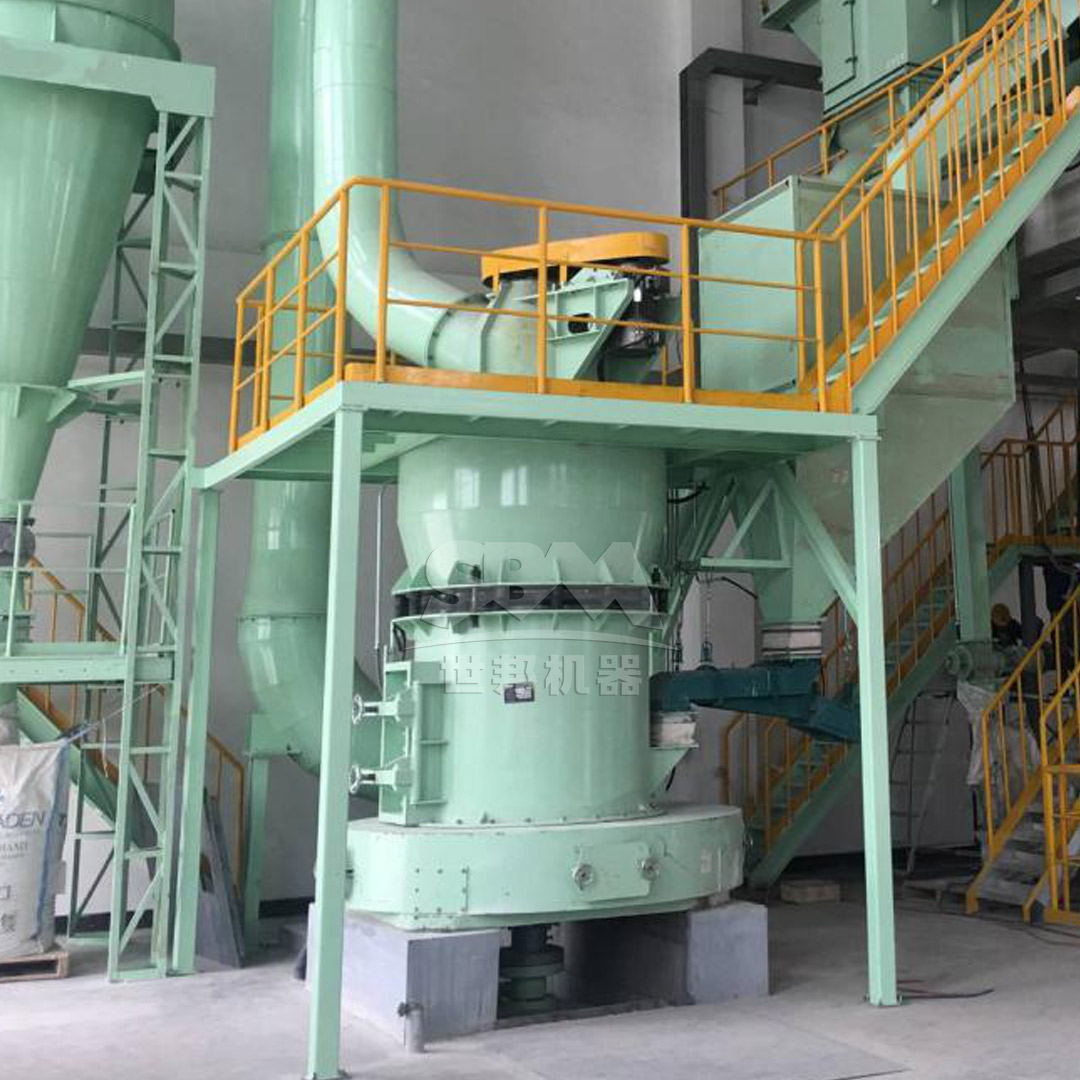
When the market requires higher value-added products with a fineness above 800 mesh (d97 ≤ 15μm), the SCM Series Ultrafine Mill is the industry benchmark. Unlike standard mills, the SCM series employs a multi-layer grinding ring and high-pressure rollers to achieve a super-fine output of 325-2500 mesh (5-45μm). It offers twice the capacity of traditional jet mills with 30% less energy consumption. The vertical turbine classifier ensures a completely uniform particle size with no coarse powder mixing, which is critical for products where consistency dictates performance, such as in rheological control agents for drilling mud. The SCM mill features an intelligent control system with automatic feedback on granularity, ensuring stable and repeatable product quality.
| Model | Capacity (t/h) | Main Power (kW) | Fineness (mesh) |
|---|---|---|---|
| SCM800 | 0.5-4.5 | 75 | 325-2500 |
| SCM1250 | 2.5-14 | 185 | 325-2500 |
| SCM1680 | 5.0-25 | 315 | 325-2500 |
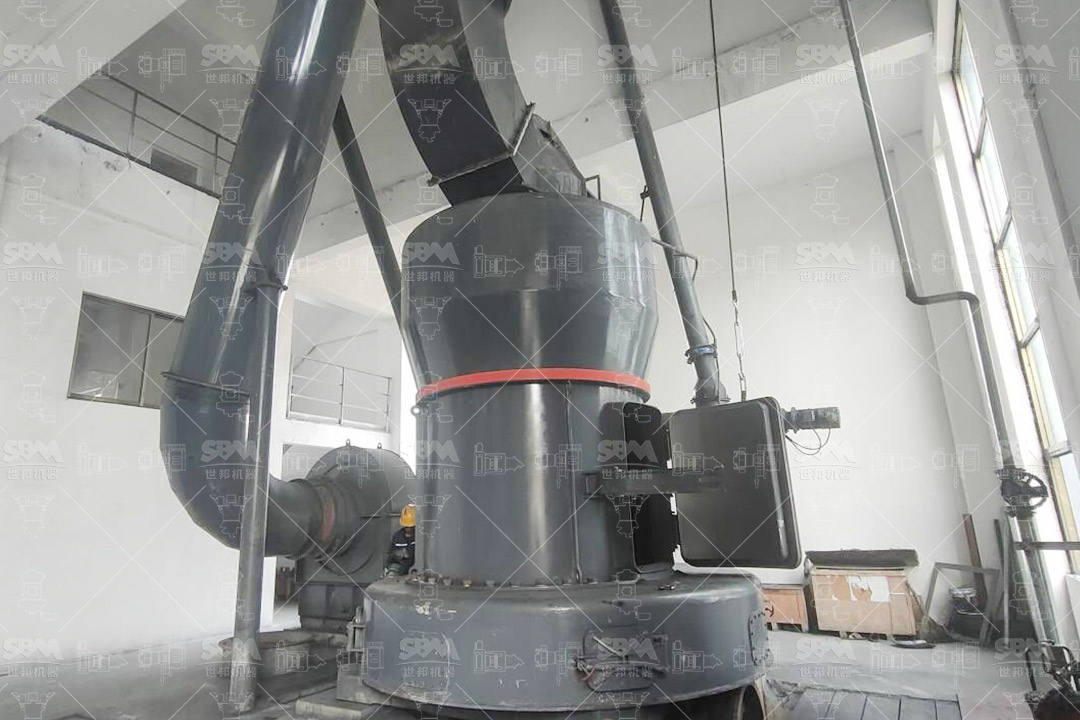
After grinding, the material must be classified to ensure the target fineness. Modern bentonite plants primarily use dynamic classifiers, which adjust the rotor speed to control the cut point. In the MTW Series European Trapezium Mill, the classification system works harmoniously with the grinding chamber. This mill uses an integral bevel gear drive (98% transmission efficiency) and an optimized arc air duct to reduce energy loss. The classifier precisely separates fine powder, while the ambient air system ensures no over-grinding. The collection system typically involves a high-efficiency pulse dust collector. Our patented technology integrates a pulse dust removal system that exceeds international emission standards, ensuring that the plant is eco-friendly and meets strict regulatory requirements.
In the field of soil improvement, bentonite is often used as a binder or sealant. For this application, a coarser grind (80-200 mesh) is required, but the moisture content must be lowered to below 10%. Here, the MTM Series Medium-speed Trapezium Mill is instrumental. Featuring an intelligent pressure regulation system with spring compensation, the MTM mill automatically adjusts for roller wear to maintain consistent pressure. The horizontal pull-rod roller assembly allows the mill to handle larger feed sizes without damaging the main shaft bearings. With capacities up to 22 t/h, the MTM series is a cost-effective solution for producing bentonite powder used in construction slurry walls and soil sealing.
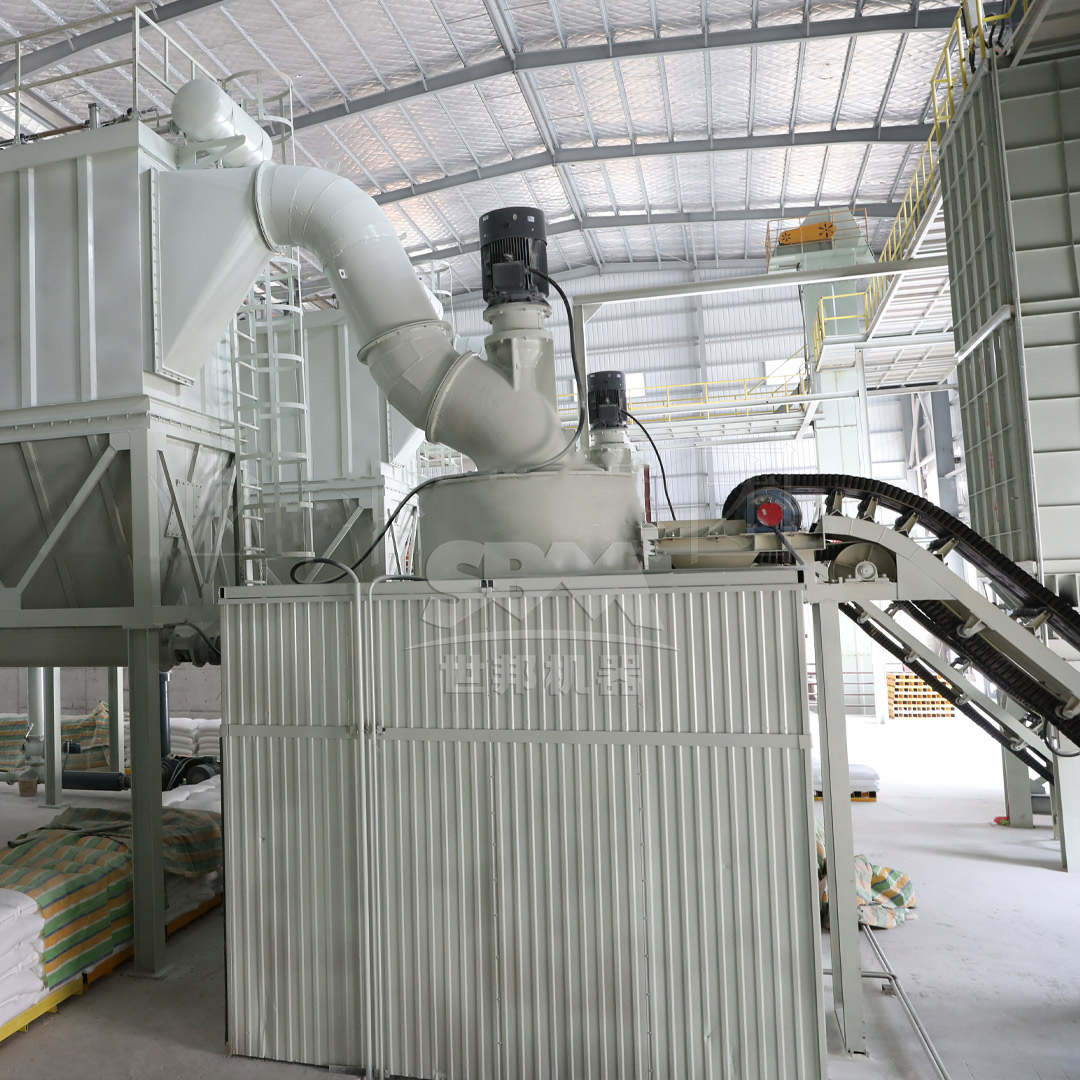
For producers aiming to maximize yield and achieve ultra-fine consistency, we strongly recommend integrating the LUM Series Ultrafine Vertical Roller Mill. This model combines the space-saving benefits of a vertical mill with the fineness capabilities of a jet mill classifier. The LUM mill utilizes a multi-rotor dynamic classifier to ensure a sharp particle size distribution with zero coarse-particle contamination. Its PLC automation system allows for fully automated monitoring and adjustment of pressure, temperature, and volume.
| Model | Capacity (t/h) | Fineness (μm) |
|---|---|---|
| LUM1525 | 1.6-11.5 | 5-30 |
| LUM1836 | 2.3-15 | 5-30 |
This machine is specifically engineered for low operating costs—the non-contact design between the rollers and the table extends wear life by three times compared to traditional mills. The negative pressure operation guarantees zero dust leakage, making it perfect for environmentally sensitive areas. By choosing the LUM mill, you ensure superior product quality for the most demanding bentonite applications.
Selecting the right bentonite processing equipment depends on your target market, required throughput, and energy constraints. For primary size reduction, robust hammer mills are essential. For standard industrial powder (45-100μm), the MTW or MTM series provide a perfect balance of efficiency and investment cost. For high-capacity integrated drying and grinding, the LM Vertical Roller Mill dominates the landscape. Finally, for micronized premium powder, the SCM and LUM series are unmatched in precision and efficiency.
Our engineers can design a complete turnkey system tailored to your specific bentonite ore properties and final product specifications. We provide comprehensive technical support, from feasibility studies to installation and commissioning, ensuring your soil improvement machinery operates at peak efficiency.