Bentonite, a clay mineral primarily composed of montmorillonite, is widely used in drilling muds, foundry binders, iron ore pelletizing, and civil engineering. Its unique ability to absorb water and expand—often by several times its original volume—makes it indispensable in the construction of slurry walls, tunnel boring, and horizontal directional drilling. However, processing raw bentonite into a high-quality, suspension-grade powder is a complex task that demands precise control over particle size distribution, moisture content, and specific surface area. This is where advanced grinding equipment becomes the linchpin of operational success.
This comprehensive guide dives deep into the world of mud suspension bentonite processing equipment. We will analyze the key selection criteria, explore optimal system configurations, and dissect the economics of cost-efficiency. Whether you are setting up a greenfield plant or upgrading an existing line, understanding the interplay between feed material characteristics and mill technology is critical. We will specifically benchmark the performance of high-pressure suspension mills, ultrafine vertical roller mills, and European trapezium mills—the three powerhouses in this industry—to help you make an informed, data-driven decision.
Before selecting any equipment, one must analyze the physical and chemical properties of the raw bentonite. Most bentonite deposits contain moisture levels between 10% and 20%, and the feed size can range from 50mm down to 10mm after primary crushing. For drilling-grade bentonite (API 13A standard), the critical specifications are:
A key technical challenge is the presence of sand and non-clay impurities. This necessitates an integrated system that combines crushing, drying (if needed), grinding, and air classification to achieve a consistent product with a narrow particle size distribution. The choice of mill is not simply about capacity; it is about maximizing the ‘exfoliation ratio’ of the montmorillonite layers, which directly impacts the viscosity and yield point of the final drilling mud.
Selecting the wrong mill can lead to high energy consumption, excessive wear, and subpar product quality. Here are the non-negotiable criteria for a bentonite processing system:
A. Particle Size Control Precision: The milling equipment must offer a wide adjustment range. For instance, a standard 200 mesh product is easy; but producing a 1000-mesh (13 μm) product for high-end drilling fluids requires a classifier with exceptional precision. Any coarse particle contamination (‘coarse oversize’) will cause rapid wear on mud pumps and damage downhole tools.
B. Wear Resistance: Bentonite is abrasive due to its silica content. Grinding rollers and rings must be made of wear-resistant alloys (e.g., high-chrome or composite materials). A mill with ‘normal’ steel parts will see maintenance intervals shrink to days, not months, in this application.
C. Energy Efficiency: Grinding is an energy-intensive process (30-70 kWh per ton). Opting for a mill with a ‘bed grinding’ principle rather than ‘impact grinding’ can reduce energy usage by up to 40%.
D. Drying Capability: If the input moisture is above 10%, the mill system should integrate hot air drying inside the grinding chamber. The air flow not only conveys particles but also removes surface moisture, eliminating the need for a separate rotary dryer in many cases.
Three dominant technologies are used in this industry. We have compared them based on actual plant performance data for bentonite:
| Technology | Output Fineness | Energy Consumption (kWh/t) | Main Risk Factor |
|---|---|---|---|
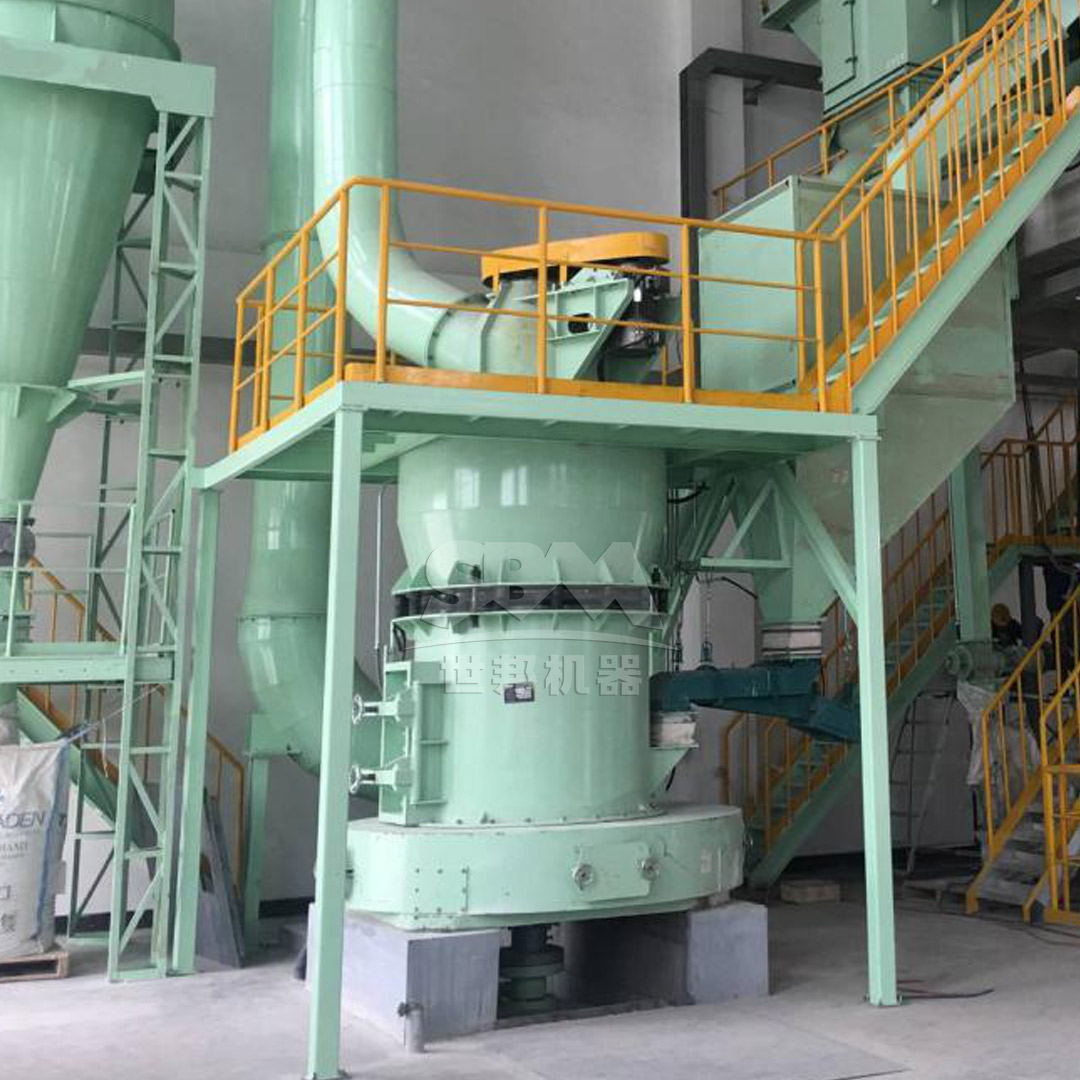
| High-Pressure Suspension Mill (e.g., MTM) | 45-325 mesh (0.038-0.045mm) | 30-40 (lower due to spring pressure) | Ring wear under heavy load |
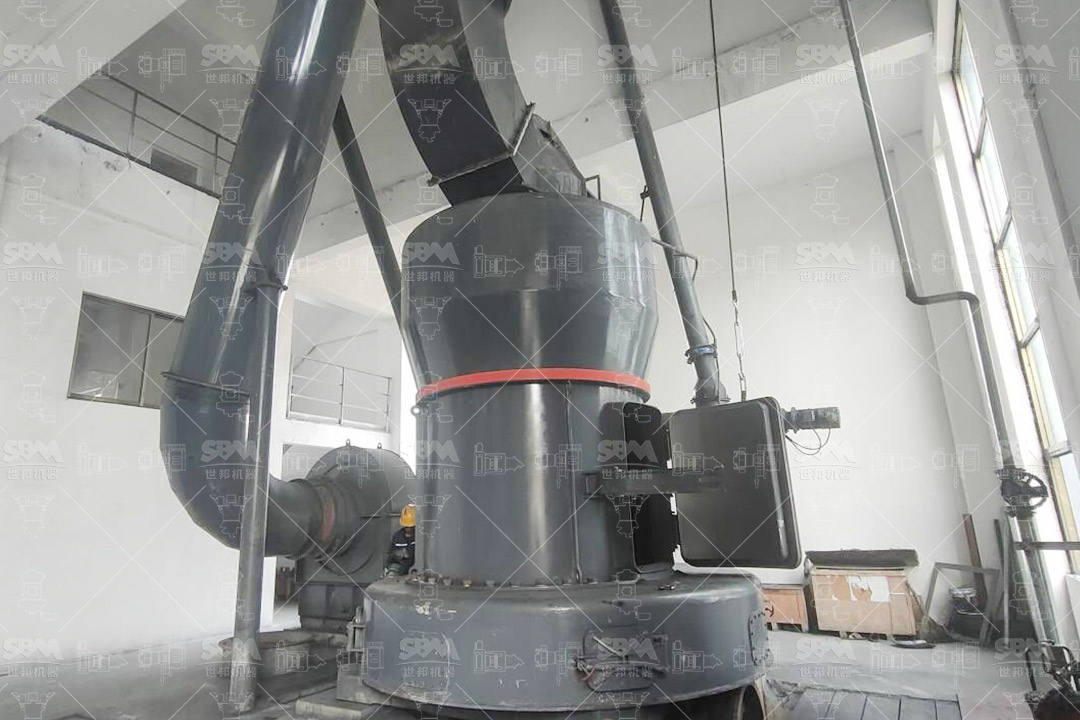
| European Trapezium Mill (e.g., MTW) | 30-325 mesh (0.038mm) | 25-35 (integral bevel gear drive, 98% efficiency) | Heat build-up in classifier |
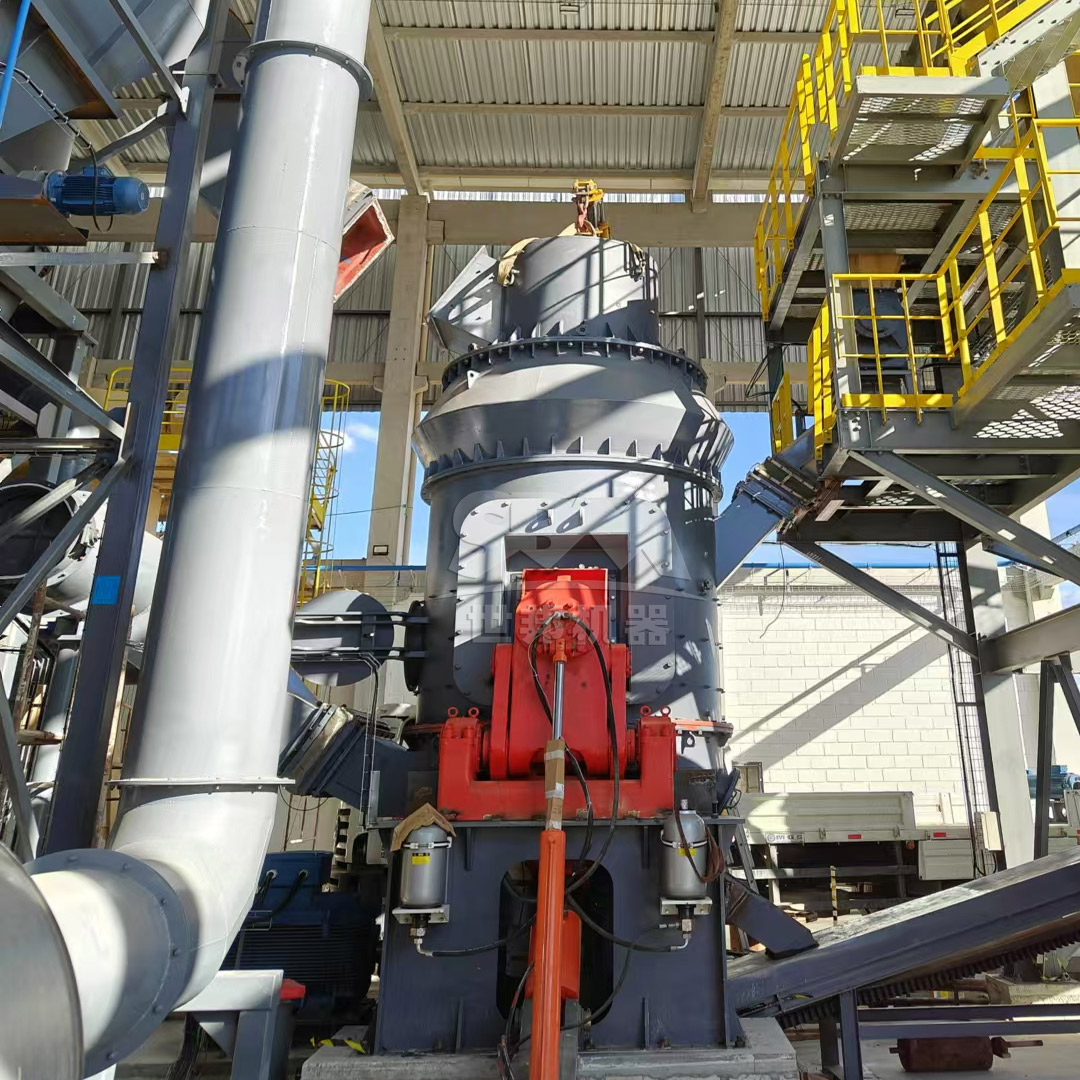
| Vertical Roller Mill (e.g., LM) | 45-600 mesh (special models) | 20-30 (bed grinding, 30-40% less than ball mills) | Vibration control needed for soft materials |
The data suggests that while all three can effectively process bentonite, the Vertical Roller Mill (VRM) offers the lowest energy consumption per ton due to its integrated drying, grinding, and classification system. However, for smaller capacities (under 20 t/h), a high-pressure suspension mill (like the MTM series) may present a lower capital expenditure (CAPEX) entry point while still delivering acceptable efficiency.
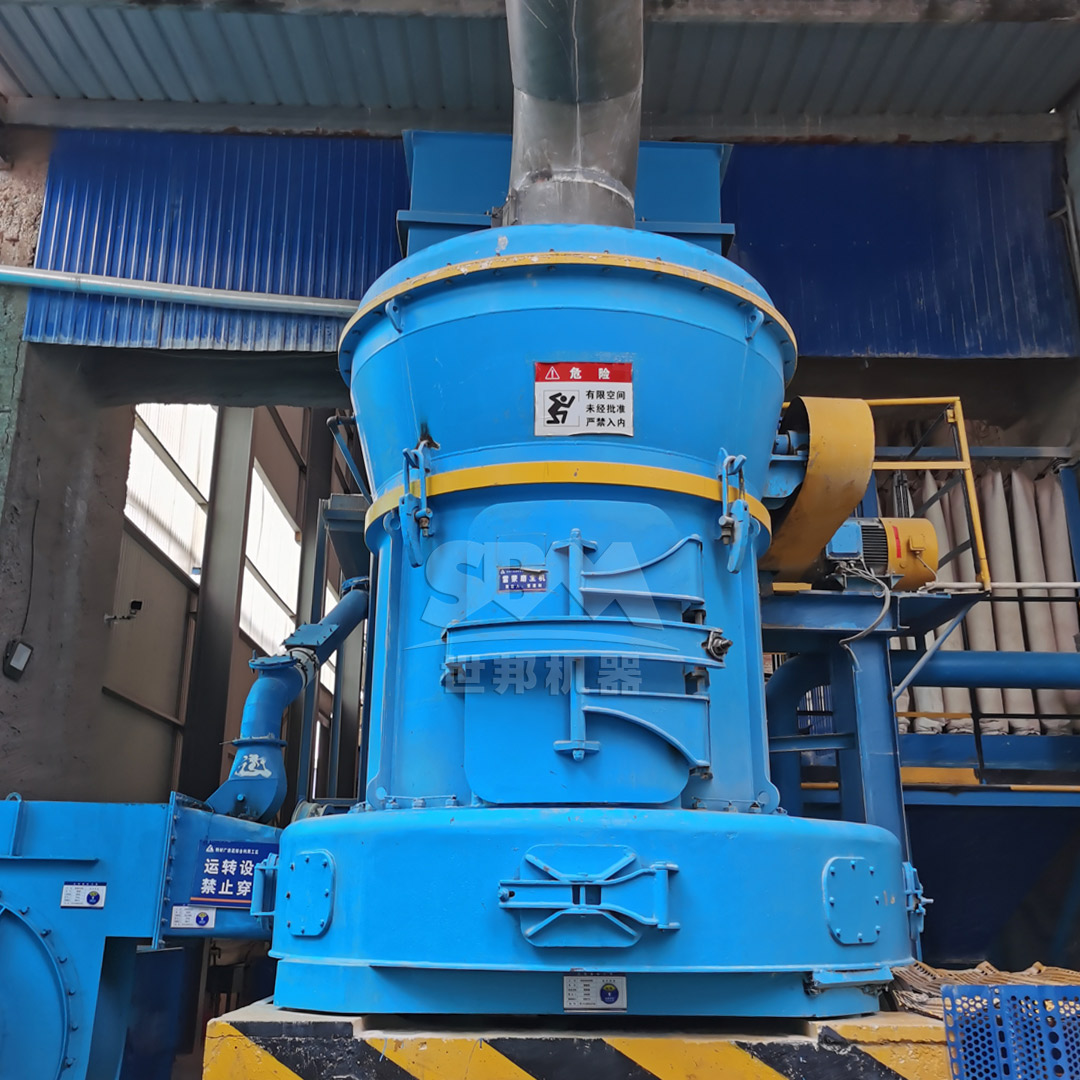
For bentonite producers prioritizing high capacity and extreme fineness (down to 5 microns) for advanced suspension fluids, we recommend two specific systems from our product line:
Recommended Option A: SCM Series Ultrafine Mill
If your target is a fine-to-ultrafine powder (325-2500 mesh / 45-5 μm), the SCM Series is our top recommendation. It employs a unique three-layer grinding ring design that disperses material via centrifugal force. It is engineered to provide capacity double that of traditional jet mills while consuming 30% less energy. This is particularly useful for producing premium ‘super-gel’ bentonite for oil and gas drilling.
Recommended Option B: MTW Series European Trapezium Mill
For standard API-grade drilling mud (30-325 mesh), the MTW Series is the industry workhorse. Its key advantage lies in its integral bevel gear drive which achieves 98% transmission efficiency, directly translating to lower power bills. The anti-wear shovel design and optimized arc air duct ensure stable operation even with high-moisture feeds, making it ideal for 24/7 continuous production.
Both models incorporate pulse dust collectors that exceed international emission standards, ensuring your plant meets strict environmental regulations. The intelligent control systems automatically adjust the classifier speed to maintain consistent product granularity, eliminating the risk of off-spec production.
A complete bentonite processing plant configured for mud suspension typically follows this flow:
Let’s compare operating costs for a plant needing 10 tons per hour of 200-mesh bentonite.
Q: Can I use a hammer mill to produce fine bentonite powder?
A: No, hammer mills are only suitable for coarse crushing (0-3mm). Trying to grind to 200 mesh will result in excessive energy use and very high wear rates.
Q: What type of classifier is best for avoiding coarse particles?
A: A vertical turbine classifier (as used in our SCM series) is best. It provides a precise cut point and eliminates ‘coarse mixing’ efficiently.
Q: How does the ‘bed grinding’ principle save energy?
A: In bed grinding (VRM), the material is crushed between rollers and a rotating table. The friction is internal to the material bed, rather than metal-on-metal, which reduces wear and motor power draw compared to ‘impact’ grinding.
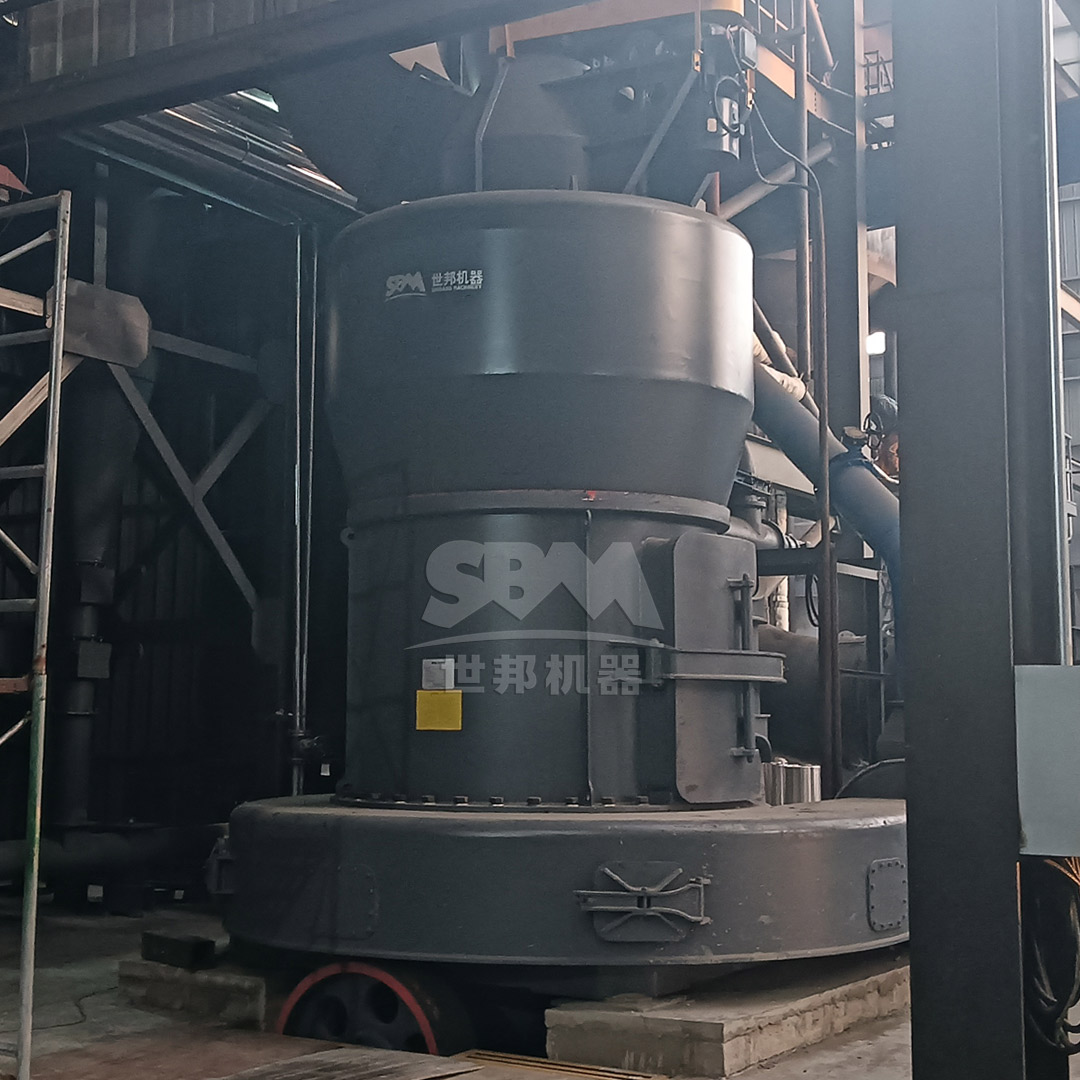
Choosing the right mud suspension bentonite processing equipment is a balance of technical precision and economic rationale. Assess your raw material, define your target fineness distribution, and calculate your long-term power costs. For capacities between 3 and 45 tons per hour with standard fineness, the MTW Series offers unmatched reliability and gear-driven efficiency. For ultra-fine grades (325-2500 mesh), the SCM Series is the clear winner in terms of throughput and energy savings.
We invite you to conduct a material test in our laboratory. Our engineers are ready to configure a system that matches your specific bentonite characteristics, ensuring that your investment yields the highest possible return through superior product quality and minimized operational costs.