Bauxite is the primary raw material for high-alumina refractories, which are essential in high-temperature industrial applications such as steelmaking, cement production, and glass manufacturing. The transformation of raw bauxite into a dense, thermally stable refractory aggregate requires a carefully controlled processing line. Unlike metallurgical bauxite, refractory-grade bauxite must be calcined at high temperatures to achieve the necessary mullite phase, which provides superior volume stability and thermal shock resistance. This process involves three critical stages: size reduction (crushing), thermal treatment (rotary kiln calcination), and fine grinding (milling). Each stage demands specialized equipment engineered for wear resistance, thermal efficiency, and precise particle size control. In this article, we explore the core machinery used in this industry, focusing on rotary kilns, crushers, and grinding mills, and we highlight advanced milling solutions from our product line that enhance productivity and product quality.
Before any thermal treatment can occur, run-of-mine bauxite, which can contain lumps up to 500 mm, must be reduced to a manageable size for kiln feed. Typically, a feed size of 20-40 mm is required for rotary kilns. The crushing stage involves two steps. Primary crushing uses heavy-duty jaw crushers or impact crushers to reduce the material to below 100 mm. Secondary crushing, often employing hammer crushers or cone crushers, further reduces the ore to the target size.
For refractory plants focused on cost-efficiency, our PC Series Hammer Mill is an ideal secondary crusher. With a feed size of up to 40 mm, it can produce a final output of 0-3 mm in a single pass, effectively combining secondary and tertiary crushing. For instance, the PC4015-132 model, with a rotor diameter of 1150 mm and width of 1500 mm, delivers a capacity of 40-70 t/h with a 132 kW motor. Its high-manganese steel liners ensure longevity when processing abrasive bauxite, while the optimized crushing cavity ensures a high crushing ratio and stable operation. This compact unit minimizes floor space and investment cost, making it a practical choice for medium-sized refractory operations.
The rotary kiln is the most critical component in producing refractory-grade bauxite. The process, known as calcination, involves heating the bauxite to temperatures between 1500°C and 1700°C. This high-temperature treatment transforms the hydrated alumina phases into corundum (α-Al2O3) and promotes the formation of mullite (3Al2O3·2SiO2). The quality of the final refractory aggregate—specifically its bulk density, porosity, and water absorption—is directly dependent on the kiln’s temperature profile, residence time, and atmosphere control.
Modern rotary kilns for bauxite are typically 40 to 80 meters long with a diameter of 3 to 4.5 meters. They are lined with high-alumina bricks to withstand the extreme thermal load. The kiln rotates slowly, usually 1-3 RPM, causing the bauxite to tumble and move down the slight incline toward the burner flame. A counter-current airflow is used where hot gases from the burner pass over the material, maximizing heat exchange. One of the key challenges is preventing the bauxite from sticking to the kiln walls, which requires precise control of the sintering zone temperature. Recent advancements include the use of oxygen-enriched combustion to increase flame temperature and reduce specific heat consumption, as well as advanced shell cooling systems to stabilize the refractory lining life.
After exiting the kiln, the hot calcined bauxite must be rapidly cooled in a rotary cooler. This step is essential to fix the crystalline structure and prevent rehydration. The cooled material, now dense and hard, has a Mohs hardness of approximately 9, making it extremely abrasive to downstream equipment.
While some refractory applications use calcined bauxite in the form of coarse aggregates (1-5 mm), many high-performance products, such as castables, gunning mixes, and ramming masses, require finely ground bauxite powder. The fineness typically ranges from 45 μm to 325 mesh. This grinding stage is the most energy-intensive part of the processing plant. The extreme hardness of calcined bauxite demands mills with superior wear resistance and high grinding efficiency.
Traditional ball mills have been used for this purpose, but they suffer from high energy consumption and significant metal wear. To address these industry pain points, our company has developed advanced grinding technologies, including the MTW Series European Trapezium Mill and the LM Series Vertical Roller Mill. These machines offer significantly lower energy consumption, higher capacity, and better particle size distribution compared to conventional ball mills.
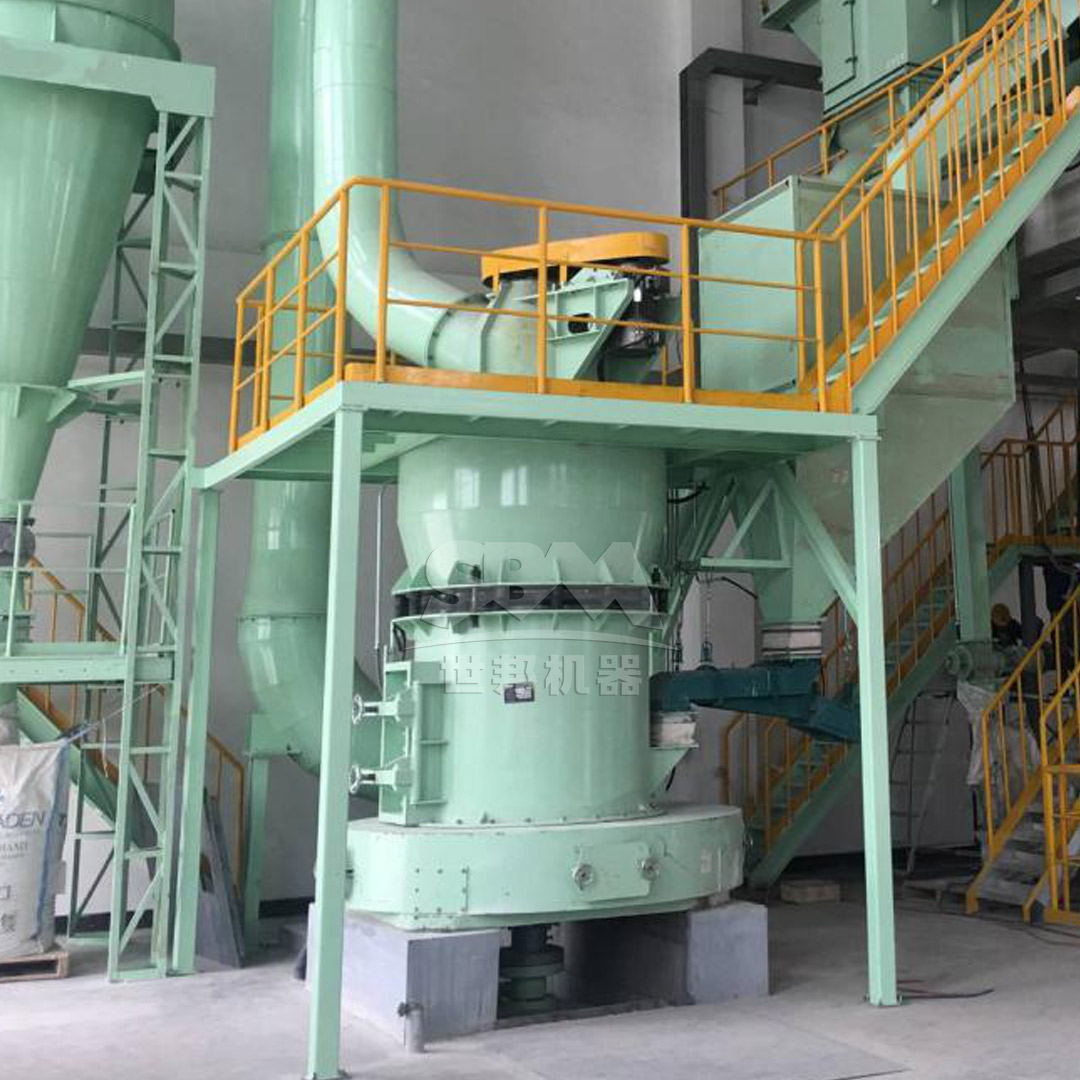
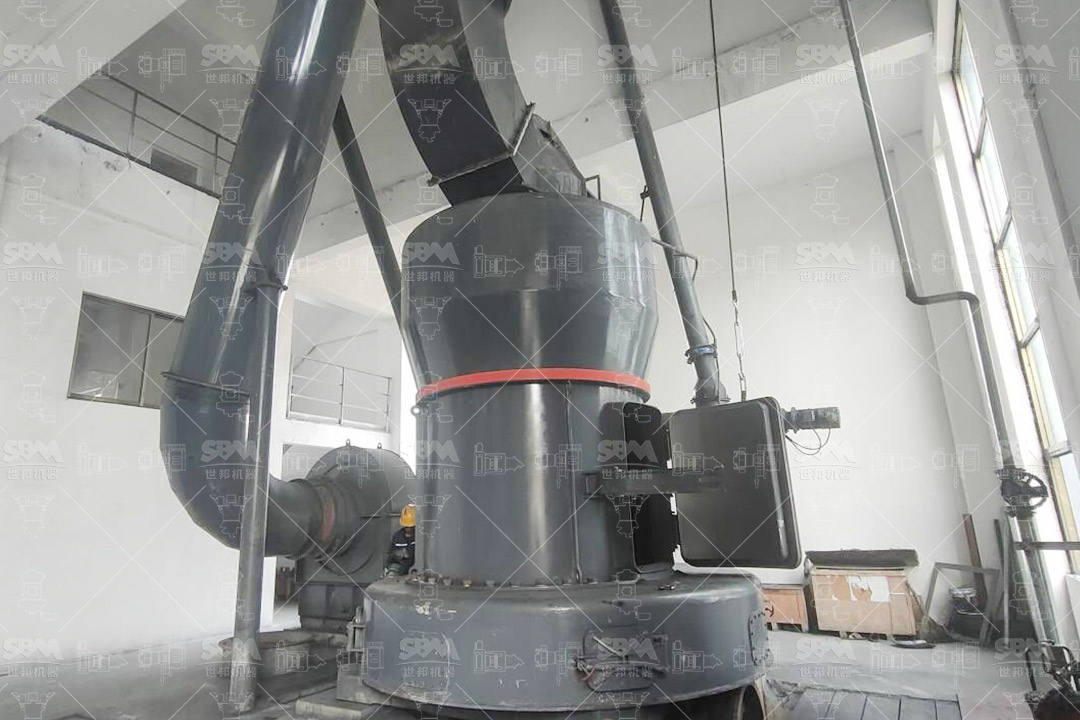
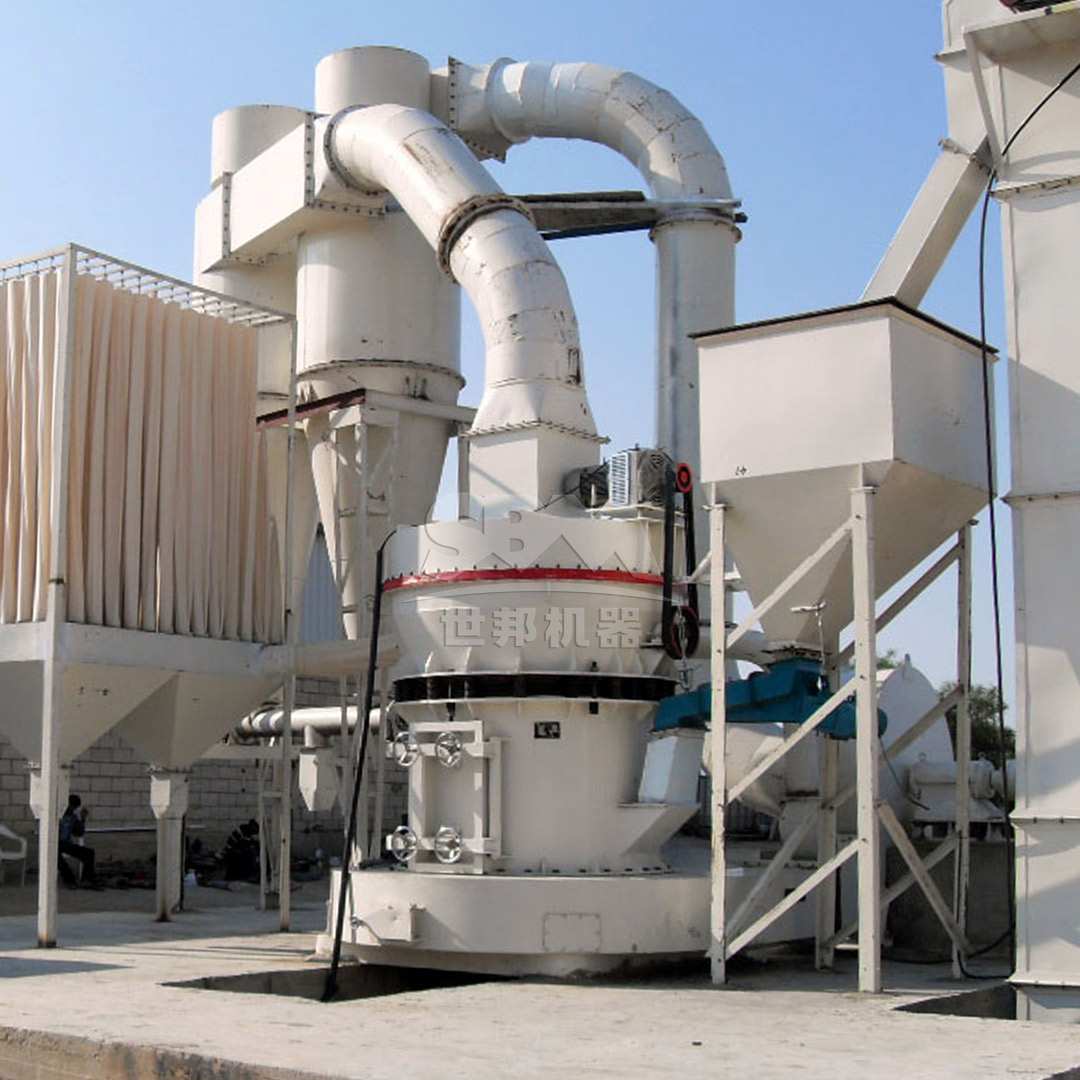
For refractory manufacturers requiring a consistent throughput of 45-325 mesh powder, the MTW series is an excellent solution. The MTW215G model, for example, operates with a main power of 280 kW and can process between 15 and 45 tons per hour, depending on the targeted fineness. Its integral bevel gear drive system achieves a transmission efficiency of up to 98%, significantly cutting energy losses. The optimized arc air duct reduces airflow resistance, preventing material accumulation. A key feature is the anti-wear shovel design, which uses combined blade segments to reduce maintenance downtime by up to 30%.
In a typical bauxite processing line, the calcined material from the cooler is fed into the MTW mill after being crushed to a feed size of less than 30-50 mm. The mill’s internal classifier precisely controls the output fineness, ensuring that no coarse powder contaminates the final product. This precision is crucial because oversized particles in refractory castables can create weak points. The MTW series is directly recommended for clients aiming to replace outdated Raymond mills or ball mills to achieve higher output with lower operational costs.

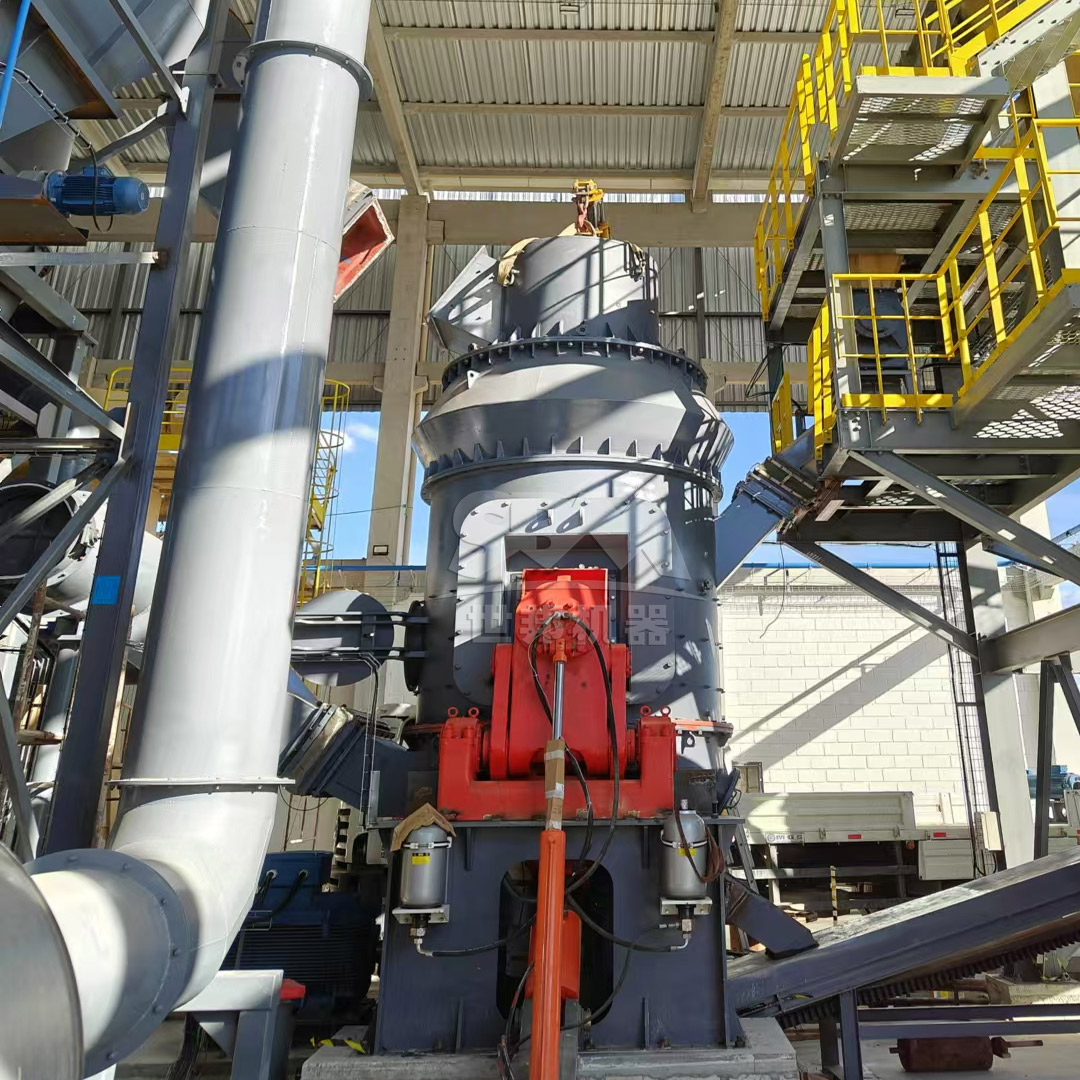
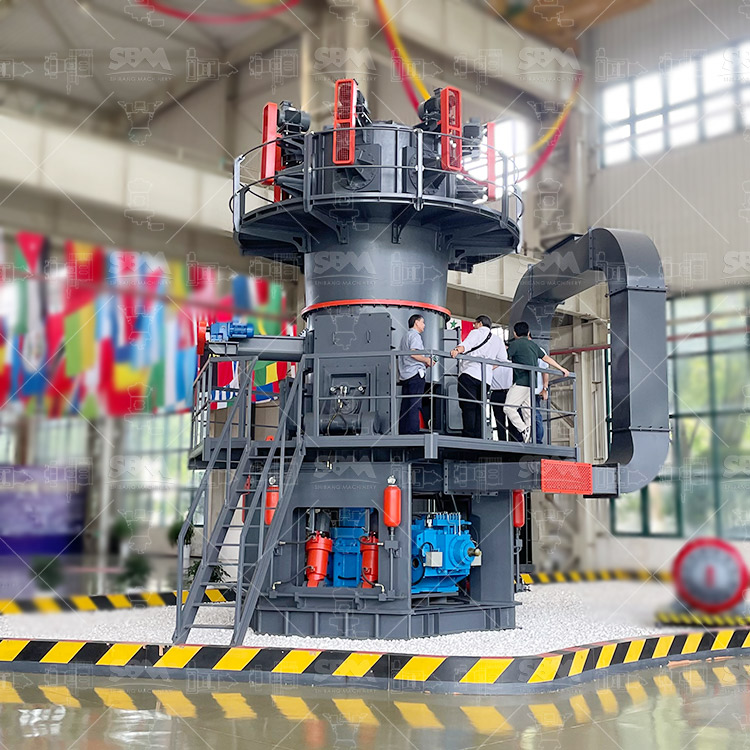
For large-scale refractory producers needing capacities above 50 tons per hour, the LM series Vertical Roller Mill offers a unique advantage: it integrates drying, grinding, and classification into one unit. The LM220K model, equipped with an 800 kW motor, can produce 36-105 t/h of fine powder with a fineness of 170-45 μm. This is particularly beneficial when processing bauxite with residual moisture, as the hot air inside the mill simultaneously dries the material. The grinding rollers are designed to have zero metal-to-metal contact with the table, eliminating the impact wear common in ball mills and extending the service life of wear parts by three times.
Although vertical mills require a higher initial capital investment, the operating economics are compelling. They consume 30-40% less energy than ball mill systems for the same grinding task. This is because the grinding mechanism relies on bed grinding—material is crushed under the weight of the rollers on a bed of particles—rather than impact attrition using heavy steel balls. Furthermore, the floor space requirement is reduced by 50%, lowering civil engineering costs. For greenfield refractory projects, the LM series is the recommended technical choice.
In the production of specialized low-cement castables and refractory coatings, there is a growing demand for ultrafine bauxite powder in the range of 325-2500 mesh (45-5 μm). This micro-powder acts as a reactive filler, enhancing the packing density and mechanical strength of the refractory body. Our SCM Series Ultrafine Mill is specifically engineered for this task. The SCM1250 model, with a main power of 185 kW, delivers a capacity of 2.5-14 t/h, robust for an ultrafine application.
The SCM mill utilizes a unique three-layer grinding ring design. Materials are dispersed by centrifugal force and crushed layer-by-layer, resulting in a uniform particle shape with no coarse powder mixing when paired with its vertical turbine classifier. This classifier provides high-precision particle size cutting, essential for guaranteeing that 100% of the product passes the 2500 mesh screen if required. Additionally, the special alloy material used in the rollers and rings extends their service life several times over conventional mills, reducing operational costs. The intelligent control system automatically adjusts the classifier speed based on real-time feedback of finished product granularity, ensuring stable quality during continuous production.
Selecting the right equipment for bauxite processing is a complex decision that impacts the entire value chain of refractory manufacturing. The abrasive nature of calcined bauxite demands machinery with robust wear protection, while the high energy costs in grinding necessitate high-efficiency technologies. Crushers prepare the material, rotary kilns unlock the high-temperature properties, and grinding mills tailor the particle size to specific applications.
Based on decades of engineering experience in the mineral processing industry, we strongly recommend two primary configurations for refractory producers: For general refractory powder (30-325 mesh), the MTW Series European Trapezium Mill provides the best balance of capacity, energy efficiency, and fineness control. For producers requiring high-value micro-powder (325-2500 mesh) or those with large capacities, the LM Series Vertical Roller Mill and SCM Series Ultrafine Mill offer superior performance and long-term reliability. Our technical team can provide detailed simulations and on-site tests to help you determine the optimal solution for your specific raw material characteristics, ensuring your production line runs at peak efficiency with minimal downtime.