
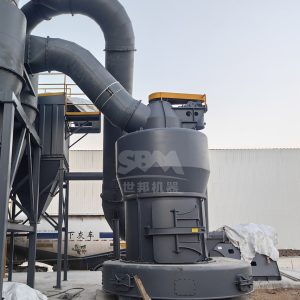
Introduction: The Critical Role of Talc in Modern Ceramic Tile Manufacturing The ceramic tile industry has undergone significant technological evolution, with material science playing a pivotal role in enhancing product quality and manufacturing efficiency. Among various mineral additives, talc has emerged as a crucial component in ceramic tile formulations, contributing to improved mechanical properties, thermal […]
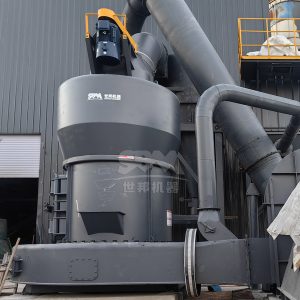
Introduction: The Critical Role of Limestone Grinding in Glass Manufacturing The glass manufacturing industry relies heavily on precisely ground limestone as a crucial raw material. Limestone serves as a stabilizer in glass batches, helping to control viscosity, improve chemical durability, and enhance the overall quality of the final glass product. The efficiency and precision of […]
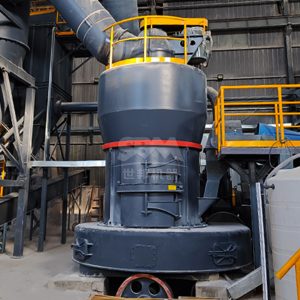
Introduction Bentonite clay has become an indispensable material in industrial water treatment processes due to its exceptional adsorption, swelling, and coagulation properties. The effectiveness of bentonite in water purification, however, heavily depends on the particle size and uniformity achieved during the milling process. Selecting the appropriate bentonite powder mill is crucial for optimizing treatment efficiency, […]

Introduction: The Critical Role of Gypsum Fineness in Drywall Performance The manufacturing of high-strength drywall represents one of the most demanding applications for gypsum processing technology. As construction standards evolve and building codes become more stringent, the relationship between gypsum particle characteristics and final product performance has become increasingly apparent. Modern drywall production requires precisely […]
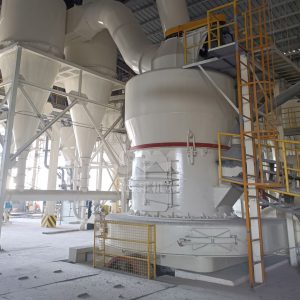
Introduction to Carbon Black Processing Carbon black, a crucial material in modern industrial applications, serves as a fundamental component in carbon fiber production, rubber reinforcement, pigment manufacturing, and various advanced composite materials. The production of high-quality carbon fiber demands precise control over carbon black particle size distribution, purity, and morphological characteristics. Achieving these stringent requirements […]
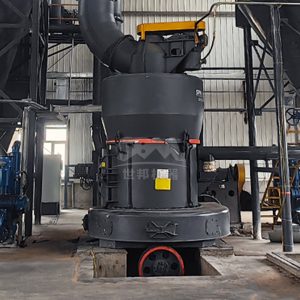
Introduction Thermal paper coating represents one of the most demanding applications for kaolin, requiring precise control over particle size distribution, morphology, and surface chemistry. The performance characteristics of thermal paper—including print quality, sensitivity, and head wear—are directly influenced by the quality of the kaolin coating. This article examines the critical relationship between kaolin particle size […]

Introduction: The Critical Role of Clinker Grinding in Sustainable Cement Manufacturing The cement industry stands at a critical juncture, facing increasing pressure to reduce its environmental footprint while maintaining production efficiency. Clinker grinding represents one of the most energy-intensive processes in cement manufacturing, accounting for approximately 30-40% of total electrical energy consumption in a typical […]
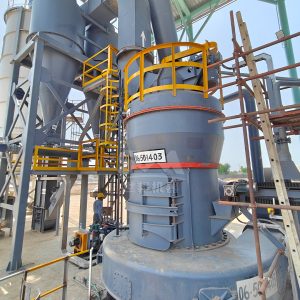
Introduction The selection of appropriate grinding equipment for petroleum coke preparation in lime kiln fuel applications is critical for optimizing combustion efficiency, reducing operational costs, and meeting environmental standards. Petroleum coke, a carbon-rich solid derived from oil refining, requires precise particle size reduction to ensure efficient burning in lime kilns. This comprehensive guide examines the […]
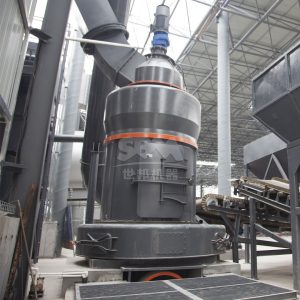
Introduction The production of high-performance refractory cement requires precise control over raw material processing, particularly in the grinding of bauxite. Bauxite, as a primary aluminum-bearing mineral, must be ground to specific particle size distributions to achieve optimal refractory properties including thermal stability, mechanical strength, and corrosion resistance. This article explores the technical considerations for optimizing […]