
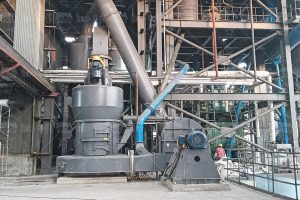
Introduction: The Critical Role of Feldspar in Glass Production Feldspar, one of the most abundant minerals in the Earth’s crust, serves as a crucial raw material in glass manufacturing. Its composition of alumina and alkali content makes it an essential fluxing agent that lowers the melting temperature of glass batches, reducing energy consumption while improving […]
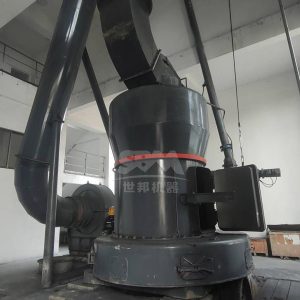
Introduction to Bentonite and Its Industrial Applications Bentonite, a naturally occurring clay mineral primarily composed of montmorillonite, has gained significant importance in modern industrial applications due to its exceptional swelling properties, adsorption capacity, and chemical stability. When processed into fine powder, bentonite becomes a crucial component in waterproofing systems, thermal insulation materials, and various other […]
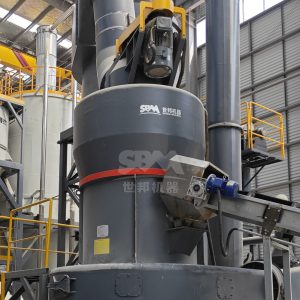
Introduction Thermal insulation materials play a crucial role in modern construction and industrial applications, providing energy efficiency and safety. Among various raw materials used in insulation production, dolomite stands out for its excellent thermal properties, fire resistance, and cost-effectiveness. The quality of dolomite-based insulation materials heavily depends on the grinding technology employed to process the […]
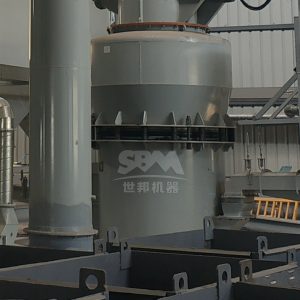
Introduction The mineral supplement industry has experienced significant growth in recent years, with calcite being one of the most important raw materials due to its high calcium content and bioavailability. Producing high-quality calcite powder for dietary supplements requires specialized milling equipment that can achieve precise particle size distribution while maintaining product purity and nutritional value. […]
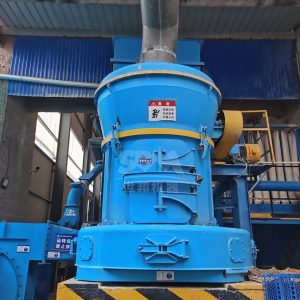
Introduction to Barite and Its Critical Applications Barite (barium sulfate) is a mineral of significant industrial importance, primarily valued for its high specific gravity (4.2-4.5) and chemical inertness. The petroleum industry consumes approximately 90% of global barite production as a weighting agent in drilling muds, where it prevents blowouts by controlling formation pressure. Beyond drilling […]
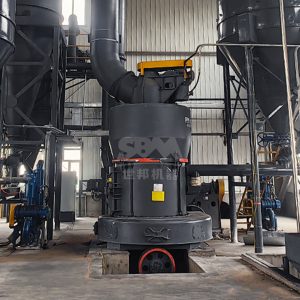
The Critical Role of Agricultural Lime in Modern Farming Soil pH optimization stands as one of the most fundamental aspects of successful agriculture. As acidic soils continue to challenge farmers worldwide, agricultural lime has emerged as the most effective and economical solution for pH correction. The production of high-quality agricultural lime requires specialized grinding equipment […]
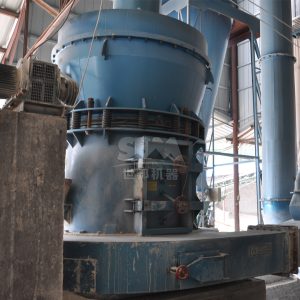
Introduction The selection of appropriate talc powder milling equipment is crucial for achieving optimal performance in plastic compounding applications. Talc, as a functional filler in high-performance plastics, requires precise particle size distribution, high purity, and consistent quality to enhance mechanical properties, thermal stability, and dimensional accuracy. This comprehensive guide explores the critical factors to consider […]
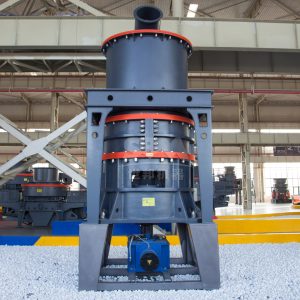
Introduction Carbon black, a fundamental material in modern industry, plays a critical role in enhancing the properties of advanced composites and high-performance coatings. The particle size distribution of carbon black directly influences key characteristics such as electrical conductivity, UV resistance, mechanical strength, and dispersion stability. Achieving optimal particle size requires sophisticated grinding technology capable of […]
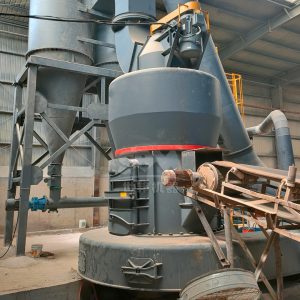
Introduction to Bauxite Processing for Refractory Applications Bauxite, as the primary source of aluminum, plays a crucial role in the production of high-grade refractory materials. The quality of bauxite-based refractories heavily depends on the fineness and uniformity of the processed powder. Ultrafine grinding technology has revolutionized this industry by enabling the production of precisely controlled […]