
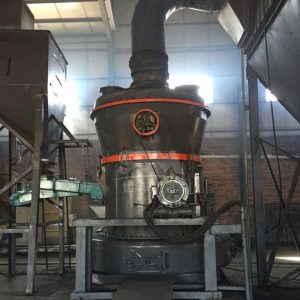
Introduction The production of high-quality acoustic wall panels requires precisely processed gypsum powder with specific particle size distribution and purity characteristics. Selecting the right grinding equipment is crucial for achieving optimal sound absorption properties, surface finish, and manufacturing efficiency. This comprehensive guide explores the key factors to consider when choosing a gypsum grinding machine for […]
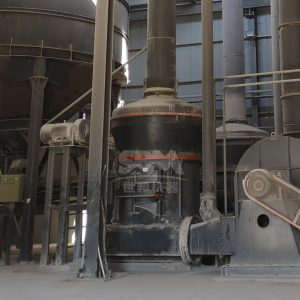
The Critical Role of Quartz Grinding in Modern Manufacturing In the highly competitive world of cutting tool production, precision is not merely an advantage—it is an absolute necessity. The manufacturing of high-performance cutting tools demands materials with exceptional hardness, wear resistance, and thermal stability. Quartz-based materials, including engineered ceramics and composite minerals, have emerged as […]
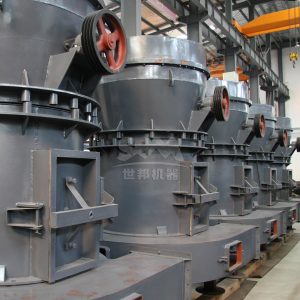
Introduction: The Imperative for Sustainable Cement Production The cement industry stands at a critical juncture, facing mounting pressure to reduce its substantial carbon footprint while maintaining production efficiency. As clinker grinding represents one of the most energy-intensive stages in cement manufacturing, accounting for approximately 40% of total electrical energy consumption in a cement plant, optimizing […]

Introduction The production of high-quality frit and enamel requires precise control over raw material properties, particularly the particle size distribution of feldspar. As a key fluxing agent and glass former, feldspar’s grinding quality directly impacts the final product’s melting behavior, surface quality, and mechanical properties. This article explores the technical requirements for feldspar grinding in […]

Introduction The production of carbon black from petroleum coke requires precise particle size control and efficient grinding technology. Selecting the appropriate pulverizing mill is crucial for achieving optimal product quality, energy efficiency, and operational cost-effectiveness. This comprehensive guide explores the key factors to consider when choosing a petroleum coke grinding mill for carbon black production, […]
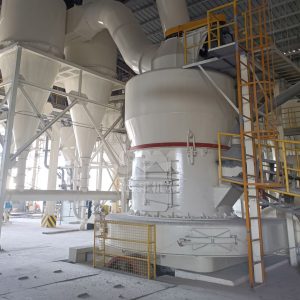
Introduction The production of high-performance filter media requires precise control over particle size distribution and morphology to achieve optimal filtration efficiency, permeability, and mechanical strength. Kaolin, a naturally occurring clay mineral, has emerged as a critical raw material in this sector due to its unique platelet structure, chemical inertness, and excellent forming characteristics. However, transforming […]

Introduction Dolomite powder plays a crucial role in ceramic glaze production, serving as both a flux and a matting agent that significantly impacts the final product’s quality, texture, and appearance. The selection of an appropriate grinding machine for dolomite processing directly influences production efficiency, energy consumption, and ultimately, the profitability of ceramic manufacturing operations. This […]
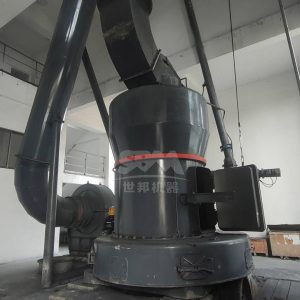
Introduction to Graphite Powder Production Graphite, with its unique layered structure and exceptional electrical conductivity, has become an indispensable material in modern industrial applications. From lithium-ion batteries and fuel cells to conductive coatings and advanced composites, the demand for high-purity graphite powder continues to grow exponentially. The performance of graphite in these applications is critically […]
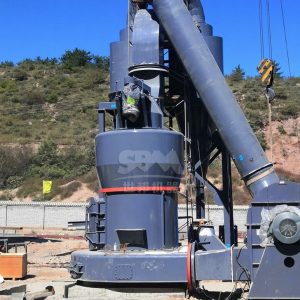
Introduction to Bentonite in Soil Improvement Bentonite, a naturally occurring clay mineral composed primarily of montmorillonite, has become an essential material in modern soil improvement and geotechnical engineering. Its unique properties—including high swelling capacity, excellent cation exchange capability, and low permeability—make it invaluable for applications ranging from landfill liners and pond seals to foundation stabilization […]