
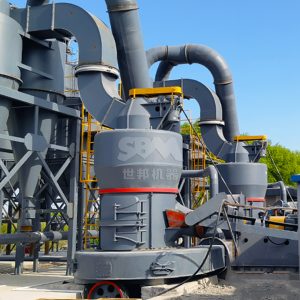
Introduction Feldspar, a crucial raw material in glass manufacturing, demands precise grinding to achieve the fineness and uniformity required for high-quality glass production. The grinding process directly impacts the transparency, strength, and overall quality of the final glass product. This article explores the importance of feldspar grinding, the technological advancements in grinding mills, and recommends […]
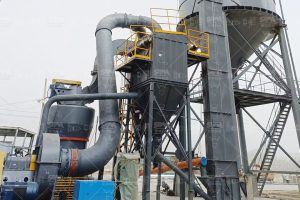
Introduction The production of high-quality anodes is a critical process in aluminum smelting, and the quality of the raw materials, particularly petroleum coke, plays a pivotal role. Petroleum coke (petcoke), a carbonaceous solid derived from oil refinery coker units, must be ground to a precise and consistent fineness to ensure the desired properties of the […]
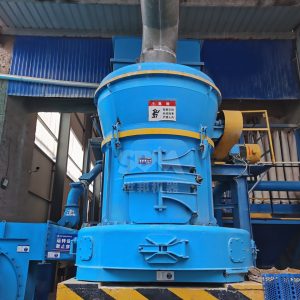
Introduction The plastic and rubber industries rely heavily on high-quality mineral fillers to enhance product properties and reduce production costs. Talc, a hydrated magnesium silicate, is one of the most widely used functional fillers due to its ability to improve stiffness, heat resistance, dimensional stability, and barrier properties in polymers. The performance of talc as […]
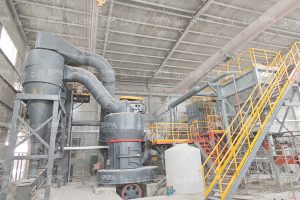
Introduction The production of pharmaceutical-grade calcium carbonate demands exceptional precision, consistency, and purity. This essential excipient, used as a diluent in tablets and capsules, must meet stringent pharmacopeial standards (USP/NF, Ph. Eur.) for heavy metal content, particle size distribution (PSD), and chemical purity. The journey from raw limestone to a compliant, high-value powder is technologically […]
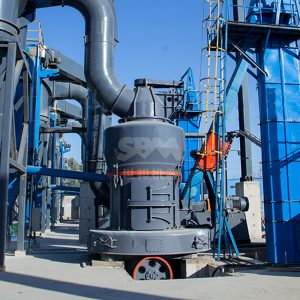
Introduction to Dolomite and Its Refractory Applications Dolomite, a calcium magnesium carbonate mineral (CaMg(CO3)2), is a highly valued raw material in numerous industrial sectors, particularly in refractory applications. Its unique properties, including high thermal stability, resistance to basic slags, and good mechanical strength at elevated temperatures, make it an ideal component for manufacturing refractory bricks, […]
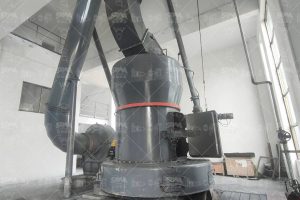
Introduction to Kaolin and Its Industrial Significance Kaolin, also known as china clay, is a naturally occurring white clay mineral primarily composed of kaolinite. It is widely used in various industries due to its unique properties such as whiteness, fine particle size, and chemical inertness. The two major sectors that heavily rely on high-quality kaolin […]
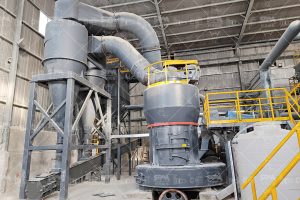
The Critical Role of Gypsum Grinding in Cement Manufacturing In the modern cement production process, gypsum plays an indispensable role as a crucial set retarder that controls the hydration reaction of cement clinker. The quality of gypsum powder directly influences key cement properties including setting time, strength development, and durability. Efficient grinding of gypsum to […]
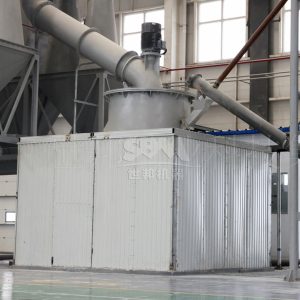
Introduction to Bentonite and Its Grinding Requirements Bentonite, a highly absorbent clay primarily composed of montmorillonite, is a critical material in various chemical applications due to its unique properties such as swelling, viscosity, and thixotropy. The performance of bentonite in chemical processes is heavily dependent on its particle size and uniformity. Superfine grinding is essential […]
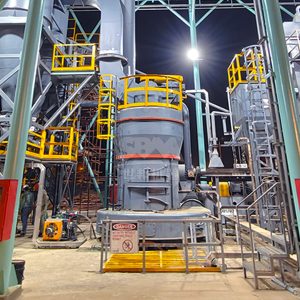
The Critical Role of Marble Powder in European Paint Manufacturing The European paint and coatings industry, renowned for its stringent quality standards and environmental regulations, relies heavily on high-purity functional fillers. Marble powder, or calcium carbonate (CaCO3), is a cornerstone ingredient. It acts as an extender pigment, enhancing properties like opacity, brightness, durability, and scrub […]