
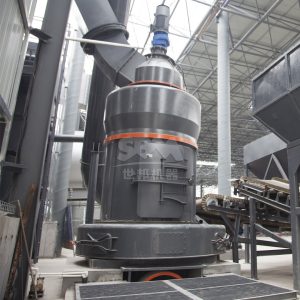
Introduction The automotive industry relies heavily on high-performance sealants to ensure vehicle durability, weather resistance, and structural integrity. Among the critical components in sealant formulations, calcite (calcium carbonate) stands out for its ability to enhance mechanical properties, improve rheological behavior, and reduce production costs. However, the efficacy of calcite in sealants is intrinsically linked to […]
Introduction The performance of high-temperature kilns in the alumina production industry is critically dependent on the quality and consistency of bauxite feed material. Proper pulverization of bauxite ore directly impacts kiln efficiency, energy consumption, and final product quality. This article explores the technical requirements for bauxite preparation and how advanced pulverization technologies can significantly enhance […]
Introduction to Talc in Polypropylene Compounds Talc is one of the most important mineral fillers used in polypropylene (PP) compounds, serving as a functional additive that enhances mechanical properties, thermal stability, and dimensional stability. The effectiveness of talc in PP composites is heavily dependent on its particle size distribution, surface area, and purity. Selecting the […]
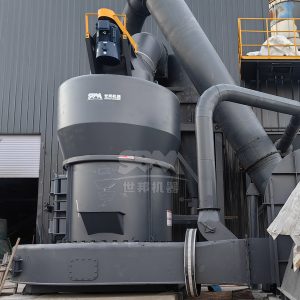
Introduction The manufacturing of building plaster requires precise control over gypsum powder characteristics to ensure optimal performance in construction applications. Selecting the appropriate grinding mill is crucial for achieving the desired particle size distribution, production capacity, and operational efficiency. This comprehensive guide examines the key factors to consider when choosing a gypsum powder mill and […]
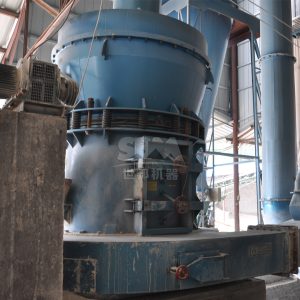
Introduction The production of high-purity quartz materials for electronic applications demands precision grinding solutions that can achieve exceptional fineness, consistency, and contamination control. Electronic grade quartz requires particle sizes in the micron and sub-micron ranges with strict control over impurities and particle size distribution. This article explores the technological requirements for optimized quartz grinding plants […]
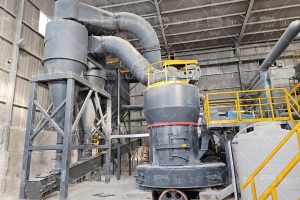
Introduction: The Energy Challenge in Cement Grinding The cement industry faces significant challenges in reducing energy consumption while maintaining product quality and production efficiency. Clinker grinding, one of the most energy-intensive processes in cement manufacturing, accounts for approximately 30-40% of total electrical energy consumption in a typical cement plant. Traditional ball mills, while reliable, have […]
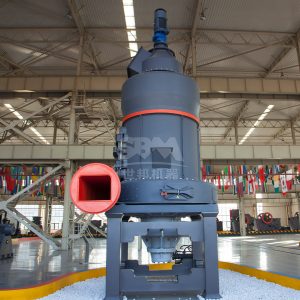
Introduction: The Critical Role of Graphite in Modern Technology Graphite has emerged as one of the most crucial materials in the 21st century, serving as the backbone for numerous advanced applications ranging from lithium-ion batteries to electronic components. The exceptional electrical conductivity, thermal stability, and structural properties of graphite make it indispensable for conductive materials […]
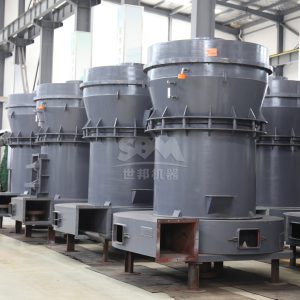
Introduction to Bentonite in Oil Refining Bentonite clay plays a crucial role in modern oil refining processes, particularly in the purification and decolorization of various petroleum products. Its unique swelling properties and high adsorption capacity make it an ideal material for removing impurities, contaminants, and color bodies from lubricating oils, transformer oils, and other petroleum […]
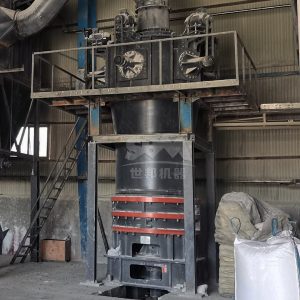
Introduction: The Critical Role of Fillers in Polymer Industries The rubber and plastic industries have long relied on mineral fillers to enhance product properties, reduce costs, and improve manufacturing efficiency. Among these fillers, limestone (calcium carbonate) stands out as one of the most versatile and widely used materials due to its abundance, low cost, and […]