In modern mineral processing, chemical production, and advanced materials manufacturing, grinding operations are critical for achieving desired particle size distributions and product quality. The efficiency, consistency, and cost-effectiveness of these processes are paramount. Real-time grinding performance monitoring has emerged as a transformative approach, enabling operators to move from reactive maintenance and periodic quality checks to proactive optimization and predictive control. This article explores the core technologies, methodologies, and implementation strategies that define state-of-the-art grinding performance monitoring, highlighting how integrated solutions can maximize throughput, minimize energy consumption, and ensure product uniformity.
Traditional grinding process control often relies on offline particle size analysis, periodic manual inspections, and fixed operational setpoints. This approach introduces significant lags between a process deviation and corrective action, leading to periods of off-spec production, increased energy waste, and accelerated equipment wear. Real-time monitoring closes this loop by providing continuous data streams on key performance indicators (KPIs), allowing for instantaneous adjustments. The primary drivers for its adoption include:
The foundation of any real-time monitoring system is a robust sensor network that captures physical and operational data without interrupting the process.
Raw sensor data alone is not enough. The true value is unlocked through integration and analysis.
Supervisory Control and Data Acquisition (SCADA) systems aggregate data from all sensors and PLCs, providing a unified visualization platform (Human-Machine Interface – HMI) for operators.
Modern systems employ APC algorithms and machine learning models to move beyond simple alarm-based control. These systems can:
The effectiveness of monitoring is greatly enhanced when the grinding equipment itself is designed with precision, stability, and controllability in mind. Modern mills incorporate features that are inherently compatible with real-time optimization.
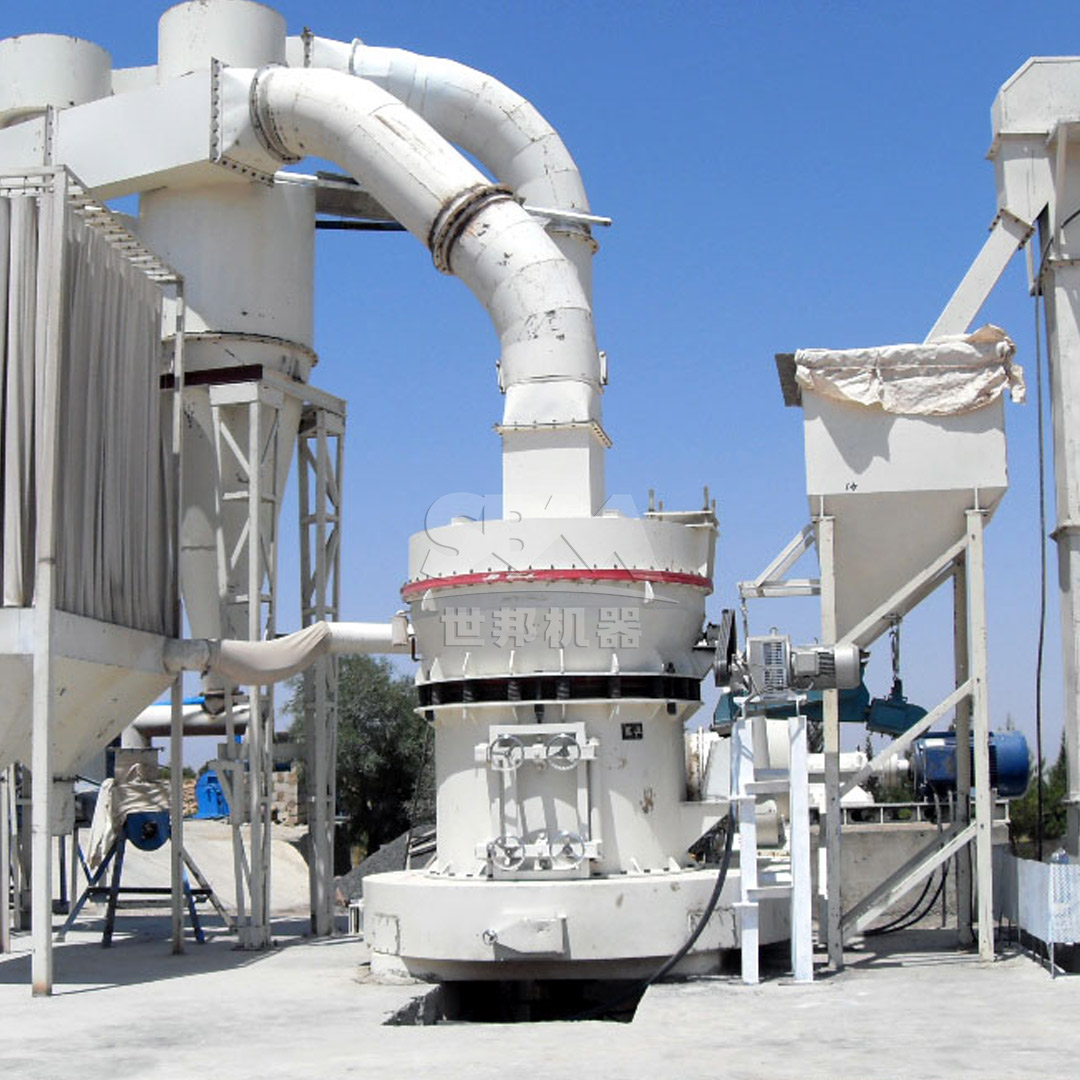
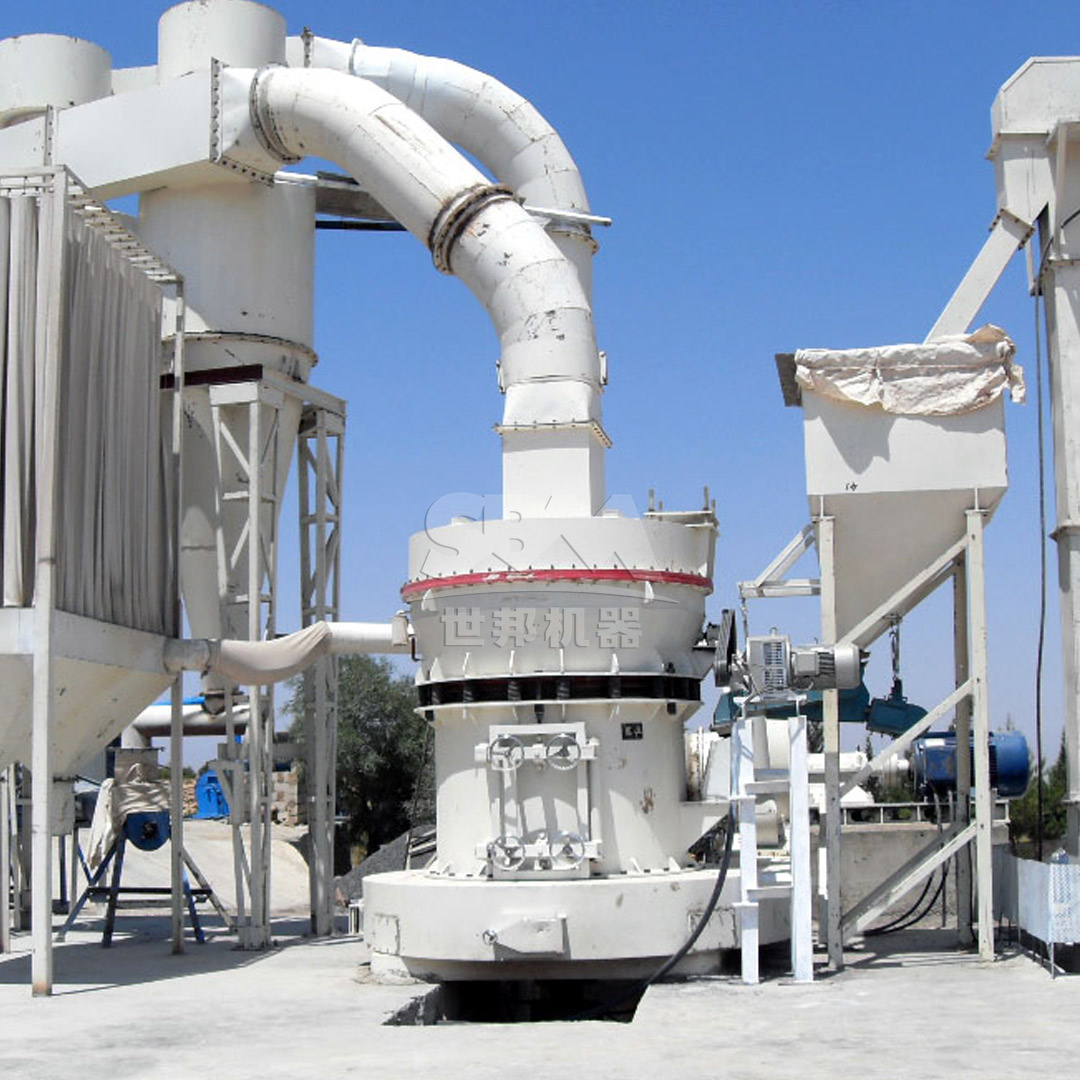
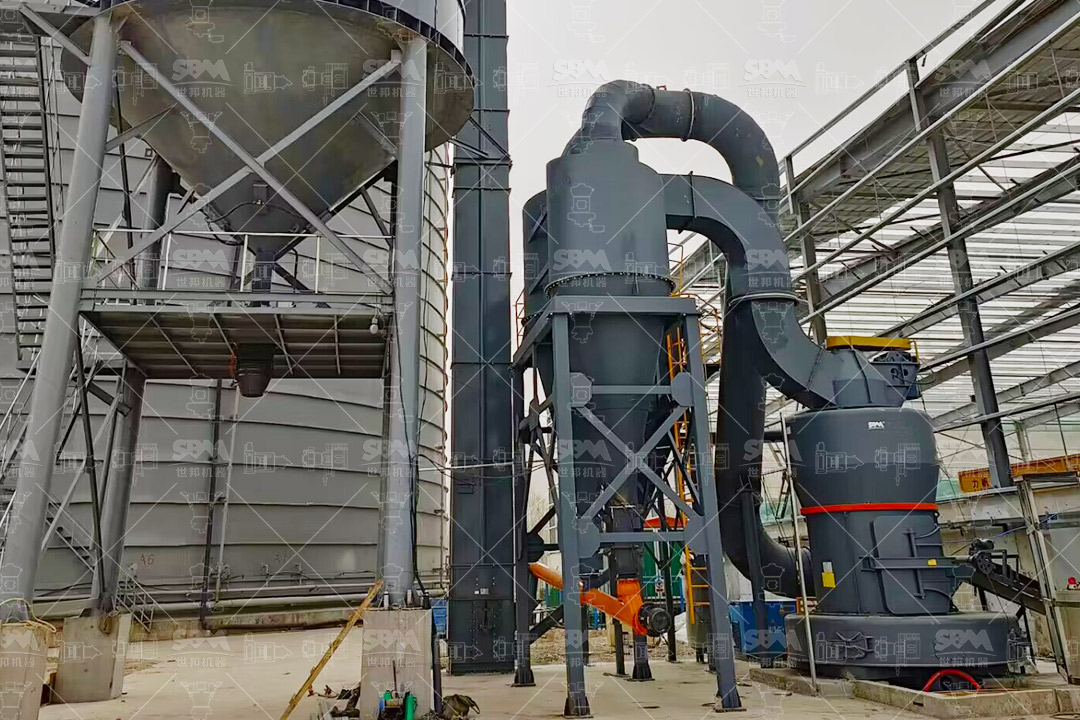
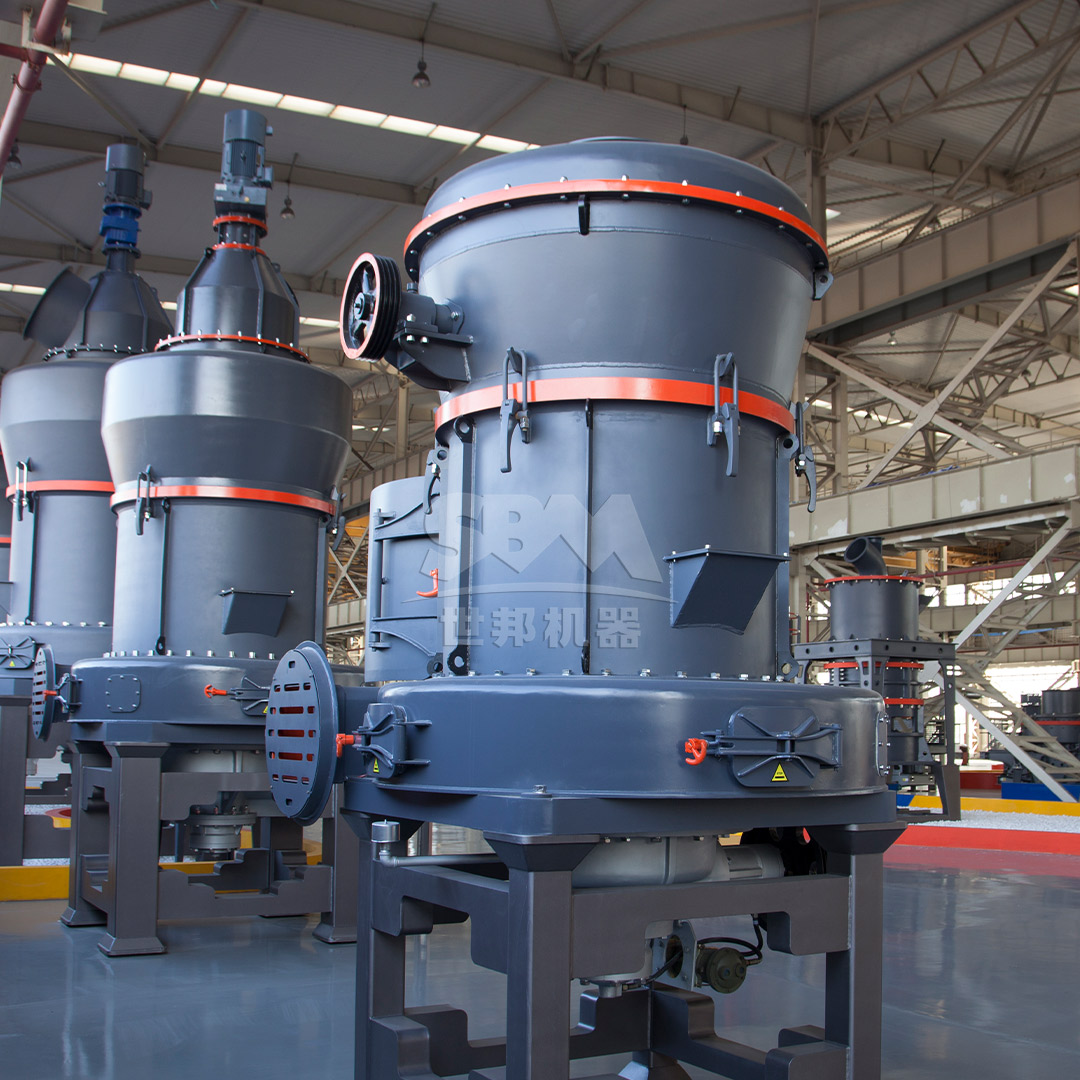
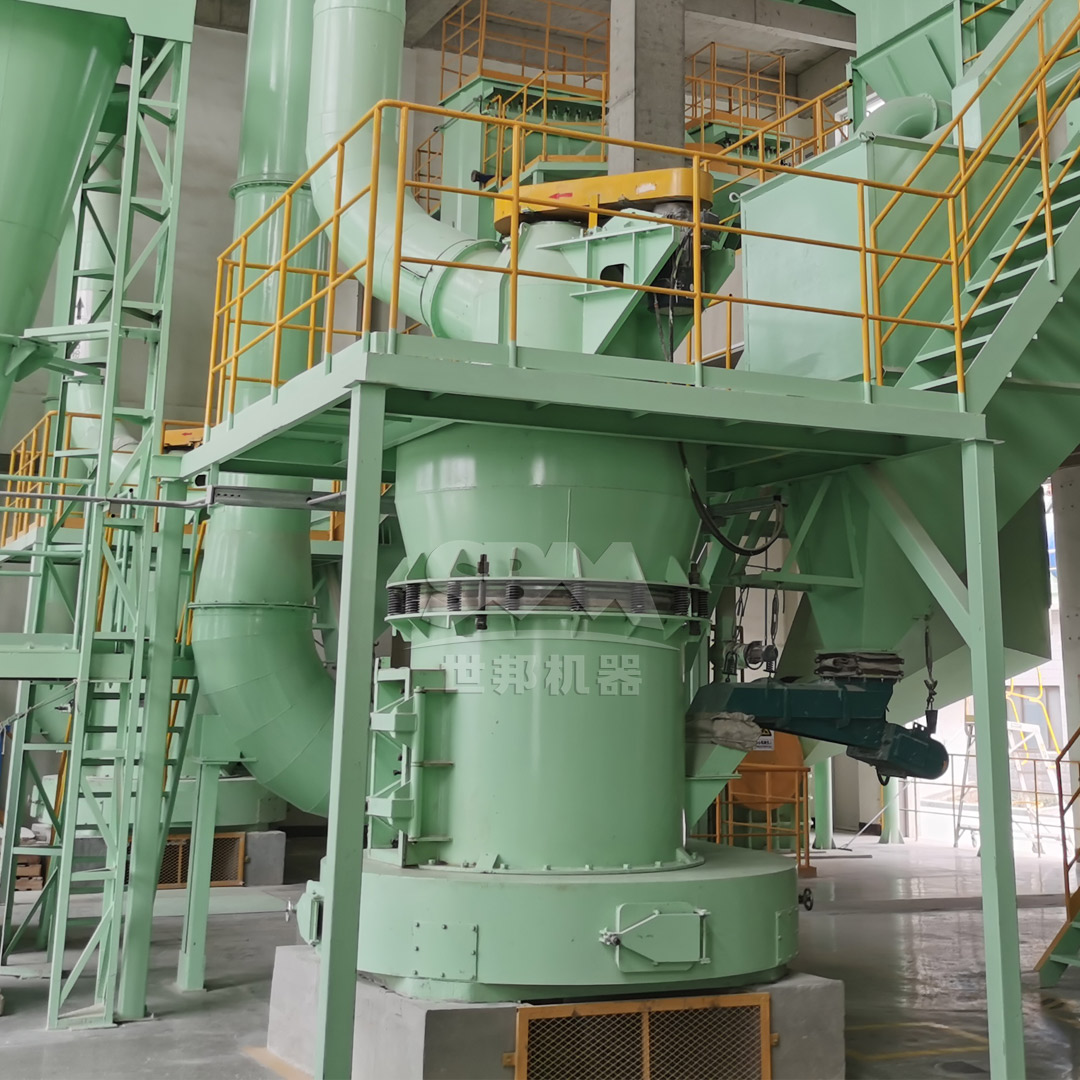
Equipment with precise mechanical action and efficient classification responds predictably to control inputs. For ultra-fine grinding applications, where achieving a narrow, consistent particle size distribution is critical, the SCM Ultrafine Mill exemplifies this principle. Its vertical turbine classifier enables precise cut-point control, ensuring no coarse particles contaminate the final product. When integrated with an in-line particle size analyzer, the system can form a closed-loop control where the classifier speed automatically adjusts to maintain the target D97 fineness (e.g., 5μm), directly addressing the core challenge of real-time quality control.
| Model | Capacity (ton/h) | Main Motor Power | Output Fineness (Mesh) |
|---|---|---|---|
| SCM800 | 0.5 – 4.5 | 75 kW | 325 – 2500 |
| SCM1000 | 1.0 – 8.5 | 132 kW | 325 – 2500 |
| SCM1680 | 5.0 – 25 | 315 kW | 325 – 2500 |
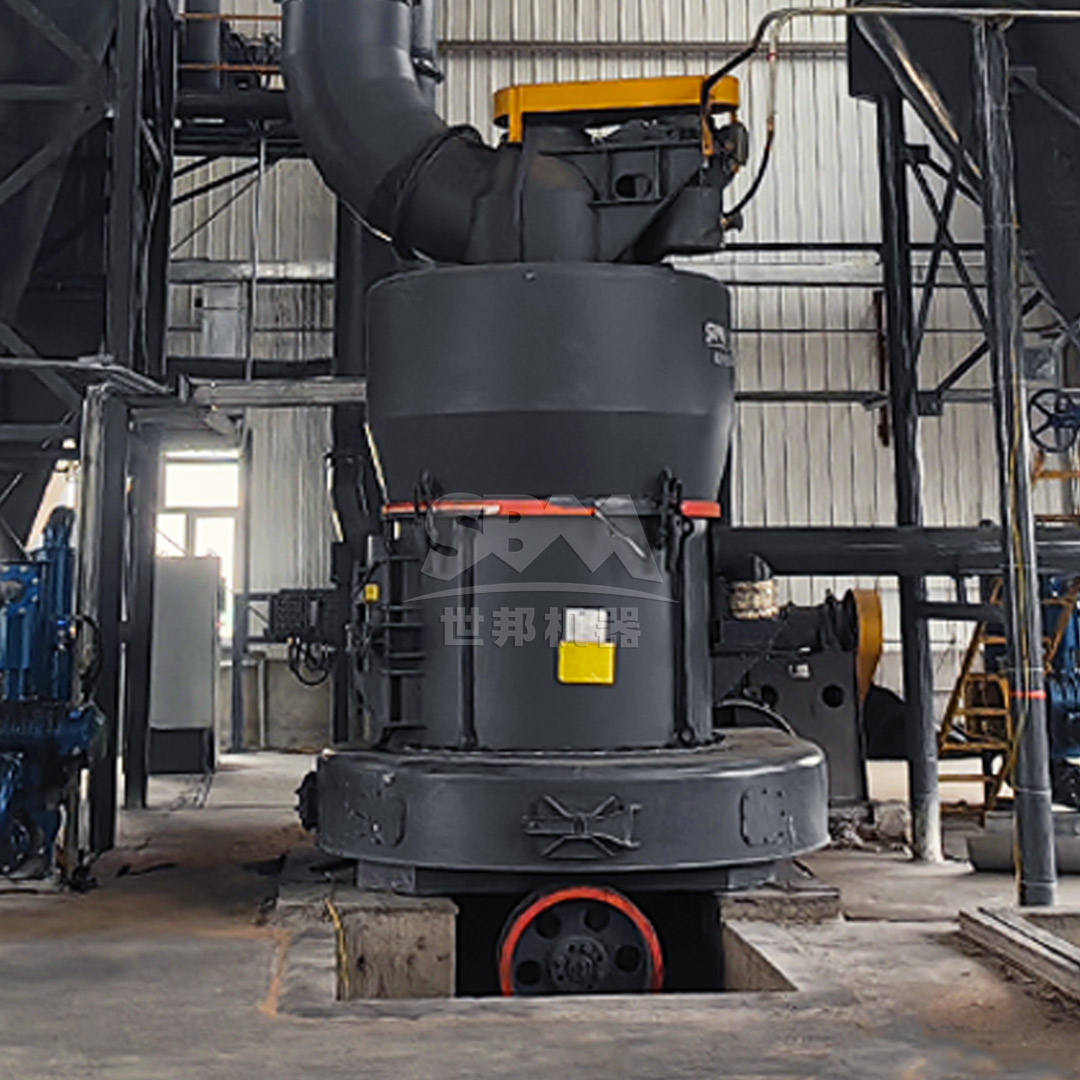
Stability is a prerequisite for accurate monitoring. Equipment designs that minimize inherent vibration reduce noise in the sensor data, making it easier to detect genuine anomalies. Features like the MTW Series Trapezium Mill’s conical gear integral transmission (98% efficiency) and curved air channel not only save energy but also promote smooth, stable power transmission and material flow. This stable baseline allows vibration sensors to be far more effective in detecting early signs of mechanical issues such as gear wear or imbalance, enabling true predictive maintenance.
A successful implementation involves layering technologies into a cohesive system.
Real-time grinding performance monitoring is no longer a luxury but a necessity for competitive and sustainable industrial operations. It represents a convergence of precision mechanical engineering, sophisticated sensor technology, and intelligent data analytics. The journey begins with selecting grinding equipment designed for control and stability, such as the SCM Ultrafine Mill for precision ultra-fine applications or the robust MTW Series Trapezium Mill for high-capacity processing. By implementing a layered system of sensors, data integration, and advanced control strategies, operators can unlock unprecedented levels of efficiency, quality, and reliability, transforming the grinding process from a cost center into a strategic asset for value creation.