The journey from laboratory-scale grinding to full-scale industrial production is a critical and often daunting phase in the development of mineral processing, chemical manufacturing, and advanced materials industries. While lab-scale mills excel at providing precise data on grindability, particle size distribution, and material behavior under controlled conditions, scaling these processes to meet the demands of ton-per-hour production introduces a complex array of technical, operational, and economic challenges. Successfully navigating this transition requires not only a deep understanding of comminution principles but also the selection of industrial equipment engineered to bridge the gap between precision and productivity.
Scaling up grinding operations involves more than simply increasing the physical dimensions of a mill. It is a multidimensional problem where several factors interact in non-linear ways.
In a laboratory, achieving a narrow, consistent particle size distribution (PSD) is relatively straightforward. At an industrial scale, factors like feed homogeneity, wear on grinding elements, and classification efficiency become magnified. Slight variations in feed size or hardness can lead to significant shifts in the final product’s PSD. The challenge is to implement a system that can continuously produce powder within a tight specification window (e.g., D97 ≤ 5μm for ultrafine applications) despite fluctuating input conditions. This demands highly precise and reliable classification technology integrated with the grinding mechanism.
Energy efficiency is paramount in industrial operations. The specific energy consumption (kWh/ton) often increases non-linearly with scale, especially when targeting finer grinds. Lab equipment may not accurately reflect the heat generation and dissipation in a large mill. Excessive heat can degrade heat-sensitive materials, cause unwanted chemical reactions, or lead to unsafe operating conditions. Industrial mills must therefore be designed with efficient cooling systems, optimized grinding mechanics to reduce energy waste, and intelligent controls to operate at peak efficiency.
Laboratory mills process grams or kilograms of material, whereas industrial mills handle tons. This exponential increase in throughput places immense stress on mechanical components. Wear on grinding rolls, rings, liners, and classifiers is a primary operational cost. The transition requires equipment built with special wear-resistant materials and engineered for easy maintenance. Downtime for part replacement must be minimized through designs that allow for quick access and modular component swaps.
A lab mill is often a standalone unit. An industrial grinding line is a complex system involving feeders, crushers, mills, classifiers, dust collectors, elevators, and silos. Integrating these components seamlessly is a major engineering challenge. Furthermore, consistent product quality depends on sophisticated process control systems that can monitor key parameters (power draw, pressure, temperature, particle size) and make real-time adjustments—a leap from the manual, batch-based control typical in labs.
To overcome these scale-up challenges, modern industrial grinding mills are built around several core design principles.
The heart of consistent powder production lies in the classifier. Industrial mills must move beyond simple static separators. Dynamic, turbo-classifiers with adjustable rotor speeds allow for precise cut-point control, ensuring that only particles meeting the target fineness leave the grinding chamber. This prevents coarse particles from contaminating the final product and reduces the energy wasted on over-grinding already fine material.
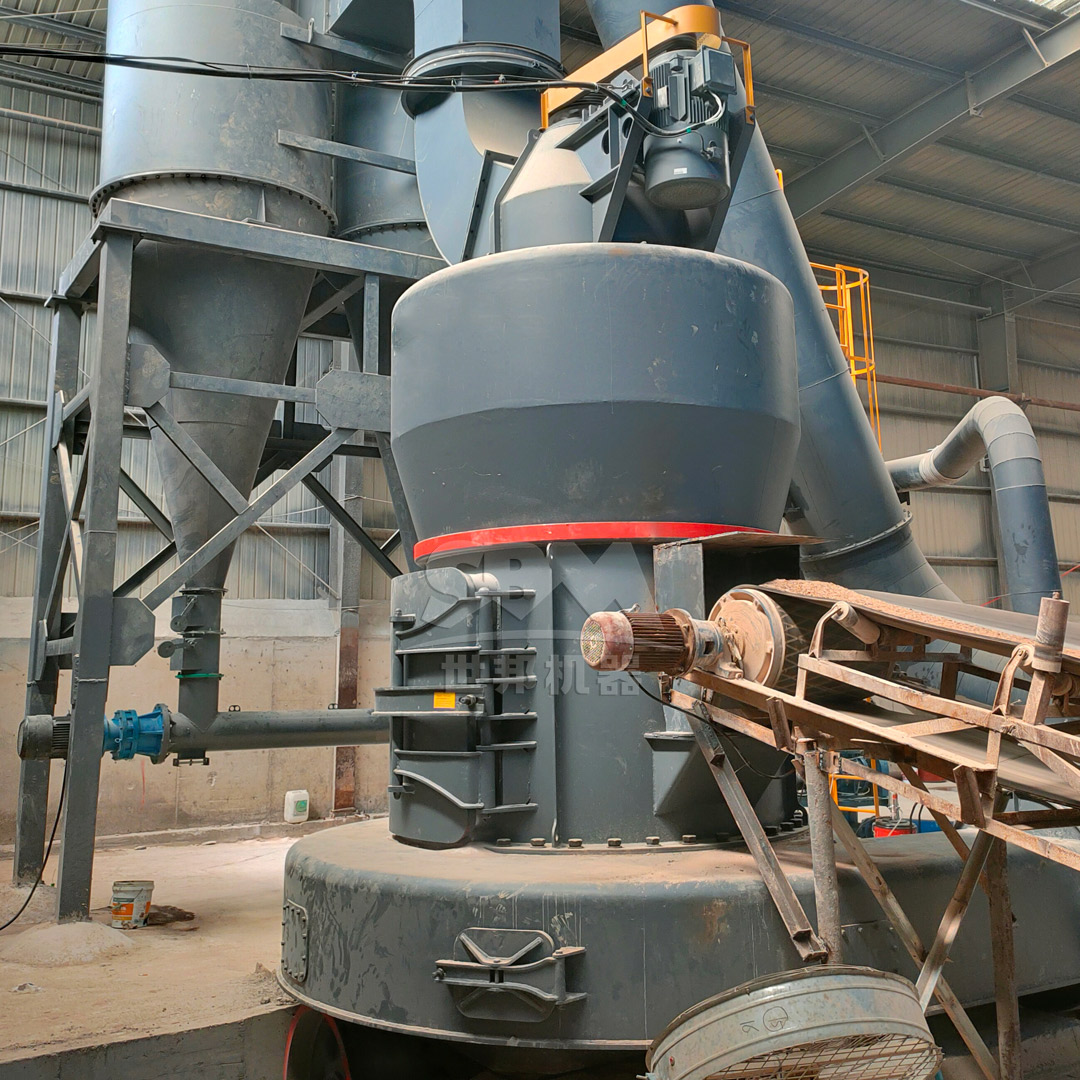
The grinding mechanism itself must be scalable. Technologies like multi-layer grinding with progressive compression (from coarse to fine), curved grinding paths to optimize material trajectory, and pressurized grinding rolls create more efficient particle breakage with less energy. Incorporating sensors and automation allows the mill to compensate for wear and feed variations automatically, maintaining stable operation.
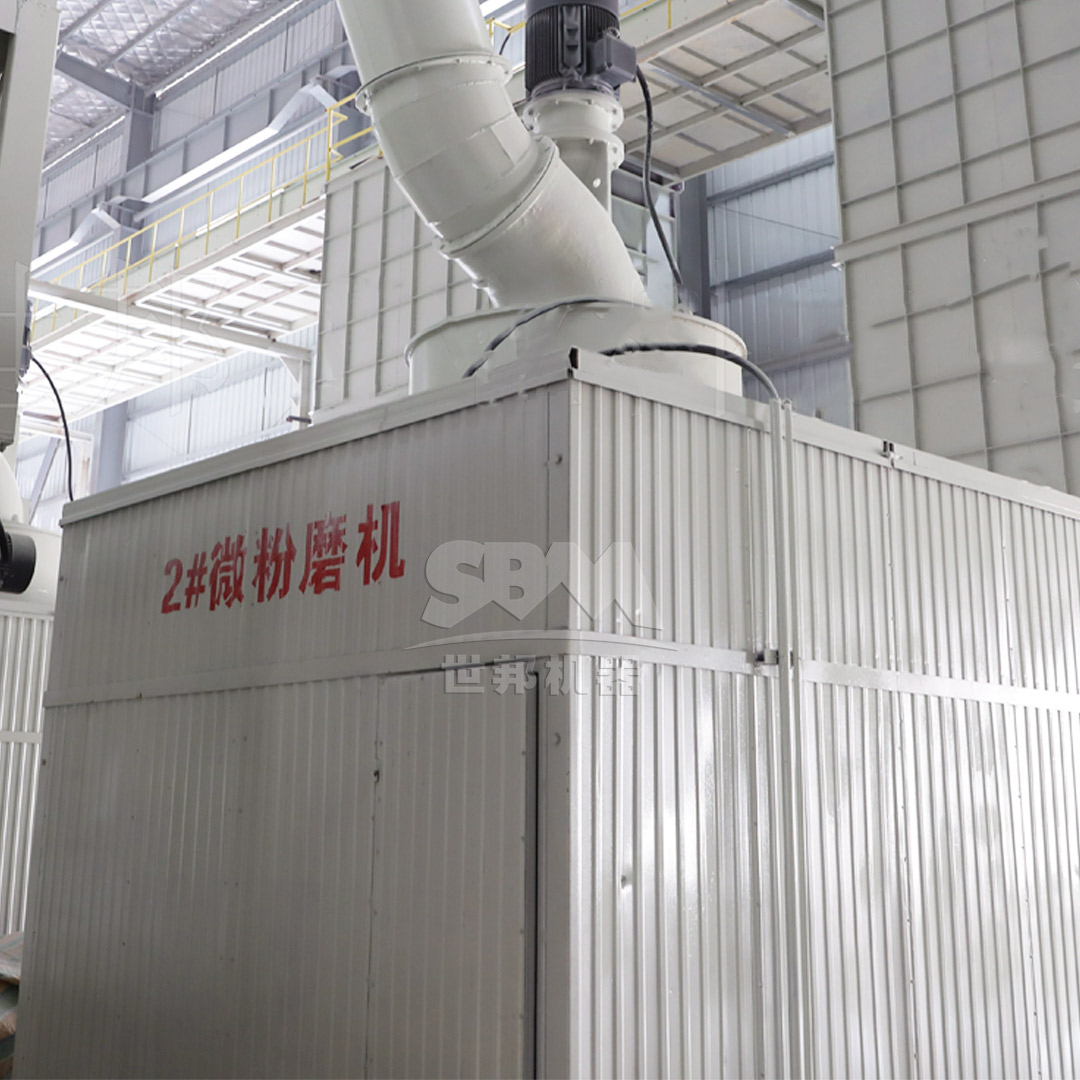
An industrial mill is judged not just on its grinding core but on its entire system performance. This includes highly efficient pulse-jet baghouse dust collectors that achieve emissions below 20 mg/m³, sound insulation enclosures to keep noise under 85 dB(A), and integrated ducting designed to minimize pressure drop and energy loss in the air system.
Selecting the right industrial mill technology is crucial. The choice depends on the target fineness, material hardness, required capacity, and total cost of ownership. Here, we highlight two exemplary product lines engineered to meet the stringent demands of industrial scale-up across different application ranges.
When the transition from lab involves producing powders in the true ultrafine range (325-2500 mesh, D97 ≤5μm), conventional ball mills or Raymond mills fall short on efficiency and precision. The SCM Series Ultrafine Mill is specifically designed to meet this high-stakes challenge.
Its success in scale-up stems from several key features that directly address the core challenges:
With models like the SCM1250 (2.5-14 TPH) and the SCM1680 (5-25 TPH), it offers a clear, scalable path from pilot-scale testing to large-volume ultrafine powder production for industries like advanced ceramics, pharmaceuticals, and coatings.
| Model | Capacity (ton/h) | Main Motor Power (kW) | Output Fineness (mesh) |
|---|---|---|---|
| SCM800 | 0.5 – 4.5 | 75 | 325-2500 |
| SCM1000 | 1.0 – 8.5 | 132 | 325-2500 |
| SCM1250 | 2.5 – 14 | 185 | 325-2500 |
| SCM1680 | 5.0 – 25 | 315 | 325-2500 |
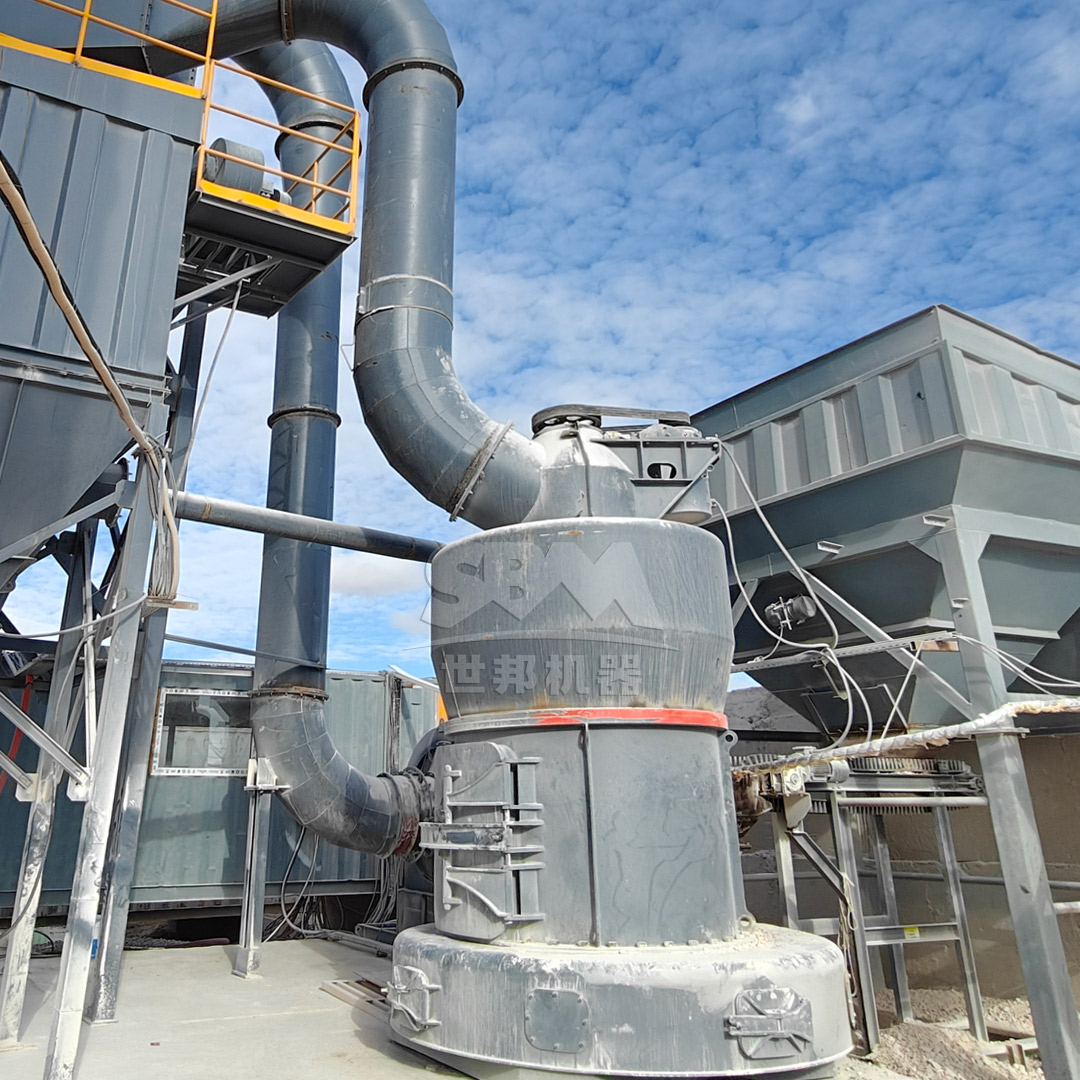
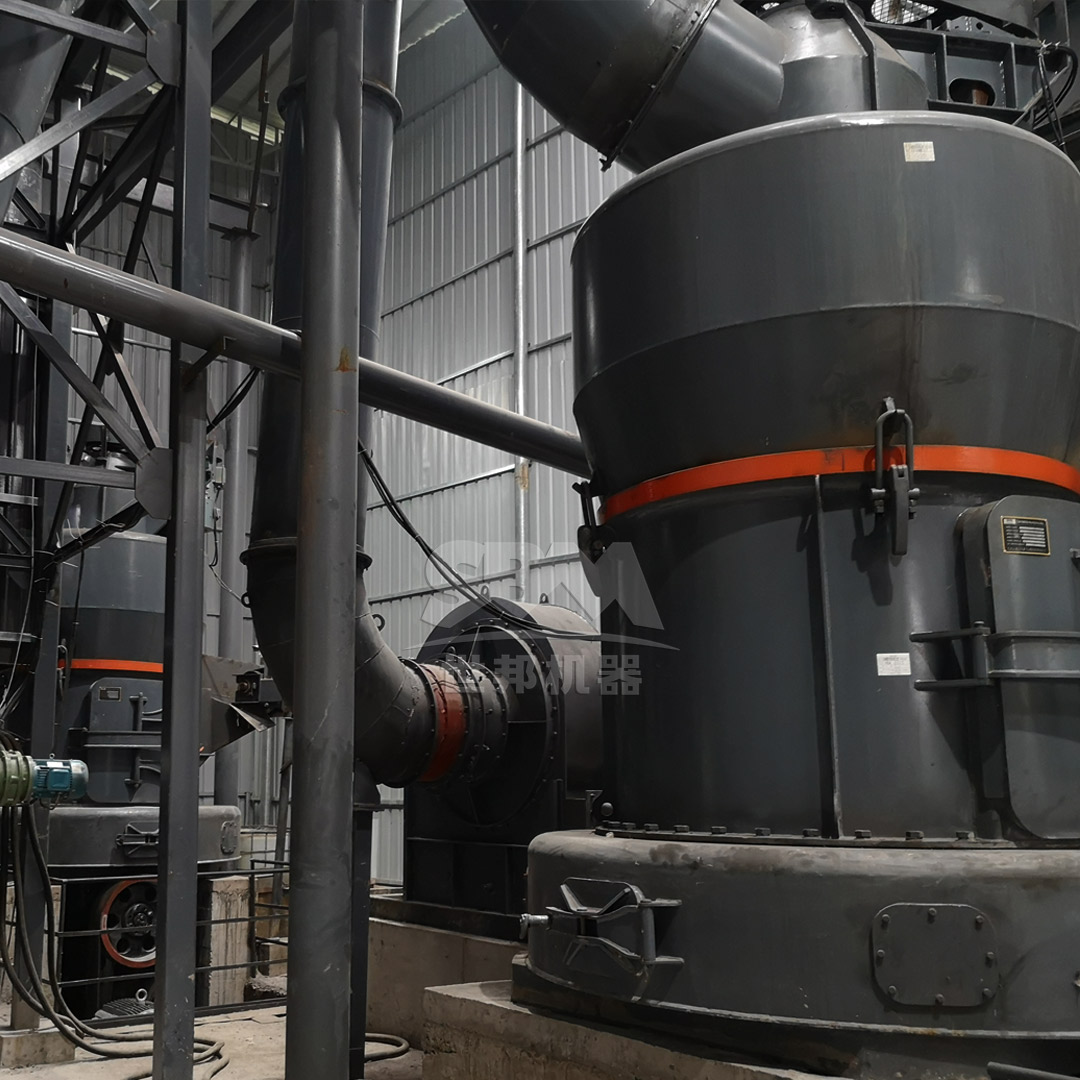
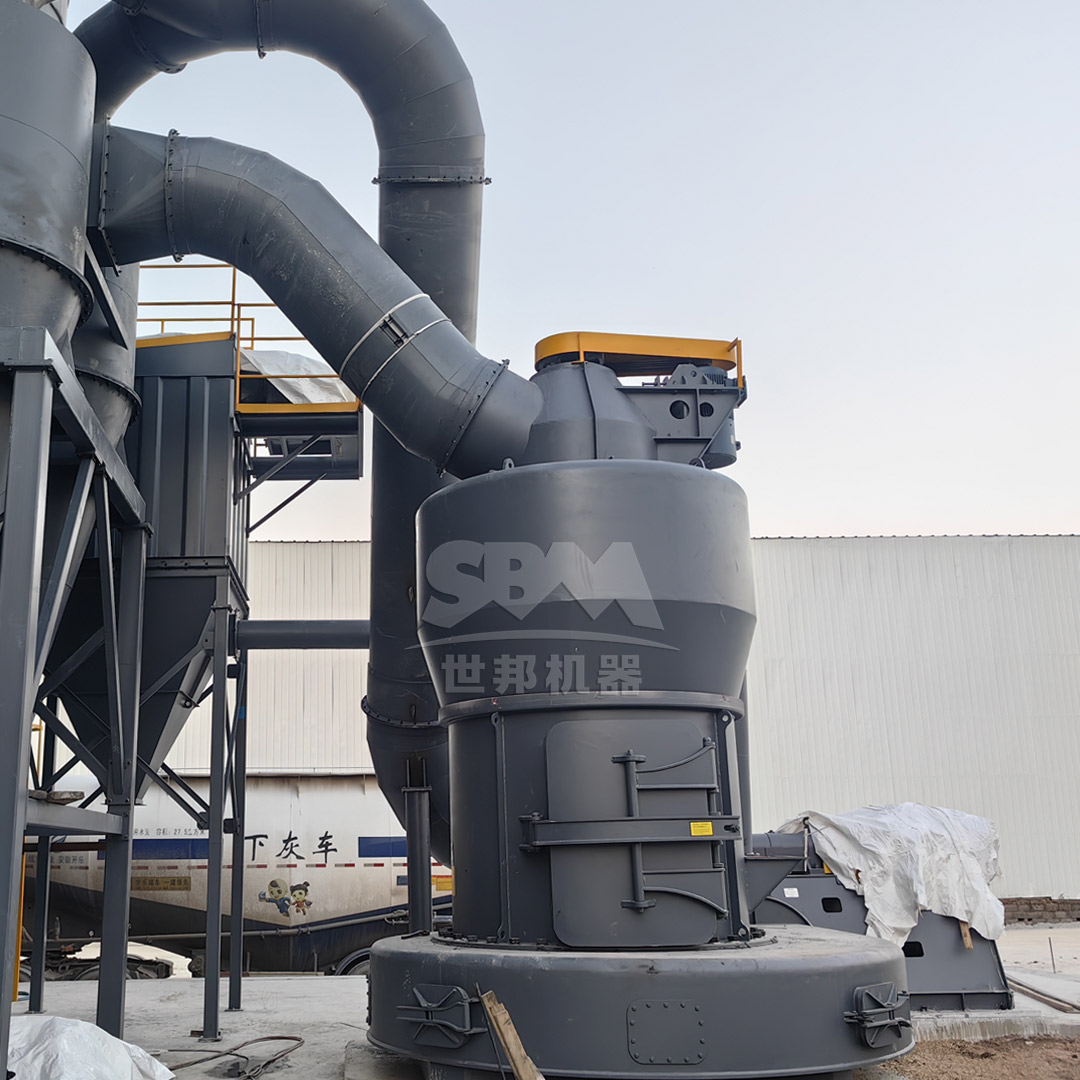
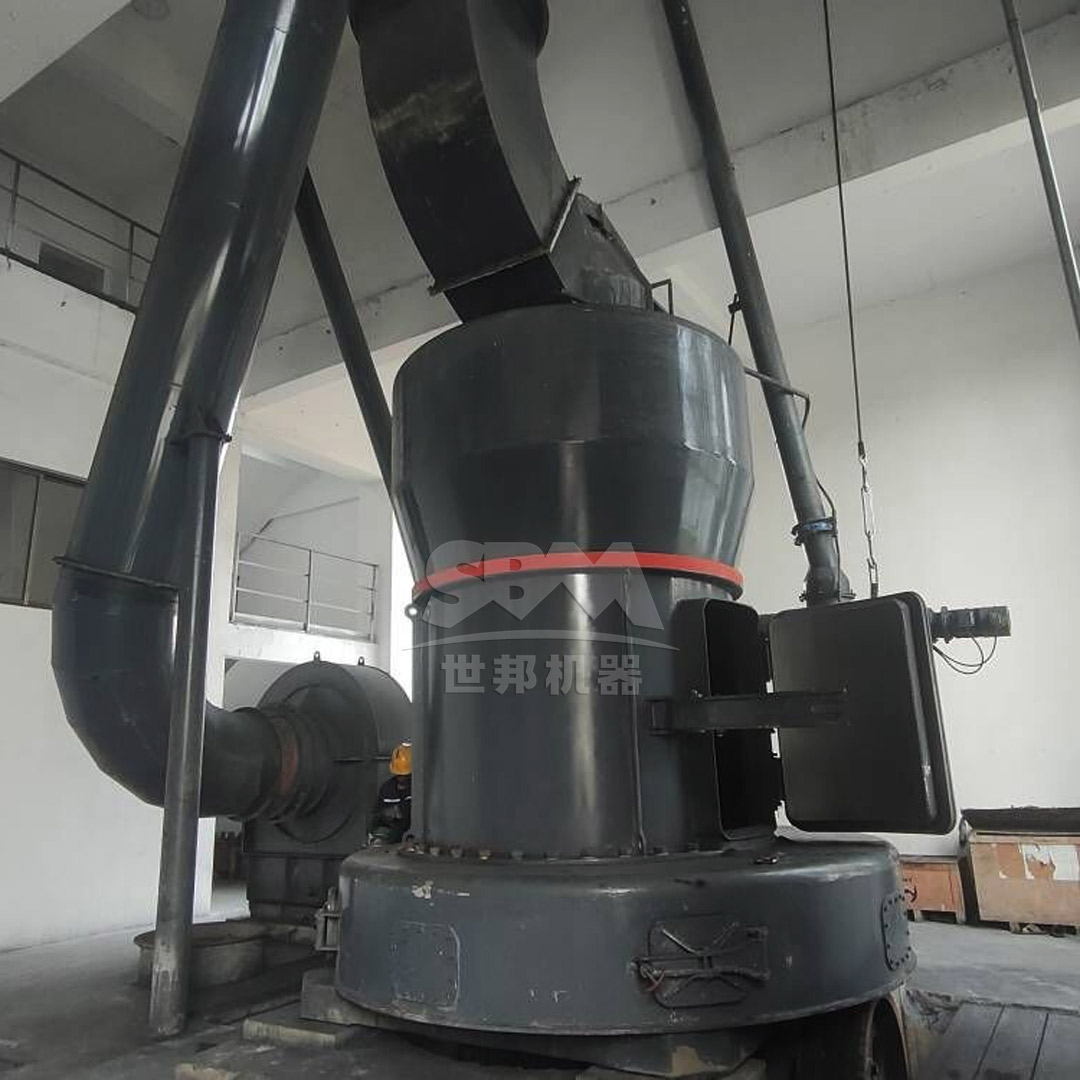
For projects scaling up to massive capacities (up to 250 TPH) where the target fineness is in the 30-325 mesh range, such as in cement raw meal, coal powder, or slag processing, the LM Series Vertical Roller Mill represents the industry benchmark for efficiency and integration.
It addresses scale-up challenges through a fundamentally different, highly efficient design:
With a vast range of models tailored for minerals (LM220K, 36-105 TPH), coal (LM240M, 50-65 TPH), and slag (LM280N, 50-60 TPH), the LM series provides a reliable, efficient, and scalable backbone for mega-scale industrial grinding operations.
The transition from lab to industrial grinding is not merely an equipment purchase; it is a strategic process integration challenge. Success hinges on choosing technology partners who understand both the science of comminution and the realities of 24/7 plant operation. Mills like the SCM Ultrafine Mill and the LM Vertical Roller Mill exemplify how modern engineering can directly solve the core scale-up problems of consistency, energy use, durability, and control.
By focusing on mills with integrated intelligent classification, robust wear-resistant designs, and holistic system engineering, companies can de-risk their scale-up projects, protect their operational budgets, and ensure their final product meets the quality standards first envisioned in the laboratory. The right industrial grinding solution is the critical bridge that turns a promising lab result into a profitable, sustainable, and high-quality industrial reality.